
Your cart is currently empty!
Parkinson’s Patient’s Tremors Vanish Minutes After Non-Surgical Brain Treatment

For years, Bud Leavell watched a simple hand tremor slowly take away parts of his daily life. The Parkinson’s symptoms that once seemed manageable eventually made it difficult to complete tasks requiring precision, including one activity he loved most: repairing antique radios in his garage.
Contents
show
Then, in a matter of minutes, everything changed. After undergoing a newly approved focused ultrasound procedure, the 72-year-old Air Force veteran’s shaking hand became steady again, allowing him to return to hobbies and everyday tasks that had become frustratingly difficult.
Patient’s Parkinson’s Tremor Disappears After Ultrasound Treatment

Leavell was diagnosed with Parkinson’s disease in 2017 following surgery for thyroid cancer. Soon afterward, he noticed several changes, including a weaker voice, a loss of smell, and a tremor that developed in his right hand. Over time, the shaking became more disruptive, affecting activities that required careful control and steady movements.
The tremor made ordinary tasks much harder than they once were. Using a computer mouse, holding binoculars, and working on small radio components became challenging, especially because Leavell had spent years enjoying hands-on projects that depended on fine motor skills.
Doctors at UT Southwestern Medical Center introduced Leavell to focused ultrasound, a treatment designed to target specific areas deep inside the brain without traditional surgery. Unlike deep brain stimulation, which requires an implanted device, the procedure uses concentrated sound waves to affect the brain area involved in abnormal movement signals.
The results were almost immediate. After receiving the treatment on April 13, Leavell said his tremor disappeared, allowing him to once again hold tools, work on electronics, and complete daily activities without the shaking that had controlled so much of his routine.

How Focused Ultrasound Targets Parkinson’s Symptoms
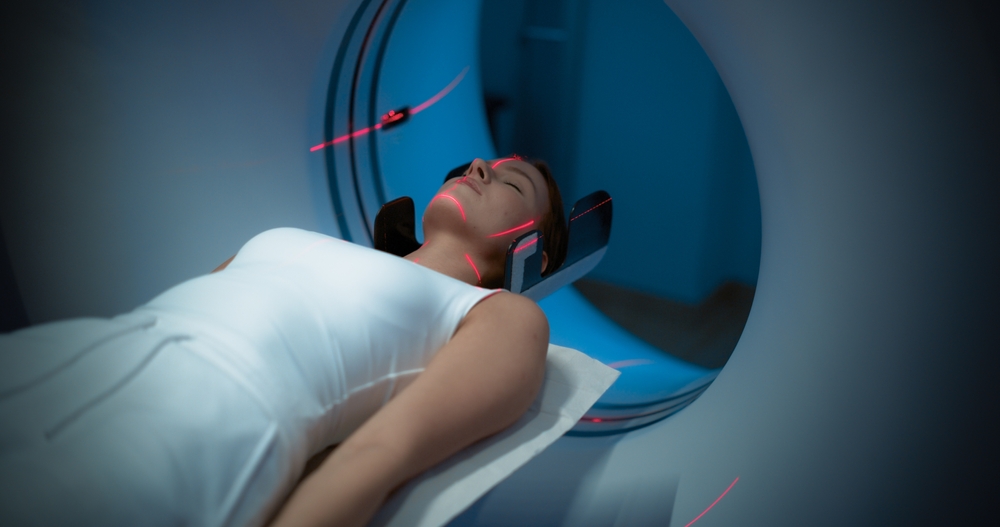
Focused ultrasound works by directing high-energy ultrasound waves through the skull toward carefully selected areas of the brain. The treatment creates a controlled change in targeted tissue, interrupting the abnormal electrical activity that contributes to Parkinson’s-related tremors.
Dr. Bhavya Shah, a neuroradiologist at UT Southwestern Medical Center, explained that doctors first use advanced imaging to map the patient’s brain before choosing the treatment area. This allows the team to identify the target that is most likely to improve the patient’s specific symptoms.
Before making the permanent change, doctors can test the area using lower-energy ultrasound. If the patient’s symptoms improve during this stage, physicians gain more confidence that they have selected the correct target.
The ability to test the response before completing treatment is one reason doctors see focused ultrasound as a personalized approach for Parkinson’s patients whose symptoms vary from person to person.
Doctors Focused On The Symptom Affecting Leavell Most
Parkinson’s disease does not look the same for every patient. While many people experience stiffness and slowed movement, Leavell’s main challenge was severe tremors that interfered with activities requiring steady hands.
“Although the cardinal symptoms of Parkinson’s disease are slowness and stiffness, Bud’s most bothersome symptom was tremor, so getting rid of the shaking was our primary goal,” Shah said.
Because Leavell responded well during the initial testing phase, doctors were able to focus the treatment on reducing the tremor that had affected his quality of life for years.
Parkinson’s Disease Can Affect Everyday Movement
Parkinson’s disease is a neurological disorder that impacts movement and develops differently depending on the individual. Some patients experience mild symptoms, while others face challenges that interfere with work, hobbies, and basic daily activities.
The condition is commonly associated with several movement-related symptoms:
- Tremors: Shaking movements that often begin in the hands or fingers.
- Stiffness: Tight muscles that can limit movement and flexibility.
- Slowed movement: Actions that once felt automatic may become harder to complete.
- Balance problems: Changes in coordination can affect mobility.
Many patients begin treatment with medications designed to help manage symptoms. As the disease progresses, some people explore additional options when medications no longer provide enough relief or create unwanted side effects.
Focused ultrasound is now another treatment option available alongside procedures such as deep brain stimulation. Doctors consider factors including symptoms, health history, and treatment goals when discussing possible approaches with patients.

The Treatment Offers A Different Path Than Brain Implants
Deep brain stimulation has been used for years to help some Parkinson’s patients control movement symptoms. The procedure involves placing electrodes inside the brain and connecting them to a device that delivers electrical stimulation.
Focused ultrasound takes a different approach because it does not require an implanted device. Instead, doctors use imaging and sound waves to target a specific brain area during a single procedure.
For some patients, avoiding implanted hardware may make focused ultrasound an appealing option. However, the treatment also involves important differences that doctors explain before recommending it.
The procedure is permanent, which means patients do not have the same ability to adjust treatment later as they would with a programmable deep brain stimulation device.

The Results Cannot Be Adjusted Like A Device
Deep brain stimulation allows doctors to change settings if symptoms return or develop in new ways. Focused ultrasound does not offer that same flexibility because it permanently changes the targeted tissue.
If symptoms return in the future, another treatment may be considered depending on the patient’s situation. Researchers are also continuing to collect long-term data because focused ultrasound is newer compared with other Parkinson’s therapies.
“While this is not a panacea for Parkinson’s, it is a dramatic and life-changing procedure,” Shah said.
Leavell Returns To Repairing Antique Radios
Before the procedure, Leavell’s tremor had affected one of the activities that brought him the most enjoyment. Repairing antique radios required careful movements, and the shaking made it increasingly difficult to continue the hobby he had loved for years.
After the ultrasound treatment, he was able to return to his garage and work on projects again. The change allowed him to use tools more easily and complete tasks that had previously required significant effort.
“I can hold my hand still with or without a tool in my hand or while working on a project,” Leavell said.
The improvement also affected simple routines outside his workshop. Leavell said he could once again use utensils more easily, making everyday moments that had become frustrating feel normal again.
For someone who had spent years adapting to Parkinson’s symptoms, regaining control over his movements created a major shift in his daily life.
Doctors Warn The Procedure Still Has Risks
Although Leavell experienced a dramatic improvement, focused ultrasound is not without possible risks. Because the treatment creates a permanent change in the brain, doctors carefully evaluate patients before recommending the procedure.
Possible side effects include:
- Numbness or tingling: Some patients report unusual sensations around the mouth or fingertips.
- Walking difficulties: Balance and coordination issues can occur.
- Speech or swallowing changes: Some patients experience temporary problems affecting these functions.
- Memory concerns: Changes involving episodic memory have been reported.
Shah said side effects occur in approximately 20% to 30% of cases and generally improve over time. Doctors continue monitoring patients to better understand how the treatment performs over longer periods.
The procedure also does not treat every aspect of Parkinson’s disease. It is mainly designed to address specific movement symptoms, meaning patients still need individualized care plans.
A New Treatment Option Gives Patients More Choices
Leavell’s experience shows how quickly focused ultrasound can change the lives of some Parkinson’s patients. A procedure that lasted only minutes helped restore control over movements that had limited him for years.
The treatment does not eliminate Parkinson’s disease, and it is not suitable for everyone living with the condition. Researchers are still studying its long-term effectiveness and how it can be used for different symptoms.
For Leavell, the biggest change came in everyday moments: holding a tool, eating a meal, and sitting at his workbench again. After years of fighting a shaking hand, he finally had steady movements back.