
Your cart is currently empty!
Japan Has More Than 100,000 People Aged 100 Or Older, And Scientists Are Studying The Habits Behind Their Longevity
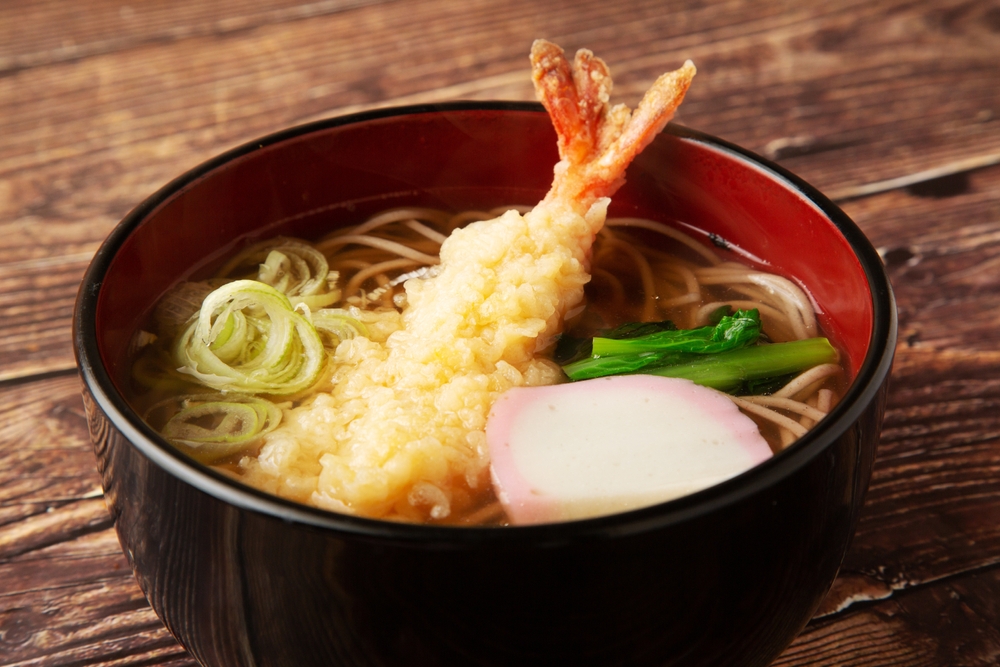
apan has reached a milestone that few countries have ever experienced. The number of people aged 100 or older has crossed the 100,000 mark for the first time, revealing a population where reaching a century of life is becoming increasingly common. The record-breaking figure has sparked fresh interest in the everyday habits, cultural traditions, and health choices that may help explain why so many Japanese citizens are living into their second century.
Contents
show
The country now has 107,677 centenarians, an increase of 7,914 from the previous year. Although there is no single food or lifestyle choice that guarantees a person will live to 100, experts have pointed toward several factors that appear repeatedly among Japan’s oldest residents, including balanced diets, regular activity, strong social ties, and improvements in healthcare.

Japan’s Centenarian Population Reaches A Record High
Japan’s population of people aged 100 and older has grown dramatically since official records began decades ago. In 1963, the country had only 153 centenarians, but that number steadily increased over the years, passing 1,000 in 1981 and reaching more than 10,000 by 1998. Today, the figure has climbed above 100,000, showing a major shift in how long many people are living.
The latest figures show that women make up nearly 88% of Japan’s centenarian population, continuing a long-standing pattern of women having longer average lifespans than men. Among the country’s oldest residents is Fuyo Kishimoto, a 114-year-old woman from Kyoto who was recently recognized as Japan’s oldest woman. The oldest man is Hikaru Kato from Kumamoto, who is 112 years old.
The milestone was recognized during Japan’s annual Respect the Aged Day, a national event that celebrates older citizens. Centenarians who remain active and healthy receive recognition from the government, including a letter and a silver sake cup as symbols of appreciation for their long lives.
The rise in centenarians comes as Japan faces a complicated population challenge. More people are living longer than ever, but the country is also experiencing declining birth rates and a shrinking younger population, creating new questions about how societies can support longer lifespans.
The Lifestyle Patterns Found Among Japan’s Longest-Living People
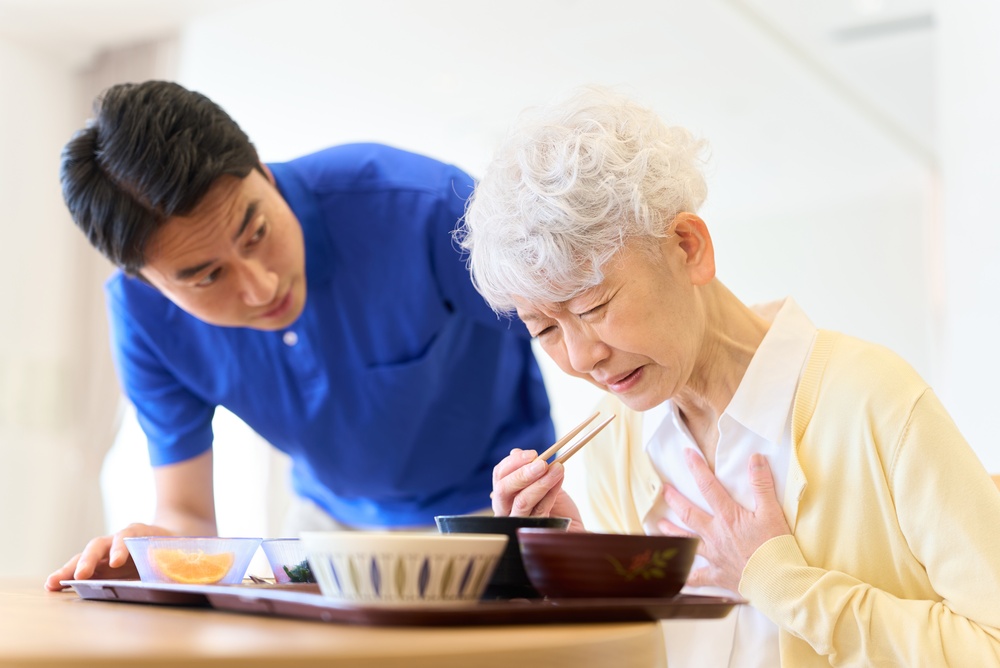
Researchers studying longevity often look beyond one specific habit and examine the complete lifestyle of people who reach advanced ages. Japan’s oldest residents often share routines that involve staying physically active, eating traditional foods, maintaining relationships, and continuing to have a role in their communities.
Health officials have highlighted medical improvements, healthy lifestyles, and diet as important contributors to Japan’s longer lifespans. Better healthcare has helped people manage diseases that once shortened lives, while daily habits may help many older adults maintain independence and quality of life.
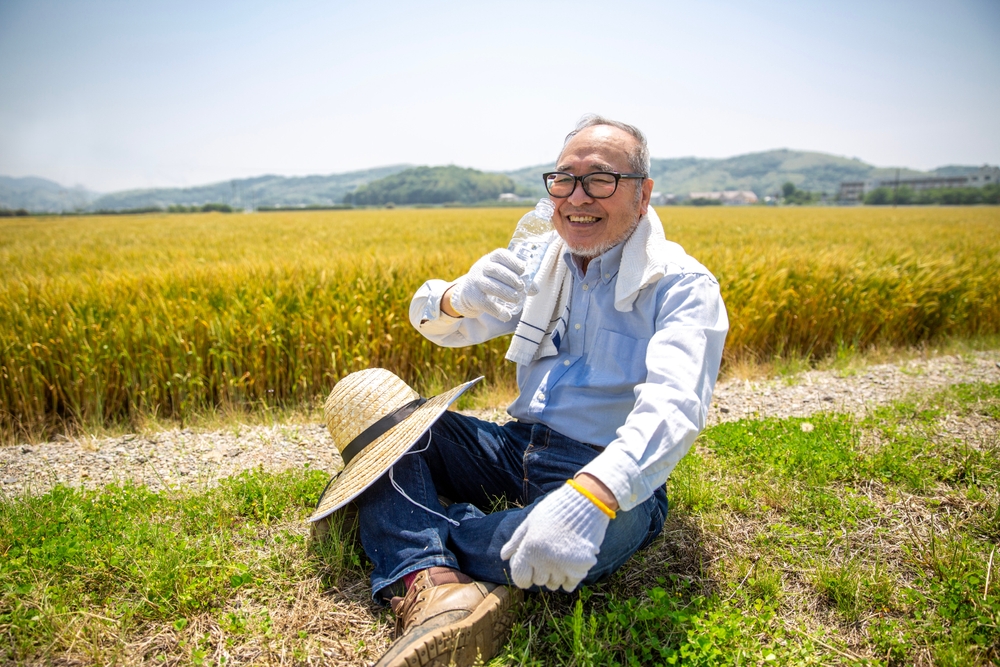
Unlike exercise routines built around intense workouts, many elderly Japanese people stay active through ordinary movement. Walking, gardening, household tasks, and community involvement can provide consistent physical activity without requiring demanding training programs.
Several common habits often associated with Japan’s long-lived population include:
- Eating a varied diet: Traditional meals often include vegetables, seafood, rice, soy products, and fermented foods that provide a wide range of nutrients.
- Staying physically active: Many older adults continue walking and completing daily tasks that keep them moving.
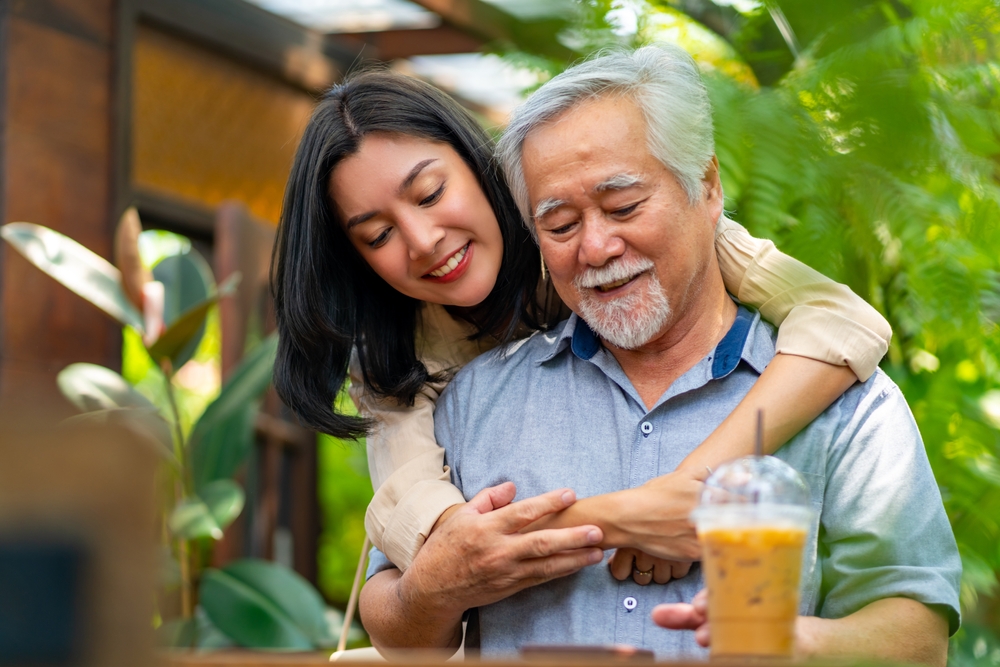
- Maintaining relationships: Social connections with family, friends, and communities remain an important part of daily life.
- Keeping a purpose: Many elderly people continue hobbies, responsibilities, or activities that give structure to their days.
Why Japan’s Traditional Diet Gets So Much Attention
Food is one of the most studied parts of Japan’s longevity story. Traditional Japanese meals often focus on fresh ingredients, moderate portions, and a balance of different foods rather than relying heavily on processed options.
Many common Japanese foods, including fish, vegetables, seaweed, tofu, and fermented products, have attracted attention from researchers examining the relationship between nutrition and healthy aging. These foods are often included in studies looking at how eating patterns may influence long-term health.
However, the idea of a single “secret ingredient” behind Japan’s long lives does not match what researchers have found. Reaching 100 years old is influenced by a mixture of genetics, environment, healthcare, personal habits, and circumstances that develop over many decades.
The eating habits seen among many Japanese centenarians show how small decisions repeated over a lifetime can become part of a larger health pattern. A person’s daily routine may matter more than any single item they consume.
Japan’s Aging Population Creates A Major Challenge
The record number of centenarians highlights both the achievements and difficulties of Japan’s changing population. While more citizens are enjoying longer lives, the country is also dealing with fewer births and a growing percentage of older residents.
During Japan’s 2020 census, almost 30% of the population was already aged 65 or older. Future estimates suggest that older adults will represent an even larger share of the population, creating additional pressure on healthcare systems, pensions, and social services.
Government officials have emphasized the importance of maintaining systems that can support an aging society. The challenge is not only helping people live longer but also ensuring that older citizens can continue living active and meaningful lives.
Japan’s experience offers a glimpse into the future faced by many countries. As life expectancy rises around the world, societies will increasingly need to rethink how they support generations that are living longer than previous generations.

Scientists Continue Searching For The Secrets Of Healthy Aging
The growing number of Japanese centenarians gives researchers a unique group to study. Scientists continue examining factors such as genetics, nutrition, physical activity, mental health, and social connections to understand why some people remain healthy well into old age.
The lives of Japan’s oldest residents show that longevity is rarely connected to one dramatic change. Instead, it often develops through years of repeated habits that support physical health, emotional well-being, and social connection.

There is still much researchers do not know about aging, and no lifestyle can guarantee reaching 100 years old. However, Japan’s centenarians continue to provide valuable insight into how everyday choices may influence the way people age.
Living for a century may seem extraordinary, but Japan’s oldest citizens show that long life is often shaped by ordinary moments repeated over thousands of days.
aging gracefully, aging population, centenarians, elderly population, Healthy Aging, healthy lifestyle, human interest story, Japan culture, Japan health habits, Japan longevity, Japanese diet, life expectancy, long life, longevity research, longevity secrets, people living to 100, traditional Japanese lifestyle, viral news, wellness