
Your cart is currently empty!
The Secret Algorithm That Cut Caregiving Support For Disabled People

A computer system designed to make healthcare decisions more efficient ended up becoming the center of a growing fight over who gets help and who does not. For hundreds of disabled people in Nebraska, a change in how Medicaid support was calculated meant fewer caregiving hours and growing uncertainty about their futures.
Contents
show
The technology behind the decisions was meant to create a consistent way of measuring people’s needs. Instead, families say the system failed to capture the realities of caring for people with significant disabilities, leaving them struggling to understand why essential support was reduced.

Families Were Shocked By Sudden Caregiving Cuts
For families who rely on Medicaid-funded home care, caregiving support is not simply financial assistance. It can determine whether a disabled person can continue living safely at home with familiar caregivers or face major disruptions to their daily routine.
In Nebraska, families of people with developmental disabilities raised concerns after reassessments using the interRAI system resulted in major reductions in available support. The changes affected hundreds of individuals who depended on those hours for everyday care, supervision, and assistance.
Susan Browne, whose two adult sons have profound autism, said the cuts threatened the care system her family had spent years building. Like many other families, she worried that fewer approved caregiving hours would place additional pressure on relatives and disrupt the stability her sons depended on.
The controversy quickly grew because many families felt they had little understanding of how the new decisions were reached. They were given outcomes, but many said the process behind those outcomes remained unclear.

How The interRAI System Makes Decisions
The interRAI system is a computerized assessment tool designed to collect information about a person’s health, abilities, and daily care needs. The information gathered during assessments can influence decisions about how much support someone receives through long-term care programs.
Supporters of standardized assessments argue that technology can help governments create more consistent evaluations. Instead of relying only on individual opinions, these systems use structured questions and scoring methods to compare care needs.
However, disability advocates have raised concerns about what happens when a computer-generated score affects access to vital services. A person’s needs can be complex, and families argue that certain challenges are difficult to measure through a standardized questionnaire.
For people with disabilities, small differences in how questions are answered or interpreted can have major consequences. A lower assessment score may translate into fewer funded caregiving hours, even when families believe the person’s actual needs have not changed.

Why Families Question The Algorithm’s Accuracy
The biggest concern raised by affected families is that the assessment process does not always reflect the full reality of a person’s life. Disability needs are often personal and unpredictable, involving communication challenges, behavioral support, medical routines, and constant supervision.
Families involved in the Nebraska cuts said some assessments did not accurately represent the level of assistance their loved ones required. They argued that a short evaluation could not fully capture the daily responsibilities handled by caregivers.
Some of the concerns surrounding the system include:
- Limited transparency: Families said they struggled to understand how scores were calculated and why support levels changed.
- Possible assessment mistakes: Some caregivers believed important details about their relatives’ conditions were overlooked.
- Major financial impact: Reduced support meant families faced difficult decisions about care arrangements.
- Pressure on unpaid caregivers: Relatives often had to consider taking on more responsibilities themselves.
The debate highlights a larger question about automated decision-making: when technology affects essential services, people want clear explanations and meaningful ways to challenge decisions.
The Human Cost Behind Medicaid Care Reductions
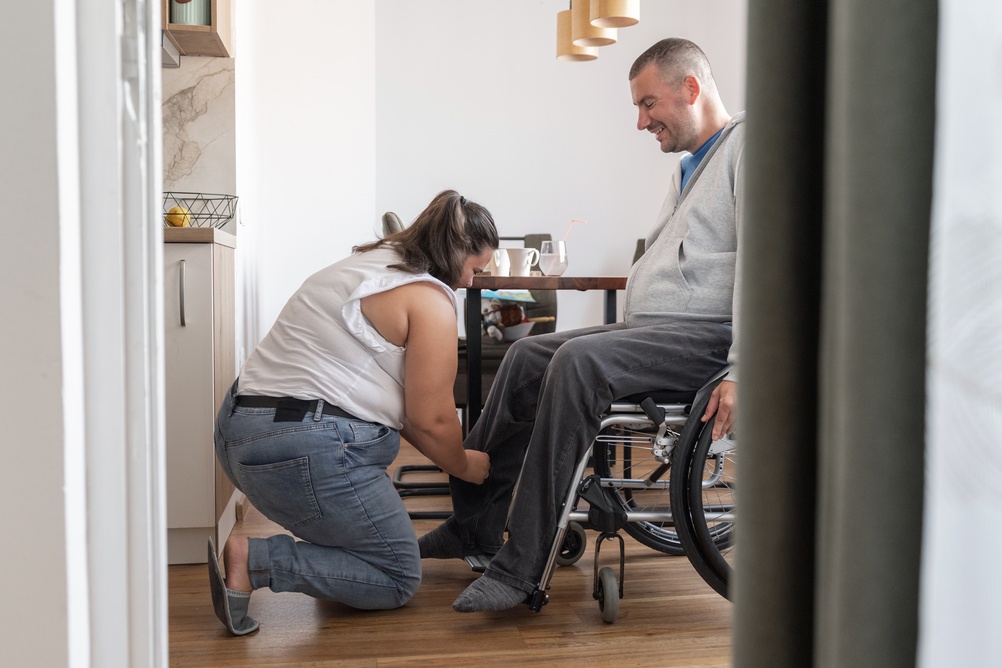
Medicaid home and community-based services allow many disabled people to receive assistance while remaining in their homes and communities. These programs can cover personal care, daily activities, transportation support, and supervision.
For families, those services often create a balance between professional caregiving and family involvement. Without enough funded hours, relatives may have to reduce work schedules, provide more unpaid care, or consider alternatives that they believe are less suitable.
The impact can extend beyond the person receiving services. Caregivers frequently organize their lives around medical appointments, routines, safety concerns, and daily support needs. A reduction in assistance can affect entire households.
Families affected by the Nebraska changes say the issue is about more than a funding formula. They believe decisions about disability care require a deeper understanding of individual circumstances rather than relying heavily on a single assessment score.
Nebraska Defends The Move Toward Standardized Assessments
Officials have defended the use of standardized assessment methods, arguing that they are designed to create a fairer and more consistent approach to determining care needs. The goal is to reduce differences in how services are evaluated across the system.
The challenge is finding the balance between consistency and personalization. A standardized tool can provide structure, but families argue that human review remains necessary when decisions affect someone’s ability to receive daily support.
The controversy has also raised broader concerns about the growing use of algorithms in government programs. From healthcare decisions to public benefits, automated systems are increasingly being used to organize information and guide choices.
Critics say these systems require strong oversight because efficiency alone cannot replace accountability. When technology influences access to essential resources, people affected by those decisions want to know how the process works.

The Fight Over Algorithm Transparency Is Growing
The Nebraska situation reflects a wider debate about the role of technology in public services. Governments are increasingly turning to digital tools because they can process large amounts of information quickly and consistently.
But cases involving healthcare and disability services show why transparency matters. A decision that appears simple on a computer screen can have major consequences in someone’s daily life.
Families are calling for clearer explanations, stronger review processes, and more opportunities for human involvement before major changes are made to care support.
As automated systems become more common, the question is no longer only whether technology can make decisions faster. It is whether those decisions can be trusted by the people whose lives they affect.
The Future Of Disability Care May Depend On Human Oversight
The debate surrounding Nebraska’s Medicaid assessments has placed a spotlight on a difficult challenge: using technology without losing sight of individual needs.
For families caring for disabled loved ones, every hour of support represents time, safety, and stability. The systems created to manage care must be measured not only by efficiency but by how well they serve the people depending on them.
A computer can calculate a score, but families argue that understanding a person’s life requires something technology cannot measure alone: human attention.