
Your cart is currently empty!
Earth Has Lost 12 Trillion Tons Of Ice In 47 Years, And Scientists Say The Melt Is Speeding Up
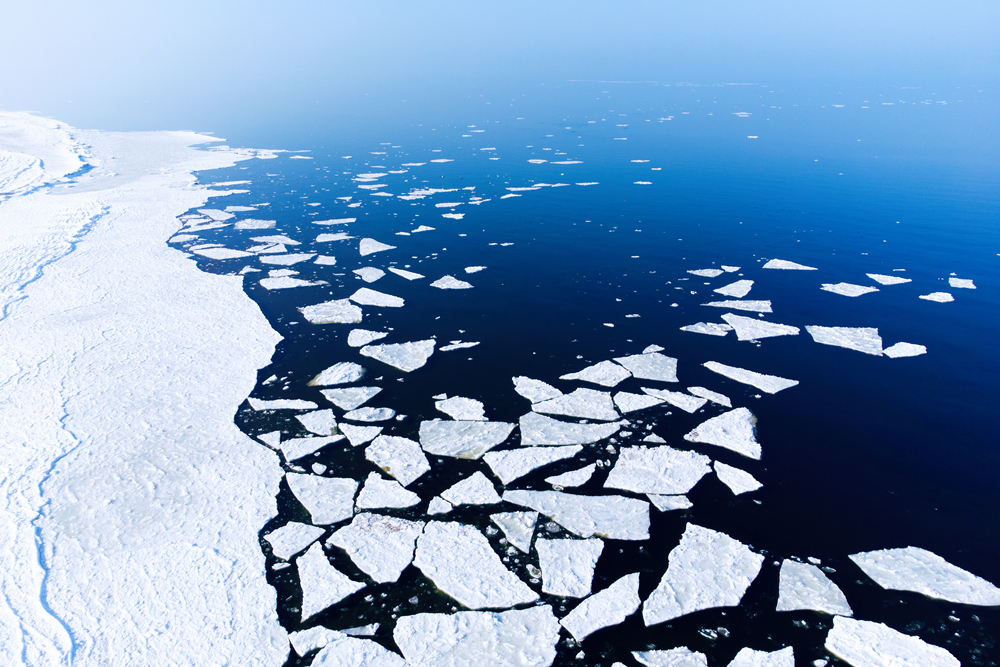
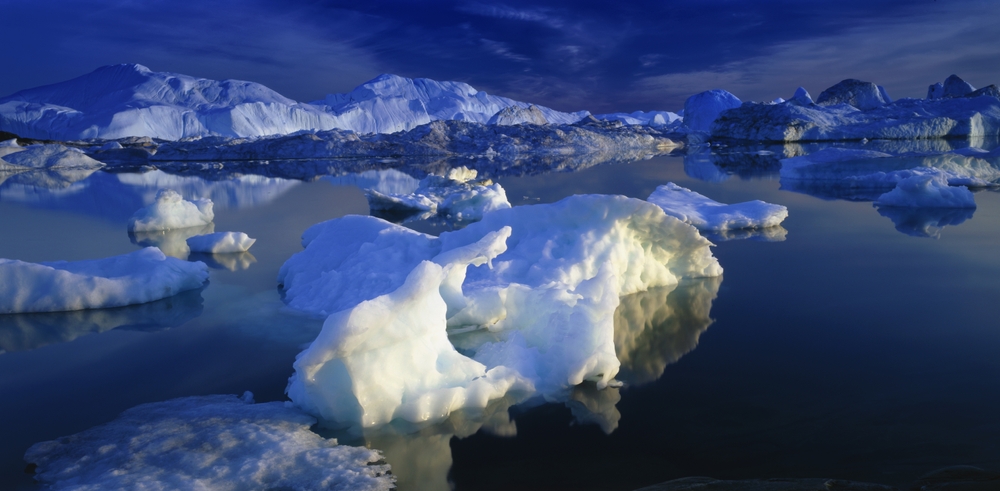
A staggering amount of ice has vanished from Earth’s polar regions, and the numbers are far larger than most people can imagine. Scientists have calculated that Greenland and Antarctica have lost around 12.5 trillion tons of ice since 1979, creating enough melted water to cover the entire continental United States with a layer of ice several feet deep.
Contents
show
The loss is not happening at a steady pace. Researchers found that the planet’s two largest ice sheets were relatively stable decades ago, but the rate of melting increased sharply in recent years. Much of the damage is being driven by warmer ocean water attacking glaciers from underneath and along their edges, causing more ice to flow into the seas.
Scientists Reveal The Scale Of Earth’s Ice Loss
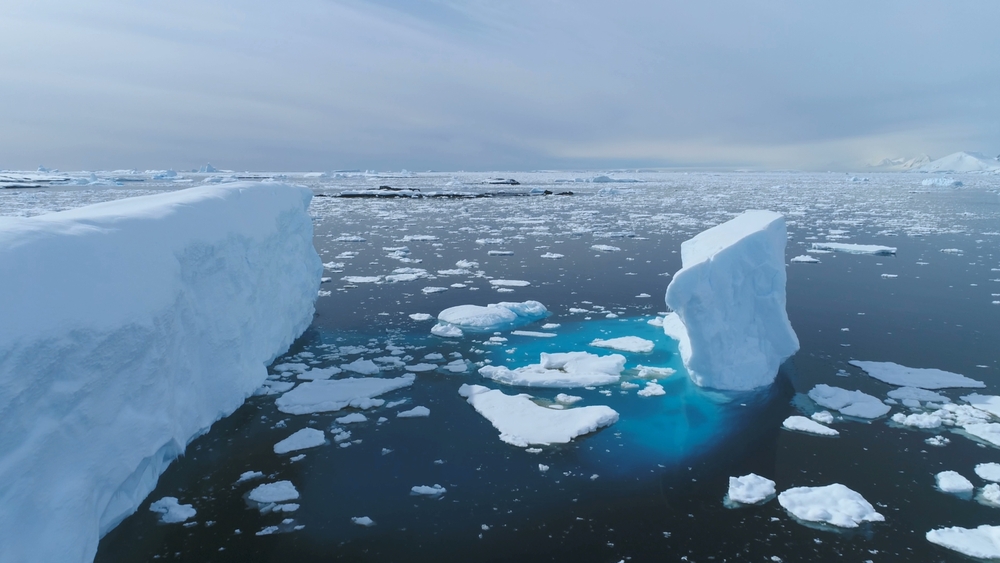
The massive ice loss was tracked through decades of satellite observations, allowing researchers to measure how Greenland and Antarctica have changed over time. The findings show that the polar regions have been losing ice at an accelerating rate, with the biggest increases happening during the 2010s.
The melted ice has produced nearly 3 quadrillion gallons of water, enough to raise global sea levels by about an inch since 1979. While an inch may seem small, scientists warn that even small changes in ocean levels can create major consequences for coastal communities around the world.
Ice scientist Eric Rignot from the University of California, Irvine, said the changes happening in the polar regions are moving quickly.
“The ice sheets are melting away fast,” Rignot said. “We are melting the polar regions, sea level is rising worldwide and will exacerbate the vulnerability of coastal regions.”
The research combined information from multiple satellite missions to build one of the longest records of ice sheet changes ever created. Scientists were able to examine Antarctic ice loss back to 1979 and Greenland’s changes over several decades.
Warmer Oceans Are Eating Away At Giant Ice Sheets
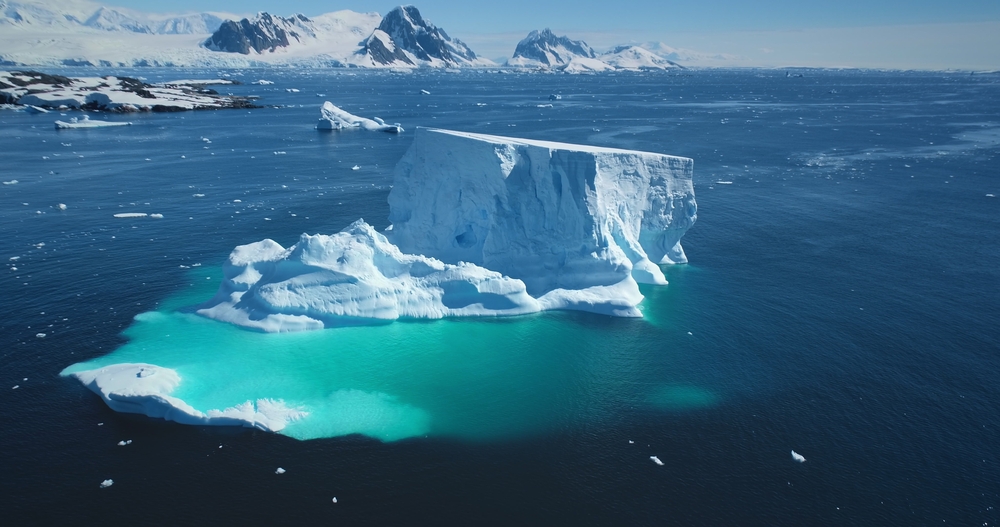
The biggest surprise from the research was where much of the melting is coming from. Scientists found that around five-sixths of the ice loss is linked to warmer ocean water reaching glaciers and attacking them from below and from the sides.
For years, many people imagined melting ice as a simple result of hotter air temperatures. However, the study shows that the oceans are playing a major role by weakening glaciers and allowing more ice to break away into the sea.
Glaciers Are Retreating At A Faster Rate
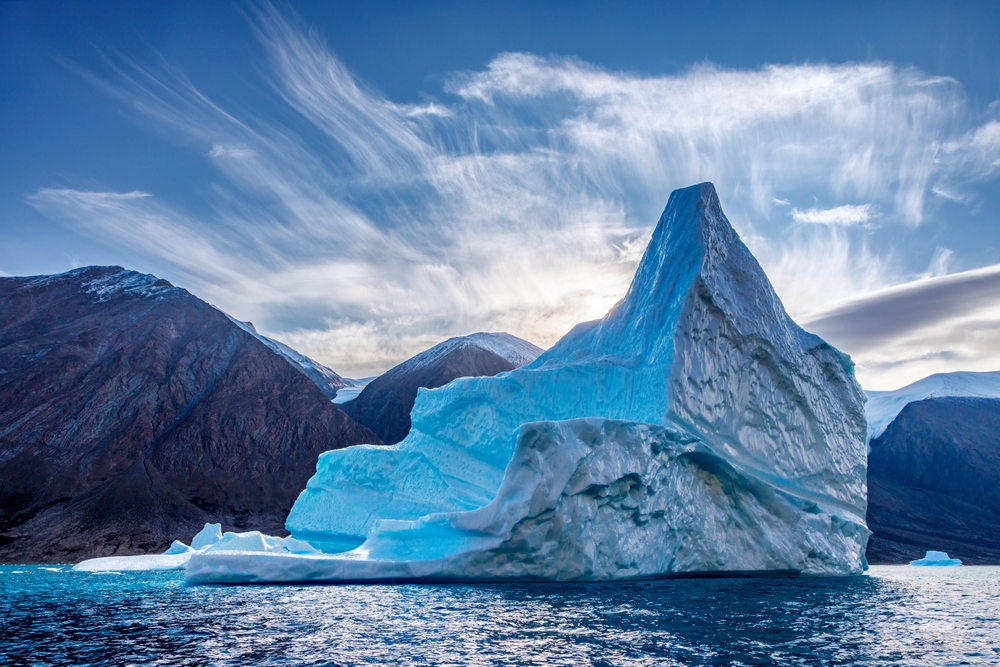
Greenland’s glaciers have become some of the clearest examples of this rapid change. The Jakobshavn glacier, one of Greenland’s most well-known glaciers, is now retreating at a rate of up to 164 feet per day.
When glaciers retreat, they release more ice into the ocean. This process creates a cycle where shrinking ice sheets can contribute to rising seas while also losing some of their ability to reflect sunlight away from Earth.
The changes are especially concerning because Greenland and Antarctica hold enough frozen water to dramatically affect future sea levels if large-scale melting continues.
Sea Level Rise Could Affect Millions Of People
The melted polar ice has already contributed to rising oceans, but scientists are focused on what could happen if the trend continues. Coastal areas are particularly vulnerable because even small increases in sea levels can make flooding events more frequent.
Lead study author Ines Otosaka, an ice scientist at Northumbria University, explained that every third of an inch of sea level rise can expose millions more people to regular flooding.
The researchers estimate that between 2 million and 3 million people could experience flooding at least once each year for every third of an inch the oceans rise.
Some of the world’s largest cities and communities are located near coastlines, making long-term changes in sea levels a major concern for governments, planners, and residents.
The impact is not limited to future predictions. Rising seas are already changing how many coastal regions prepare for storms, erosion, and flooding.
The Ice Loss Has Accelerated Over Recent Decades
The timeline of the melting shows a clear pattern. During the 1970s, 1980s, and early 1990s, Greenland and Antarctica were relatively stable compared with today.
The major acceleration began later, especially during the 2010s, when scientists recorded much larger losses of ice flowing into the oceans.
Otosaka said the trend shows that the ice sheets are losing more mass with each passing decade.
“There is a clear trend that the ice sheets are losing more mass and it has been increasing from decade to decade, especially if you look at the ice being discharged to the ocean,” Otosaka said.
The study connects the acceleration to climate change, with rising temperatures affecting both the atmosphere and the oceans surrounding the polar regions.
Scientists continue to monitor these changes because the future pace of ice loss will influence how quickly sea levels rise worldwide.
Satellites Are Changing How Scientists Watch Earth
The ability to track decades of ice loss has only become possible through advances in satellite technology. Researchers used observations from international space missions to measure changes that would be impossible to monitor from the ground alone.
The satellite data allowed scientists to compare ice sheet conditions across nearly half a century, revealing patterns that were hidden when only shorter records were available.
The research team expanded earlier observations by adding data from NASA satellites, creating a more complete picture of how Greenland and Antarctica have changed since the late 20th century.
The measurements help scientists understand where ice is disappearing, how quickly it is happening, and which areas may become more vulnerable in the future.
A few decades ago, the scale of these changes would have been much harder to detect. Today, satellites provide a constant view of a planet undergoing major environmental shifts.
What The Numbers Mean For The Future Of The Planet
The loss of 12.5 trillion tons of ice represents one of the clearest measurements of how Earth’s climate system is changing. The numbers show that polar regions are responding to warming conditions faster than many earlier estimates suggested.
Scientists will continue studying how ocean temperatures, atmospheric warming, and glacier movement interact. The biggest unanswered question is how quickly future ice loss will happen and how coastal communities will adapt.
The disappearing ice is not just a story about distant frozen landscapes. It is a measurement of changes happening across the entire planet, with consequences reaching far beyond Greenland and Antarctica.
The satellites have captured a warning written in numbers: Earth’s largest frozen reserves are shrinking, and the pace of change is increasing.