
Your cart is currently empty!
Nearly 4 Million Enslaved People’s Records Can Now Be Searched Online
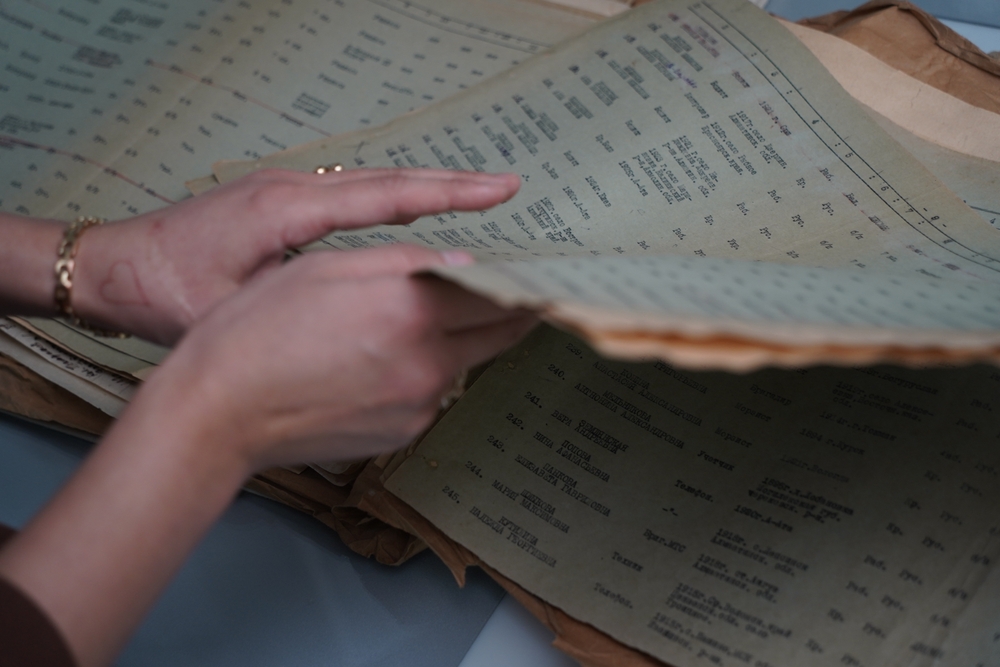
Millions of people tracing their family histories have just gained access to an extraordinary archive that was once difficult to search. Nearly 4 million records documenting enslaved people across 20 former British colonies have been digitized and indexed, allowing descendants to search names and family details that have remained buried in historical registers for generations.
Contents
show
The collection contains around 300,000 pages covering the period from 1813 to 1840, with records from places including Jamaica, Barbados, the Bahamas, Mauritius, Trinidad and the Cape of Good Hope in South Africa. For descendants across the African diaspora, the searchable archive could provide crucial clues about ancestors whose names, ages, children, births and deaths were recorded during one of the darkest periods of British colonial history.
The Newly Searchable Archive Covers 20 Colonies
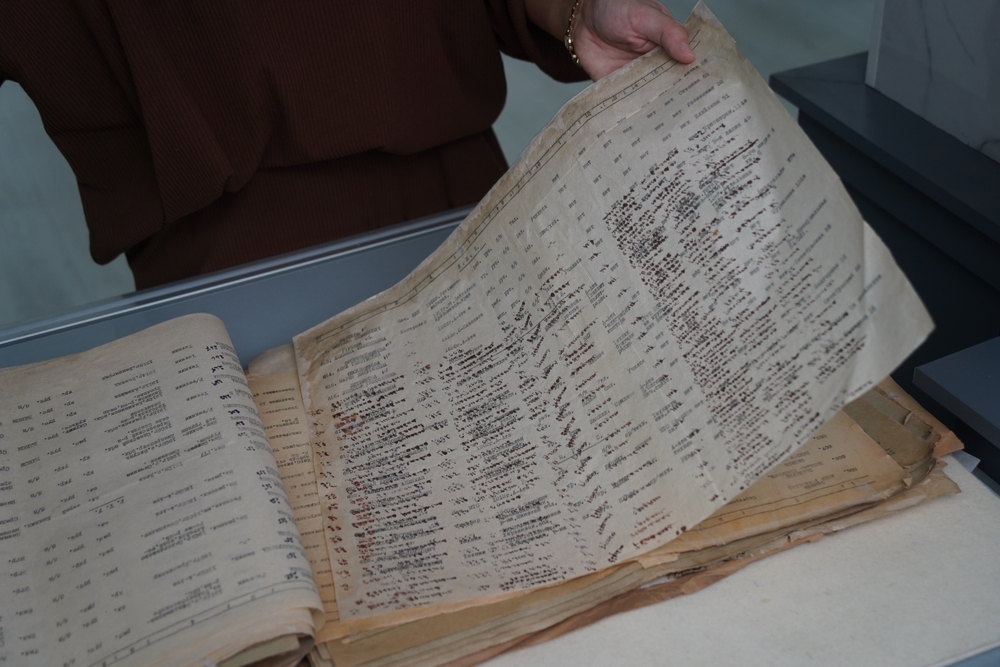
The collection is known as the Former British Colonies Enslavement Registers and was digitized and indexed by Ancestry in partnership with the Centre for the Study of the Legacies of British Slavery at University College London. The records were created by British authorities after the transatlantic slave trade was abolished in 1807, although slavery itself continued in British colonies for decades afterward.
The registers were designed as administrative documents. Authorities used them to monitor enslaved populations and help prevent the illegal trading of enslaved people, meaning the original purpose was to track human beings within a system that treated them as property. Today, descendants can use those same records to search for information about the individuals behind the entries.
The archive contains records from 20 former British colonial dependencies, creating a large interconnected resource for genealogists. Instead of beginning with thousands of pages stored in physical archives, researchers can now enter a name and search digitally, potentially opening a path toward family members and generations that were previously difficult to identify.
The Records Contain Remarkably Personal Details
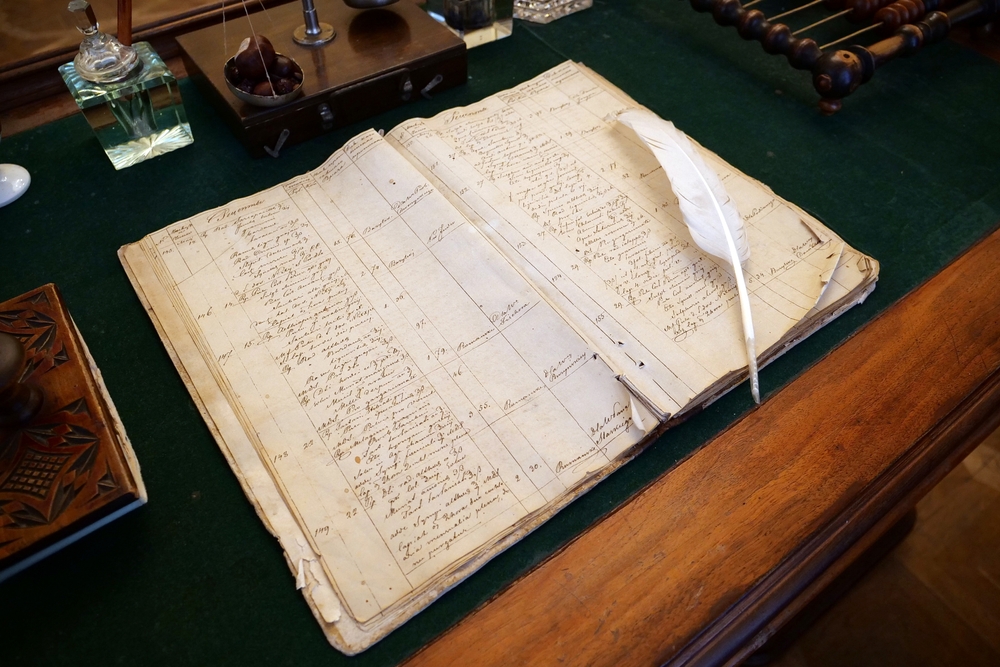
The registers contain far more than simple lists of names. Depending on the individual record, researchers can find ages, physical descriptions, family connections, births, deaths and transfers of ownership. Some entries also distinguish whether an enslaved person was recorded as being born in Africa or in the Caribbean.
That information can be especially valuable when someone is trying to establish relationships between generations. A record identifying a mother and child, for example, can provide a crucial connection for a family tree. Other entries contain older and newer names, which may give researchers another possible route for tracing an ancestor backward through historical records.
Nicka Sewell-Smith, a professional genealogist and senior story producer at Ancestry, described the possibilities of the archive through her own research. “You can pinpoint an exact birthday for an enslaved baby,” she said, showing just how specific some of the surviving information can be.
What Researchers Can Find
The collection can contain several categories of information that may help descendants piece together family histories:
- Names: Records can include names used for enslaved people, with some entries containing both newer and older names.
- Ages: Ages were generally recorded as estimates, although children born on an estate could have more precise information.
- Family connections: Some Jamaican records identified mothers, providing evidence of parent-child relationships.
- Origins: Certain entries recorded whether a person was described as African or Creole.
- Life events: Births, deaths and transfers of ownership can appear in the records.
The Original Purpose Of The Records Was Very Different
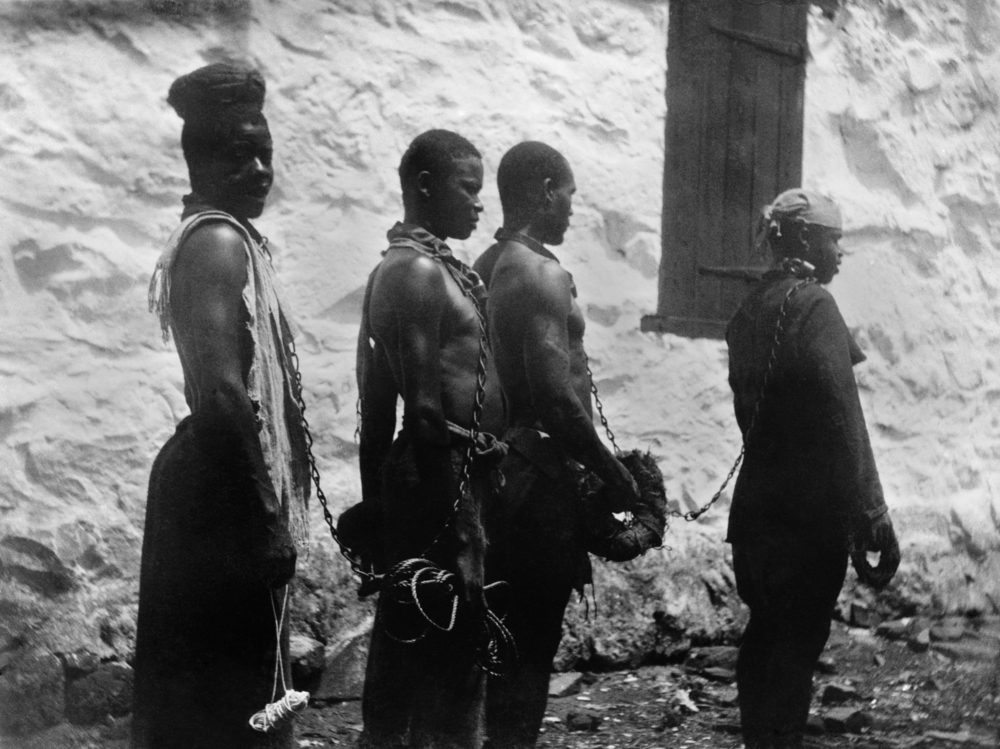
The registers were created as part of Britain’s system for monitoring enslaved populations after the abolition of the transatlantic slave trade in 1807. They were administrative documents intended to regulate the system and prevent illegal trading, rather than preserve family histories for future generations.
That history gives the modern use of the collection an unusual dimension. Sewell-Smith noted that descendants are now using records created for one purpose to accomplish something fundamentally different: finding the people behind the historical entries and rebuilding connections between generations.
“When I use these records to unearth my enslaved ancestors, I’m using them for a purpose that was different than what it was initially intended for,” Sewell-Smith said. “Our product is restoring the humanity of a person.”
The documents can therefore provide details about individuals who might otherwise appear only as statistics in accounts of slavery. Seeing a name alongside an age, a parent or a child can turn an abstract historical record into evidence of an individual life.
Historians Are Using The Data To Trace Families
Researchers at University College London have already begun testing the newly available data, including work focused on Jamaica. According to Professor Matthew J Smith, some families have been traced across six generations using the information contained in the records.
Smith described the registers as “the most systematic set of archival documents we have on enslavement in the British Caribbean and British colonial world”. The scale of the collection gives researchers an opportunity to study individual lives alongside the wider system that enslaved them.
“The biggest piece of the story of British slavery, and it’s also the most misunderstood piece, is the experience of the enslaved,” Smith said. The records can provide glimpses of family structures, movement, survival and resistance that are difficult to recover from broader historical accounts focused primarily on institutions and owners.
Millions Of Descendants Could Be Connected
The potential reach of the archive extends far beyond the Caribbean. The forced movement of enslaved Africans created communities across the wider African diaspora, meaning descendants of people recorded in the registers can now live in countries throughout the Caribbean, the United States, Latin America and elsewhere.
Sewell-Smith said the collection could help researchers make connections across those communities. “One of the things I’m very excited about is how much more interconnected it’s going to make those of us in the diaspora,” she said. “It almost makes the world smaller.”
The researchers also expect the collection to become more useful as descendants connect it with other archives. A single name may provide the starting point, while church records, later genealogical documents and other historical sources could help establish where that person’s family went and how later generations were connected.
Searching The Archive Could Change Family History Research
For many descendants, the biggest obstacle has not necessarily been a lack of historical records. It has been finding those records and knowing where to look. The digitization of almost 4 million entries removes part of that barrier by allowing people to begin their research with a simple name search rather than having to understand how physical archival collections are organized.
The work can still be difficult. Historical records contain inconsistent names, estimated ages and terminology created by the institutions that controlled enslaved populations. People were also forcibly moved, separated from relatives and sometimes recorded under different names, making connections between documents complicated.
Even with those limitations, the searchable collection creates opportunities that were previously much harder to access. Smith described the research process as painstaking but said the rewards could be substantial. “It opens up a whole new way for descendants of enslaved people in the Caribbean, across the African diaspora, to understand how their heritage came to the Caribbean and survived slavery,” he said.
The Records Are Free To Search Online
The Former British Colonies Enslavement Registers are available to search online through Ancestry, with the collection accessible to anyone who creates an account. That means descendants can begin looking for names without first having to travel to an archive or know exactly which historical collection might contain their relatives.
The release also comes shortly after research identified as many as 10,500 people who invested in the trafficking of enslaved Africans over nearly 250 years. Together, these historical projects expose different sides of the same system, from the people and institutions involved in slavery to the individuals whose lives were documented within it.
For someone searching for an ancestor, the most important discovery may be only a name on an old page. That name could lead to a parent, a child, a birthplace or another generation, turning a fragmented family history into something that can finally be investigated.