
Your cart is currently empty!
The ‘Happy Hormones’ You’ve Been Chasing May Not Work The Way You Think
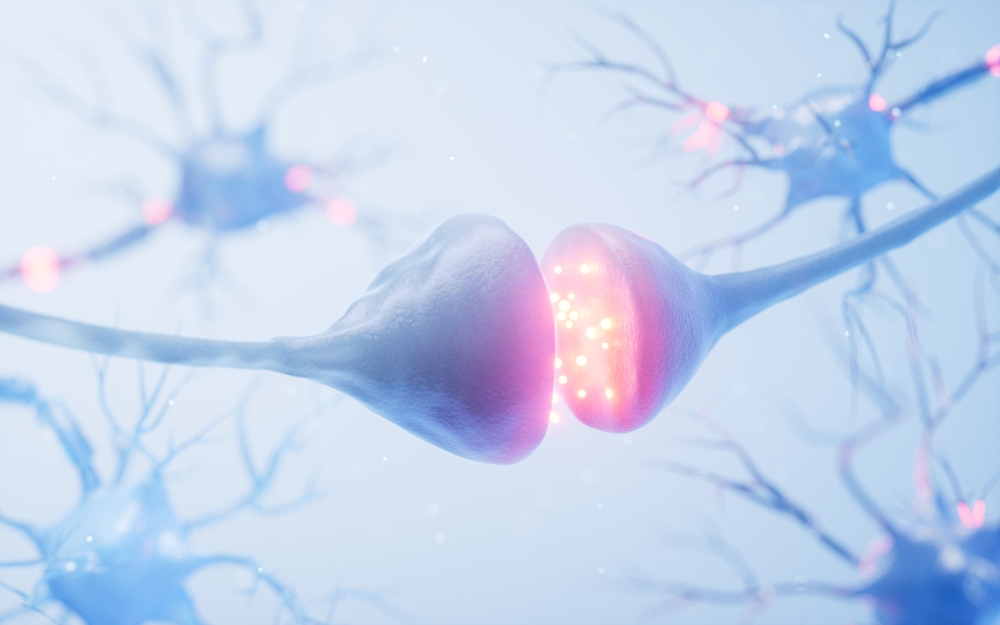
Forget expensive wellness protocols, extreme routines and complicated dopamine hacks. Some of the most reliable ways to influence the brain chemicals linked with mood are surprisingly ordinary, and the science behind them is far messier than social media often suggests. Dopamine, serotonin, oxytocin and endorphins have become the stars of the feel-good economy, with countless routines promising to manipulate them for better moods, sharper focus and greater motivation.
Contents
show
But once researchers start looking closely, some of the internet’s favorite claims begin to wobble. A famous dopamine statistic, for example, came from just eight experienced yoga practitioners, while newer research involving thousands of people gives a clearer picture of what actually helps. The good news is that some of the strongest evidence points toward habits most people can try without buying an expensive program or following an elaborate protocol.
The Four Chemicals Behind The ‘Feel-Good’ Label
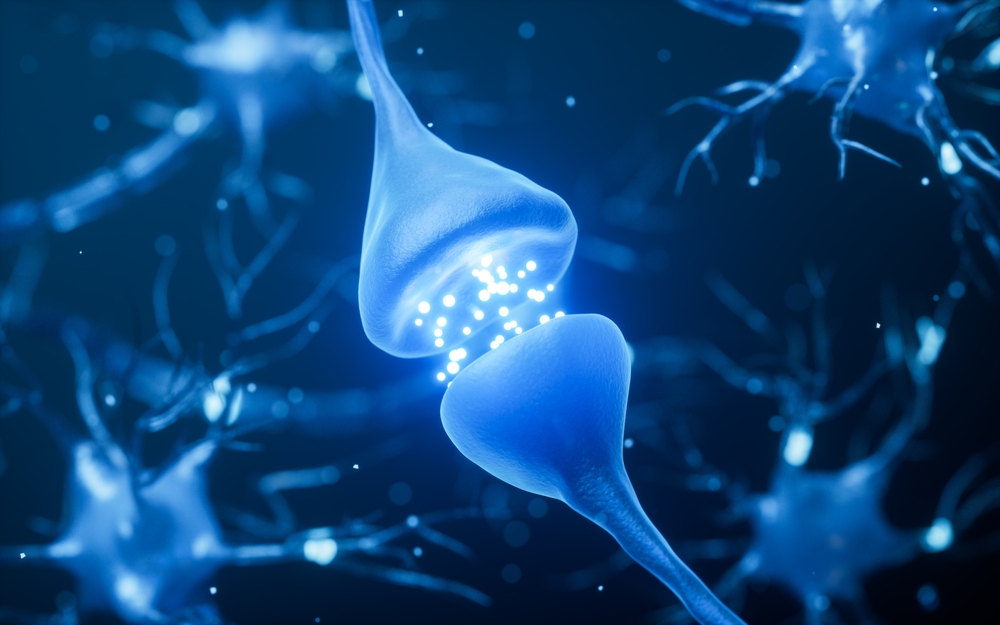
Dopamine, serotonin, oxytocin and endorphins are frequently lumped together as the “happy hormones.” The nickname is convenient, but it hides how differently these chemicals actually work inside the body. Some operate primarily as neurotransmitters, while others can also act as hormones in the bloodstream, and their effects depend heavily on where and how they are released.
Dopamine is strongly involved in the brain’s reward system and helps regulate pleasure, motivation and reinforcement. Serotonin is involved in mood, sleep, appetite and digestion, while endorphins act as natural pain-relieving chemicals that can be released during pain or stress. Oxytocin is linked with social bonding and other forms of human connection, although some of the popular claims surrounding it have proved much harder to reproduce.
That means none of these chemicals functions as a simple happiness switch. Raising one does not automatically create lasting happiness, and lowering another does not necessarily explain why someone feels bad. The biology is considerably more complicated than the catchy wellness language suggests, which makes the quality of the evidence especially important.
The Famous Dopamine Boost Came From Eight People
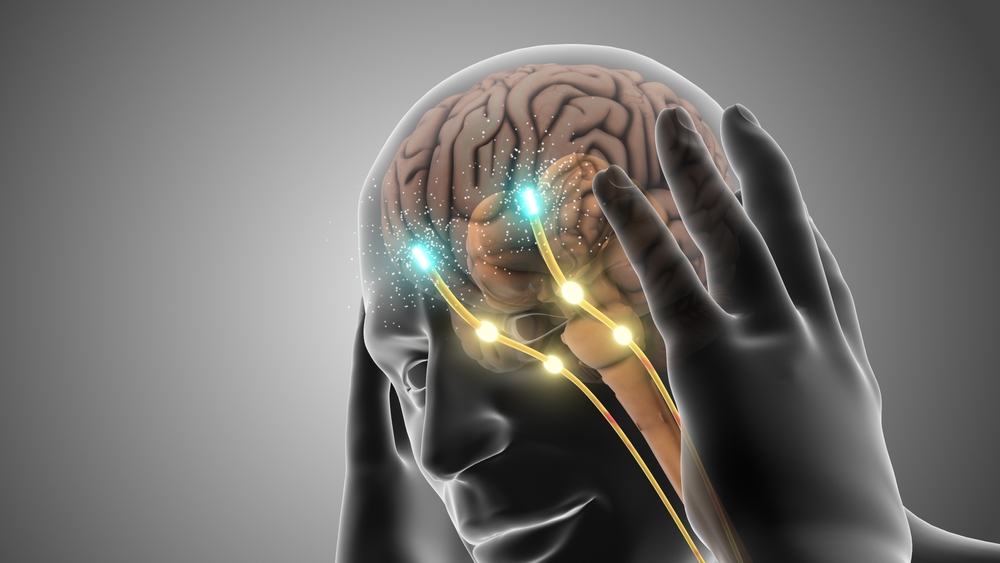
One of the internet’s most repeated claims says that meditation can increase dopamine by roughly 64%. The number sounds impressively precise, but the original experiment was remarkably small, involving just eight experienced practitioners of yoga nidra, a form of deep relaxation that is usually practiced while lying down.
Researchers observed a 7.9% reduction in radioactive tracer binding in part of the brain and used that change to calculate what they described as a “65% increase in endogenous dopamine release.” The researchers did not directly measure dopamine levels in the brain, however, and the result came from a very specific group performing one particular relaxation practice. The experiment also has not been repeated in a much larger group.
That does not automatically invalidate the original finding. It does mean the famous percentage deserves considerably more caution than the social-media version usually receives. A small experimental result can be interesting without becoming a universal rule about what happens inside everyone’s brain when they meditate.

Sunlight Has A Stronger Case For Serotonin
There is considerably more evidence behind one of the simplest mood-related habits: getting enough bright light. Researchers studying 101 healthy men measured serotonin turnover using blood collected from the internal jugular veins, giving them a way to examine biological changes that are much harder to capture through ordinary mood questionnaires.
The results found that serotonin turnover was lowest during winter. More strikingly, the rate at which the brain produced serotonin tracked with the number of hours of bright sunlight available during the day. That does not mean sunlight should be treated as a cure for depression, but it provides a biological reason that light exposure has received so much attention in mood research.
Bright light therapy has also been studied in people with depression. A meta-analysis covering 11 trials and 858 patients with nonseasonal depression found remission in 41% of people receiving bright light therapy compared with 23% in comparison treatments. The treatment typically involved around 30 minutes a day using a 10,000-lux light box, while ordinary morning daylight offers a much simpler version of the underlying idea.

Walking May Beat The Flashier Workout Claims
Exercise has one of the strongest overall cases when it comes to improving depression symptoms, but the research does not suggest that the most complicated workout wins. A 2024 analysis pooled 218 randomized trials involving 14,170 people and compared different forms of exercise to examine which approaches were associated with improvements in depression.
Walking or jogging produced the strongest result among the well-studied options, based on 51 trials involving 1,210 participants. Yoga followed, with strength training and tai chi or qigong also showing benefits. Dance produced a strong result too, but the evidence was based on only five trials involving 107 participants, most of whom were women with an average age of 31.
The researchers themselves warned that the small number of studies and participants made it difficult to recommend dance more strongly. The broader takeaway is more practical: an accessible activity such as walking can have meaningful evidence behind it without requiring expensive equipment, a gym membership or an elaborate training program. The simplest option may also be one people can continue doing long enough to see a benefit.

The Runner’s High May Not Be About Endorphins
For decades, endorphins have been credited with the euphoric feeling some people experience after running. But experiments involving drugs that block opioid receptors have complicated that explanation, suggesting that another biological system may be doing much of the work behind the familiar post-run feeling.
Researchers gave runners naltrexone, which blocks opioid receptors, and found that the characteristic effects of running still appeared. The volunteers experienced changes in mood, pain and anxiety despite the opioid system being blocked. That result raised questions about whether endorphins deserved all the credit they had received for the runner’s high.
Another experiment pointed toward a different group of chemicals called endocannabinoids. These are naturally produced signaling molecules that can cross into the brain more easily than endorphins. The runner’s high itself is real, and exercise can produce noticeable changes in mood and pain perception, but the chemical getting the credit may not be the one that researchers once assumed was responsible.
Human Touch Has A Surprisingly Strong Evidence Base
Hugs and physical affection have long been associated with better emotional wellbeing, but a major review gave the claim considerably more substance. Researchers analyzed 137 studies involving 12,966 people and found that receiving physical touch was associated with improvements in both mental and physical health, giving the subject a much broader evidence base than the usual viral claims about hugging suggest.

Touch was particularly useful for regulating cortisol, reducing pain and easing feelings of depression. The researchers also found that people already dealing with physical or mental health problems appeared to benefit more than healthy adults, which complicates the usual wellness narrative that focuses on optimizing people who are already feeling well.
There was another detail that stood out. For newborns, the person providing the touch appeared to matter, with parental touch producing stronger benefits than identical touch delivered by a care professional. That finding suggests the effects of physical contact may involve social and emotional context alongside the physical sensation itself.
Oxytocin Is Where The Simple Story Starts Falling Apart
Oxytocin has become one of the most heavily marketed chemicals in the feel-good conversation. Nasal oxytocin sprays were developed as a way to study whether increasing the hormone could influence trust, bonding and social behavior, creating a simple story that quickly became popular outside scientific research.
The problem is that the results have been inconsistent. Some findings have failed to replicate, and a 2021 trial found no evidence that nasal oxytocin improved people’s first impressions of a stranger. Researchers have increasingly had to confront the difficulty of turning a complex biological system into a straightforward claim about trust or happiness.
That does not mean oxytocin has no role in human behavior. It means the popular idea that more oxytocin automatically produces more trust or connection is far too neat for the evidence. The same caution applies elsewhere: foods rich in tyrosine provide a precursor involved in dopamine production, but evidence that eating more of these foods substantially changes brain dopamine in healthy people remains limited.
The Most Reliable Habits Are Almost Boring
Once the weaker claims are stripped away, the pattern becomes surprisingly straightforward. Bright light, regular movement, physical connection and adequate sleep all have biological reasons to take seriously, even though none should be treated as a guaranteed way to change someone’s mood. The strongest evidence does not point toward one magical chemical or one perfect daily routine.
For anyone looking for simple starting points, the evidence points toward habits such as:
- Get bright light: Spending time in bright morning light is a simple way to support healthy circadian rhythms and may influence serotonin-related processes. Bright light therapy has also been studied as an intervention for depression, although clinical treatment and ordinary outdoor light are not interchangeable.
- Walk regularly: Walking or jogging showed one of the strongest results among well-studied exercise options in the large 2024 analysis. It also has the practical advantage of being accessible to many people without specialized equipment.
- Stay physically connected: Touch was associated with improvements in mental and physical health across a large body of research. The benefits appeared especially notable among people already dealing with physical or mental health problems.
- Choose consistency: A routine you can repeat has a practical advantage over an elaborate protocol you abandon after a week. The research does not require every person to follow the same routine, so sustainability remains important.
There is also an important limit to the entire conversation. Researchers analyzing the exercise evidence found that only one of the 218 trials met Cochrane’s criteria for low risk of bias, meaning confidence in many individual comparisons remained limited. That does not erase the overall findings, but it is a useful reminder that a large number of studies does not automatically mean every conclusion inside them is equally strong.
Your Brain Does Not Need A Wellness Hack
The most useful part of this research may be how ordinary the strongest options look. There is no requirement for an extreme dopamine detox, a complicated supplement stack or a perfect morning routine. Some of the better-supported approaches involve things people have been doing for generations: getting daylight, moving around and maintaining physical contact with other people.
There are limits, too. Lifestyle habits can support wellbeing, but they should not be presented as replacements for medical treatment when someone is dealing with depression or another mental health condition. As the family medicine specialist quoted in the source material put it, “There’s no right way to boost any of these feel-good hormones.” The brain is complicated, but your daily routine does not have to be.
Sources:
- Watson, S. (2024, April 18). Feel-good hormones: How they affect your mind, mood, and body. Harvard Health. https://www.health.harvard.edu/mind-and-mood/feel-good-hormones-how-they-affect-your-mind-mood-and-body
- Davis, T., PhD. (2024, January 4). Learn more about dopamine, serotonin, oxytocin, and endorphins. Psychology Today. https://www.psychologytoday.com/us/blog/click-here-for-happiness/202312/hormones-that-boost-happiness