
Your cart is currently empty!
Archaeologists Found Something Buried Beneath Göbekli Tepe That Changes the Story of the Ancient Site
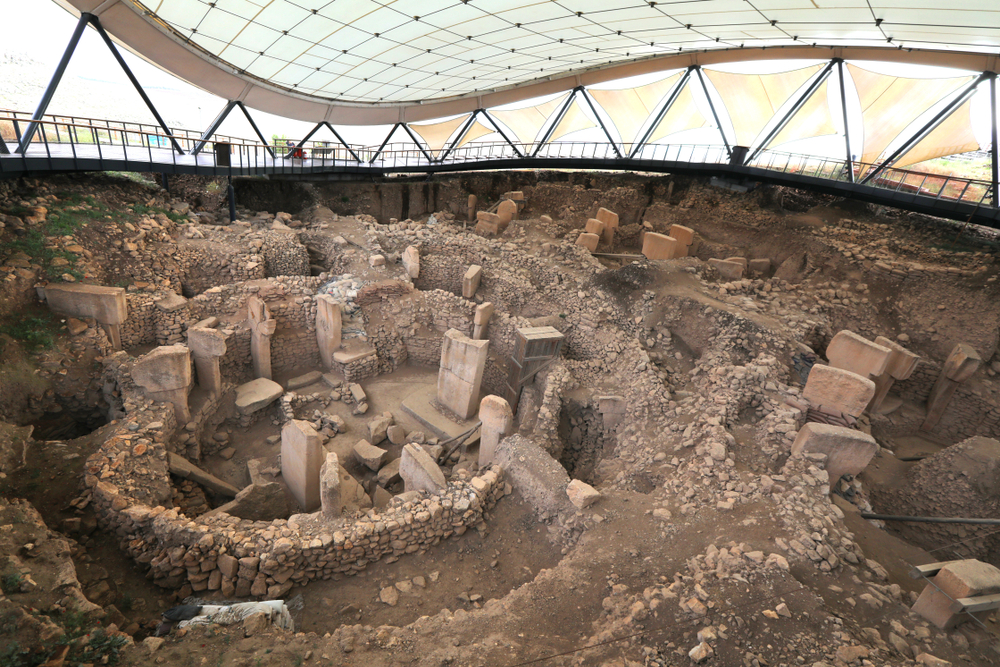
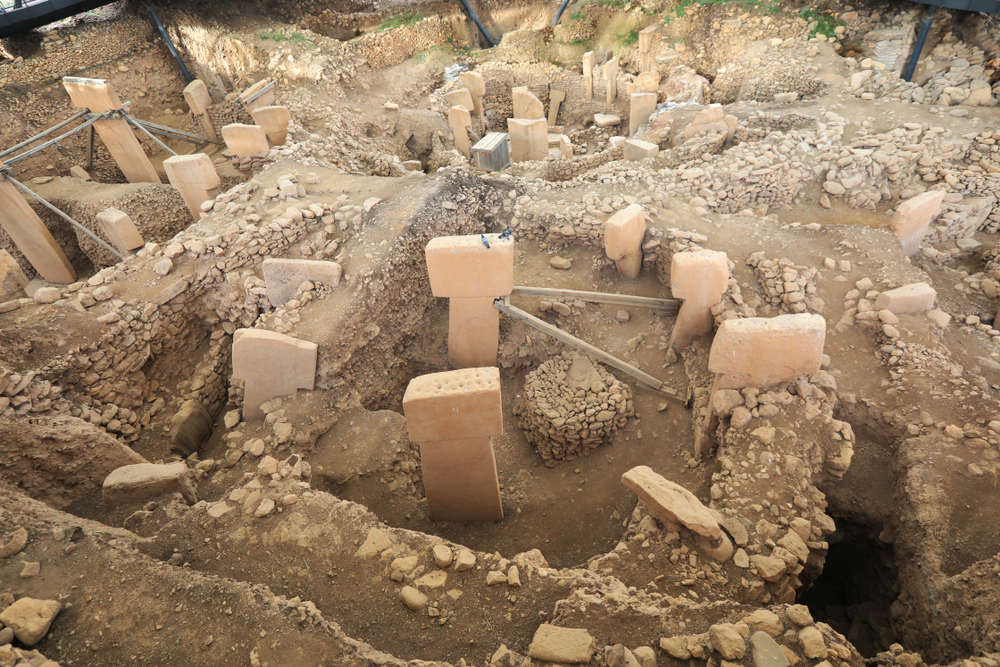
For decades, Göbekli Tepe has been presented as one of the strangest archaeological sites on Earth. Built more than 11,000 years ago, its enormous stone pillars and mysterious carvings helped create an enduring image of wandering hunter-gatherers gathering at a monumental ritual site before disappearing back into the landscape. Then archaeologists started finding something that did not fit neatly into that picture: people buried beneath the floors of buildings.
Contents
show
The discovery began almost by accident. During work at the site in southeastern Türkiye, archaeologists uncovered a kidney-shaped pit containing human remains beneath a plaster floor. A second burial was later identified nearby. Together, the graves contain evidence that people were not simply visiting Göbekli Tepe for ceremonies before moving on. They were also living there, burying their dead there and returning to the same spaces over generations.
A Grave Hidden Beneath a Stone Age Floor
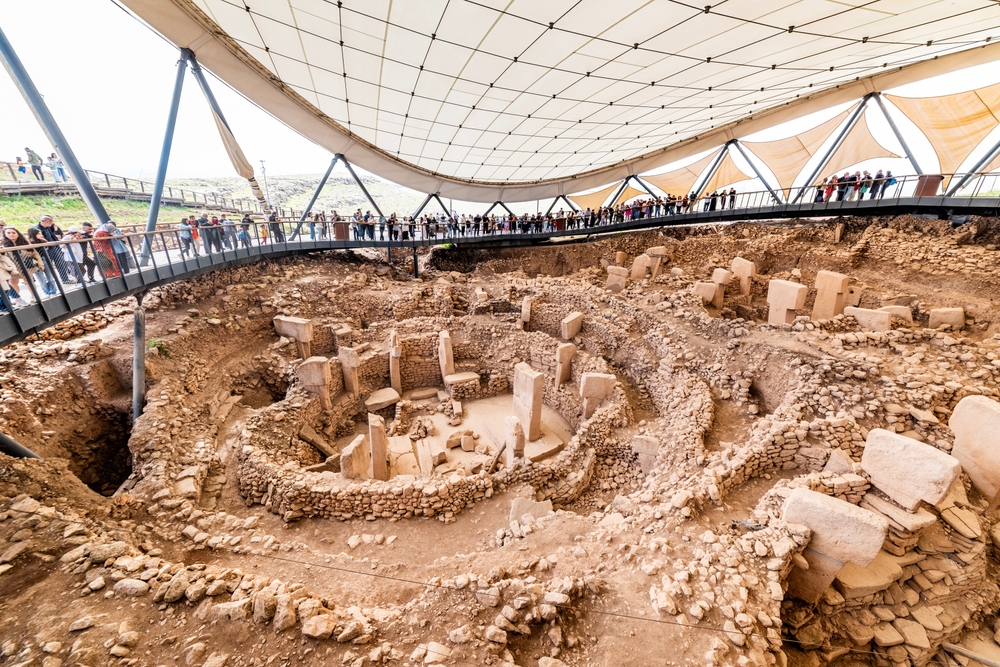
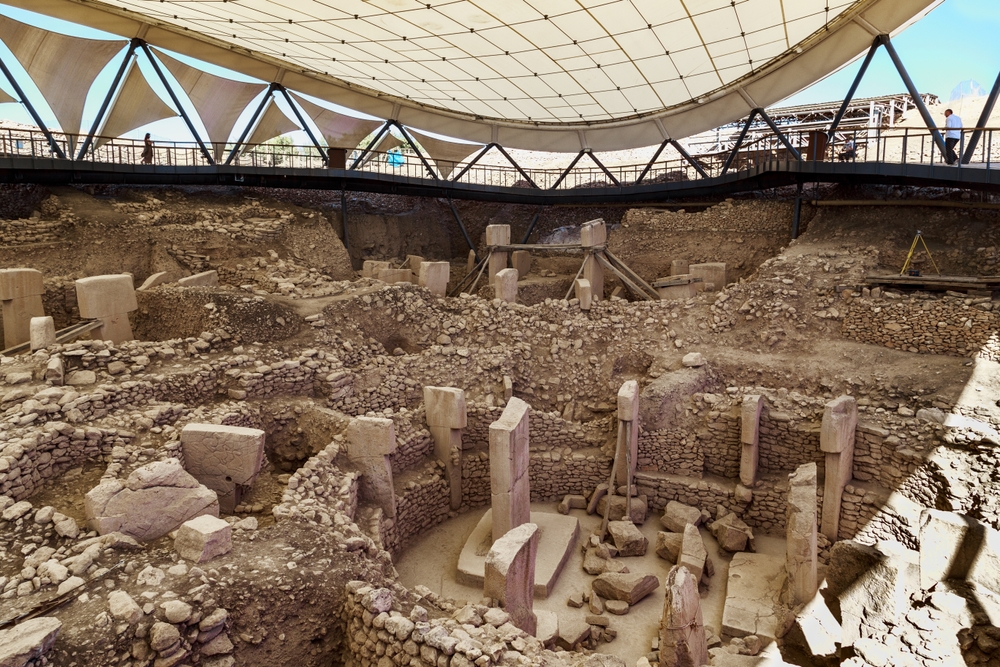
The first burial was discovered in a drainage trench known as DR1, where a pit had been cut directly through the plaster floor of a rectangular building. Another plaster floor existed underneath it, apparently belonging to an earlier phase of the same structure. The location was significant because the burial had not been placed in some isolated cemetery away from daily life. It was beneath a floor that people continued to use, suggesting that the dead remained physically connected to the spaces where the living carried on their lives.
Inside the kidney-shaped pit, the arrangement of the bones suggested that the grave had been reopened. Human skulls had been gathered toward the southeastern corner, while other bones were concentrated nearer the middle. Several long bones had been positioned along the western wall. That pattern points toward multiple episodes of burial rather than one person being placed there and forgotten. The space appears to have been used again after the first burial, with earlier remains moved aside to make room.
The burial dates to roughly 8,700 to 8,000 BCE, during the period archaeologists call the Pre-Pottery Neolithic B. That places it thousands of years before writing, metal tools or anything resembling a modern city. Yet the people who used this space had already developed practices for dealing with the dead that were tied closely to the buildings where they lived.
Three People Were Found Inside
The pit contained the remains of a woman aged 35 or older, a man who was approximately 20 to 30 years old and a girl between 11 and 14. Researchers also identified a fourth mature skull that may represent another individual, although they have been cautious about making that identification definitive. The remains therefore provide evidence of several people being associated with the same burial space.
What the researchers did not find is just as interesting. The bones showed no cut marks associated with deliberate defleshing, no evidence of burning and no visible traces of ochre application. The study states that “No cut marks, heat alterations, or traces of ochre application are visible on any of the bones.” That absence makes it harder to explain these particular burials as evidence of an elaborate ritual involving the treatment of bodies.
Instead, the evidence fits a practice already known from Neolithic communities across Anatolia and the Levant. People were sometimes buried beneath the floors of houses and other occupied structures. At Göbekli Tepe, the discovery suggests that the site may have had a more permanent domestic dimension than its famous monumental architecture once led archaeologists to assume.
Another Burial Was Found Nearby
The story becomes even more interesting because the first burial was not alone. A second burial had actually been discovered years earlier, in 2012, but it took another decade before the remains could be properly excavated and analyzed. The individual was a young woman estimated to have been between 20 and 30 years old, placed against the eastern wall of a small space west of the enclosure known as Special Building A.
Her burial was different from the first. There was no obvious pit cut into the floor. Instead, her body had been placed directly within the space, lying flexed on her left side and facing east. A layer of fist-sized stones supported the body. Archaeologists classify this as a primary burial because the skeleton remained in the position in which the individual was originally placed.
The contrast between the two graves shows that there was no single, rigid burial arrangement at Göbekli Tepe. One individual was placed in a dedicated pit that was apparently reused. Another was buried directly within a small space. Both, however, were associated with occupied areas of the settlement rather than an isolated burial ground.
The 928 Bone Fragments Were a Major Mystery
For years, the intact burials were missing from the archaeological picture. Instead, excavators had recovered hundreds of separate human bone fragments scattered through the deposits surrounding Göbekli Tepe’s monumental buildings. The total eventually reached 928 pieces, representing men, women and individuals of different ages. They were not arranged as complete skeletons, which raised an obvious question: why were human remains scattered throughout the site?
That question became even more complicated when researchers discovered deliberate grooves cut into several human skull fragments. The cuts ran along the midline of the skulls and appeared intentional. The discovery helped fuel the idea that Göbekli Tepe could have been associated with unusual practices involving human heads. The site was increasingly portrayed as a place where hunter-gatherers gathered for ceremonies involving the dead before leaving again.
The newly analyzed burials provide another possible explanation for at least much of the scattered bone. The intact skeletons themselves had suffered damage after death. Long bones had broken, rodents had gnawed some remains and many surfaces had developed a hard calcium coating. The condition of these skeletons looked surprisingly similar to the fragmented remains found elsewhere at the site.
The Bones May Have Been Moved by the Landscape
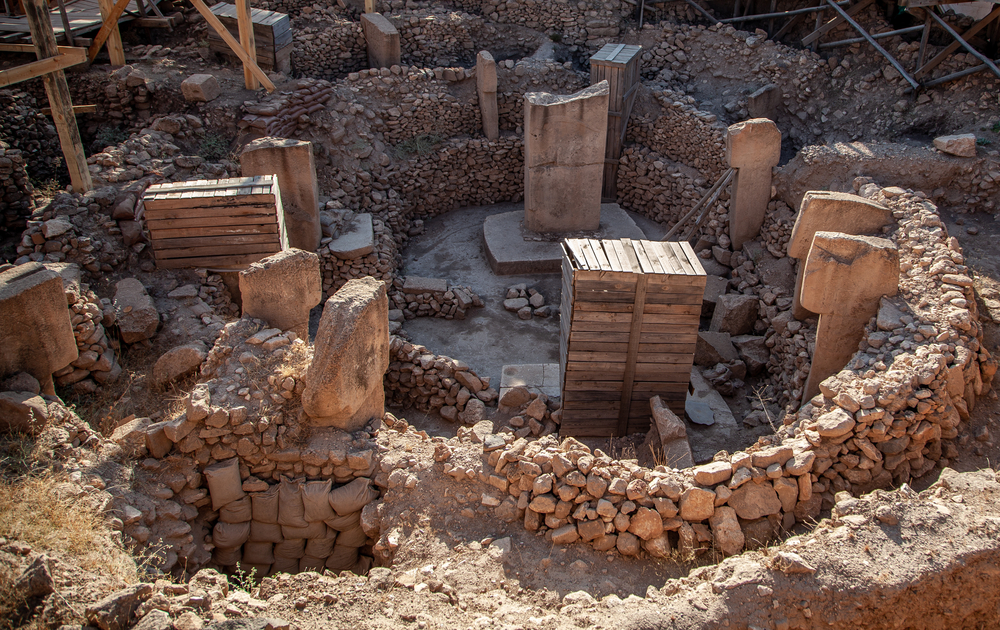
The researchers argue that erosion and deposits moving down the mound could explain how human bones ended up scattered through the archaeological layers. Their proposed scenario is straightforward: intact burials were originally placed beneath floors higher on the mound, then later buried beneath deposits as the landscape changed. Those deposits could have carried human remains downslope, spreading fragments through lower areas of the site.
The study describes this as a “strong and plausible scenario,” while also making clear that it cannot explain every possible mortuary practice at Göbekli Tepe. Two intact burials are not enough to establish exactly how every human bone arrived in the site’s deposits. Archaeology rarely gives researchers the luxury of watching an ancient event unfold. They have to reconstruct what happened from incomplete evidence.
Several clues support the erosion explanation:
- Broken bones: The intact burials contained bones damaged after death, including missing ends of long bones.
- Rodent activity: Some remains showed evidence of gnawing, suggesting animals had access to the bodies or exposed bones.
- Calcium deposits: Large portions of the bones were covered by a hard calcium crust formed in the burial environment.
- Slope deposits: Researchers propose that material from higher parts of the mound moved into lower areas and carried human remains with it.
That changes the interpretation of the 928 fragments. They may not represent hundreds of people whose bodies were deliberately scattered around the monumental structures. Some could have begun as ordinary burials that were later disturbed by the movement of soil.
Göbekli Tepe Looks More Like a Settlement
For years, Göbekli Tepe’s monumental structures encouraged a simple interpretation. Hunter-gatherers came together, built enormous stone enclosures, performed rituals and then moved elsewhere. The new burial evidence adds a very different dimension because burying someone beneath a floor is closely associated with places where people lived.
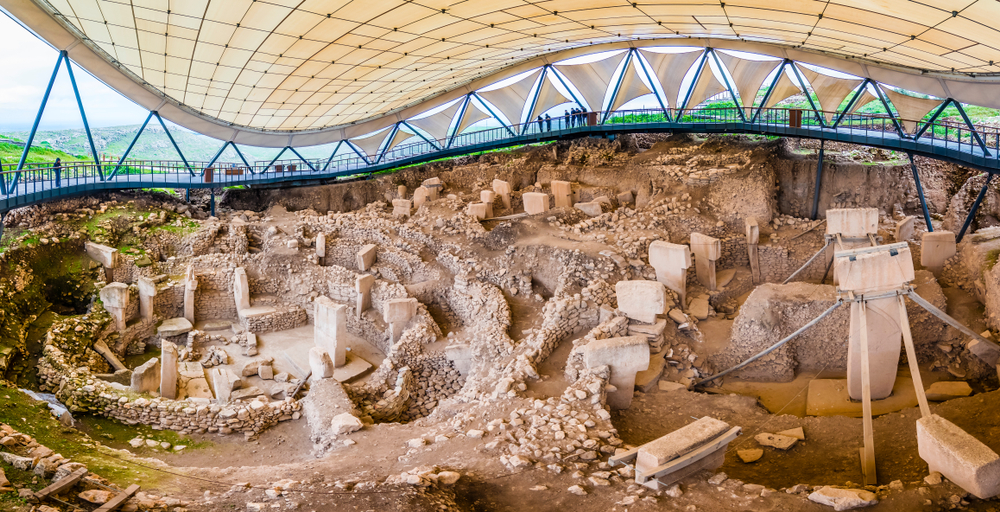
The site has increasingly produced evidence for domestic activity and dwellings across different periods of its occupation. The graves strengthen that picture. People were not merely appearing at Göbekli Tepe for isolated ceremonial events. At least some individuals were buried in spaces connected to structures that were used by the living.
That does not mean Göbekli Tepe was simply an ordinary village with some giant stone buildings. Its monumental architecture remains extraordinary, and the carved pillars continue to show that people were capable of organizing substantial communal projects thousands of years before cities emerged. The point is that the site may have combined activities that modern categories tend to separate: living, gathering, feasting, building, ritual activity and burial could all have happened within the same landscape.
Five Skulls Still Defy the Simple Explanation
The new burial evidence may explain a large portion of the scattered human bone, but it does not solve every mystery at Göbekli Tepe. Five human skulls still carry deliberate incisions that erosion cannot account for. Those marks were made by people, and they appear to have been created intentionally after death.
That leaves an important distinction. The evidence for ordinary burial and the evidence for unusual treatment of some skulls can exist at the same site. The presence of graves does not automatically erase the possibility that certain individuals were treated differently. It simply means the old explanation cannot be applied to every human remain found there.
Comparable practices have been identified elsewhere in the region. At Çayönü, another Neolithic settlement, archaeologists found a building containing roughly 70 human skulls. Göbekli Tepe appears to have had its own version of this wider Neolithic fascination with human heads. As bioarchaeologist Scott Haddow put it, “Universally, there’s this focus or obsession with skulls throughout the Neolithic. But they’re all doing it slightly differently when you zoom in.”
That may be the most revealing part of the discovery. Göbekli Tepe was probably not a place where every dead person received exactly the same treatment. Some people may have been buried beneath floors in ways familiar across Neolithic Anatolia. Others may have been subjected to practices that remain difficult to explain.
The Old Story Just Became More Complicated
The burials do not destroy the mystery of Göbekli Tepe. They make it harder to tell a simple story about what the site was for.
The people who built those enormous stone structures also had homes, families, dead relatives and burial spaces. Some remains were probably displaced by the landscape over thousands of years. At the same time, the deliberately marked skulls show that at least some deaths may have involved practices that were different from ordinary burial.
After more than a decade of excavation and analysis, the most important discovery may be surprisingly ordinary: people lived at Göbekli Tepe, died there and buried their dead beneath the places they used.
The five carved skulls are still waiting for an explanation. And that is where the ancient site remains as strange as ever.