
Your cart is currently empty!
Scientists Thought They Knew Gentoo Penguins. Then Their DNA Told A Different Story
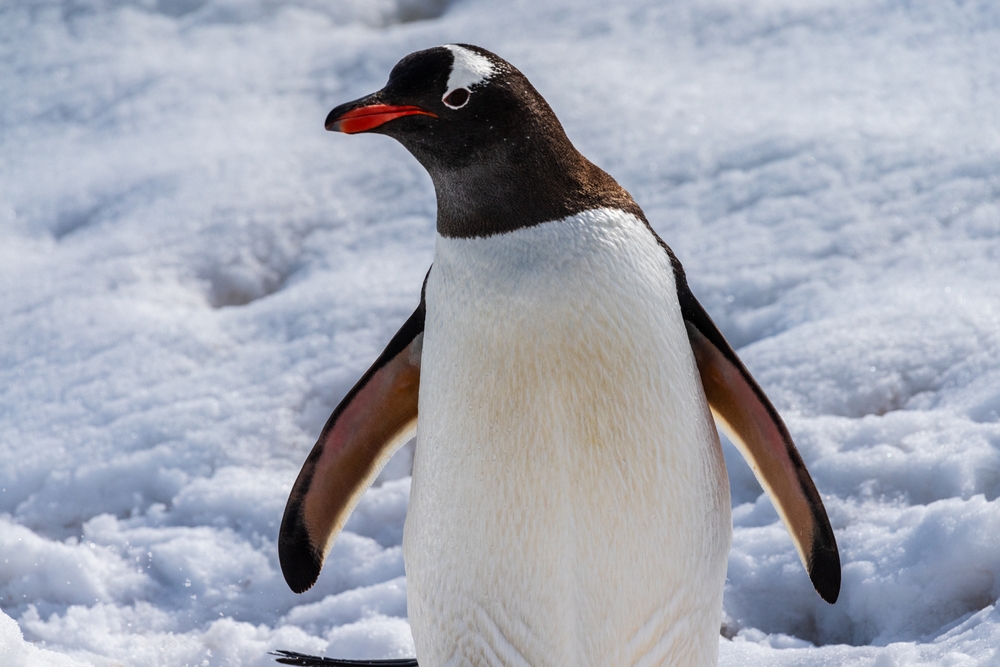
Scientists have spent more than a century without identifying a completely new penguin species. Now, researchers have discovered that a bird they thought they already understood actually contains a hidden species that had been overlooked for generations. The discovery came after scientists examined the genetics and evolutionary history of gentoo penguins living across remote islands and Antarctica.
Contents
show
The research found that gentoo penguins should be divided into four distinct species, with one of them previously unknown to science. The newly recognized penguin has been named Pygoscelis kerguelensis and lives on the remote Kerguelen Islands in the southern Indian Ocean. Although it looks remarkably similar to other gentoo penguins, its genetic differences reveal a much older evolutionary separation.
Scientists Found A Hidden Species In A Familiar Penguin
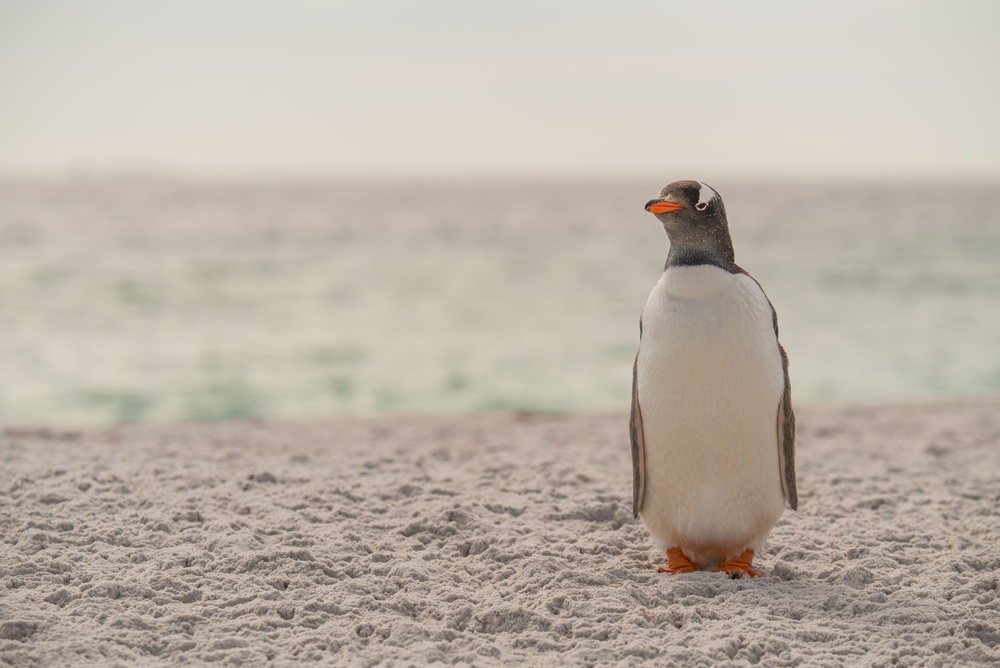
The newly recognized species lives in one of the most isolated places on Earth. The Kerguelen Islands sit in the southern Indian Ocean, roughly 1,200 miles north of Antarctica, and their remote location has helped keep the penguin population separated from other gentoo groups. Researchers studying the birds found that this isolation was accompanied by significant genetic differences, suggesting that the population had been following its own evolutionary path for a very long time.
The penguin has been given the scientific name Pygoscelis kerguelensis and is also referred to as the southeastern gentoo penguin. Unlike discoveries where scientists encounter an animal with an obviously unusual appearance, this one required a much closer examination. The bird still has the familiar appearance associated with gentoo penguins, which helps explain why its distinct identity remained hidden for so long.
Researchers examined genetic information from gentoo populations across their range and compared that information with differences in physical characteristics, behavior, vocalizations, breeding patterns and ecology. The combined evidence showed that the birds traditionally grouped together as gentoo penguins actually represent four evolutionary lineages. One of those lineages is the newly recognized southeastern species.
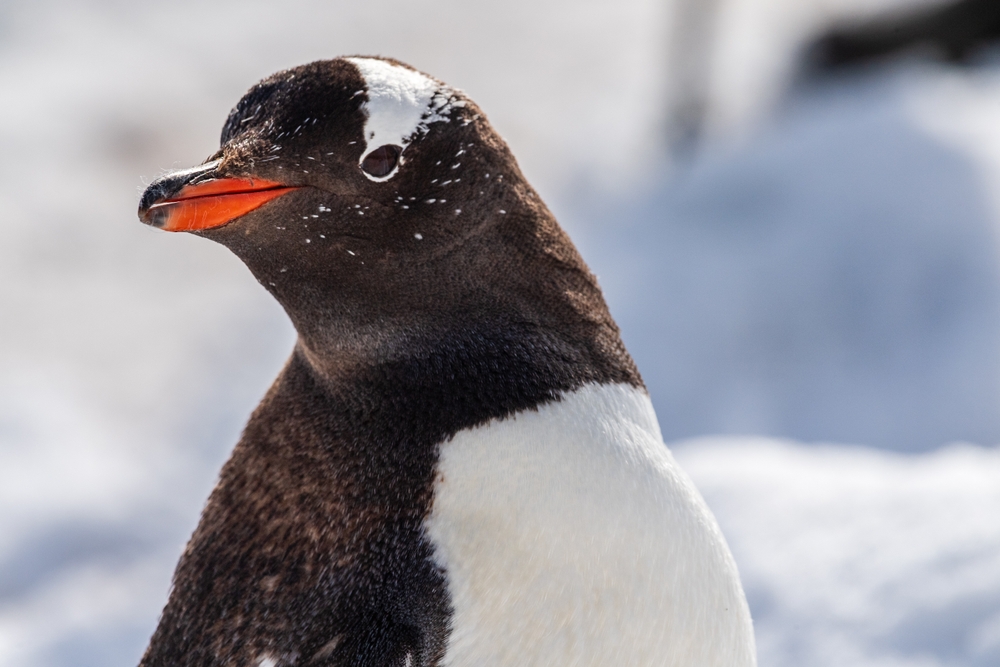
The finding also resolves a scientific debate that had surrounded gentoo penguins for decades. Scientists had already suspected that different populations might represent separate species, but there was disagreement over how those populations should be classified. The new research provides a much broader genetic picture and supports treating the four lineages as separate species.
The Four Gentoo Species Have Been Living Apart
The study identifies four distinct gentoo species occupying different parts of the southern hemisphere. The northern gentoo, Pygoscelis papua, is associated with the Falkland Islands and Martillo Islands, while the southern gentoo, Pygoscelis ellsworthi, is found in Antarctica and surrounding regions. The eastern gentoo, Pygoscelis taeniata, occupies islands including Crozet, Marion and Macquarie.
The fourth is the newly recognized southeastern gentoo, Pygoscelis kerguelensis, associated with the Kerguelen Islands and nearby sub-Antarctic environments. Their geographic separation appears to have played a major role in their evolution. When populations remain isolated for long periods, genetic differences can accumulate until the groups become distinct enough to be recognized as separate species.
That process appears to have happened within the gentoo group over hundreds of thousands of years. The birds may look similar to one another because their basic body structure and lifestyle remain closely related, but their genomes contain clues about their separate evolutionary histories. Scientists were therefore able to uncover a hidden layer of biodiversity that was not obvious from appearance alone.
The discovery is particularly striking because penguins are among the world’s most recognizable birds. Their distinctive bodies, behavior and habitats have made them the focus of extensive scientific research. Yet even with that attention, a separate species was still waiting to be formally recognized.
Their Genetics Reveal How They Adapted
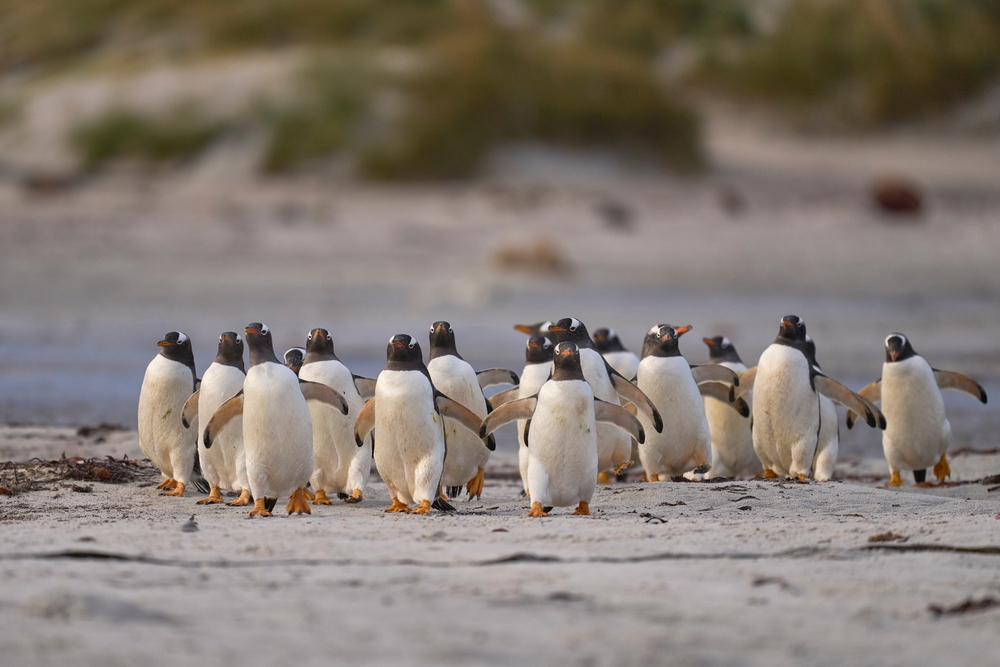
The differences between the four species go beyond their geographic locations. Researchers also found genetic signals associated with adaptations to the environments where the different penguins live. The southern gentoo, which is the only one of the four species living in Antarctica, has more genes connected with heat generation, fat and lipid storage, and light perception.
Those genetic characteristics are relevant to life in an extremely cold environment where temperatures, food availability and daylight conditions can change dramatically. The eastern gentoo showed another set of adaptations, including more genes associated with enhanced diving capacity and energy-efficient carbohydrate metabolism. These differences provide clues about how separate populations can respond to the environmental pressures around them.
The genetic findings also demonstrate why simply looking at an animal is not always enough to determine how many species exist. Two populations can remain visually similar while accumulating substantial genetic differences over long periods of isolation. In this case, modern genomic analysis gave researchers a way to see distinctions that were difficult to identify from appearance alone.
The result is a more detailed picture of gentoo evolution. What once appeared to be a single widespread species is now understood as four separate evolutionary histories, each shaped by its own geographic and environmental circumstances.
A New Species Discovery Comes With A Warning
The discovery would already be remarkable because of the long gap since scientists last identified a new penguin species. But the research also raises a serious conservation concern. Future projections indicate that the southeastern, northern and eastern gentoo penguins could experience severe habitat losses, while the southern gentoo may potentially expand its range.
That means recognizing the four species separately could become important for conservation planning. When several distinct populations are grouped together, changes affecting one population can become harder to see in the overall picture. A species that appears stable when considered alongside other populations could contain a smaller group facing much greater pressure.
The researchers say this is particularly concerning for gentoo penguins living in the sub-Antarctic. Changes in climate, warming oceans and destruction of habitat can affect the environments penguins depend on for breeding and feeding. The newly recognized southeastern gentoo is therefore gaining a scientific identity at a time when its habitat may also be facing major environmental changes.
Juliana Vianna, one of the study’s senior authors and a professor at Andrés Bello National University in Santiago, Chile, said, “In Antarctica, of course, other species, not the gentoo, are threatened by climate change. But the gentoo is of most concern in the sub-Antarctic region.” She also stressed the importance of conservation experts taking action to protect the three gentoo species facing greater projected habitat losses.
The Discovery Changes What Scientists Know About Gentoos
The research also exposes how much biodiversity can remain hidden even among animals that have been studied for generations. The last penguin species described as new to science was the northern rockhopper penguin in 1921. More than 100 years later, scientists have formally recognized another distinct penguin species after taking a much closer look at a familiar group.
The new species was not waiting somewhere completely unexplored for scientists to stumble across it. Its existence was hidden within a population that had already been considered part of another species. Genetic analysis revealed the separation, while ecological and physical evidence helped support the classification.
The discovery could also encourage researchers to examine other animal populations that appear similar but have been separated geographically for long periods. Remote islands are particularly interesting because isolation can create conditions for populations to evolve independently. Some differences may remain invisible until scientists compare genomes or study several biological traits together.
For the Kerguelen penguin, that process has finally resulted in official recognition. A bird that looked like another gentoo has now been given its own scientific identity, revealing an evolutionary history that had remained largely hidden from modern science.
Scientists May Have More Penguin Secrets To Uncover
The researchers’ findings show that the gentoo family is more diverse than scientists previously recognized. They also point toward unanswered questions about the populations living across remote islands and sub-Antarctic waters, particularly because reliable population estimates for some regions remain limited.
Future research will help scientists understand how the four species continue to differ, how their populations are changing and how environmental shifts could affect each one. The distinction between species may become increasingly important as conservationists assess which populations are most vulnerable.
For now, the biggest surprise is simple. Scientists did not need to travel to an unknown planet or discover a completely unfamiliar animal to find a new penguin species. They had to look more closely at one they thought they already knew.
After more than a century without a newly recognized penguin species, Pygoscelis kerguelensis has changed the family tree. The penguin was there all along. Scientists simply had not yet seen the difference.