
Your cart is currently empty!
A Family Won $54 Million, Then Spent 16 Years Quietly Feeding Their Town’s Children
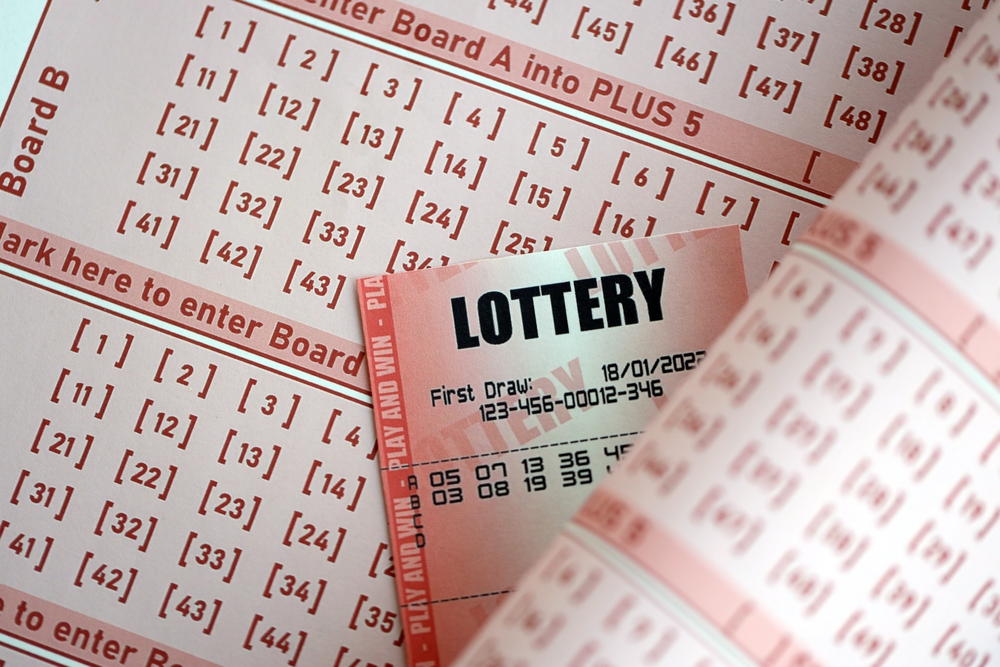
Winning the lottery can change a person’s life overnight. For one anonymous French family, a €50 million EuroMillions jackpot could have meant luxury homes, expensive cars, endless holidays, or simply disappearing from ordinary life forever. Instead, the family chose something almost nobody knew about: they began quietly paying for school lunches in their small hometown. The winners lived in Saint-Michel, a small commune of about 3,200 people on the edge of Angoulême, where a fortune of that size should have been almost impossible to keep completely out of sight.
Contents
show
The extraordinary part is not only the amount of money the family gave away. It is the fact that they never attached their names to it. For 16 years, children in Saint-Michel received free school meals funded by the mystery winners, while parents, teachers and local officials were left wondering who was behind the generosity. Even now, 17 years after the jackpot was won, the family’s identity remains unknown, while their money continues to benefit the same community.

The $54 Million Lottery Win Nobody Saw Coming
The story began with the EuroMillions draw on March 6, 2009. Somewhere in the Charente region of France, a ticket matched all five numbers and two stars, creating a jackpot worth €50 million, or roughly $54 million. The winning family lived in Saint-Michel, a small commune on the edge of Angoulême, and suddenly possessed a fortune that was enormous compared with the size of the community around them. In a town where people know one another and major changes in someone’s life can quickly become noticeable, keeping that kind of wealth private could have been extremely difficult.
Yet the winners managed to disappear from the story almost completely. Their identities were never publicly revealed, and there was no widely known account of their former lives, professions or even how they discovered that they had won. Instead of becoming recognizable figures in their hometown, they remained anonymous while their fortune quietly began appearing in the community through donations.
Then the money started coming back to Saint-Michel. A donation arrived at the town hall, followed by further payments over the years, each accompanied by instructions about how the money should be used. The town knew it had a remarkably generous benefactor, but nobody could put a name to the person or family behind the cheques. The identity stayed hidden while the impact of the money became increasingly visible.
Their First Donation Changed More Than Expected
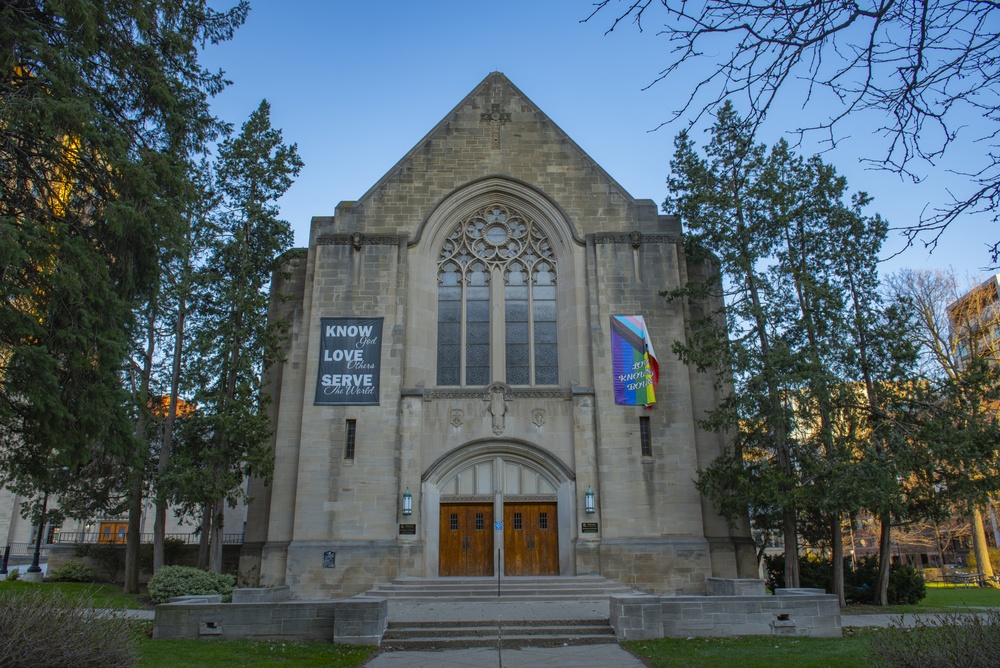
The family’s first major gesture was directed toward the commune itself. They donated €400,000, helping advance plans for a Maison pour tous, or community centre, while also helping reduce debt carried by the local retirement home. For a community of roughly 3,200 people, the amount represented a major contribution and was reported at the time as roughly one fifth of Saint-Michel’s annual municipal budget.
That first donation could easily have been the end of the story. A wealthy lottery winner could have handed over a substantial amount, allowed the town to express its gratitude and then returned to private life. Instead, the family found a way to make their winnings part of everyday life in the community, turning what could have been a single act of generosity into something that continued year after year.
The following year, their giving took a very different form. Rather than another large one-off donation, the family committed €80,000 annually to the village school canteen. The decision meant their money would no longer simply support a building project or reduce a municipal burden. It would directly affect families and children living in Saint-Michel.
That commitment would eventually become the most remarkable part of the entire story. For years, the money would arrive without publicity, without ceremonies and without the identity of the people responsible ever becoming known.

Then They Started Paying Every Child’s School Lunch
Beginning in 2010, the family committed €80,000 every year to the school canteen. The money covered meals for around 180 preschool and primary school children in Saint-Michel, allowing families with children enrolled at the village school to receive their children’s lunches for free. There was no publicity campaign surrounding the payments and no annual ceremony celebrating the donors. The money simply arrived and was used to feed the children.
Year after year, the arrangement continued. Children entered nursery school, moved through primary school and eventually left without ever knowing the identity of the people who had been paying for their meals. Parents did not have to cover the normal cost of school lunches during that period, while the commune could continue providing meals with the anonymous family’s financial support.
The arrangement lasted for 16 school years, meaning children who began school in 2010 could spend their entire time at the village school benefiting from money provided by people they had never met. For some families, the arrangement represented a practical financial relief. For the children themselves, the free meals simply became part of everyday school life.
That may be the strangest part of the arrangement. The children knew they were eating lunch at school, but many would have had no idea that a family who had won millions of euros years earlier was quietly paying for those meals. The benefactors remained invisible while their contribution became a normal part of childhood in Saint-Michel.

The Town Had No Name To Put On Its Thank-You
Saint-Michel’s residents eventually found a way to express their gratitude, even though they could not address the family directly. A guestbook was kept at the town hall so residents could leave messages for the anonymous benefactors, and parents used it to explain what the gesture meant to their children and to the wider community. One mother wrote that she had explained to her children “the beauty of your gesture” and described such generosity as the mark of people with “huge hearts.”
The guestbook created an unusual form of correspondence between people who had never actually met. The family knew exactly where their money was going, but the people receiving the benefit had no idea who was behind it. There was no public face attached to the donations, no photograph of the winners displayed beside the school and no local celebrity status connected to the fortune. Their presence existed almost entirely through what their money paid for.
The town could say thank you, but it could never say it directly. The messages were left in a guestbook because there was nobody to hand them to. Even the mayor could not put a name to the cheques, leaving the entire community with the unusual experience of knowing what an anonymous family had done without knowing who that family actually was.
That anonymity continued for years. The family did not appear to use the donations to build a public profile, and there was no indication that recognition was the reason they continued giving. The money arrived, the town used it as requested and the mystery remained.

The Mayor Still Does Not Know Who They Are
Mayor Fabienne Godichaud has spoken about the unusual arrangement, describing the situation as “a bit like a fairy tale” and expressing hope that the children who benefited from the family’s generosity will remember it one day. Yet even the person responsible for overseeing the commune has never learned the identity of the people behind the donations.
The situation is particularly unusual because the family’s anonymity did not end after their first contribution. Lottery winners who want privacy can sometimes remain hidden from public attention, but this family continued making substantial contributions to the same community while refusing to become publicly known. Their privacy and their generosity existed side by side for more than a decade.
The town knew when the money arrived, how much had been donated and what it was supposed to fund. Families knew that their children’s meals were being paid for, while school staff knew that an anonymous benefactor was responsible for the financial support. What nobody knew was who had decided to keep giving.
For years, the guestbook was therefore the closest thing the community had to a direct conversation with the family. Residents could leave messages, parents could explain the gesture to their children and officials could acknowledge the money, but the people who made it possible remained somewhere beyond the town’s reach.
Now The Money Is Paying For The School Itself
In 2026, the family’s contribution changed again. The €80,000 that had previously funded school meals is now being directed toward improvements to the school buildings because parts of the facilities have aged and no longer meet current needs. The primary school dining room requires better acoustics, while improvements are also being considered to make the building more comfortable during the summer.
Godichaud said the family’s wish had “now translated into participation in the investment,” pointing specifically to the problems involving acoustics and summer comfort. Instead of continuing to pay for meals, the contribution is being used to improve the environment where children spend part of their school day.
One of the projects involves improving the acoustics of the primary school dining room, while another concerns making the building more suitable during periods of high summer temperatures. The focus has therefore shifted from what children eat to the physical place where they eat and learn.
Sandrine Pelletier, a maintenance worker at the school who attended the same school herself as a child, described the need plainly. “It will do good,” she said, pointing out that the primary refectory has a real need for improvements. After years of funding lunches, the family’s contribution is now being directed toward the building that serves the children.
The Free Meals Have Finally Come To An End
The change in funding has also brought an end to the 16-year run of completely free school meals. From the September 2026 school term, families in Saint-Michel will contribute €1.50 per meal. The commune describes the lunches as balanced and preferably organic, while the contribution remains below the actual cost of providing the meal.
For parents, it is a noticeable change after more than a decade in which the family’s donations covered the cost of school lunches. For the town, however, the support has simply moved somewhere else. Instead of paying for the food placed on children’s trays, the money is now helping improve the building where those children eat.
The shift marks the end of a remarkable chapter in the commune’s recent history. For 16 years, a mystery family quietly paid roughly €80,000 each year so local children could eat at school without their families having to cover the full cost. Thousands of individual meals could be provided under an arrangement that most children probably experienced simply as part of normal school life.
There was no grand announcement when the arrangement ended and no public appearance from the people who had funded it. The contribution simply changed purpose, moving from school lunches to school improvements while the family’s identity remained hidden.
A Fortune That Never Came With A Name
The family’s lottery win was worth €50 million, but their identity has remained unknown for 17 years. During that time, their money helped fund a community centre, supported a retirement home, paid for school lunches and is now helping improve the school itself. The remarkable part is not simply how much was donated, but how consistently the family kept their involvement away from public attention.
There is no public record of the family standing at a ceremony or putting their names on a building. Their story exists through the cheques and the people who benefited from them. For the children who received free lunches, the donors were an invisible part of school life, even though some of those children may have spent years benefiting from a decision made by strangers they would never meet.
The people of Saint-Michel have spent 16 years knowing exactly what the mystery winners gave them while knowing almost nothing about the people themselves. The town can account for the money, remember the meals and point to the improvements, but it still cannot attach a face or a name to the fortune behind them. The cheque arrived. The lunch was served. The school changed. The name stayed hidden.