
Your cart is currently empty!
Scientists Reveal Why Cats Meow Differently Around Humans
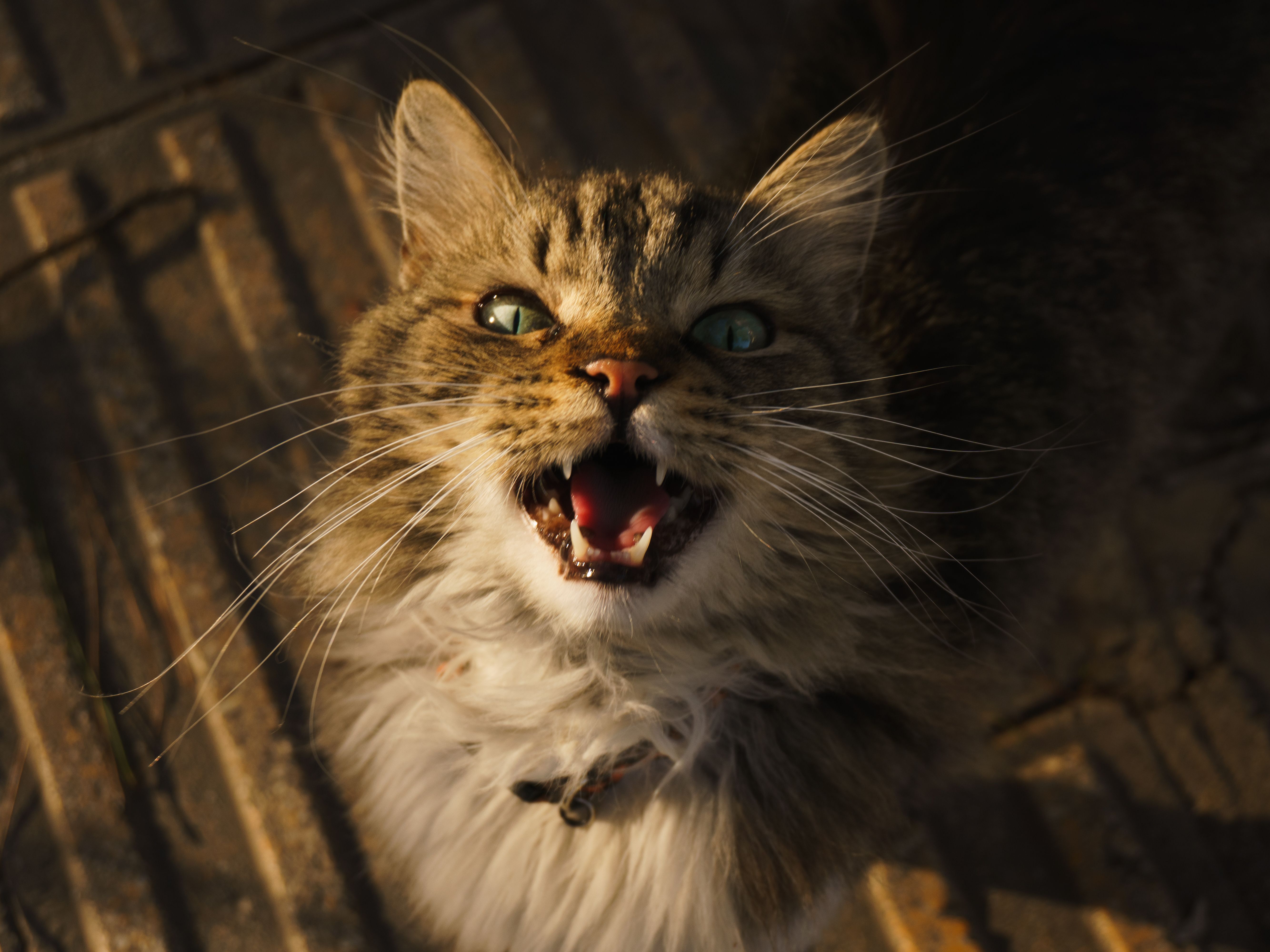
That familiar meow from across the room may be far more meaningful than a simple demand for dinner. Scientists studying the relationship between cats and humans are finding increasing evidence that domestic cats use their voices in ways that are especially suited to communicating with people.
Contents
show
The really fascinating part is that your cat may have developed communication habits that are specific to your relationship. Research suggests cats can change the pitch, length and tone of their vocalizations depending on the situation, while people who live with them may become surprisingly good at recognizing what those sounds mean.
Cats Do Not Usually Meow At Adult Cats
Anyone who lives with a cat knows how vocal they can be. A cat can announce breakfast, complain about a closed door, demand attention and apparently object to absolutely nothing, all within the space of a few minutes. Yet researchers point out that adult cats generally do not use meowing as their main form of communication with other adult cats.
Meowing is much more strongly associated with communication between kittens and their mothers. That observation has led scientists to investigate whether cats have effectively carried part of that early-life communication into their relationships with humans.

Jay Schwartz, an associate professor of psychological science at Western Oregon University, told the Los Angeles Times that one of the major findings from research into cat vocalization is that meowing appears to have become specialized for communication with humans. He described the behavior as carrying “the legacy of thousands of years of evolutionary change in cats to adapt to life with humans.”
That does not mean cats suddenly invented meowing after humans began keeping them as pets. Their wild relatives already possessed the ability to produce similar vocalizations. Instead, researchers are examining how an existing behavior may have become increasingly useful in a very different social environment.
Living With Humans Changed The Way Cats Communicate
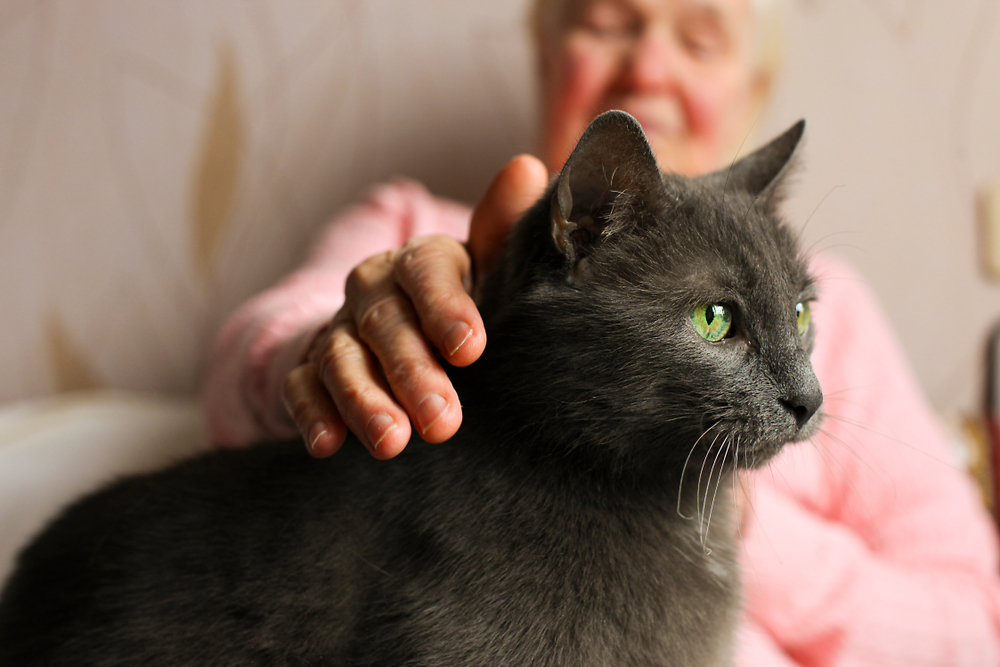
Cats began spending more time around human settlements thousands of years ago. Early agricultural communities attracted rodents, and rodents attracted cats looking for an easy source of prey. The cats that were comfortable enough around people to take advantage of those opportunities had an environment in which they could thrive.
Unlike dogs, which humans deliberately bred for particular characteristics over generations, cats are often described as having largely domesticated themselves. Animals that were less fearful around people could benefit from living near human settlements, creating conditions in which certain behavioral characteristics became more common.
Their vocal behavior appears to be part of that long relationship. African wild cats, which are among the closest living relatives of domestic cats, also meow, but researchers have identified differences between the sounds produced by wild and domestic animals.
Schwartz told the Los Angeles Times that the domestic cat’s meow tends to be “cuter and less harsh” than that of a wild cat. One hypothesis is that certain features of the sound overlap with qualities found in human infant cries, which naturally attract attention from adults.
That possibility is particularly interesting because humans are highly sensitive to infant sounds. Babies depend heavily on adults for survival, so responding to their cries carries an obvious biological advantage. A cat producing a sound that happens to trigger some of those same attention mechanisms could therefore have an effective way to get a person’s attention.
Your Cat’s Meow May Be Designed To Be Heard
The relationship between cats and humans may have involved changes on both sides. Cats developed vocal signals that work well around people, while humans developed their own distinctive way of speaking to animals.
Researchers call this type of communication pet-directed speech. It is similar in some respects to the exaggerated voice many adults naturally use when speaking to babies. People often raise their pitch, change their rhythm and emphasize certain sounds when addressing an animal.
Research published in 2022 found that cats could distinguish between speech directed at them and speech directed at adult humans. The effect was particularly noticeable when the speech came from their owners, suggesting that cats pay attention to how familiar people address them.
The pattern fits with research into cat vocalizations. A 2009 study examined purrs produced by cats in different situations, including when they were seeking food. The researchers identified a high-pitched component in solicitation purrs that resembled a cry.
Both cat owners and people without cats rated those solicitation purrs as more urgent and less pleasant than ordinary purrs. The finding suggests that cats can produce vocal signals that grab human attention particularly effectively.
That does not prove that cats consciously manipulate people. Scientists involved in this field have specifically pushed back against the idea that a cat is necessarily calculating the psychological effect of every sound it makes. The evidence instead suggests cats can learn that certain behaviors produce certain responses.
If meowing gets food, attention or a door opened, a cat can learn that the behavior works.
There May Be Clues Hidden In The Pitch

Scientists are also studying whether the structure of a cat’s meow can reveal something about its emotional state. The goal is not to create a simple dictionary in which one sound always means one specific word, because cat communication appears to be considerably more complicated than that.
Kristyn Vitale, a certified applied animal behaviorist and founder of the Maueyes Cat Science and Education center, has discussed research examining the melody and tone of cat vocalizations. According to Vitale, the direction of the pitch can sometimes provide clues about the cat’s state.
A meow that drops in pitch toward the end has been associated with negative affective states such as stress or fear. That type of sound may be heard in situations that cats find unpleasant, including being placed into a carrier or handled during a veterinary visit.
A rising pitch has been associated with more positive or content states in some research. These patterns are not a universal translation system, but they provide researchers with measurable characteristics that can be compared across different situations.
The surrounding circumstances remain essential. A single meow cannot automatically tell an owner exactly what a cat is thinking, because the same vocal pattern can have different meanings depending on what is happening around it.
For cat owners, however, repeated situations can make those differences easier to recognize. A particular sound that consistently appears before breakfast may become familiar, just as another sound may repeatedly occur when a cat wants access to a favorite room or perch.
Scientists Say Cats May Develop A Private Language
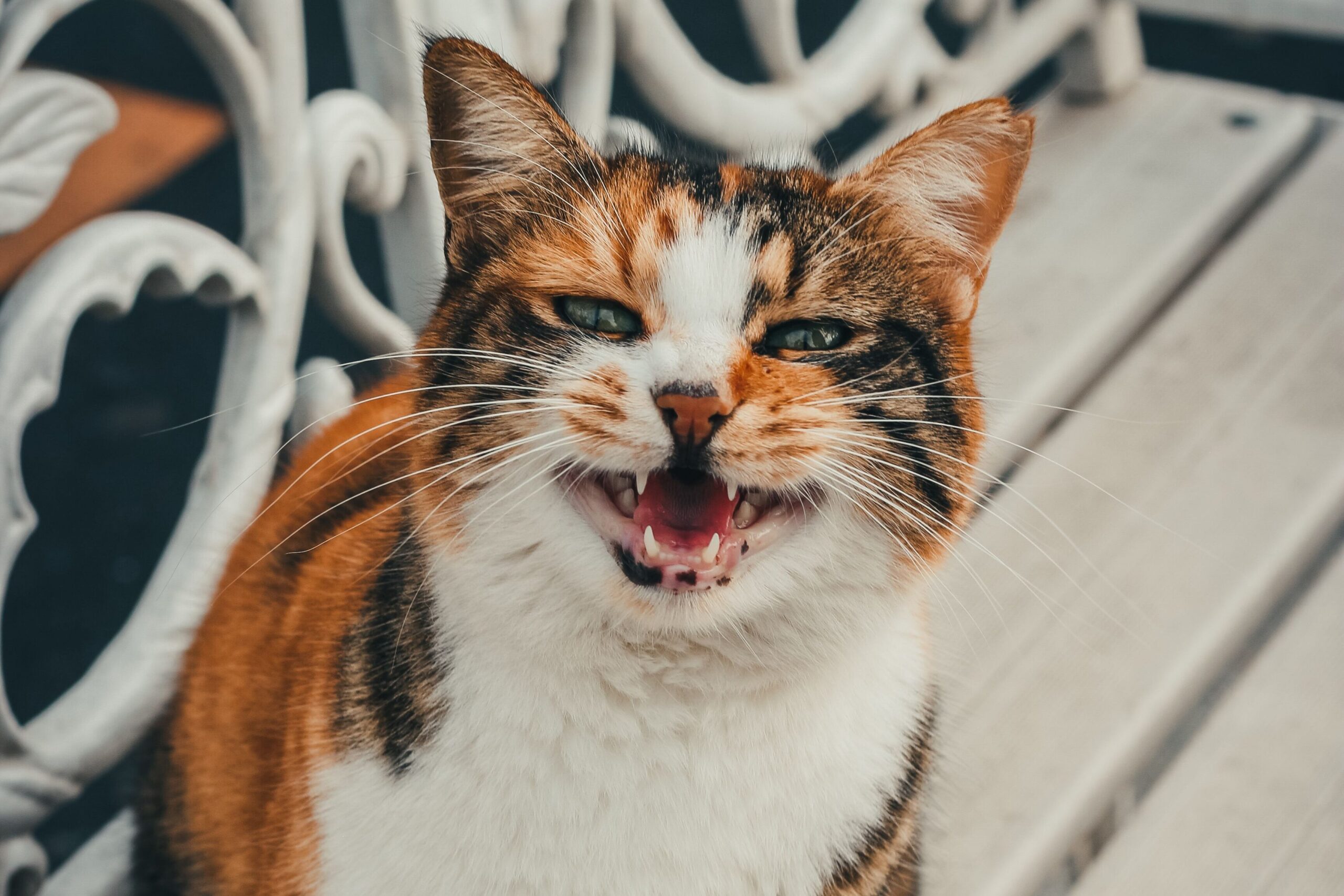
This is where the research becomes especially interesting for people who have lived with the same cat for years. Studies suggest that humans who know a particular cat may be better at interpreting that animal’s vocalizations than people who have never interacted with it.
Evolutionary biologist Jonathan B. Losos, author of “The Cat’s Meow: How Cats Evolved From the Savanna to Your Sofa,” has discussed research showing that unfamiliar listeners can have difficulty identifying a cat’s emotional state from its meow alone.
Losos told the Los Angeles Times that when people listened to recordings of cats in different situations, they generally performed poorly at determining the animals’ emotional states. However, the results changed when people who actually lived with the cats were involved.
“The people who lived with the cat were quite good at saying, ‘Chester is unhappy with you,’ or ‘Oliver is very content right now,’” Losos said.
That finding points toward something much more personal than a universal feline language. A cat and its owner may gradually learn each other’s patterns through repeated interactions, creating a communication system that outsiders cannot easily understand.
The 2018 study published in Applied Animal Behaviour Science provides additional context. Researchers surveyed 157 Hungarian cat owners about their pets’ behavior, cognitive abilities and relationships with humans.
The researchers found that owners generally regarded their cats as family members and attributed developed social and cognitive abilities to them. They also identified differences in how owners interacted with their cats, including how frequently they imitated cat vocalizations.
The study does not establish that cats and humans literally share a language. It does, however, support the idea that the cat-human relationship contains social and communicative patterns that deserve closer scientific attention.
Your Cat May Change Its Meows Depending On You
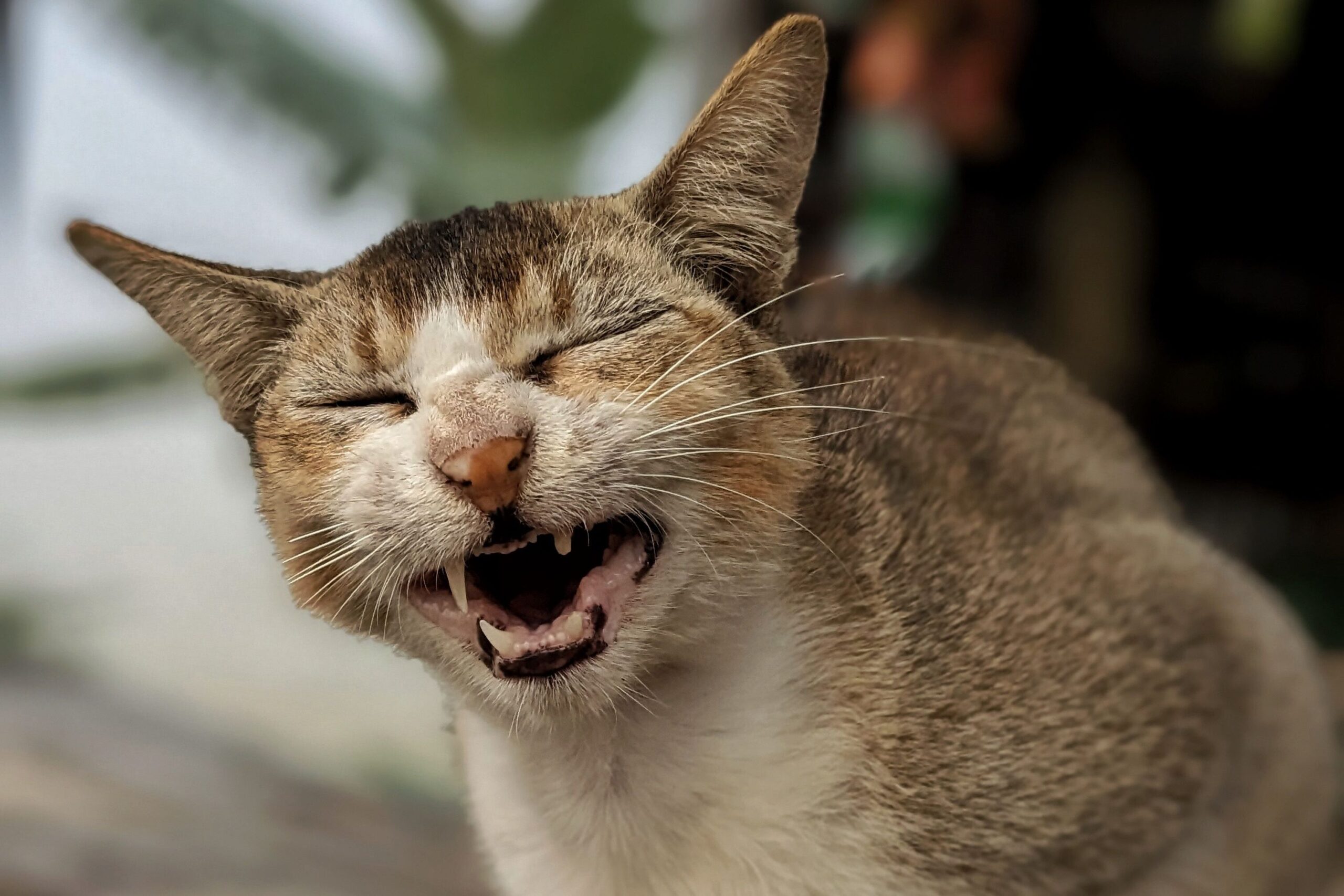
Cats do not necessarily communicate in exactly the same way with every human. The relationship between an individual animal and its owner can influence how the pair interact, which could help explain why one person’s cat seems incredibly easy to understand while another person’s cat remains a mystery.
Researchers have found evidence that owners use different signals depending on their cat’s behavior. The 2018 study found that people who reacted to the meows of unfamiliar cats were also more likely to initiate interactions with their own cats.
The researchers also found associations between owners’ behavior and their cats’ vocal interactions. Younger owners reported imitating cat vocalizations more often, while other factors influenced how people perceived their cats’ communication and emotional behavior.
These findings need to be interpreted carefully because the study relied on owner questionnaires. What a person believes their cat is communicating is not necessarily identical to what the cat actually intends.
Still, owners have one major advantage over strangers: time. Someone who has lived with a cat for years has heard that animal in dozens of situations, from feeding and playing to stressful events and quiet moments.
That repeated exposure could allow people to notice small differences that would be almost impossible for a stranger to identify.
Researchers Are Studying What Happens When You Leave

Scientists are now examining cat vocalizations in specific social situations rather than treating every meow as the same kind of sound. One area of interest involves what happens when cats are separated from their owners and then reunited.
Schwartz and Vitale have been studying cats during separation from their humans and after the humans return. Schwartz told the Los Angeles Times that researchers found “subtle but consistent differences in the pitch and length of meows” between those situations.
The finding raises the possibility that cats may have different vocal patterns associated with separation and reunion. A cat might therefore produce one type of sound when its human disappears and another when that person comes back.
Scientists are not claiming they have literally translated those sounds into English sentences. The research is more cautious, focusing on measurable differences in vocal behavior and how those differences correspond with particular circumstances.
That distinction is important because cat communication is unlikely to work like a human language with a fixed vocabulary. Instead, meaning may emerge from a combination of sound, context, body language and the history between an individual cat and human.
Researchers Are Still Far From A Cat Translator
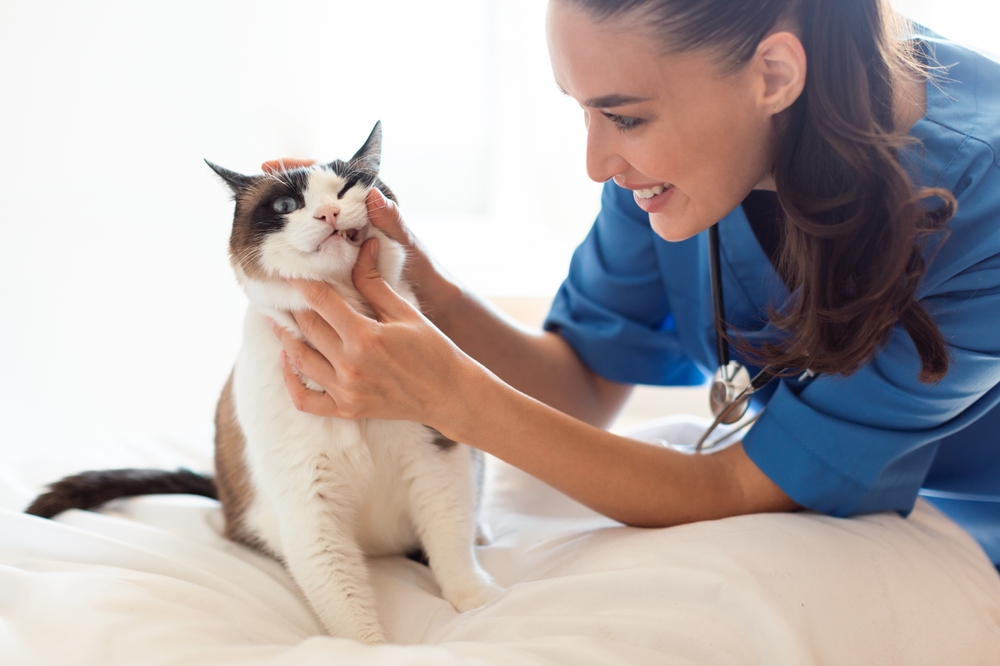
The idea of a machine that can instantly tell you exactly what your cat is saying sounds appealing, but the science is nowhere near that simple. Individual cats have different vocal ranges and personalities, while the same animal can change its behavior depending on the circumstances.
Research into cat vocalization is also complicated by the fact that cats can be difficult subjects outside their familiar environments. The 2018 study noted that testing companion cats can be challenging because they often respond differently when removed from their homes.
That is one reason studies involving owners can provide useful information. People living with a cat observe behavior that researchers might never see during a controlled experiment.
There are also major limitations to interpreting human perceptions. Owners can become highly familiar with their pets, but they can also project human emotions and intentions onto them. Scientists therefore need behavioral measurements alongside owner reports.
The evidence so far supports a more modest but still fascinating conclusion. Cats have developed complex social relationships with humans, and their vocalizations appear to play a meaningful role in those relationships.
What Your Cat May Actually Be Saying

For owners, the research offers a practical way to think about all those familiar sounds. Instead of assuming every meow has one fixed meaning, it may be more useful to pay attention to patterns that repeat in particular situations.
A few things can provide useful clues:
- The pitch: A rising or falling pitch may provide information about a cat’s emotional state, although it cannot be treated as a universal translation.
- The situation: A meow before food can carry a different meaning from one produced during a stressful trip to the veterinarian.
- The relationship: A cat’s regular owner may recognize vocal patterns that a stranger would struggle to interpret.
- The response: If a cat repeatedly meows before receiving food, play or attention, it can learn that the behavior produces a particular result.
- The rest of the body: Vocalizations should be considered alongside the cat’s behavior and surroundings rather than interpreted in isolation.
This approach also explains why two cats can seem completely different. One may be highly vocal, while another communicates primarily through posture, movement and quieter sounds.
The important point is that communication does not have to resemble human speech to be meaningful.
Cats May Have Been Talking To Us All Along
Thousands of years of living alongside humans appear to have produced a relationship unlike the one cats have with most other animals. Their meows existed before domestication, but the sounds became especially useful in a world where getting a human’s attention could lead to food, shelter, comfort or access to something interesting.
Researchers are still trying to determine exactly how much information cats communicate through their voices. The evidence already suggests that pitch, length, context and individual experience can all play a role.
The next time your cat meows at you, the safest assumption is not that it is delivering a perfectly translated sentence. It may be doing something more interesting: using a communication system that has developed through years of interaction with you.
Your cat may not have a human vocabulary, but after enough time together, the two of you may know exactly what a particular meow means.