
Your cart is currently empty!
Measles Cases Are Surging Across America, And Babies Could Be Exposed Before Birth
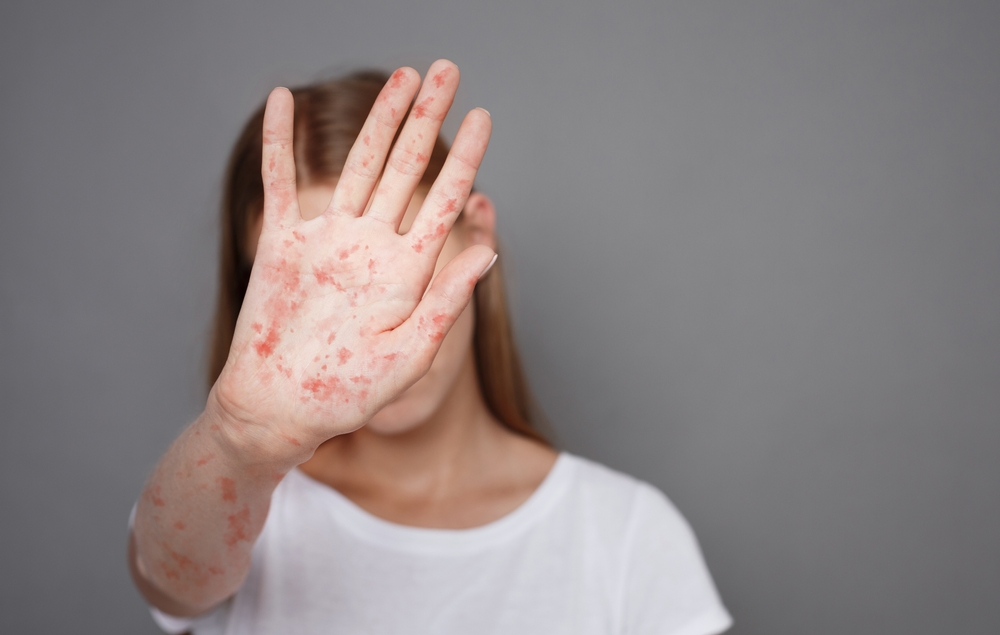
A person with measles can leave a waiting room, gather their belongings and walk away, while the virus they released remains capable of infecting someone who arrives hours later. People do not even have to cross paths to share the same infection, making measles one of the most difficult viruses to contain once it gains a foothold in a community.
Contents
show
That concern is becoming harder to ignore as confirmed U.S. measles cases climb far beyond last year’s total. The danger also extends beyond children and adults who catch the virus after exposure. In some cases, a pregnant person’s infection can reach their unborn baby, creating a rare but potentially severe condition known as congenital measles before the child has even taken a first breath.
U.S. Measles Cases Have Already Surpassed 2025
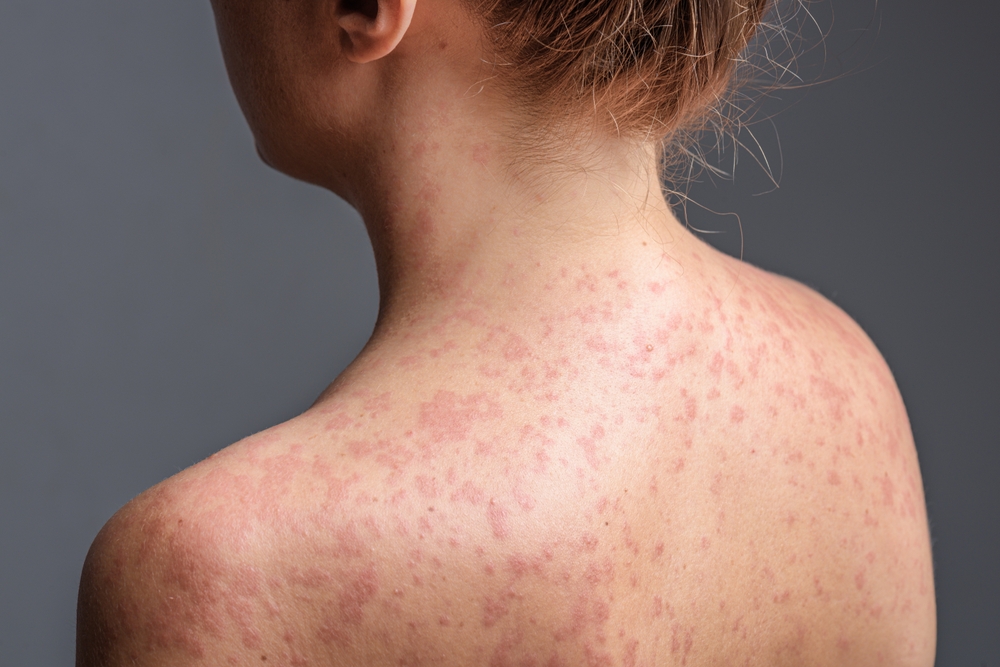
By Sept. 17, 2026, the United States had recorded 3,471 confirmed measles cases, according to CDC data. That is roughly 52% higher than the 2,289 cases reported throughout all of 2025, with months still remaining in 2026. The increase has been accompanied by dozens of outbreaks, showing that the rise is not limited to isolated infections appearing in different parts of the country.
Thirty-nine new outbreaks had been reported during 2026, while 95% of cases were linked to outbreaks, including outbreaks that began during 2025. Children and teenagers between ages 5 and 19 represented the largest share of reported infections, accounting for 44% of cases. Once measles begins spreading through a community, the virus can move rapidly among people who lack sufficient protection.
The United States eliminated endemic measles in 2000, meaning sustained local transmission had been stopped. That achievement did not make the virus disappear worldwide, however, and infections can still enter the country through international travel. With vaccination coverage now below the level considered important for maintaining strong community protection, those imported infections have more opportunities to trigger outbreaks.
Why Measles Can Spread Without People Meeting
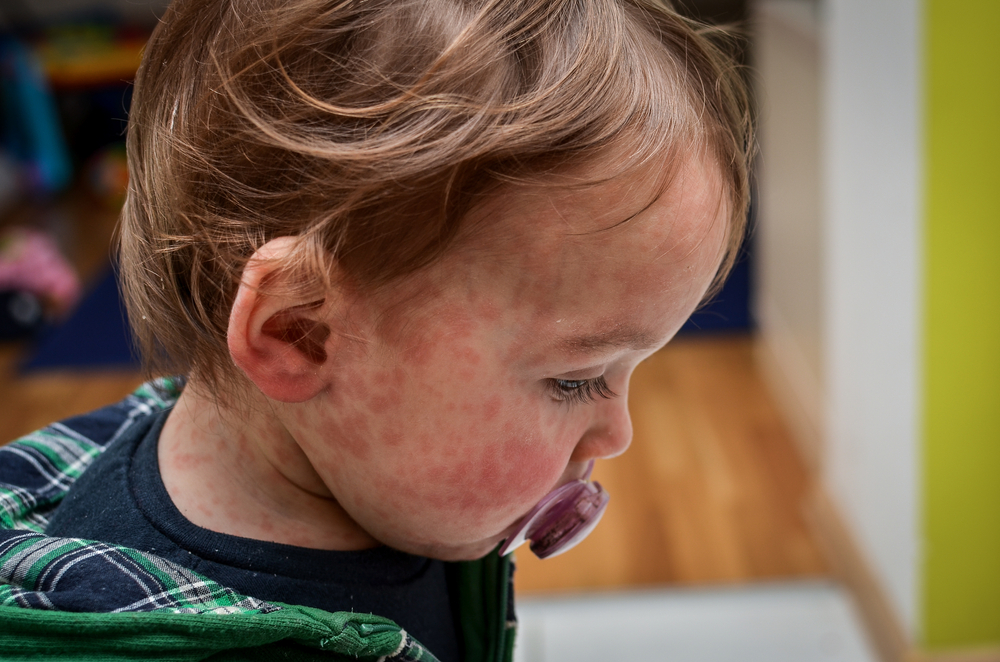
Measles does not require the kind of close interaction people might normally associate with catching an infection. The virus can remain in the air of an indoor space after an infected person has left, allowing someone who enters later to encounter infectious particles without ever knowing another person with measles had been there.
That characteristic makes crowded indoor settings particularly relevant during an outbreak. A person can pass through a waiting room, classroom, workplace or other enclosed area and leave before anyone realizes they were infectious. Someone arriving later may then be exposed without having any direct contact with the original source.
The virus is also highly contagious, which means immunity levels within a community can make a major difference. When vaccination coverage is high, an infected person’s opportunities to pass measles to susceptible people are reduced. When protection falls, the same virus has more chances to keep moving.
Falling Vaccination Coverage Is Adding To The Risk
Widespread vaccination was central to eliminating endemic measles in the United States. The measles, mumps and rubella vaccine, commonly called MMR, provides strong protection, with two doses about 97% effective against measles according to the CDC.
National kindergarten vaccination coverage has fallen below the 95% target associated with maintaining strong community protection. That decline does not mean everyone who is vaccinated has suddenly lost protection. It means there are more openings for the virus to spread when it reaches communities with larger numbers of people who are susceptible.
International measles activity creates another pathway for the virus to enter the country. When an infected traveler arrives in a community with immunity gaps, a single imported infection can develop into a larger outbreak. The combination of international circulation and declining coverage therefore creates conditions that make containment more difficult.
Babies Can Be Exposed Before They Are Born
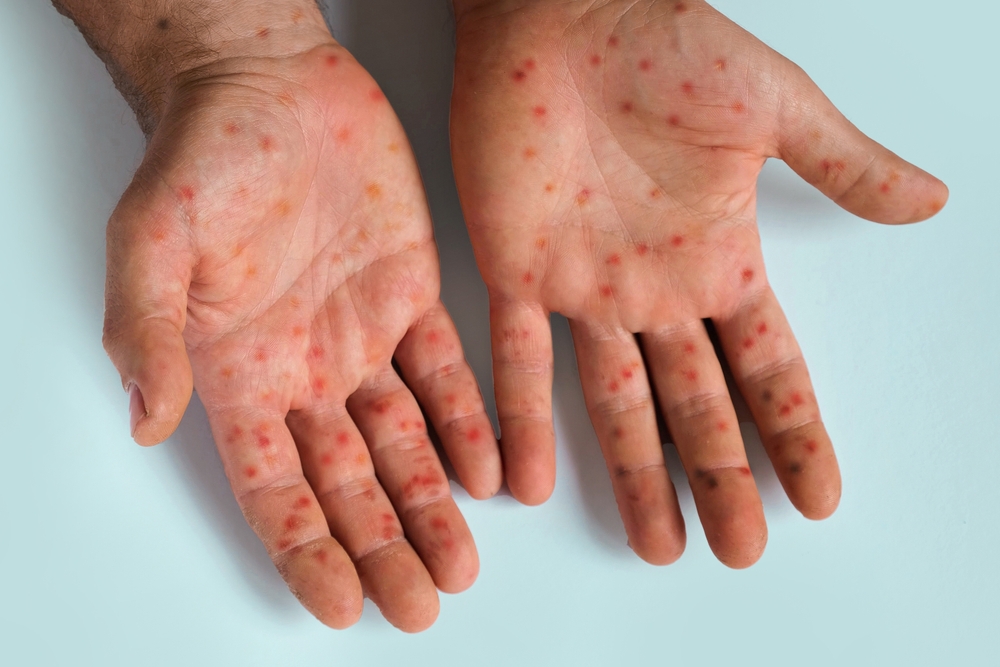
One of the most serious concerns involves babies whose exposure begins during pregnancy. Congenital measles occurs when a pregnant person becomes infected and the infection passes to the baby before birth, meaning the newborn can arrive already carrying the infection.
The American Academy of Pediatrics recently issued guidance addressing congenital measles and estimates that 25% to 30% of babies born to someone infected shortly before delivery may become infected. The available research is limited, so that figure should be understood as an estimate rather than a certainty for every pregnancy.
The timing can make these cases especially difficult to recognize. A baby may have been exposed before birth without obvious warning signs immediately after delivery. Some newborns develop fever, rash or jaundice, while others may initially show few symptoms, and serious complications can develop quickly.
The Warning Signs May Not Always Be Obvious
A newborn with congenital measles can develop symptoms that doctors may recognize as signs of infection, including fever, rash and jaundice. But the absence of a rash does not necessarily mean the baby is safe from complications, particularly when there has been a known maternal infection close to delivery.
The potential consequences can be severe. The reported guidance notes that serious complications may include multi-organ failure, while neurological problems can emerge later. That makes a history of measles exposure during pregnancy particularly important information for medical teams caring for a newborn.
The unusual timing also separates congenital measles from the typical picture many people have of the disease. The baby does not first encounter the virus by attending school, visiting a store or coming into contact with another child. Exposure can happen before birth, when the child has no ability to protect themselves independently.
Pregnancy Makes Measles Prevention More Complicated
There is an additional challenge for pregnant people because MMR is a live-virus vaccine and is not administered during pregnancy. That means vaccination status before pregnancy can become particularly important when considering protection against measles and other vaccine-preventable infections.
For an unvaccinated pregnant person who has been exposed to measles, the American Academy of Pediatrics advises promptly contacting their healthcare team about immune globulin. Immune globulin can provide protection after exposure in certain circumstances, although decisions about its use depend on the individual situation and timing.
This creates an important distinction between routine vaccination and post-exposure management. A person who discovers they have been exposed during pregnancy should not assume they have no options simply because MMR cannot be given during pregnancy. Medical teams can assess the exposure and determine appropriate steps.
Could Measles Become Endemic Again?
The rising number of cases has also raised a longer-term question about whether measles could eventually return to sustained transmission in the United States. A 2025 modeling study published in JAMA examined that possibility using vaccination data collected between 2004 and 2023.
Under the study’s baseline scenario, measles became endemic again in 83% of simulations. The model estimated approximately 851,300 infections over a 25-year period under that scenario, showing how sustained declines in population immunity could change the long-term trajectory of a disease previously eliminated from the country.
The researchers also modeled different vaccination scenarios. A 10% relative decline in MMR vaccination was associated with a projected 11.1 million infections, while a 5% relative increase was associated with approximately 5,800 infections and prevented a return to endemic transmission in the model.
Small Changes In Vaccination Could Have Large Effects
Those projections are not a prediction that the United States will experience millions of measles infections. They are conditional modeling results showing what could happen under particular vaccination scenarios. The study was examining the relationship between vaccination coverage and future transmission rather than forecasting the exact number of cases that would occur in 2026.
The contrast between the scenarios is still striking. A relatively modest change in vaccination coverage produced a dramatic difference in the modeled number of infections, suggesting that population immunity can strongly influence whether outbreaks burn out or continue spreading.
That distinction matters because the United States has already demonstrated that sustained measles transmission can be stopped. The current rise in cases does not by itself mean endemic measles has returned, but it does show how quickly the situation can become more complicated when outbreaks encounter communities with lower immunity.
Who Faces The Greatest Concern During An Outbreak?
Measles can affect anyone who becomes infected, but some people face particular challenges because they cannot rely on routine vaccination at the moment of exposure. Babies are one obvious example because they are too young for the standard childhood vaccination schedule.
Pregnancy creates another complicated situation because MMR cannot be administered during pregnancy. An infected pregnant person may therefore require a different approach after exposure, particularly if they have no previous immunity.
The situation also demonstrates why community protection matters beyond the people who can simply receive a vaccine. When transmission is reduced, people who cannot be vaccinated or who are especially vulnerable have fewer opportunities to encounter the virus in the first place.
The 2026 Numbers Need To Be Viewed Carefully
The 3,471 confirmed cases recorded by Sept. 17 represent a substantial increase compared with the total for 2025. But the number should not automatically be interpreted as proof that the United States has already returned to endemic measles transmission.
There is an important difference between outbreaks and endemic circulation. Imported cases can produce outbreaks after measles has been eliminated as a continuously circulating disease, particularly when the virus reaches communities where vaccination coverage is uneven.
The longer-term modeling study addresses the possibility of endemic transmission returning under certain vaccination conditions. It does not establish that the United States has already reached that point, and the current case count should be interpreted separately from those projections.
The Risk To Newborns Changes The Picture
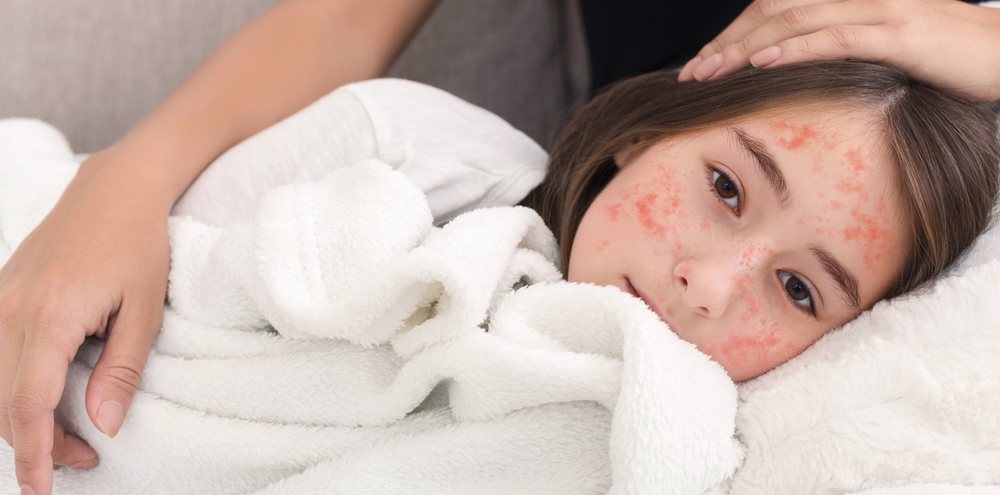
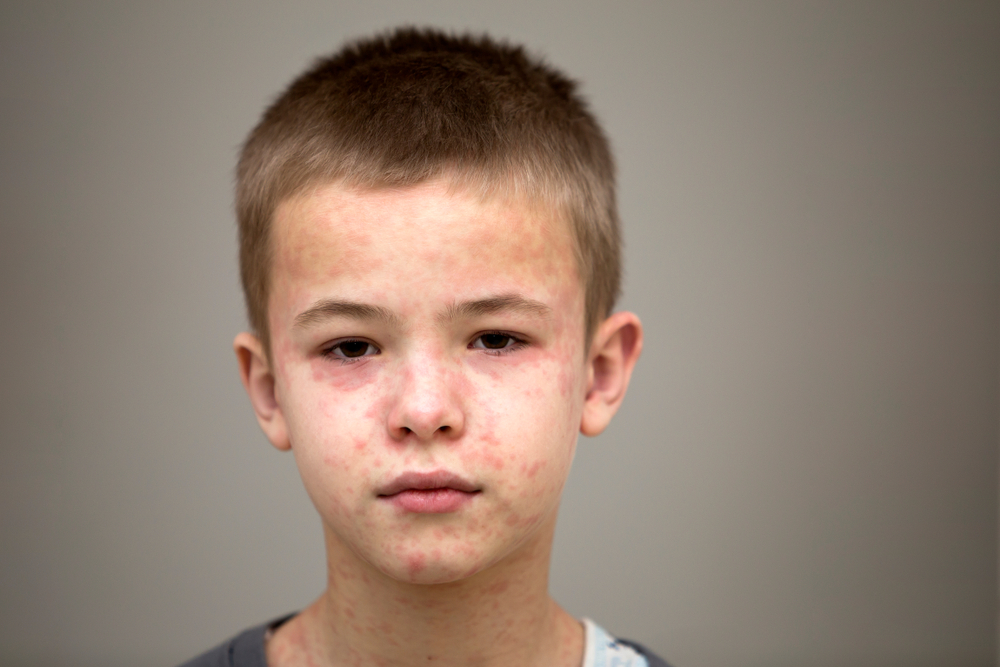
Measles is often associated with childhood fever, cough and a distinctive rash. Those symptoms remain part of the familiar picture, but congenital infection shows how the consequences can begin much earlier than most people realize.
A pregnant person’s infection can expose a baby before delivery, and the newborn may not immediately show the symptoms people expect from measles. That can make awareness of the mother’s infection and exposure history especially important when doctors evaluate the baby.
The latest outbreak numbers therefore represent more than a rising tally on a public health dashboard. They also represent additional opportunities for the virus to reach people who have fewer options for protection, including pregnant people and newborns.
A Disease Eliminated Once Can Still Come Back
The United States has already shown that measles can be pushed out of sustained circulation. Maintaining that achievement depends on preventing the virus from finding enough susceptible people to continue spreading after it enters the country.
International transmission means imported infections remain possible. High vaccination coverage can limit what happens next, while immunity gaps can give the virus a path through a community.
For babies who can be exposed before birth, that difference is especially significant. The latest figures show that measles is already finding more opportunities to spread, and keeping those opportunities limited will determine whether individual outbreaks remain contained or become something much larger.