
Your cart is currently empty!
Farmer Finds 421 Tyres on His Land and Delivers Them Straight Back
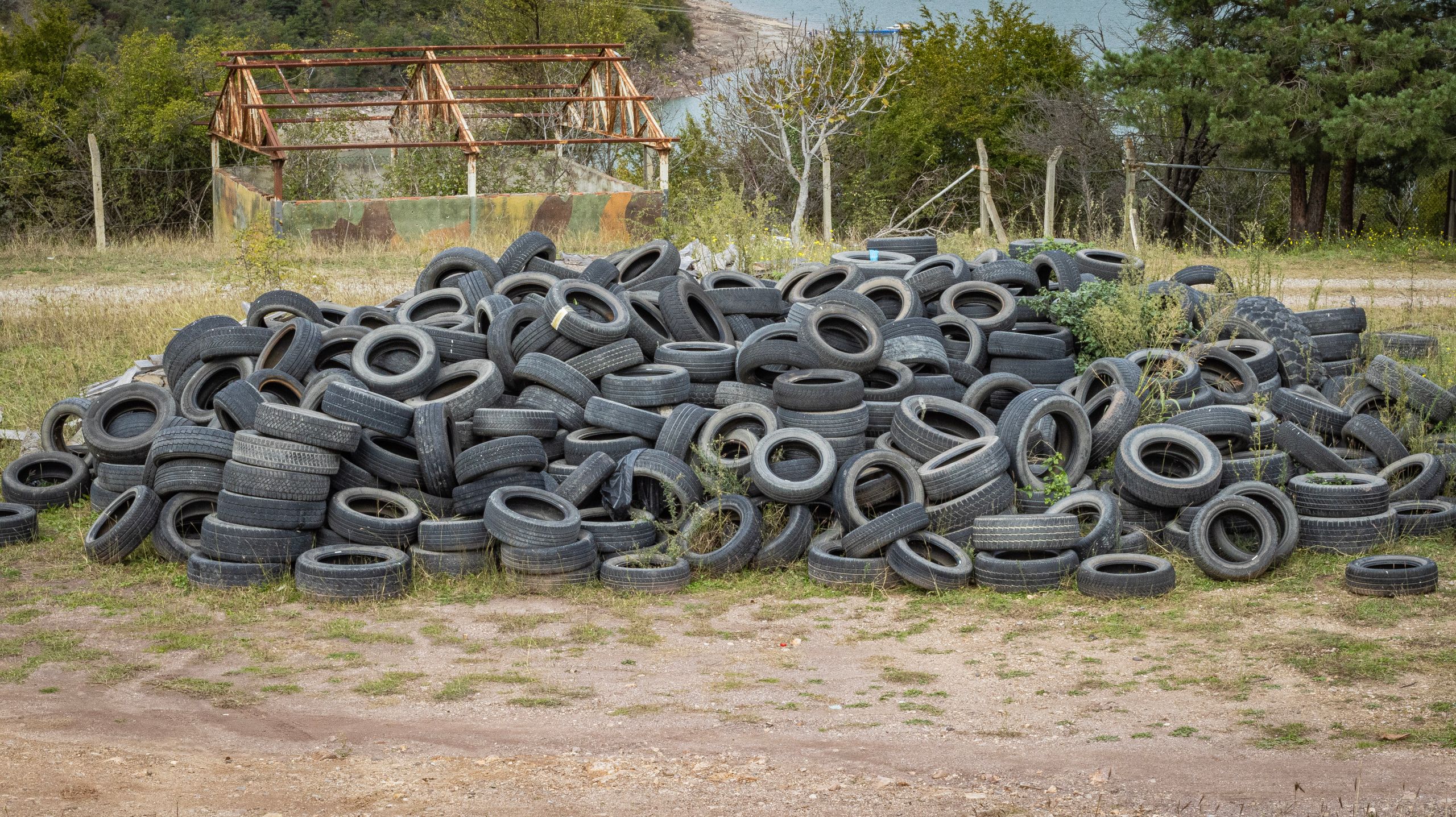
A farmer who had grown tired of finding rubbish dumped on his land decided to give one alleged fly-tipper a taste of his own medicine. After discovering 421 tyres scattered across his property, Stuart Baldwin tracked down the person he believed was responsible and gave him several days to remove the unwanted waste.
Contents
show
When the tyres remained where they had been left, Baldwin and a team of helpers loaded every single one onto a truck and drove them to the man’s address. The extraordinary delivery was captured on camera, turning a frustrating case of illegal dumping into a viral story about accountability, frustration, and one farmer’s unconventional response.
Years of Illegal Dumping Finally Pushed the Farmer to Act
Stuart Baldwin, a livestock farmer in Haydock, England, was no stranger to finding rubbish on his property. According to reports published at the time, his land had been targeted by fly-tippers around 25 times a year, leaving him repeatedly dealing with waste that other people had chosen to abandon.
Fly-tipping is the illegal dumping of waste on land without permission. The problem affects farms, country lanes, empty plots, and other locations where people think they can dispose of unwanted materials without being caught. For landowners, discovering a fresh pile of rubbish can mean another round of cleaning, removal costs, and lost time.
Baldwin’s property had become a recurring target, and he had reached the point where simply clearing the mess and carrying on was no longer enough. He wanted to find out who was responsible and make it clear that dumping waste on somebody else’s land had consequences.
Then he discovered a particularly enormous pile of rubbish. Someone had left 421 discarded tyres on his land in Haydock, creating a problem that was difficult to ignore and even harder to explain away as an innocent mistake.
For Baldwin, the sheer quantity made the incident especially frustrating. Removing hundreds of tyres would require considerable effort, while leaving them in place meant accepting that his property had once again been treated as an unofficial dumping ground.
Rather than immediately arranging for the tyres to be taken away, Baldwin decided to investigate. He had recently installed a security camera on the property, hoping it would help identify the people responsible for the repeated incidents. That decision would soon give him the information he needed to confront the situation.
Security Camera Footage Helped Identify the Person Responsible
Baldwin had installed CCTV because he was tired of people arriving on his land and leaving rubbish behind. When he discovered the 421 tyres, he checked the footage to see whether the camera had captured anything useful.
It reportedly showed a van arriving at the property and unloading the tyres. The footage gave Baldwin and his family a starting point for identifying the person they believed had carried out the dumping.
Speaking to the Manchester Evening News, Baldwin explained how the camera had helped him establish what happened. “We put a camera up in the bushes and we caught the man who did it on the camera,” he said.
Baldwin also explained that his daughter shared a picture on Facebook, helping the family identify the person associated with the incident. According to his account, the man eventually came forward.
The discovery changed the situation for the farmer. Previous incidents had left him dealing with rubbish without necessarily knowing who had deposited it. This time, the family believed they had identified the person responsible and had an opportunity to ask him to remove the waste.
Baldwin’s first response was to give the man a chance to put things right. Instead of immediately transporting the tyres elsewhere or arranging another cleanup, he allowed several days for the waste to be collected.
That decision would become a central part of the story. Baldwin later explained that the man had agreed to move the tyres, so the farmer initially gave him the benefit of the doubt. He expected the matter to be resolved without further action.
However, the days passed, and the tyres remained on the farm. With the agreed opportunity apparently unused, Baldwin decided he had waited long enough.
He Gave the Man Several Days Before Making His Move
The farmer’s response was shaped by what happened after the initial confrontation. According to reports, Baldwin found out where the alleged fly-tipper lived and gave him time to return to the farm and collect the discarded tyres himself.
The man reportedly said he would move them. Baldwin accepted that assurance and allowed a few more days to pass, giving him an opportunity to follow through.
Speaking to the Daily Mail, Baldwin described how he had waited for the collection to happen. He explained that the man had been given the benefit of the doubt, but the tyres were never removed.
Baldwin later described his reasoning in a line that helped make the incident memorable: “I thought he must have forgot, so I took them back to remind him,” he told the newspaper.
The remark captured the dry humour behind the farmer’s plan. Someone had allegedly delivered hundreds of unwanted tyres to his land, and Baldwin decided that returning them would make the problem difficult for the other person to overlook.
The family also wanted to avoid causing unnecessary damage. Baldwin’s daughter Megan later explained that they intended to make a point about the unfairness of illegal dumping, rather than deliberately damage the man’s property.
That distinction was important to their explanation of what happened next. Baldwin did not simply want to complain about the tyres or post footage of the original dumping. He wanted to make the person he believed was responsible confront the same unwanted waste that had been left on his farm.
With the deadline passed and the tyres still scattered across the property, the family began preparing for the return delivery. They had the equipment to move the waste, thanks in part to their connection with a recycling business, and a team of helpers was ready to assist.
The Farmer Loaded All 421 Tyres Onto a Truck
Baldwin and his helpers set about collecting the tyres and loading them onto a truck. The family owned SED Services Ltd, a recycling business that handles green waste and turns it into usable materials, including compost.
That connection gave them access to equipment suitable for moving a large quantity of waste. Still, gathering 421 tyres and transporting them to another address was a substantial undertaking that required several people to help.
Reports described a team of around eight men assisting with the delivery. Together, they loaded the tyres onto the truck and set off for the address associated with the van seen in the CCTV footage.
Baldwin filmed a message explaining the unusual trip. Speaking directly to the camera, he presented the situation as a case of somebody having forgotten a collection and needing the items returned.
“We have come to my land at Haydock, and somebody has put these tyres here overnight,” Baldwin said in the video. “Luckily, we found out who has forgotten them, so we are going to take them back to the person who put them here, thank you.”
The polite wording made the message all the more striking. Baldwin appeared to be describing a routine delivery, even though the items being transported were hundreds of tyres allegedly dumped on his land without permission.
The truck was packed with the unwanted rubber, and the team was ready to unload it. After spending days waiting for the original mess to be cleared, Baldwin was about to make sure the tyres reached a very different destination.
The Return Delivery Covered the Man’s Front Garden
When Baldwin and his team arrived at the address, they began unloading the tyres into the front garden. Footage showed the truck reversing into a driveway before the tyres were deposited on the lawn.
The quantity quickly transformed the garden into a sea of rubber. Images published alongside reports of the incident showed the front of the property covered with the returned tyres, providing a striking visual contrast with the original dumping on Baldwin’s farm.
The team continued unloading until the tyres had been delivered. Baldwin later recorded another message indicating that the job was done and the waste had been returned.
The family maintained that they had taken care to avoid damaging the property. Megan Baldwin explained their position to reporters, stressing that their aim was to make a point about responsibility rather than cause harm.
“We wish no harm to him or any property hence why we placed them in his garden without causing any damage,” she said. “We just want to prove a point that you can’t just go around fly tipping wherever you want as it isn’t fair.”
Her comments helped explain the thinking behind the delivery. The family had repeatedly found rubbish on their land, and they wanted the person they believed was responsible to understand the inconvenience involved.
The incident was subsequently shared widely online, with the footage drawing attention to the sheer number of tyres and the unusual way Baldwin chose to respond. The delivery was easy to understand visually: hundreds of tyres had been dumped on a farm, and the farmer had taken them back to the address linked to the incident.
Baldwin also spoke openly about his frustration with the repeated dumping. In comments reported by MailOnline, he said, “I got sick of it, so I thought I would do a bit back.”
It was a blunt explanation for an equally blunt response, and it helped turn the incident into a story that people continued sharing years later.
Why Fly-Tipping Causes Serious Problems for Farmers
The unusual delivery attracted attention, but the problem that prompted it affects landowners across the United Kingdom. Fly-tipping leaves people responsible for dealing with waste they did not produce and never agreed to accept.
For farmers, rubbish dumped in fields can interfere with daily work and create additional costs. Depending on the materials involved, removal may require specialist equipment or a licensed waste contractor. Even when the waste can be collected without specialist assistance, the time and effort involved can disrupt normal farm operations.
Discarded tyres also take up substantial space, particularly when hundreds are dumped together. Their size and weight make them awkward to handle, while their presence can create hazards for people and animals moving around the property.
The wider effects of fly-tipping can include several problems for landowners:
- Unexpected removal costs: Farmers may need to arrange transport and disposal for waste that somebody else abandoned.
- Disruption to daily work: Time spent dealing with rubbish takes attention away from livestock, crops, and other farm responsibilities.
- Potential property damage: Dumped materials can obstruct access routes or damage fences and other parts of a working property.
- Hazards for animals: Certain discarded items can injure livestock or wildlife if left in places where animals can reach them.
- Repeated incidents: Removing one pile of rubbish does not guarantee that another will not appear later.
The problem is not confined to rural areas. Fly-tipping also affects streets, public spaces, roadside verges, and unused plots in towns and cities. When waste is left illegally, somebody else must often spend time and money arranging its removal.
Martin Montague, the creator of the ClearWaste fly-tipping reporting app and website, told reporters that farmers were frequently affected by the problem and that clearing dumped waste could cost them a fortune.
Montague also called for stronger fines and more prosecutions. He argued that reporting incidents could help authorities take action against people who illegally dispose of waste.
Baldwin’s experience illustrated the frustration behind those concerns. His family had faced repeated incidents, and the discovery of 421 tyres represented another substantial burden on their property.
Baldwin Said the Family Wanted to Make a Point
Although the return delivery became the most memorable part of the story, Baldwin and his daughter consistently framed their actions around accountability. They wanted to challenge the idea that someone could dump rubbish on private land and leave the owner to deal with the consequences.
Baldwin also spoke about his belief in karma, describing the situation as an example of the alleged culprit facing the consequences of his actions. The family viewed the delivery as a way to make their frustration visible after giving the man an opportunity to collect the tyres himself.
Their approach was unusual, but the message was easy to understand. Waste disposal carries responsibilities, and those responsibilities should not simply be transferred to a farmer or another landowner without permission.
Baldwin told the Manchester Evening News that the family had received many messages of support after the footage appeared online. He said people had approached him to congratulate the family for standing up against fly-tipping.
“Nobody likes a fly-tipper,” Baldwin told the newspaper. “We’ve been inundated with congratulations since the video went online.”
He added that the response had gone the right way for them.
The attention reflected how readily the story communicated its central conflict. A landowner had repeatedly dealt with illegal dumping, eventually obtained footage that helped identify a suspect, and gave that person time to remove the waste. When the tyres remained, he organised their return in a delivery that was difficult to ignore.
The story also drew attention to the practical difficulties faced by people who discover illegally dumped waste. Security footage helped Baldwin investigate the incident, while public reporting brought wider attention to the problem he had experienced.
The 421-Tyre Incident Left a Lasting Message
Baldwin’s decision to return the tyres made for an unusual viral story, but the underlying issue was far more familiar. Landowners across the country can find themselves dealing with rubbish left behind by people who want to avoid disposing of it properly.
For Baldwin and his family, the incident offered an opportunity to demonstrate how frustrating that burden can become. They had allowed the alleged culprit time to collect the tyres, but when the waste remained on their land, they chose a response that made headlines.
The episode also showed the value of gathering evidence when repeated dumping occurs. Baldwin’s security camera helped his family investigate what happened, rather than leaving them with nothing but another pile of rubbish to remove.
His response may have been unconventional, but the principle behind his complaint was straightforward. Farmers should be able to use their land without repeatedly discovering waste dumped by strangers, and those responsible for disposing of rubbish should take responsibility for doing so lawfully.
After all, the 421 tyres did not appear on Baldwin’s property by accident, according to his account. Someone had brought them there, and the farmer wanted that person to understand that the cost and inconvenience could not simply be left for somebody else to carry.