
Your cart is currently empty!
Scientists Warn Earth Is Reaching Dangerous Climate Tipping Points
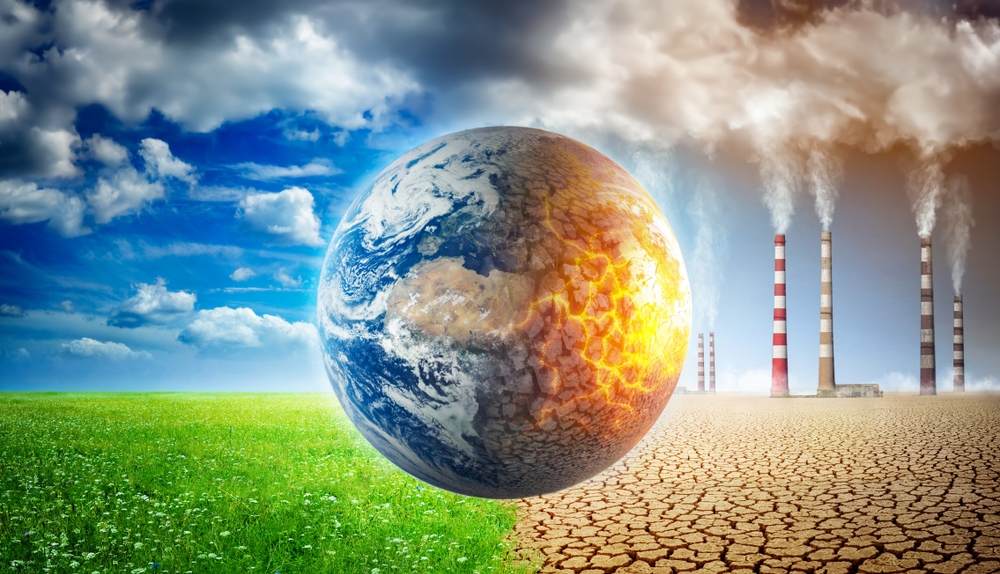
Earth’s climate is showing signs of mounting instability, and scientists warn that the pace of change is becoming increasingly difficult to manage. Seven of the 16 indicators researchers use to monitor the planet’s health have reached record extremes, according to a new international climate report.
Contents
show
The findings raise fresh concerns about melting ice sheets, rising ocean temperatures and the possibility of irreversible damage to critical ecosystems. Scientists say the situation is serious, but there is still an opportunity to limit the worst consequences if governments and societies move faster to reduce emissions.
Seven Of Earth’s Climate Indicators Have Reached Record Extremes
The 2026 State of the Climate report, published in the peer-reviewed journal BioScience, examines 16 indicators that scientists use to track changes in Earth’s climate system. The annual assessment is led by researchers associated with Oregon State University and an international coalition of climate scientists, with the findings pointing to worsening conditions across the atmosphere, oceans and natural environment.
According to the report, seven indicators have reached record extremes, while several others are moving in increasingly dangerous directions. The measurements include greenhouse gas concentrations, global temperatures, glacier mass, ocean conditions, wildfire activity and Earth’s energy imbalance, which occurs when the planet absorbs more energy than it releases back into space.
The researchers describe a climate system under growing pressure from human activities, particularly the burning of fossil fuels. They warn that changes across interconnected natural systems can intensify one another, creating risks that become harder to manage as environmental damage accumulates.
“Rapid destabilization is now a diagnosis rather than a warning for the future,” said William Ripple, distinguished professor emeritus in Oregon State University’s College of Forestry and a co-lead author of the report.
The assessment is part of an annual effort to monitor Earth’s changing climate and encourage policymakers to respond to mounting scientific evidence. Its authors argue that continued reliance on existing energy systems and established economic practices will make stabilizing the climate increasingly difficult.
Carbon Dioxide Levels Are Higher Than At Any Point In Two Million Years
One of the report’s most concerning findings involves atmospheric carbon dioxide, a heat-trapping greenhouse gas released largely through fossil fuel combustion. Concentrations reached approximately 428 parts per million in the report’s measurements, a level the researchers say is higher than at any point during the past two million years.
The figure is also roughly 50% above pre-industrial levels, before widespread industrialization dramatically increased humanity’s fossil fuel consumption. Methane and nitrous oxide concentrations have also reached exceptionally high levels, adding to the warming influence of carbon dioxide.
These gases trap heat within Earth’s climate system, changing conditions in the atmosphere and oceans. As concentrations rise, the planet retains more energy, contributing to higher temperatures and increasing pressure on ecosystems that developed under different climatic conditions.
The report also identifies a concerning acceleration in global warming. Researchers estimate that the rate increased from approximately 0.19 degrees Celsius per decade between 1970 and 2010 to around 0.36 degrees per decade from 2010 through 2024.
That faster pace leaves less time for ecosystems and communities to adapt to changing conditions. It also increases concerns about whether certain natural systems will reach thresholds beyond which recovery becomes extremely difficult.
Why Rising Temperatures Create Wider Problems
The consequences of global warming extend well beyond warmer days. Rising temperatures contribute to ice loss, sea-level rise and shifting rainfall patterns, while increasing the likelihood or severity of certain extreme weather events.
The oceans absorb much of the excess heat accumulating in the climate system. This can increase stress on marine ecosystems while contributing to rising sea levels as seawater expands and land-based ice melts.
These changes do not happen independently. Their combined effects can place additional pressure on food supplies, freshwater resources and the natural systems that support human life, particularly in areas already struggling with environmental stress.
Extreme Heat And Wildfires Show How Climate Risks Are Growing
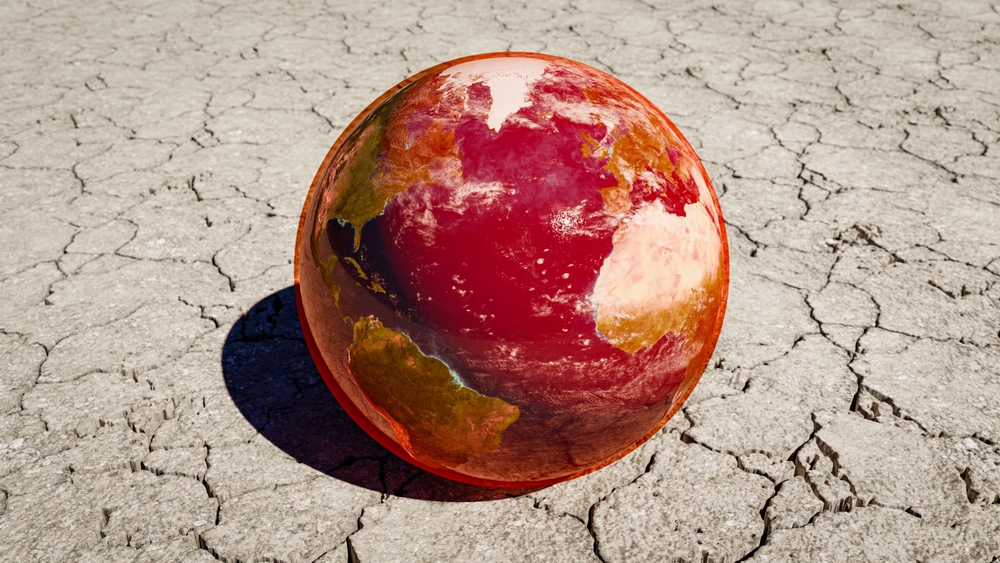
The report describes extreme heat, floods, droughts, storms and wildfires as increasingly prominent features of a changing climate. July 2026 broke records as the hottest month ever recorded in the contiguous United States, according to the assessment, while global ocean temperatures also reached record highs during the month.
The researchers additionally reported substantial losses of glacier mass and Greenland ice. As land-based ice melts, more water enters the oceans, contributing to rising sea levels and increasing risks for coastal communities.
Wildfires are another growing concern. Global tree cover loss caused by fires reached 10.8 million hectares in 2025, an area roughly equivalent to the size of Tennessee. The report identifies rising wildfire activity as both a consequence of climate change and a growing source of greenhouse gas emissions.
Fires can release large quantities of stored carbon into the atmosphere, adding another source of emissions to a climate system already experiencing rapid warming. Hotter and drier conditions can increase fire risks in some regions, while the resulting emissions contribute to further warming.
However, climate change is only one factor influencing individual wildfires and extreme weather events. Local weather, land management, vegetation and other conditions also affect how these events develop and how much damage they cause.
Communities Face Unequal Consequences
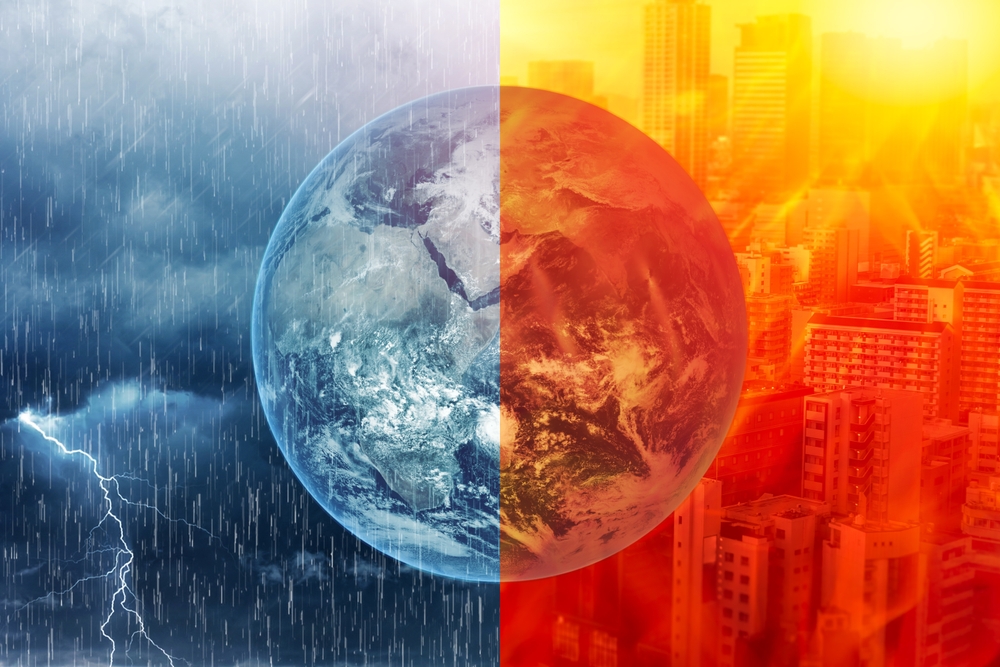
The report warns that climate change increasingly interacts with other global challenges, including biodiversity loss, freshwater stress, food insecurity and geopolitical instability. These overlapping pressures can make it harder for communities to recover from environmental disasters and maintain reliable access to essential resources.
Communities with fewer resources to prepare for disasters can face particularly severe consequences. The authors highlight people in the Global South and small island nations as groups experiencing disproportionate harm despite their comparatively limited responsibility for historical emissions.
Heat waves, flooding and water shortages can damage homes, disrupt livelihoods and place pressure on local infrastructure. Agricultural communities may also face growing difficulties when changing temperatures and rainfall patterns affect crop production.
These risks make adaptation measures essential, particularly in places where communities already face economic or environmental difficulties. Better infrastructure, water management and emergency preparedness can help reduce harm even as efforts to cut emissions continue.
Scientists Fear The Planet Could Cross Irreversible Tipping Points
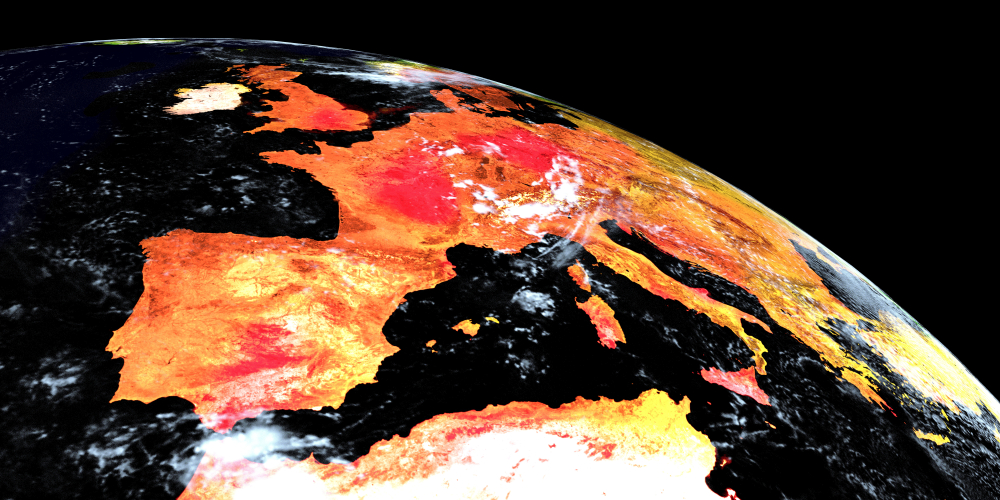
Beyond the immediate effects of warming, researchers are concerned about climate tipping points. These are thresholds beyond which major changes in parts of Earth’s climate or ecosystems can become self-sustaining or extremely difficult to reverse.
One example involves the Atlantic Meridional Overturning Circulation, commonly known as the AMOC. This system moves warm and cold water through the Atlantic Ocean and helps influence weather patterns around the world.
Scientists are studying how warming and changes in freshwater inputs could affect the circulation. A major disruption could have significant consequences for regional climates and marine ecosystems, although the timing and likelihood of such a change remain uncertain.
The Amazon rainforest is another area of concern. Rising temperatures combined with deforestation can weaken the forest’s ability to retain moisture and recover from environmental stress, potentially increasing the risk of extensive ecological changes.
If substantial parts of the Amazon were to experience major shifts, the consequences could extend beyond the region. The forest stores carbon, supports extraordinary biodiversity and influences rainfall patterns, making its continued health important for both local communities and the wider climate system.
How Climate Feedback Loops Could Intensify Warming
Some environmental changes can amplify the conditions that caused them. For example, thawing permafrost can release greenhouse gases stored in frozen ground, while wildfires can release carbon from vegetation and soils.
As warming intensifies, these processes may contribute additional emissions, increasing pressure on the climate system. Researchers are concerned that interacting feedback loops could make future warming more difficult to control.
The same concerns apply to sea ice loss and ecosystem degradation, which can alter how much heat the planet absorbs and how natural systems store carbon. However, the scale and timing of these effects depend on how the climate system responds and how quickly emissions are reduced.
The central concern is that waiting until major changes become unmistakable could leave fewer options for preventing severe damage. Scientists therefore emphasize the value of acting before the most dangerous thresholds are crossed.
A Separate Planetary Health Report Finds Seven Of Nine Boundaries Breached
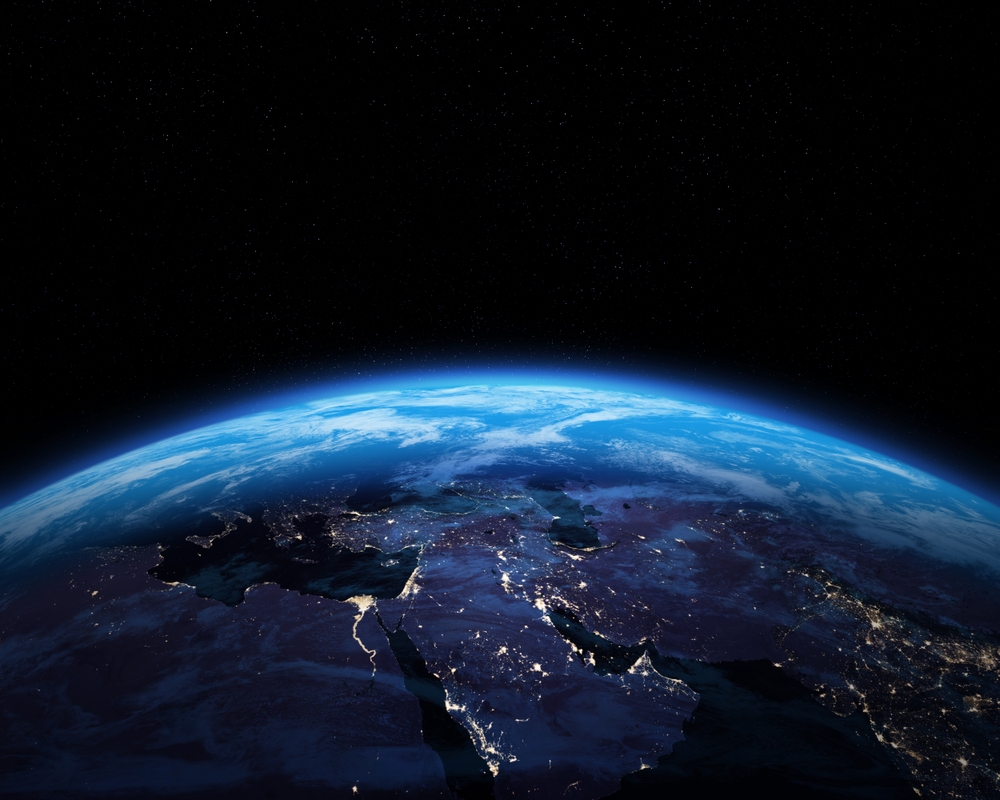
The concerns extend beyond the climate indicators examined in the State of the Climate report. A separate assessment, the Planetary Health Check 2026, evaluated nine planetary boundaries that scientists use to describe the conditions needed for Earth’s stability and resilience.
According to that report, seven of the nine boundaries have been breached. They include climate change, ocean acidification, freshwater change, land system change, altered nutrient cycles, novel human-made substances and declining biosphere integrity.
The remaining two boundaries, stratospheric ozone depletion and atmospheric aerosol loading, were assessed as remaining within globally safe levels. The findings indicate that several major environmental pressures have moved beyond the boundaries scientists associate with a lower-risk operating space.
The planetary boundaries framework differs from the 16 climate indicators used in the State of the Climate report. The two assessments nevertheless point toward overlapping concerns about environmental pressures and the risks of destabilizing natural systems.
Niklas Kitzmann, lead editor of the Planetary Health Check, compared the assessment to a medical examination. “If you had a patient with a blood test that looks like this, you would send them to the ICU right away,” Kitzmann told Live Science.
The report also identifies growing pressure on the Amazon rainforest and marine environments. Ocean acidification, habitat degradation and pollution create additional risks for ecosystems already affected by rising temperatures.
Researchers emphasize that crossing a planetary boundary does not mean immediate collapse is inevitable. Instead, it signals an increased risk of serious environmental damage and a need to reduce the pressures driving these changes.
Renewable Energy Offers Hope, But Progress Remains Too Slow
Despite the alarming findings, scientists point to developments that could help reduce future climate risks. The State of the Climate report notes that low-carbon sources now provide approximately 43% of global electricity, while solar and wind energy consumption increased by around 18%.
The researchers also report that the rate of deforestation in the Brazilian Amazon declined for four consecutive years. These developments suggest that changes in energy production and environmental management are possible, even as other indicators continue to deteriorate.
However, fossil fuel use continues to rise. The report states that consumption of oil, coal and natural gas increased in 2025, while annual energy-related carbon dioxide emissions exceeded 41 gigatonnes for the first time.
The contrast highlights a major challenge. Renewable energy is expanding, but its growth has not yet displaced fossil fuels quickly enough to bring emissions down at the required pace.
Christopher Wolf, a co-lead author of the report, said the expansion of renewable energy and advances in battery storage were encouraging. He also stressed that the transition needed to accelerate dramatically.

What Scientists Say Needs To Change
The researchers call for faster emissions reductions alongside measures that help communities prepare for climate impacts already underway. Their recommendations include expanding clean electricity, improving energy storage and strengthening the infrastructure needed to support a transition away from fossil fuels.
They also emphasize the importance of protecting natural ecosystems through wetland and mangrove restoration, reducing deforestation and safeguarding biodiversity. Such measures can support wildlife while helping natural environments retain carbon and manage water.
Preparing communities for extreme heat is another priority. Urban cooling measures, wildfire preparedness and more resilient food systems can help reduce the damage caused by environmental conditions that are already changing.
Water conservation and improved freshwater management are also necessary as higher temperatures and shifting rainfall patterns put pressure on supplies. These measures are particularly important in regions where water scarcity already threatens households, agriculture and local economies.
The report emphasizes that these responses need to work together. Cutting emissions can limit future warming, while adaptation can reduce the harm communities experience from climate impacts that are already occurring.
The Window For Action Has Not Closed
The latest climate assessment presents a serious warning about the direction in which Earth’s environmental systems are moving. Record greenhouse gas concentrations, accelerating warming and mounting pressure on ecosystems suggest that the risks are increasing, while the possibility of crossing critical tipping points adds urgency to the findings.
Yet the researchers do not describe the future as predetermined. The scale of the damage will depend partly on decisions about energy, land use, conservation and climate preparedness in the years ahead.
William Ripple has called for a move away from the business-as-usual approach that has persisted despite decades of evidence about human-driven climate change. The researchers argue that available solutions need to be implemented much faster and on a much larger scale.
Renewable energy is growing, conservation efforts can protect valuable ecosystems, and adaptation measures can help communities withstand environmental threats. These developments offer a basis for action, although they do not yet match the scale of the challenge.
The planet’s climate indicators are sending a clear warning. Reducing emissions and protecting natural systems now will help determine how much further damage can be prevented before today’s environmental pressures become far more difficult to reverse.