
Your cart is currently empty!
Pamela Anderson Has Found a New Purpose in Canada Through Her Expansive Garden
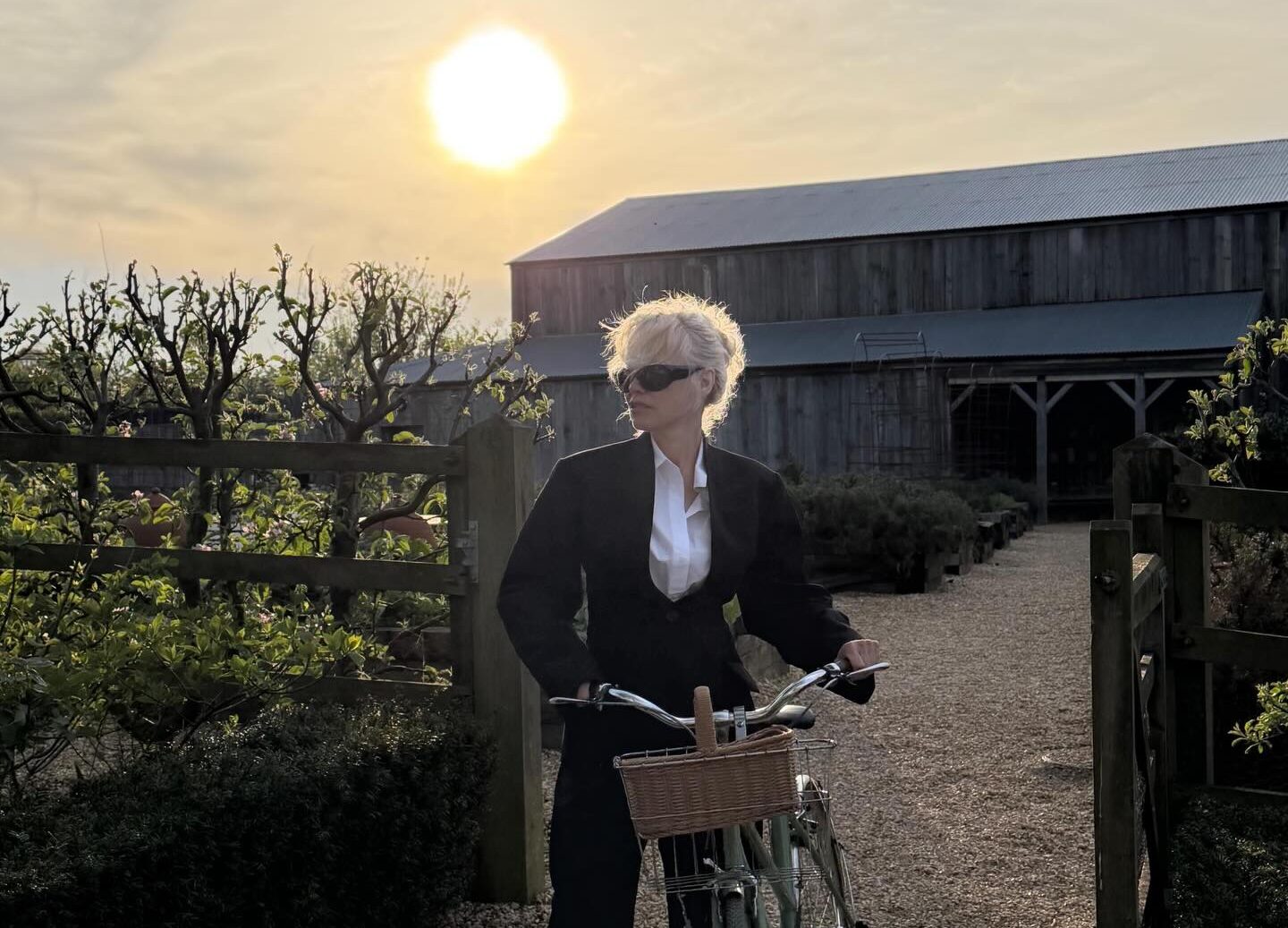
Pamela Anderson has spent decades as one of Hollywood’s most recognizable faces, but one of her biggest projects today is growing far away from the cameras. The former Baywatch star has transformed her family’s Canadian estate into a sprawling garden that supplies fresh produce to local food banks and community organizations.
Contents
show
Covering approximately 15,000 square feet, the garden at her Vancouver Island property has become a central part of Anderson’s life since she returned home in 2020. What started as a personal project has grown into something with a much wider reach, allowing her to share the harvest with people who can put the food to good use.
Pamela Anderson’s Garden Has Grown Into A Community Project
Anderson’s garden is located at Arcady, her family’s property on Vancouver Island in British Columbia. Since returning to the area where she grew up, she has worked on restoring the estate and developing an extensive growing space filled with vegetables, herbs, fruit and flowers.
According to Architectural Digest, the garden now covers approximately 15,000 square feet. Maintaining a space of that size requires regular attention, from caring for growing plants to harvesting produce when it is ready. The result, however, extends beyond the needs of Anderson’s own household.
The actress has documented the property’s development on social media and through her Hulu reality series, Pamela’s Garden of Eden. Viewers have been able to follow the restoration work and see how the garden has become part of her everyday life in Canada.
In an interview with Architectural Digest, Anderson explained that the project had become much larger than she originally anticipated.
“It was so much bigger than I thought it was going to be!” she said. “We get to feed a lot of food banks, soup kitchens, churches, neighbors, and family and friends.”
The harvest gives Anderson a way to support organizations and people in her local community while pursuing an interest she clearly enjoys. The garden is both a personal undertaking and a source of fresh food that reaches beyond her property.
Its development also represents a considerable change from the public image that made Anderson famous. Instead of spending all her time in the entertainment industry’s spotlight, she has created a project centered on growing food and maintaining a family home.
Why Anderson Returned To Vancouver Island In 2020
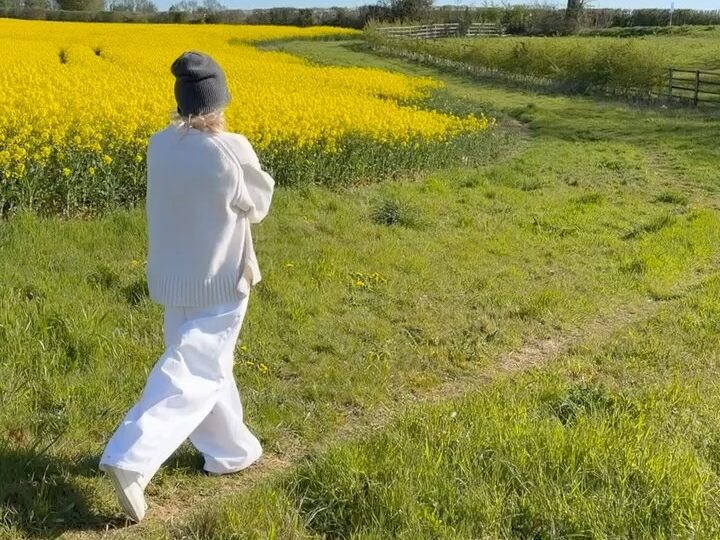
Image credits – Instagram @pamelaanderson
Anderson’s decision to return to Canada brought her back to the place where she spent her childhood. In 2020, she moved to Vancouver Island and began restoring a family property with a history stretching back generations.
The estate includes an old motel once owned by her grandmother. Anderson has worked on renovating the property, reconnecting with a place that holds memories of her early life and her family’s roots.
The move also marked a personal turning point. After years of international attention, Anderson decided to focus more closely on her home and the activities that gave her a sense of purpose away from celebrity culture.
In an interview with Better Homes & Gardens, she explained the thinking behind her return.
“I came to a point where I decided to move home and disappear and get into my garden,” Anderson said.
She described the process of creating the garden as closely connected to rebuilding her life. Planting seeds and watching them grow gave her a practical project that developed gradually, with each small task contributing to something larger.
“And when I started building the garden, it was really like a metaphor of putting my life back together. I began planting seeds, and the smallest things became really profound,” she added.
Her comments reveal why the garden has become more than an ordinary hobby. It gives Anderson a connection to her childhood home while providing a project that changes with the seasons and rewards consistent care.
The restoration of Arcady and the development of its growing spaces have also allowed her to shape the property around her current interests. Rather than simply returning to a familiar place, she has been actively transforming it into somewhere she can live, work and grow food.
Her Unusual Gardening Style Lets Nature Take The Lead
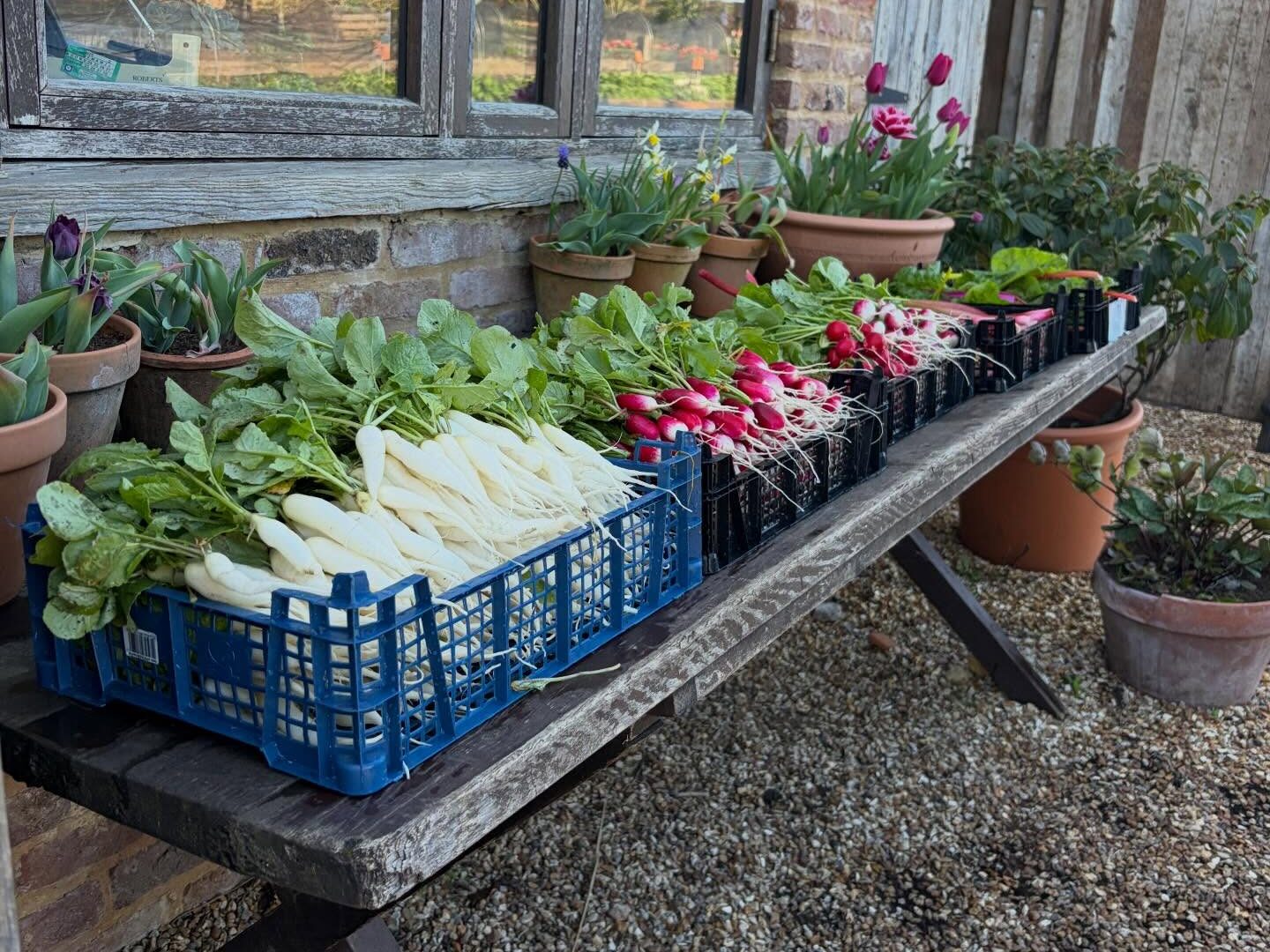
Image credits – Instagram @pamelaanderson
Anderson’s approach to gardening is not built around perfectly straight rows or a rigid arrangement of plants. She prefers a more relaxed style that allows unexpected growth to become part of the experience.
Much of the garden uses raised beds, trellises and pergolas, creating different spaces for growing vegetables and other plants. These structures can help gardeners organize crops and make better use of the available area, particularly when climbing plants need support.
However, Anderson does not insist that every plant remain exactly where it was originally intended to grow. She enjoys seeing seedlings appear in unexpected places and allowing them to develop when conditions permit.
Speaking to Homes & Gardens, she explained her preference for a less formal layout.
“I’m a little bit more of a wild gardener,” Anderson said. “I don’t like straight lines.”
She has described enjoying the moment when a tomato plant appears among the corn instead of growing in its designated bed. Such surprises are part of what makes the garden interesting to her, giving the space a character that cannot be completely planned in advance.
“I love the surprises that a garden offers,” she told the publication.
Her approach combines practical gardening methods with a willingness to let some plants grow naturally. The garden is maintained, but it does not need to look perfectly controlled at every turn.
That philosophy also applies to the flowers growing among her vegetables. Anderson plants flowers that can attract bees and butterflies, allowing the garden to serve different purposes rather than concentrating exclusively on food production.
She told Homes & Gardens that she sometimes allows unexpected vegetables and other plants to flourish rather than immediately removing them. For Anderson, those unplanned developments are part of the appeal of working with nature.
Fresh Produce Goes To Food Banks And Local Communities
Image credits – Instagram @pamelaanderson
One of the most significant aspects of Anderson’s garden is the amount of attention she gives to sharing its harvest. The produce is distributed beyond her own household, reaching local organizations and people who can use fresh ingredients.
According to the supplied reports, Anderson shares food with food banks, soup kitchens, churches, neighbors, family and friends. She has also spoken about providing produce to First Nations communities.
In an interview with Vogue Scandinavia, Anderson described the benefits of the project in straightforward terms.
“My garden does a lot of good. Nothing goes to waste,” she said.
The garden gives her a practical way to contribute to her community through something she is already passionate about. Rather than growing everything exclusively for personal consumption, she can share the harvest when there is more produce available than her household needs.
Food banks and soup kitchens distribute food to people facing different financial circumstances. Fresh vegetables and other produce can provide useful ingredients for meals, making a garden’s surplus a potential resource for community organizations.
The reports do not provide a detailed breakdown of the quantities Anderson donates or the number of people who receive the produce. Even so, her comments establish that community support is a deliberate part of how she approaches the project.
The arrangement also connects the work involved in growing food with a clear, practical outcome. The vegetables require time and care before they are ready, but their value does not end when they leave the garden.
For Anderson, sharing the harvest gives the project a purpose that reaches well beyond the boundaries of her family’s property.
Her Passion For Cooking Complements The Garden
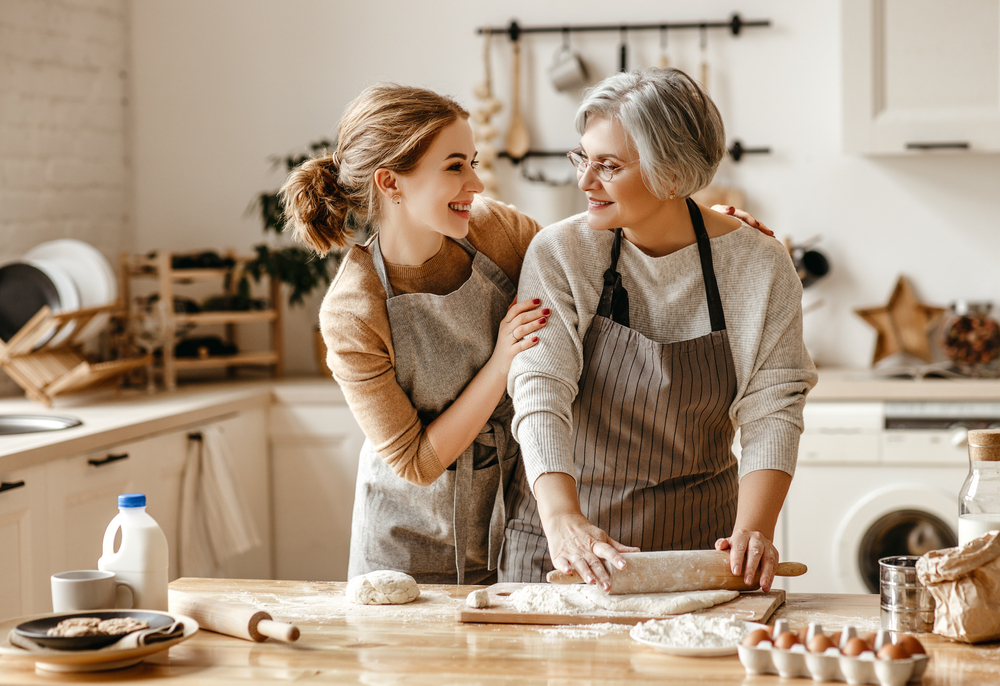
Anderson’s interest in growing food also fits with her long-standing enthusiasm for cooking. In 2024, she published I Love You: Recipes From the Heart, a plant-based cookbook inspired by family meals, fresh ingredients and bringing people together around food.
The garden creates a direct connection between those interests. Vegetables and herbs can be harvested for her own kitchen, while the wider growing space produces food that can be shared with other households and organizations.
Gardening and cooking also give the property a practical rhythm. Plants need to be watered and maintained, and crops must be harvested when they are ready. The ingredients can then become part of everyday meals instead of remaining simply an attractive feature of the estate.
Anderson’s relaxed approach to growing plants means the garden can also produce unexpected additions to the kitchen. A tomato appearing among the corn or a vegetable growing in an unplanned spot can become another useful part of the harvest.
Her experience may encourage other people to consider growing some of their own food, even if they have nothing close to 15,000 square feet available. A smaller garden can still provide herbs, vegetables or other ingredients for regular meals.
People interested in following a similar approach can start with a few practical choices. Growing vegetables they already enjoy eating can make gardening easier to maintain, while trellises can help climbing plants use vertical space. Flowers can provide color and attract pollinators, and suitable self-seeded plants can be left to grow when they do not crowd other crops.
Sharing surplus produce can also help connect a home garden with the surrounding community. Local organizations may have particular requirements for donated food, so checking their guidelines can help ensure the harvest is suitable for distribution.
Anderson’s garden is much larger than most domestic growing spaces, but the underlying idea can work on a smaller scale. Grow food that will be used, care for it properly and find a useful purpose for any surplus.
Anderson’s Hollywood Career Continues Alongside Her New Chapter
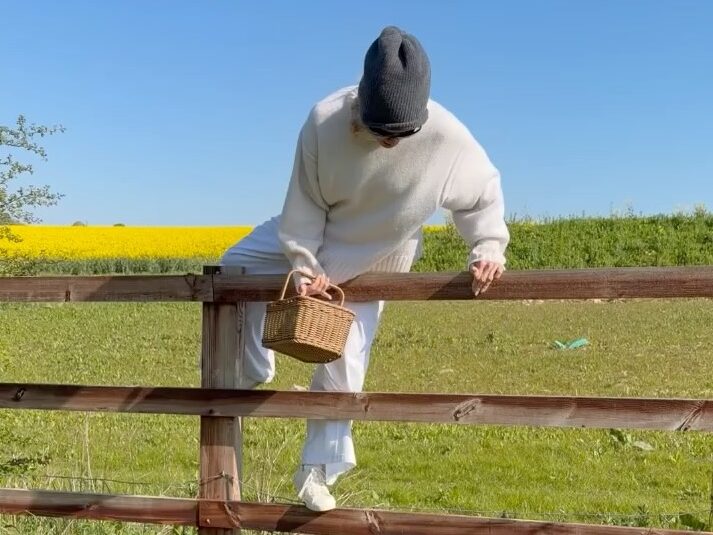
Image credits – Instagram @pamelaanderson
Although Anderson has developed a quieter life in Canada, she has not walked away from the entertainment industry. Her career continues alongside the time she spends restoring Arcady and maintaining the garden.
She first gained widespread attention after appearing on the cover of Playboy in 1989 and becoming a Playmate in 1990. Her international profile grew further when she joined Baywatch in 1992, playing lifeguard C.J. Parker.
The television series became a major part of 1990s popular culture, helping establish Anderson as one of the decade’s most recognizable stars. Her public image remained closely associated with modeling, television and celebrity coverage for many years.
More recently, she received renewed critical attention for the Netflix documentary Pamela, A Love Story and her performance in The Last Showgirl. These projects have brought fresh attention to her career while her life in Canada has developed in a different direction.
The contrast between the two is striking. Anderson remains a familiar figure in entertainment, yet some of her time is now devoted to work that involves planting, watering and harvesting rather than performing in front of cameras.
Gardening comes with its own demands. Plants need regular care, changing weather can affect the harvest, and crops follow their own growing schedules. The work requires patience, but the results can be measured in food that is ready to eat or share.
Her return to Vancouver Island has therefore created room for both sides of her life. She can continue working in entertainment while building a daily routine around her family property and the garden.
Gardening Has Become A Source Of Personal Fulfillment
Anderson has spoken about the personal effect gardening has on her, describing it as an activity that leaves her feeling better after spending time among her plants.
In an interview with Homes & Gardens, she explained, “I go into my garden, and I come out a better person every time. That is for sure.”
The comment reflects the connection she has drawn between gardening and her return home. The project allows her to focus on something that develops gradually, while giving her a way to care for the property and contribute to the local community.
She expressed a similar idea in a video for her skincare brand, Sonsie, linking the act of caring for something with what it can give back.
“They say the way you tend to something shapes what it becomes. What you nurture, nurtures you back,” Anderson said.
At Arcady, that idea has a visible outcome. Seeds become plants, plants produce food, and some of the harvest travels beyond the estate to people and organizations in the surrounding area.
Anderson’s garden may occupy an unusually large space, but its most meaningful feature is the decision to share what it produces. For local food banks and community organizations, the harvest offers a practical contribution. For Anderson, the garden has become a way to reconnect with home while building something that benefits others.
After decades of public attention, her work in the garden offers a different measure of success: the food she grows can leave her property and help put fresh ingredients on someone else’s table.
Featured Image from Instagram @pamelaanderson