
Your cart is currently empty!
Your Dog Could Be Judging Your Trustworthiness, And Scientists Have Discovered Something Fascinating
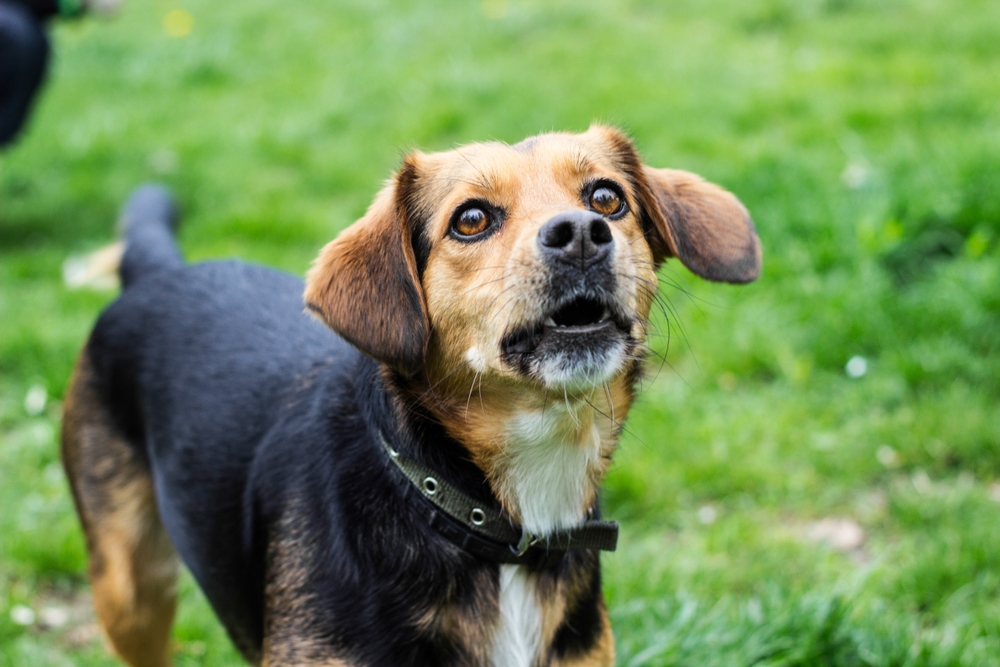
Your dog might be picking up on things about people that you have never noticed. While many owners believe their pets have an uncanny ability to sense when someone cannot be trusted, scientists have discovered that dogs can change their behavior after a human misleads them. The findings offer a fascinating explanation for why dogs sometimes become hesitant around people who have previously given them unreliable signals.
Contents
show
Researchers led by Akiko Takaoka at Kyoto University in Japan conducted an experiment involving 34 dogs to investigate how they respond to human behavior. The results suggested that dogs pay attention to whether people provide reliable information, rather than automatically trusting every gesture. The experiment involved hidden food, misleading directions, and a final test that revealed how quickly the animals adjusted their responses after an experience that left them with reason to doubt a human.
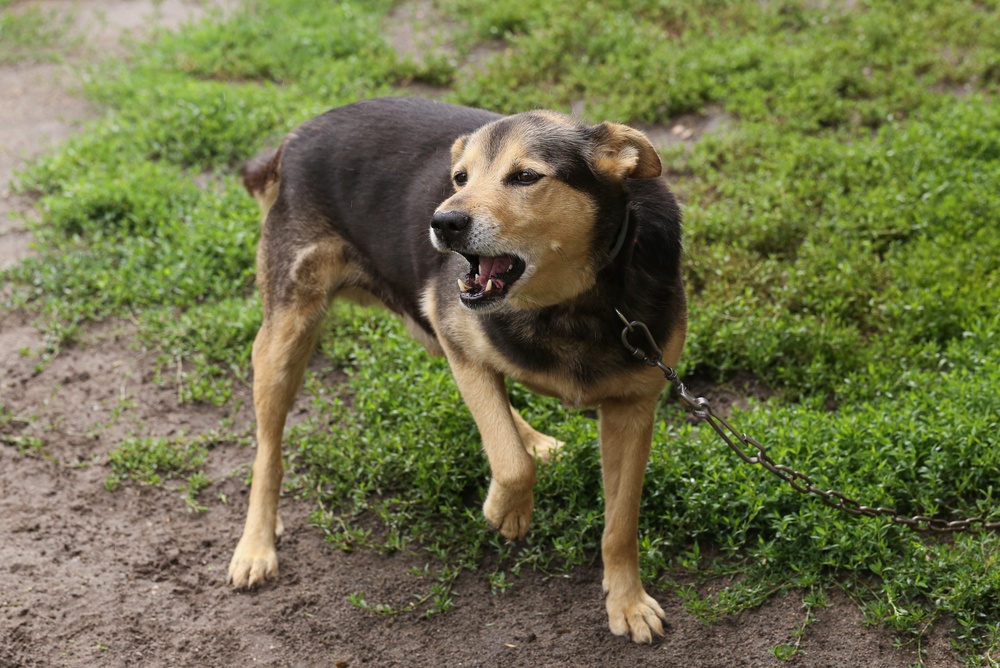
The Experiment That Revealed How Dogs Respond To Untrustworthy Humans
The research examined whether dogs would continue following a person’s directions after discovering that the information they received was unreliable. Dogs are known for their ability to follow human pointing gestures, which makes the behavior particularly useful for studying communication between people and animals. The researchers used this familiar skill to investigate whether dogs simply followed instructions or adjusted their decisions according to their previous experiences.
During the first stage, a person pointed toward a container holding hidden food, and the dogs followed the gesture to find the reward. The experimenter then pointed toward a container that was empty, causing the dogs to receive misleading information. When the person pointed toward a food-containing container again, the dogs were less inclined to follow the gesture than they had been before the misleading experience.
The findings suggested that dogs were paying attention to the reliability of the human giving the directions. Rather than responding to every pointing gesture in the same way, they appeared to use information from the earlier rounds to guide their next decision. The research was published in the journal Animal Cognition in 2015 under the title Do dogs follow behavioral cues from an unreliable human?
What Happened During The Three Rounds Of Testing
The experiment relied on a straightforward sequence, but the order of events was essential to understanding the dogs’ behavior. Researchers wanted to see whether an initially reliable person could lose the dogs’ trust after giving them misleading information. By repeating the pointing task, they could observe whether the animals changed their responses when the same person became less dependable.
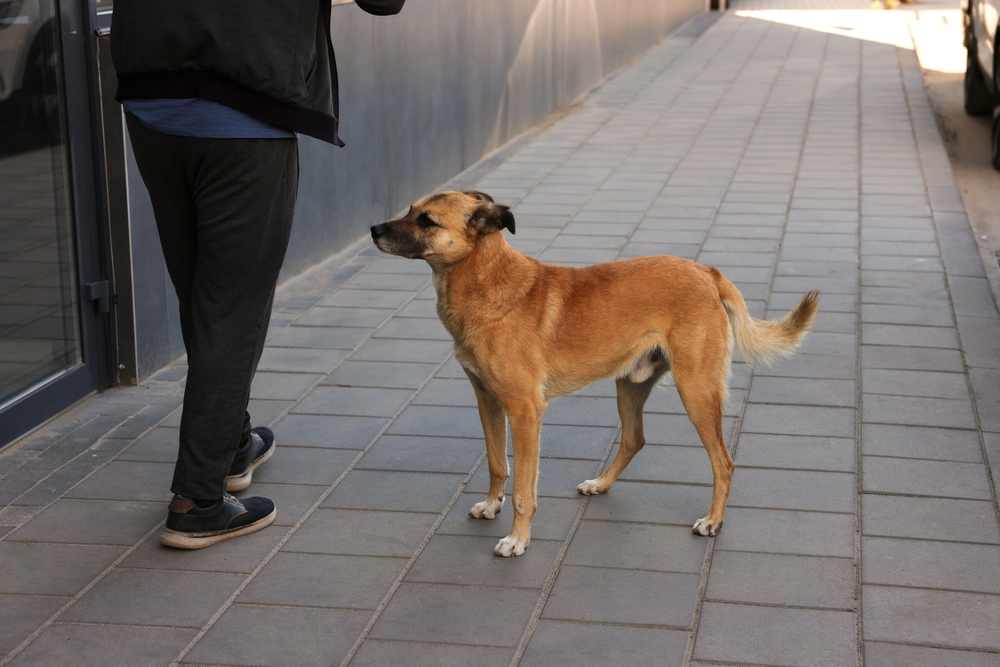
Round One: The Dogs Find The Hidden Food
At the beginning, the experimenter pointed toward a container that held food, and the dogs followed the gesture successfully. The person had provided useful information, allowing the animals to locate the reward. This first round established a familiar pattern in which following a human’s direction produced the expected result.

Round Two: The Human Points Towards An Empty Container
The experimenter then pointed toward a container without food inside, and the dogs discovered that the gesture had led them to the wrong place. This changed the circumstances because the person who had previously provided useful information had now given a misleading cue. The dogs had experienced a situation in which following the same type of gesture failed to produce the expected reward.
Round Three: The Dogs Become More Reluctant To Follow
When the experimenter pointed toward a container containing food again, the dogs were less likely to follow the gesture after the misleading round. Their responses suggested that the earlier experience had influenced their willingness to rely on the same person’s directions. The results offered evidence that dogs can adjust their behavior according to a human’s recent reliability, although they do not establish that dogs can identify someone’s overall moral character.
Scientists Say Dogs Have More Sophisticated Social Intelligence Than Expected
Takaoka was surprised by how quickly the dogs changed their responses after receiving misleading information. She explained the significance of the findings by saying, “Dogs have more sophisticated social intelligence than we thought.” The experiment provided evidence that dogs can use their experiences with people to influence how they respond to later interactions, adding to research into canine social cognition.
Dogs regularly depend on human gestures and routines to understand what is happening around them. A pointing hand can direct a dog toward food, a toy, or a particular location, while familiar signals help owners communicate expectations during everyday activities. If a signal repeatedly fails to provide useful information, a dog may become less willing to follow it, which could help explain the behavior observed during the experiment.
The findings also raise questions about how dogs developed their ability to understand human communication. Researchers were interested in the possible influence of domestication, since dogs have lived alongside humans for thousands of years. Comparing dogs with wolves could help researchers investigate whether the differences in their responses are connected to the long history of domestication and the close relationship between dogs and people.
Can Dogs Really Tell When Someone Is A Bad Person?
The idea that dogs can recognize a bad person is appealing, particularly for owners who have watched their pets react differently to different visitors. However, the experiment examined something more specific than a person’s character. It tested whether dogs changed their responses after receiving misleading information from a human, rather than asking them to identify dishonest people or determine whether someone was dangerous.
A dog that becomes hesitant around a person may be responding to unfamiliar movements, previous experiences, environmental distractions, or a range of other factors. Its behavior alone cannot establish whether someone has bad intentions. The Kyoto University study supports the idea that dogs can learn when a particular person’s signals become unreliable, but it does not prove that they possess a special ability to expose liars.
This distinction does not make the findings any less interesting. Learning which signals are dependable can help an animal make better decisions, particularly when it regularly relies on another species for information. Dogs appear capable of adjusting their responses when experience gives them a reason to question a human’s directions, even if the experiment cannot tell us exactly what the animals were thinking.
Dogs And Young Children Show An Interesting Similarity
Researchers have also investigated how young children decide whether to trust information provided by other people. A 2011 study published in Child Development examined 90 children aged three to five and explored how they responded to advice from people who had provided either reliable or misleading information. The researchers found that children’s ability to distinguish between dependable and unreliable sources developed with age.
The study found that three-year-olds tended to accept advice from both reliable and unreliable informants. Four-year-olds showed greater skepticism, although they did not consistently favor the person who had provided accurate information. By age five, children systematically preferred advice from people who had previously given them correct information, suggesting that experience played a role in how they assessed the credibility of others.
The children’s study and the dog experiment used different methods, so their results should not be treated as a direct comparison of intelligence. Nevertheless, both lines of research examine how previous experiences influence decisions about whether information can be trusted. In the case of dogs, the Kyoto University experiment suggests that their responses to human gestures can change when those gestures have proved unreliable.
Why Reliability Matters In The Relationship Between Dogs And Humans
Dogs have developed an impressive ability to interpret human behavior, which helps them live alongside people and respond to everyday instructions. Following gestures can help them locate rewards, understand where their owners want them to go, and respond to signals during training. The Kyoto University experiment suggests that dogs may also take the reliability of those signals into account when deciding how to respond.
This ability could have practical implications for how people train and communicate with their pets. Dogs learn through experience, and consistent cues can help them understand what their owners expect. When instructions are confusing or unpredictable, dogs may struggle to determine which response is appropriate, making clear communication an important part of building reliable behavior.
However, every dog has its own experiences and temperament, and the findings should not be used to make sweeping judgments about individual animals. A dog that ignores a command might be distracted or uncertain rather than deliberately refusing to cooperate. The research offers a useful insight into canine learning, while also showing why individual behavior needs to be considered in context.
Five Things The Research Suggests About Your Dog
The Kyoto University experiment offers several useful observations about how dogs respond to human communication. Although it does not prove that dogs can identify bad people, it provides evidence that their behavior can change after they receive unreliable information.
- Dogs can follow human gestures. Pointing can help dogs locate food and understand directions from people.
- Previous experiences can influence behavior. The dogs changed their responses after receiving misleading information during the experiment.
- Trust can depend on reliability. The findings suggest that dogs are sensitive to whether a person’s signals provide useful information.
- Dogs do not automatically follow every cue. Their willingness to respond can change according to what they have experienced.
- A dog’s reaction does not prove someone’s intentions. Hesitation around a person can have several explanations and should not be treated as evidence of dishonesty.
These observations offer a more precise understanding of what owners sometimes describe as a dog’s ability to judge character. The research suggests that dogs can learn from the way people behave toward them, but their reactions should be interpreted carefully rather than treated as infallible judgments about other people.
Your Dog May Remember More Than You Think
The Kyoto University findings offer a fascinating look at the relationship between human behavior and canine learning. When a person gave misleading information, the dogs became less inclined to follow that person’s directions, suggesting that their experiences influenced subsequent decisions. That ability may help dogs make sense of the people around them, particularly when they depend on human gestures to guide their behavior.
The next time your dog hesitates after receiving a familiar signal, there may be more happening than simple stubbornness. Its response could reflect what it has learned from previous interactions, although distraction, uncertainty, and other factors can also influence its behavior. Dogs may not be able to tell us who is a bad person, but science suggests they can learn when a human’s directions are no longer worth trusting.
Sources:
Takaoka, A., Maeda, T., Hori, Y., & Fujita, K. (2014). Do dogs follow behavioral cues from an unreliable human? Animal Cognition, 18(2), 475–483. https://doi.org/10.1007/s10071-014-0816-2