
Your cart is currently empty!
Great White Shark Stuns California Beachgoers After Leaping Dramatically Out Of The Ocean
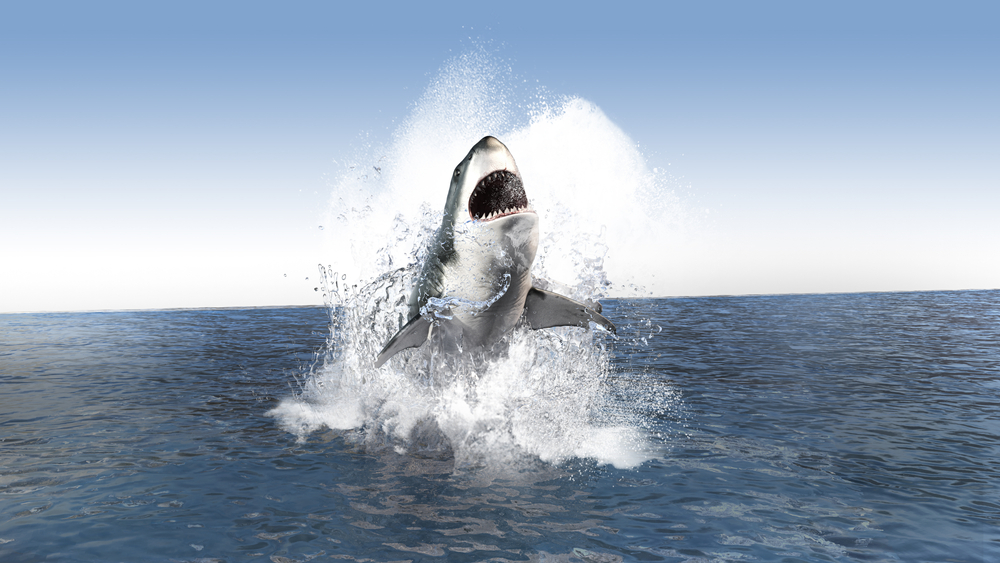
A group of beachgoers enjoying a relaxing day along California’s coastline ended up witnessing a sight most people would never expect to see during an ordinary visit to the beach. As they took photographs and recorded the scenery at Marina State Beach in Monterey Bay, an enormous shark suddenly launched itself out of the ocean, sending much of its body above the water before disappearing beneath the waves. The extraordinary moment was captured on camera, turning a casual photo session into an unforgettable wildlife encounter that would soon attract attention online.
Contents
show
The remarkable footage was recorded in October 2026, when a local beachgoer named Erin King was helping a group of three women take photographs near the shoreline. What happened next was so perfectly timed that it looked almost staged, with the enormous predator appearing in the background just as the cameras were rolling. California State Parks subsequently confirmed the sighting, while officials issued a shark advisory for the beach. The incident has since offered a striking glimpse of the wildlife living beneath the surface of California’s Pacific waters.
The Shark Made An Unexpected Appearance During A Photo Session
The encounter began like any other visit to the beach, with visitors enjoying the coastal scenery and taking pictures beside the ocean. King noticed three women trying to capture photographs of themselves and offered to help them get their pictures. The group later returned the favour, creating an ordinary moment of kindness that quickly became far more memorable than anyone could have anticipated. As they focused their cameras on the beach, a huge shark suddenly breached in the background, rising dramatically above the surface.
The footage shows the animal bursting through the water with enough force to send a substantial portion of its body into the air. The shark then drops back into the ocean, leaving behind a scene that looks more like a wildlife documentary than a casual beach video. The timing made the moment particularly extraordinary because the people filming had not been deliberately searching for sharks or waiting for an animal to appear. They were simply recording their surroundings when nature delivered an unexpected spectacle.
King later described the experience as something that happened almost instantly, explaining that the group had been fortunate enough to witness the breach at precisely the right moment. The video captured the event from the beach, allowing viewers to see just how dramatically the shark emerged from the water. For the people present, the sudden appearance of such a large predator must have been startling, particularly given how quickly the animal disappeared beneath the waves.
Officials Confirmed The Extraordinary Wildlife Encounter
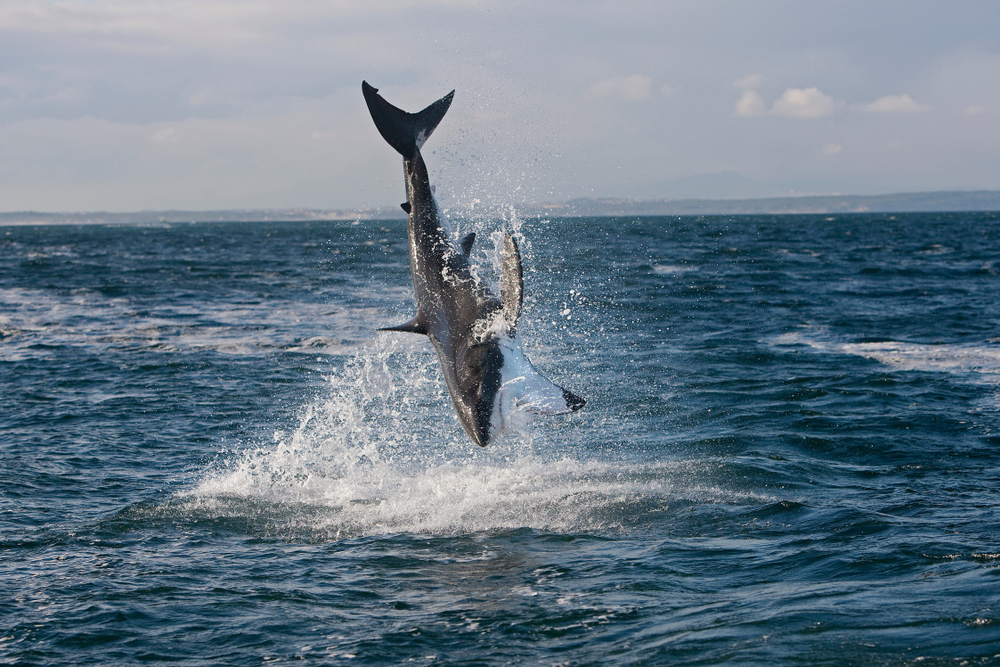
The video quickly attracted attention because viewers wanted to know whether the remarkable breach was genuine. California State Parks subsequently confirmed that a shark had been seen breaching off Marina State Beach, helping establish that the footage captured a real wildlife encounter. Officials also compared the recording with footage from a nearby coastal camera, using matching timestamps to support the conclusion that both recordings showed the same event.
Mike Dippel, chief ranger for California State Parks, explained that the timing and location of the recordings strongly suggested the footage showed the same shark. The confirmation added credibility to a clip that might otherwise have seemed almost too extraordinary to believe. While the animal has been identified in reports as a great white shark, the exact size of the individual has not been independently established through a scientific measurement.
Following the sighting, authorities issued a shark advisory for Marina State Beach. The warning was intended to alert visitors to the recent activity and encourage caution around the water. Shark advisories are an important part of coastal safety because they give beachgoers information they can use when deciding whether to swim, surf or take part in other ocean activities. The sighting did not establish that an attack had occurred, but it gave visitors a reason to pay close attention to local guidance.
Why Great White Sharks Sometimes Launch Themselves Above The Water
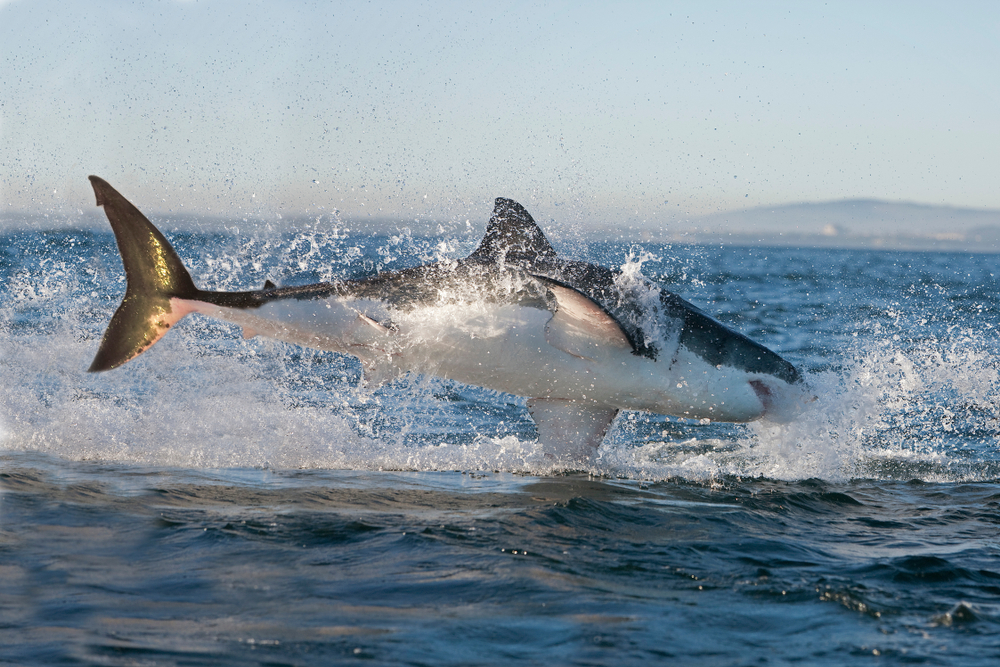
Great white sharks are among the ocean’s most powerful predators, and their ability to accelerate rapidly through the water helps them hunt prey in coastal environments. Breaching occurs when a shark rises out of the sea with enough momentum to send some or most of its body above the surface. The behaviour is particularly associated with great whites hunting seals and sea lions in certain locations, where they may approach their prey from below and surge upward in a sudden attack.
The movement can be spectacular because a large shark must generate considerable force to propel its body into the air. Its muscular tail helps provide the power needed to accelerate, while its streamlined shape allows it to move efficiently through the water. When a shark breaches, the result can look startlingly dramatic, especially to people watching from the shore. However, a video showing a breach does not automatically reveal why the animal performed the movement.
There is currently no confirmed evidence establishing what prompted the shark at Marina State Beach to leap out of the ocean at that particular moment. It may have been displaying behaviour associated with hunting or another natural activity, but assigning a specific motive without further evidence would be speculation. What the footage does show is a powerful marine animal moving through its natural environment, demonstrating the kind of behaviour that makes encounters with wild ocean life so unpredictable.
Marina State Beach Is Home To A Remarkable Marine Environment
Marina State Beach sits along California’s central coast beside Monterey Bay, an area recognised for its diverse marine wildlife and distinctive coastal landscape. The surrounding waters form part of the Monterey Bay National Marine Sanctuary, a protected marine environment that supports numerous species, including fish, seabirds and marine mammals. Great white sharks are native to California’s coastal waters, and their presence forms part of the wider ecosystem that makes the region an important destination for wildlife enthusiasts.
The beach itself attracts visitors who come to enjoy its scenery and outdoor activities. People can explore the shoreline, enjoy picnics or take part in activities such as kite flying and hang-gliding in the surrounding area. The appearance of a large shark may seem unusual to visitors who are unfamiliar with the region, but these animals naturally inhabit parts of the Pacific coastline. Their presence is a reminder that beaches are places where human recreation overlaps with an active marine environment.
Visitors should also be aware that ocean conditions at Marina State Beach can be dangerous even when no sharks have been sighted. Powerful rip currents can pull swimmers away from shore and create serious risks for people entering the water. California State Parks warns beachgoers to exercise caution and pay attention to local safety information. Understanding these hazards is essential for anyone planning to spend time along the coastline, particularly when changing conditions can make the ocean unpredictable.
Great White Shark Activity Often Increases Along The Central Coast In Fall
The sighting took place during October, a period when great white sharks are known to return to parts of California’s central coast. Seasonal movements influence where these animals spend their time, with changes in prey availability and environmental conditions playing a role in their distribution. Dippel noted that the autumn months are a familiar period for white shark activity in the region, making the timing of the encounter consistent with established patterns of coastal wildlife movement.
Although the presence of sharks can understandably make some visitors nervous, their appearance near a beach does not automatically mean an attack is imminent. Great white sharks are wild predators, and their movements are influenced by natural behaviours rather than an intention to approach people. Encounters can still carry risks, which is why authorities monitor sightings and issue warnings when appropriate. Visitors should take official advisories seriously rather than assuming that a beach is safe simply because the water appears calm.
Anyone visiting Marina State Beach can take several sensible precautions before entering the ocean. Checking current beach warnings, following posted signs and listening to lifeguards can help people make informed decisions about water activities. Visitors should avoid approaching marine wildlife and leave the water if officials issue instructions to do so. These precautions are useful regardless of whether a shark has recently been spotted, since ocean conditions can change quickly along the California coastline.
The Shark’s Reputation Does Not Tell The Whole Story
Great white sharks have developed a fearsome reputation over the decades, with films such as Jaws helping shape the way many people imagine them. Their size, powerful jaws and role as apex predators can make them appear almost unstoppable. However, the popular image of a shark constantly hunting humans does not accurately reflect the complexity of its behaviour. Great whites generally occupy their own ecological niche, hunting prey that forms part of their natural diet.
Shark encounters involving humans can result in serious injuries, and the risks should never be dismissed. However, attacks remain uncommon compared with the enormous number of people who enter the ocean every year. The likelihood of an encounter varies depending on location, activity and environmental conditions, so local warnings remain important. Understanding the difference between a dramatic sighting and evidence of an immediate threat helps people respond to wildlife encounters with appropriate caution.
Great white sharks also play a valuable role in marine ecosystems. As large predators, they influence the movement and behaviour of other animals within the food web. Their presence contributes to the ecological balance of coastal waters, making them an important part of the natural environment around Monterey Bay. While a shark launching itself above the waves may be an intimidating sight, the behaviour also reveals the power and complexity of a species that has survived in the oceans for millions of years.
One Perfectly Timed Video Captured A Moment Few People Witness
The encounter at Marina State Beach transformed an ordinary photo session into an extraordinary wildlife sighting, all because a huge shark happened to breach at precisely the right moment. For King and the three women taking photographs, the event created a shared experience they were unlikely to forget. The footage also gave others a rare opportunity to witness the dramatic movement of a large shark without needing to be on a boat or underwater.
The sighting prompted an official advisory, but the confirmed event did not involve a reported attack on the people filming. The shark was behaving in the ocean, while the beachgoers remained on shore. That distinction matters when dramatic footage spreads online, because an animal’s size and sudden appearance can easily create the impression of danger beyond what the available evidence establishes.
For visitors planning a trip to California’s central coast, the best approach is to appreciate the wildlife while respecting the ocean’s unpredictable conditions. Check current warnings before entering the water, follow local instructions and give marine animals plenty of space. The shark’s spectacular leap may have lasted only seconds, but it captured a striking truth about life along the Pacific coast: the ocean can be full of surprises, even when everyone is simply posing for a photograph.