
Your cart is currently empty!
Russian Linked AI Videos Target Senate Candidates Ahead of Midterm Elections

A series of suspicious political videos is putting real people’s identities at the center of an alleged foreign disinformation campaign targeting Democratic Senate candidates in the United States. The clips appear to use artificial intelligence to make fabricated allegations look like genuine news reports and personal testimonies, raising concerns about how quickly misleading content can spread before voters head to the polls.
Contents
show
The videos target Sherrod Brown in Ohio and James Talarico in Texas, with researchers identifying similarities to a Russian-linked influence operation known as Storm-1516. As the November midterm elections approach, the incidents are drawing renewed attention to the risks posed by manipulated media, particularly when genuine photographs and familiar news formats make fabricated stories appear credible.
A Former Political Intern Finds Her Identity Used in a Fake Video
One of the videos targets Sherrod Brown, the Democratic Senate candidate running against Republican Sen. Jon Husted in Ohio. Presented in the style of a news broadcast, the clip includes photographs of former Brown staff members, including Haya Akbik, who interned for the politician several years ago.
Akbik told The Associated Press that the claims attributed to her in the video were completely fabricated, expressing concern that viewers could associate her name with allegations she never made. She also pointed out that the material could damage the reputation of the candidate and other people featured in the clip.
“It’s my name, it’s my reputation, making this allegation, and it’s just completely false,” Akbik told the AP. Her comments illustrate the personal consequences of disinformation campaigns that use real identities to give invented stories an appearance of authenticity.
Akbik also questioned the broader consequences of allowing fabricated content to circulate online without adequate safeguards. She called attention to the need for Congress to address misleading AI-generated material, describing the situation as damaging to the people caught up in it.
The incident demonstrates how someone with no current role in a political campaign can become involved in an election controversy without their knowledge or consent. When a video places a recognizable face beside a fabricated allegation, viewers may assume the person has made a statement even when they have publicly rejected the claim.
James Talarico Faces a Separate Wave of Fabricated Allegations
Another suspicious video targets James Talarico, the Democratic candidate seeking a Texas Senate seat against Republican Ken Paxton. Unlike the clip presented as a newscast, this video is framed as a direct-to-camera confession from someone portrayed as a former student of Talarico.
Researchers believe the material was generated or manipulated using artificial intelligence, although the exact production process has not been conclusively established in the available reporting. The video’s presentation attempts to make an allegation appear personal and direct, potentially encouraging viewers to treat it as an authentic account.
JT Ennis, a spokesperson for Talarico’s campaign, condemned the videos in a statement, accusing those behind the campaign of using deceptive content to attack the candidate. His response reflected the campaign’s position that fabricated allegations were being circulated to influence the political contest.
“The most powerful people in the world know they can’t beat James Talarico with the truth, so they’re slandering him with AI deepfakes, foreign bots, and conspiracy theories to protect their broken, corrupt political system,” Ennis said.
The statement represents the campaign’s assessment of the incident rather than independent proof of who created the video or why. Researchers have identified similarities with earlier Russian-linked influence operations, but attribution remains an assessment based on the available evidence.
The two cases also demonstrate how disinformation can use different formats to pursue a similar objective. One video imitates a conventional news report, while the other adopts the appearance of a personal confession, allowing fabricated allegations to circulate in formats audiences may already recognize.
Experts Identify Similarities to Russian Network Storm-1516

Researchers investigating the videos have identified characteristics resembling Storm-1516, a Russian-linked influence operation associated with deceptive political content circulated during previous election cycles. The network attracted attention in 2024 after videos spread false accusations involving Democratic vice presidential nominee Tim Walz and other political subjects.
Darren Linvill, a Clemson University professor and media forensics expert, found that accounts sharing the recent videos had also distributed earlier material associated with Storm-1516. Those connections helped researchers assess whether the new content followed tactics previously observed in Russian-linked influence campaigns.
The findings suggest a possible connection to the same network, although similarities alone do not establish the identity of every person involved in producing or distributing the material. The Russian Embassy in Washington did not immediately respond to a request for comment in the AP report, and Russia has previously denied interfering in American elections.
The campaign also resembles a wider strategy described by researchers who monitor online influence operations. False claims are introduced through social media accounts or websites, then amplified through other accounts and influential personalities in an attempt to reach audiences beyond the original source.
In its October 23 report, NPR described how Russian-linked operations use fabricated claims, impersonated news outlets and manipulated videos to influence American voters. Researchers said such material can be circulated through networks of automated accounts before reaching larger audiences through accounts with substantial followings.
That process can make a single unsupported allegation appear to be gaining widespread attention. Repeated exposure may also create the impression that several independent sources have confirmed a claim, even when they are all amplifying the same original material.
Artificial Intelligence Can Make False Stories Look Convincing

Hany Farid, a Dartmouth College professor who studies digital manipulation and deepfakes, assessed the videos targeting Brown and Talarico and said they were likely generated or manipulated using artificial intelligence. His analysis identified differences in the apparent sophistication of the two clips, suggesting that misleading political media does not always require advanced technical methods.
Farid described the video targeting Brown as a “fairly low-tech fake.” He assessed the Talarico video as likely generated by AI and said it was consistent with previous disinformation campaigns released close to Election Day.
These assessments highlight an important distinction between the technology used to create deceptive material and the credibility of the claims it contains. A video can combine genuine photographs, fabricated narration and misleading editing without relying on an entirely synthetic recording.
Several techniques can help fabricated political content appear authentic:
- Misused photographs and identities: Genuine images of real people can be attached to allegations they never made, creating a misleading impression of personal involvement.
- Imitation news broadcasts: Familiar presentation styles can make fabricated reports appear similar to established journalism, especially when viewers encounter short clips without context.
- AI-generated or manipulated footage: Digital tools can alter faces, voices and visual details, making it harder for casual viewers to determine whether a recording is genuine.
- Coordinated account activity: Networks of accounts can distribute identical claims, creating an appearance of independent confirmation even when the material comes from a common source.
- Carefully timed publication: Releasing allegations shortly before voting can leave journalists, researchers and campaigns with less time to investigate and correct false information.
The presence of AI does not automatically mean that every element of a video is fabricated, just as convincing footage does not prove that an allegation is true. Establishing authenticity requires examining the original source, the surrounding context and the evidence supporting the claims.
X Removes Original Posts but Copies Remain Online

The social media platform X removed the initial posts sharing the videos and suspended the accounts responsible for violating its rules, according to the Associated Press. However, copies continued circulating online, including versions that had accumulated hundreds of shares.
The continuing availability of copies illustrates a persistent difficulty for platforms attempting to contain disinformation. Once a video has been downloaded, reposted or shared through multiple accounts, removing the original upload may have little effect on material already distributed elsewhere.
NPR’s October 23 reporting described a similar pattern involving suspicious videos targeting a Democratic Senate candidate. According to an analysis by threat intelligence company Alethea cited in that report, one video received approximately 857,000 views within 24 hours.
The figure shows how quickly a misleading political claim can reach a large audience, although views alone cannot establish whether viewers believed the allegation or changed their voting decisions. Researchers have also warned that the emotional impact of a claim may be part of the strategy, even when the material fails to persuade viewers that every detail is true.
Lisa Kaplan, founder of Alethea, told NPR that foreign influence campaigns increasingly focus on exploiting polarizing issues and provoking strong emotional responses. Such efforts can reinforce existing suspicions or encourage anger and fear, potentially affecting how people engage with political information during an election.
The challenge extends beyond identifying and removing individual posts. Platforms, researchers and journalists must also contend with copied videos, misleading captions and repeated claims that can continue circulating after the original account has been suspended.
Russia-Linked Influence Operations Have Targeted Earlier Elections
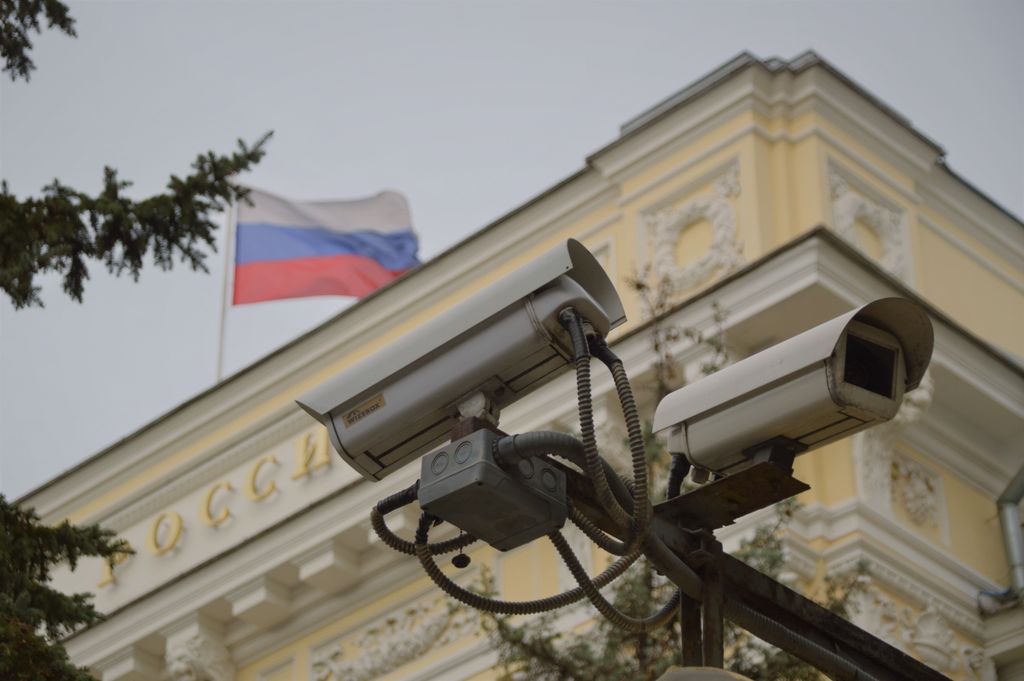
The latest incidents form part of a broader pattern of suspected foreign influence activity reported during American and European elections. Researchers have documented campaigns involving fabricated news reports, impersonated public figures and misleading narratives designed to deepen political divisions.
Storm-1516 was associated with deceptive videos during the 2024 US presidential election, including false allegations involving Tim Walz and misleading material about ballots cast for Donald Trump. The newer videos resemble some of those earlier tactics, according to researchers who have monitored the network.
Linvill has explained that influence operations often attempt to reinforce beliefs already held by their intended audiences. Rather than persuading everyone to accept an entirely new narrative, a campaign can spread claims that fit existing political suspicions and encourage people to repeat them.
NPR also reported that Russian-linked operations had circulated fabricated stories accusing Democratic candidates of corruption and messages portraying Democrats as abandoning support for Israel. Researchers said similar tactics had been observed in elections in France, Germany and other European countries during 2026.
The objectives attributed to these operations include increasing political division, weakening confidence in democratic institutions and undermining American support for Ukraine. These are assessments reported by researchers and officials, rather than proof that every suspicious video has achieved its intended effect.
Officials have also distinguished attempts to influence voters from interference with the actual mechanics of an election. In the NPR report, Representative Jim Himes, the ranking Democrat on the House Intelligence Committee, said there was no indication that foreign actors had interfered with voting mechanics, while describing the online influence environment as substantial.
That distinction is essential when assessing the current incidents. The videos raise serious questions about the reliability of information circulating before an election, but the available reporting does not establish that they have altered votes or determined the outcome of either Senate race.
How Voters Can Check Suspicious Political Videos
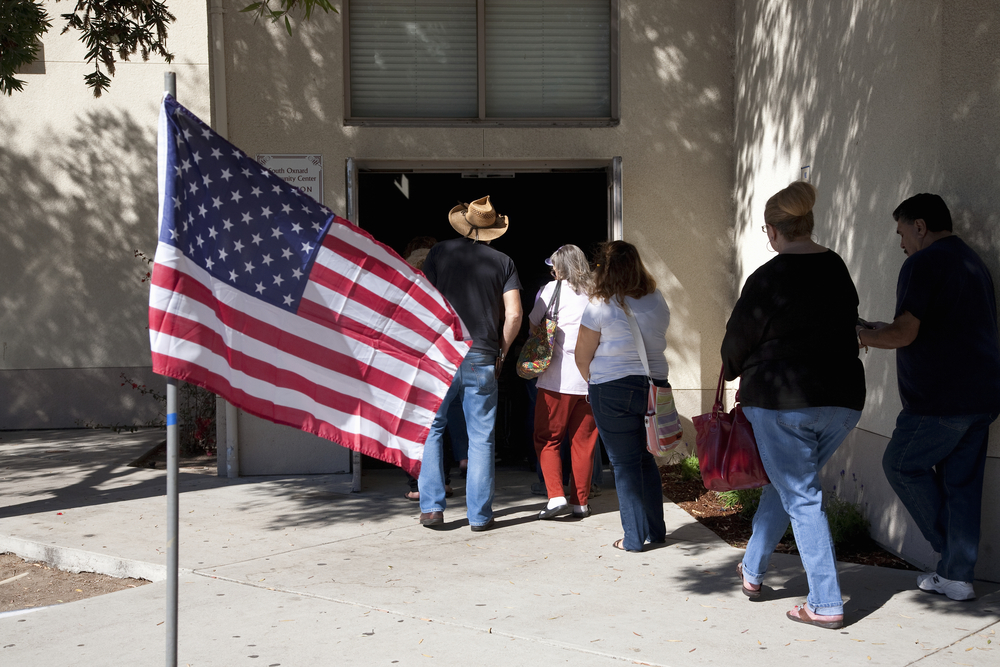
The cases involving Brown and Talarico show why viewers should verify serious allegations before sharing them, particularly when a clip appears shortly before an election. A convincing presentation, recognizable face or dramatic confession cannot establish that a video is authentic or that the statements attributed to someone are accurate.
Readers can take several practical steps when they encounter a suspicious political claim. Checking the original source and seeking independent confirmation can help distinguish documented reporting from allegations that have been repeated without supporting evidence.
First, look for the original recording or statement and establish whether the person featured actually made the remarks. A short clip may omit important context, while a photograph can be used to imply involvement in a story that the person has never endorsed.
Second, check whether established news organizations have independently verified the allegation. Several social media accounts repeating the same claim do not necessarily represent separate sources, particularly when researchers have identified coordinated activity among accounts sharing political material.
Third, pay attention to publication dates and the context surrounding the footage. Older recordings can be presented as new events, and authentic images can be paired with fabricated narration to suggest that someone participated in an incident they never witnessed.
Finally, avoid immediately resharing material that makes serious accusations about a candidate or private individual. Waiting for reliable verification can reduce the likelihood of spreading a false claim, although no single detection method can identify every manipulated video with certainty.
These precautions cannot replace detailed forensic analysis, and genuine news reports can sometimes contain errors that require correction. They can nevertheless help viewers avoid treating repeated allegations as established facts simply because the material appears convincing or attracts widespread attention.
Election Integrity Depends on Reliable Information
The suspected campaign targeting Brown and Talarico illustrates how political disinformation can affect candidates and ordinary people whose identities are used without permission. Akbik’s response also shows that the consequences can extend beyond a campaign, placing individuals’ reputations at risk when fabricated statements circulate under their names.
Researchers have identified similarities between the videos and earlier Russian-linked influence operations, while forensic analysis indicates that artificial intelligence was likely used to generate or manipulate the material. The precise origin and impact of the latest videos remain uncertain, and the allegations presented in them should not be treated as established facts.
As the midterm elections approach, the central challenge is ensuring that voters can distinguish authentic reporting from fabricated claims before making decisions. A viral video can travel across social media in hours, but verifying who created it, what it actually shows and whether its allegations are supported by evidence requires a more careful process.