
Your cart is currently empty!
Trump Moves to Scrap Biden-Era Methane Rules With $45 Billion Savings Promise
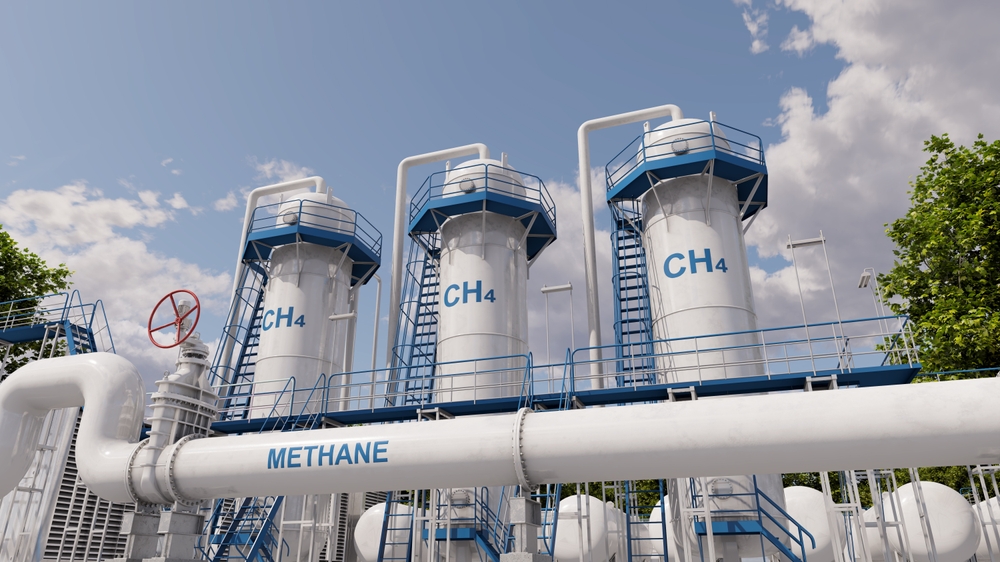
President Donald Trump has announced plans to roll back Biden-era methane regulations governing oil and gas production, claiming the move could save $45 billion and unlock millions of barrels of additional oil. The announcement came during a campaign rally in Lubbock, Texas, where Trump backed Republican U.S. Senate candidate Ken Paxton and defended his administration’s push to expand domestic energy production.
Contents
show
The decision puts a major environmental policy back in the political spotlight as the administration seeks to reduce regulatory costs for energy companies. Trump says the changes will help producers and consumers, while environmental advocates warn that weaker requirements could allow more methane pollution from drilling operations. The financial savings and additional production figures remain projections that will depend on the final regulations and how energy companies respond.
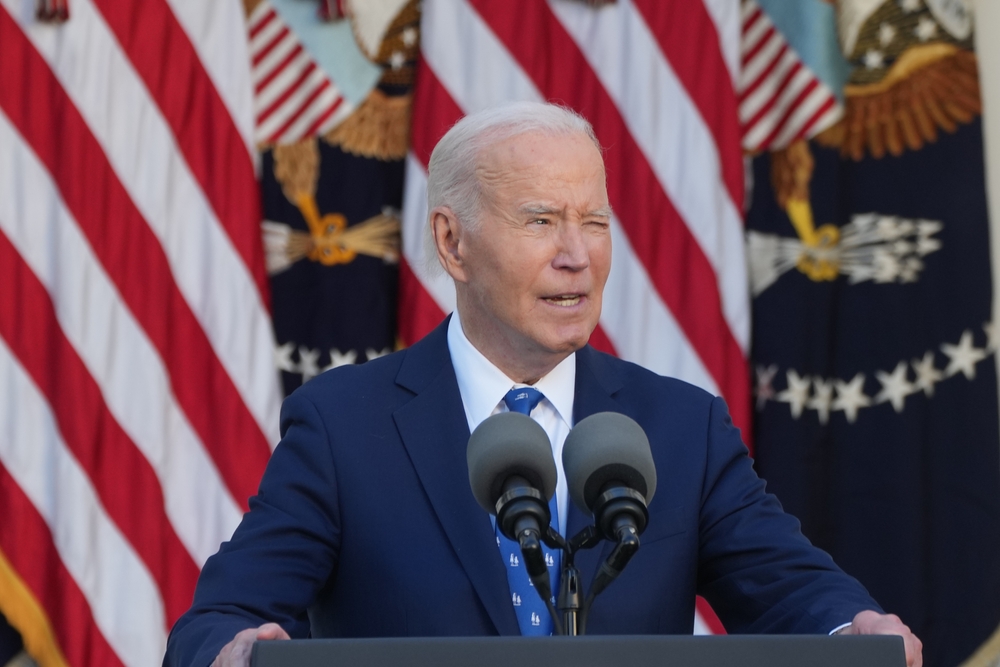
Trump Announces The Methane Regulation Rollback In Texas
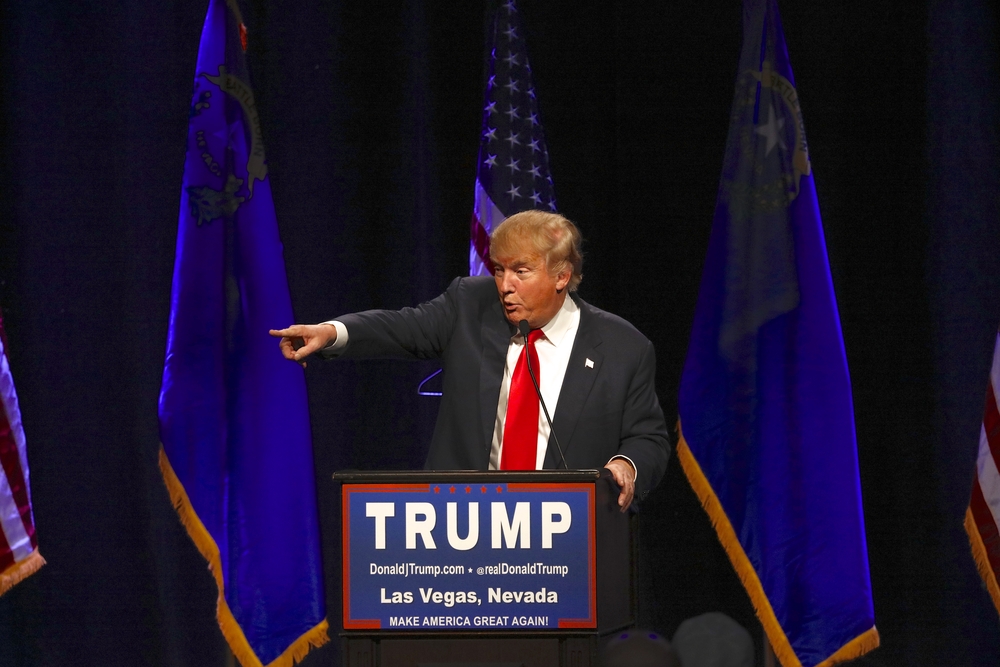
Trump announced the planned change on Tuesday during his appearance in Lubbock, linking the policy to his broader effort to increase American oil and natural gas production. He presented the existing regulations as an unnecessary burden on the energy industry and argued that removing them would create room for additional production while reducing costs for businesses and consumers.
“Tonight, I’m officially terminating Biden’s expensive and unnecessary methane regulations to save consumers and energy producers $45 billion in costs, unlock vast quantities of Texas natural gas and produce 210 million barrels of oil,” Trump said. He also indicated that the administration had been working toward the decision for some time, making clear that the rollback formed part of a wider energy policy agenda.
The announcement comes as the administration continues to emphasize domestic production amid elevated fuel prices and the conflict with Iran. Energy policy has become a central issue in debates over household expenses, industrial competitiveness, and the government’s role in regulating fossil fuel operations. Trump’s approach prioritizes reducing restrictions that his administration argues make energy production more expensive.
The announcement also carries political significance because it came during a campaign appearance supporting Paxton. By placing energy regulation at the center of the event, Trump reinforced his administration’s position that expanding oil and gas production should take priority over requirements it considers costly or excessive.

What The Biden-Era Methane Rules Were Designed To Do
Methane is the main component of natural gas and a potent greenhouse gas when released into the atmosphere. Oil and gas operations can release methane through leaking equipment, production sites, storage facilities, and other parts of the supply chain. Some leaks can remain undetected unless operators use monitoring systems and conduct regular inspections.
The Biden administration’s methane standards, finalized in 2024, were designed to reduce emissions from new and existing oil and gas facilities. They established requirements intended to improve leak detection and repairs, while also introducing measures to address unusually large releases of methane. The framework sought to reduce pollution while limiting the amount of commercially valuable natural gas lost during production.
One of the most prominent measures was the EPA’s Methane Super Emitter Program, which was designed to help identify major emissions events and prompt companies to investigate and address them. The administration’s proposed changes would reconsider this program and loosen certain requirements affecting smaller oil and gas wells. Those changes could alter how operators monitor emissions and respond to leaks.
For energy companies, meeting federal standards can involve spending on inspections, monitoring equipment, repairs, and reporting. The Trump administration argues that these obligations can place unnecessary pressure on producers, particularly smaller operators. Environmental advocates counter that effective monitoring can prevent avoidable pollution and help companies recover gas that would otherwise escape.
Trump’s $45 Billion Savings Claim Faces Key Questions
Trump’s announcement centers on a projected $45 billion in savings for consumers and energy producers, alongside the potential production of 210 million barrels of oil. The administration presents these figures as evidence that reducing regulatory requirements could support the energy industry and increase domestic supply. However, the announced figures should be treated as projections rather than guaranteed financial or production outcomes.
Lower compliance costs could give some producers more flexibility in managing their operations. Companies might spend less on certain monitoring and reporting requirements if the final changes reduce their regulatory obligations. The actual savings would depend on which rules are changed, how much businesses currently spend on compliance, and whether companies pass any cost reductions on to customers.
Lower operating costs do not automatically translate into lower gasoline prices or utility bills. Fuel prices are affected by international oil markets, refinery capacity, transportation expenses, consumer demand, and geopolitical developments. Even if producers save money, the extent to which households benefit would depend on competition and wider market conditions.
The proposed production increase also needs to be considered in context. An additional 210 million barrels would represent a substantial volume of oil, but the timing and scale of any increase would depend on investment decisions, drilling activity, infrastructure, and demand. The announcement does not establish when that production would occur or how much it would affect prices.
EPA Plans To Reconsider Major Methane Requirements
EPA Administrator Lee Zeldin had already signaled that the agency intended to reconsider parts of the methane regulatory framework. The proposed changes include ending the Super Emitter Program and loosening certain standards for smaller oil and gas wells. The administration argues that revising these requirements would make domestic energy production less costly and reduce regulatory pressure on operators.
“The Trump EPA is committed to fixing this so the U.S. can reach its full energy potential,” Zeldin said. His statement reflects the administration’s position that the current framework places excessive burdens on producers and restricts the industry’s ability to expand output. The proposed revisions are part of a broader effort to reassess federal environmental requirements affecting fossil fuel development.
The formal regulatory process remains important because a presidential announcement does not, by itself, establish that every existing requirement has been legally eliminated. The EPA must determine the final terms and implementation of its regulatory changes through the applicable process. Until those steps are completed, companies and regulators must distinguish between announced plans and requirements that remain in force.
The final details will determine which monitoring and repair obligations remain in place, which businesses are affected, and when any changes take effect. Energy producers will need to assess the final requirements before making decisions about compliance spending and operations. The practical impact of the announcement will therefore depend on the wording of the final regulations rather than the savings figure alone.
Environmental Groups Warn Of Increased Methane Pollution
Environmental advocates argue that weakening methane rules could allow more pollution from oil and gas operations. Their concern centers on the possibility that fewer monitoring requirements or changes to leak detection programs could leave some emissions undetected for longer periods. Methane escapes can also represent wasted natural gas that companies might otherwise capture and sell.
Fred Krupp, president of the Environmental Defense Fund, criticized the proposed approach, saying, “EPA should be fighting this waste, not making it easier.” The criticism reflects a broader disagreement over whether the existing requirements impose excessive costs or provide necessary safeguards against avoidable emissions. Environmental organizations argue that detecting and repairing leaks can serve both economic and environmental goals.
Methane has a stronger warming effect than carbon dioxide over shorter periods, making its reduction an important element of efforts to limit near-term global warming. Federal estimates associated with the Biden-era standards projected significant emissions reductions and economic benefits from preventing methane releases. Those projected benefits could change if the scope of the rules is reduced, although the final impact would depend on the requirements ultimately adopted and industry practices.
The administration and environmental groups are therefore emphasizing different potential outcomes. Trump and his officials focus on reducing compliance costs and supporting production, while critics focus on emissions and the consequences of weaker oversight. Determining the real effects will require evidence about production levels, company expenses, consumer prices, and methane emissions after any regulatory changes take effect.
How The Policy Could Affect Producers And Consumers
The proposed rollback could affect energy businesses differently depending on their size, equipment, and current compliance costs. Smaller operators may experience regulatory expenses differently from large companies with extensive monitoring systems and dedicated compliance teams. Any reduction in requirements could change operating decisions, although the scale of that effect remains uncertain until the final rules are known.
Several outcomes will shape the policy’s practical impact:
- Compliance spending: Some operators could face lower costs if inspection, monitoring, or reporting requirements are reduced.
- Domestic production: Companies could gain flexibility, but increased output would still depend on investment, infrastructure, and market demand.
- Consumer prices: Lower business costs might influence prices, but savings for households are not guaranteed.
- Methane emissions: Changes to leak detection and repair requirements could affect how quickly significant releases are identified and addressed.
- Environmental costs: The eventual consequences will depend on the amount of methane released and the effectiveness of industry practices.
These outcomes are connected, but one does not guarantee another. Lower compliance spending does not automatically produce more oil, cheaper fuel, or higher emissions in every circumstance. The effects will vary according to the final regulatory requirements and the decisions made by individual companies.
Consumers and producers will need measurable results to determine whether the administration’s projections are achieved. Changes in energy prices, production data, company spending, and reported emissions will provide a clearer picture than the initial announcement alone.
The Next Phase Of America’s Energy Policy Battle
Trump’s move highlights a continuing dispute over how the federal government should balance energy production with environmental protection. His administration argues that reducing regulatory burdens will help American producers expand output and operate more efficiently. Environmental advocates maintain that methane controls can limit pollution while preventing the loss of natural gas from industrial operations.
The debate also reflects different expectations about the role of government in energy markets. Supporters of deregulation emphasize business costs, supply, and the potential benefits of expanding domestic production. Critics focus on the environmental consequences of weaker standards and question whether the promised savings will reach consumers.
The EPA’s final regulatory decisions will determine the scope of any rollback and the requirements energy companies must follow. Subsequent production figures, consumer energy prices, and methane emissions data will help establish whether the administration’s economic projections match the results.
For now, the $45 billion savings figure remains a promise tied to a policy change whose full effects have yet to be established. The decisive test will be whether the revised rules deliver measurable economic benefits while revealing what happens to methane emissions from America’s oil and gas industry.