
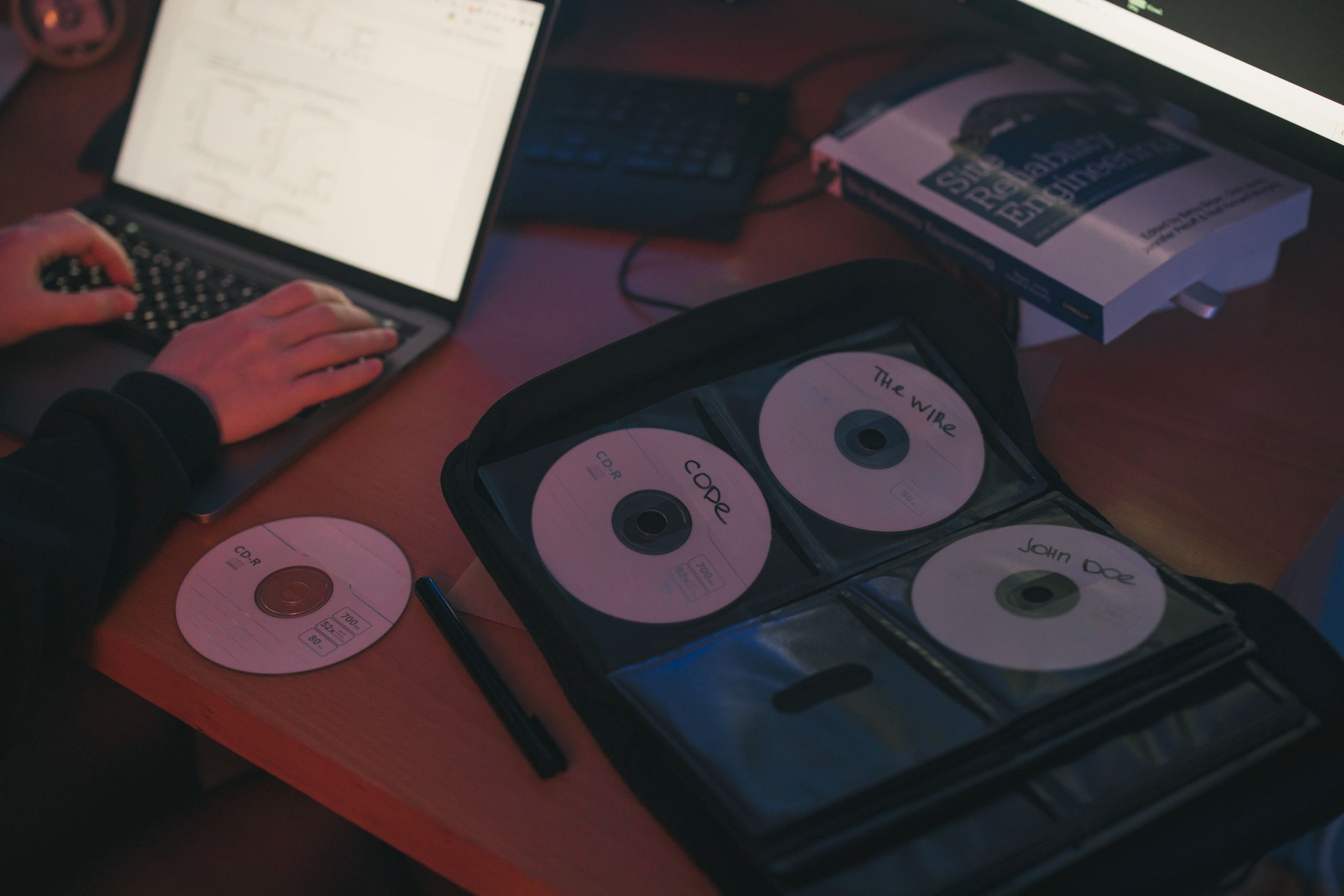
For years, CDs looked like a relic of a music era most people had happily left behind. Streaming services took over, playlists replaced albums, and millions of music collections gathered dust on bedroom shelves. Now, however, the compact disc is attracting fresh attention, and the reasons behind its return could reveal something about how people feel about modern music.
British retailer John Lewis has reported a 96% increase in searches for CD players since July, while another report examining music and film trends found that CD sales had risen by 16%. The renewed interest comes as listeners reconsider the convenience of streaming and rediscover the appeal of owning their favourite albums.
CD Players Are Experiencing A Surprising Revival
The compact disc once seemed destined to disappear as streaming services made enormous music libraries available through smartphones and computers. For many people, buying individual albums became unnecessary when a monthly subscription offered access to thousands of artists and millions of songs.
However, the latest figures suggest that physical music still has an audience, and that audience could be growing again. John Lewis reported that searches for CD players had increased by 96% since July, while a separate industry report recorded a 16% rise in CD sales.
These figures point towards renewed interest in a format that many people assumed had been replaced permanently. Although vinyl has attracted considerable attention over recent years, CDs are now finding their own place in the wider return of physical media.
The reasons behind the change are particularly interesting because longtime collectors and younger listeners are approaching the format from different directions. Some people are rediscovering something they grew up with, while others are experiencing the pleasure of physical music collections for the first time.
For some listeners, the attraction comes from nostalgia and familiar memories of browsing record shops. Others are more interested in having greater control over their music without relying entirely on streaming platforms.
Music Fans Are Getting Tired Of Endless Streaming Choices
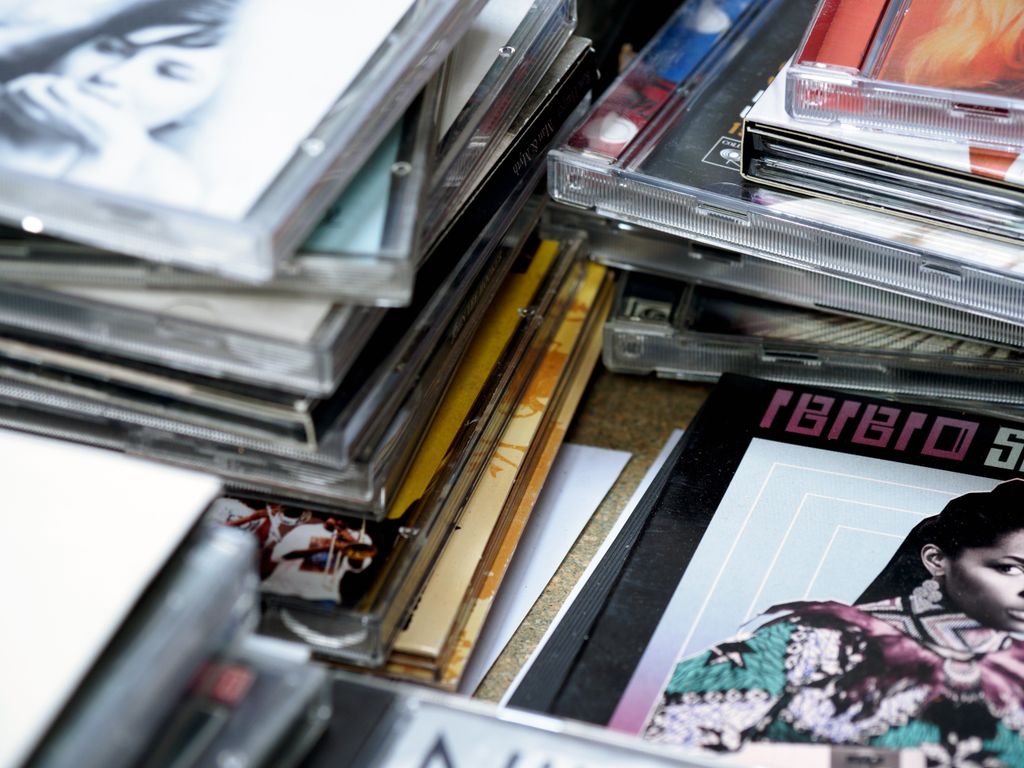
One of the biggest complaints about streaming is the sheer volume of available music. Having millions of songs at your fingertips sounds ideal, but endless recommendations and playlists can sometimes make choosing something to hear surprisingly difficult.
Gabriela Crowley, 32, from San Jose, California, returned to physical music after previously enjoying vinyl records with her husband. They had built a substantial record collection together, but after having a baby, they found the records too bulky and inconvenient for their everyday lives.
Their listening habits changed when Crowley’s father-in-law gave them an old CD player. The couple began using it every day, rediscovering a format that had been part of her childhood but largely disappeared from her listening habits.
Crowley explained that having a smaller music collection helps with what she described as the “paradox of choice.” Instead of constantly searching through endless options, listeners become more familiar with the albums they already own.
“Instead of being paralysed by the endless options, you become more intimately familiar with what you have,” Crowley said. She also enjoys having control over her listening experience without autoplay or AI-generated playlists deciding what should come next.
Her experience reflects a growing frustration among listeners who feel overwhelmed by the amount of digital content competing for their attention. A physical collection places natural limits on those choices, encouraging people to revisit familiar albums and spend more time discovering the music already sitting on their shelves.
The Biggest Difference Is Actually Owning Your Music
There is another reason some listeners are returning to CDs, and it comes down to something streaming subscriptions cannot provide in quite the same way: ownership. Digital platforms offer access to enormous catalogues, but subscribers do not own the recordings simply because they can play them whenever they want.
Music availability can also change when licensing agreements expire or platforms alter their catalogues. An album that someone regularly listens to could eventually disappear from a streaming service, leaving them searching for another way to access it.
Neil Cumming, 53, from Gloucester, has collected CDs since buying his first one in 1988. He now owns several hundred discs covering classical music, folk, rock, blues, and other genres.
One of his biggest reasons for continuing to purchase physical albums is supporting musicians directly. Cumming particularly enjoys smaller independent and folk bands, whose income from music can be limited compared with that of major recording artists.
“I like a lot of small indie and folk bands, who are not making a lot of money,” Cumming explained. He prefers buying CDs directly from musicians whenever possible because they receive a bigger share of his money than they would through streaming.
He also appreciates knowing that the physical album remains in his possession after the purchase. “And it means I own the CD for ever,” he said, describing another advantage that keeps him interested in collecting.
Cumming is not completely opposed to streaming, however, and still uses it to discover unfamiliar artists. He simply prefers buying the music he enjoys and returning to his physical collection when he wants a more satisfying listening experience.
Why Some Listeners Think Algorithms Are Ruining Music

Streaming algorithms have transformed how people discover music by analysing their listening habits and recommending songs based on previous activity. These systems can introduce listeners to artists they might never have encountered through traditional radio or record shops.
However, some music fans believe algorithm-driven recommendations can also make listening experiences increasingly predictable. When platforms repeatedly suggest similar artists and genres, listeners may find themselves spending less time exploring music outside their established preferences.
Asha Varadharajan, 65, from Toronto, has owned her CD player since 1999. She enjoys listening to complete albums and creating her own listening experience rather than constantly moving between recommended tracks.
She described the experience as “the antithesis of scrolling” and explained that the patience involved in listening to physical albums helps make songs more memorable. Varadharajan also believes that music tastes are naturally unpredictable, something she feels recommendation systems cannot always accommodate.
“I think algorithms make everything predictable, but everybody’s taste is kind of random,” she said. Her observation captures one of the central frustrations behind the renewed interest in physical music.
An algorithm generally works by identifying patterns in previous behaviour, but musical discovery can also happen through unexpected choices. Someone might purchase an album because of its artwork, borrow a friend’s recommendation, or take a chance on an unfamiliar artist.
Those experiences are harder to replicate when listening habits are continually shaped by personalised recommendations. CDs give listeners the freedom to choose what they want without having a platform automatically deciding what should play afterwards.
CDs Offer Practical Advantages Over Vinyl Records
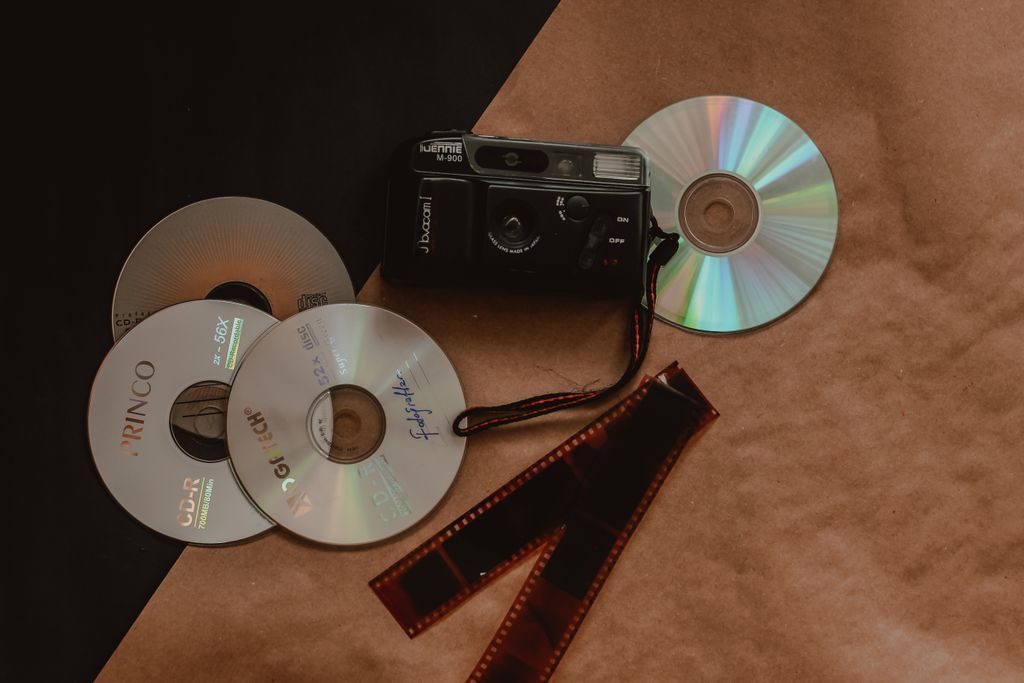
The CD comeback is also benefiting from something considerably less romantic: practicality. Vinyl has enjoyed its own revival over recent years, attracting collectors who appreciate physical ownership, large album artwork, and the experience of playing records.
However, vinyl collections can become expensive, particularly for people who regularly purchase new releases and special editions. Records also require careful handling, and their larger size can make storage difficult for people living in smaller homes.
CDs offer a more affordable alternative for listeners who want physical music without committing to the same financial investment. Their compact size also allows collectors to store considerably more albums in a limited amount of space.
Ed, 63, from London, has been buying CDs since 1986, although his interest in the format has changed over the years. He initially became less enthusiastic because he felt CDs sounded too bright and shiny compared with vinyl records.
Over the past two years, however, he has started purchasing more discs because of their affordability. Ed described their prices as “almost throwaway prices against the excessive costs of vinyl”, explaining why the format has become attractive again.
He also enjoys having something physical that connects him with the music. For Ed, owning an album provides a tangible experience that is difficult to reproduce through a digital streaming application.
His experience illustrates how the financial side of collecting can influence people’s choices just as much as nostalgia. Listeners who want extensive physical collections may find CDs a more accessible option than purchasing increasingly expensive vinyl releases.
Some Collectors Never Abandoned Their CDs
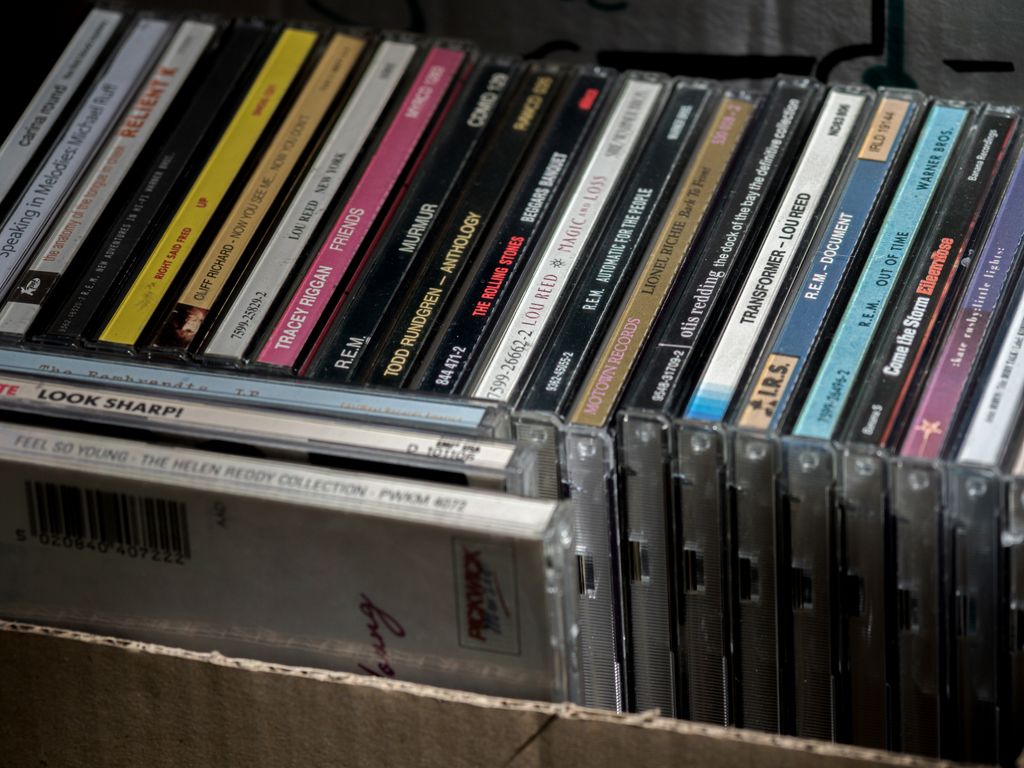
While newer listeners are discovering the format again, others never stopped buying discs. Their collections have continued growing even as streaming platforms transformed the music industry and physical music sales lost much of their former popularity.
Andrew Wales, 67, from London, owns well over 10,000 CDs. His collection has expanded beyond its original storage space, spreading into another bedroom and even the corridor of his home.
Despite having access to modern music services, Wales has little interest in replacing his collection with streaming. “I don’t need Spotify,” he said, explaining that he has always preferred owning his music in physical form.
Wales bought his first CD in 1991, purchasing John Scofield’s Meant to Be around the same time he acquired his first CD player. He had become increasingly dissatisfied with vinyl records because of problems with pressing quality and presentation.
He also appreciated that CD releases sometimes included tracks missing from vinyl editions. That advantage helped establish the format as his preferred way of collecting much of the classical music he enjoys.
Wales estimates that he owns approximately 2,000 vinyl records, several hundred cassettes, and an increasing number of Blu-rays. His collection demonstrates that physical media enthusiasts do not necessarily commit themselves to one format.
The compact disc also offers a practical advantage because of its relatively small size. Wales explained that he can own thousands of CDs while living in a two-bedroom flat rather than needing a much larger property to accommodate his collection.
His story provides an interesting contrast with younger listeners who are only now discovering the format. For longtime collectors, the CD never really disappeared, even when much of the music industry moved towards digital distribution.
Five Reasons People Are Returning To Physical Music

The experiences shared by these collectors reveal several reasons CDs are attracting renewed attention. Although every listener has different priorities, their explanations point towards a common desire for greater control over music consumption.
- Music ownership: Buying a CD gives listeners a physical copy they can keep and play without depending on an active streaming subscription. It also means they retain access to an album even if it becomes unavailable on a particular digital platform.
- Fewer distractions: Physical playback removes autoplay and algorithm-generated recommendations from the listening experience. People can select an album and enjoy it without constantly being encouraged to move on to something else.
- Supporting independent musicians: Purchasing discs directly from smaller artists can give musicians a greater share of the sale than streaming. This is particularly attractive to collectors who want their purchases to provide more direct support.
- Affordable collecting: CDs can offer a cheaper way to build a substantial music collection compared with increasingly expensive vinyl. Their smaller size also makes storing hundreds or thousands of albums considerably easier.
- A more deliberate experience: Choosing an album, examining its artwork, and putting it into a player makes listening feel like an activity in itself. It encourages people to spend time with complete albums instead of jumping between individual tracks.
These advantages do not mean streaming has lost its usefulness. Several of the collectors still appreciate digital platforms for discovering unfamiliar artists and exploring music they might eventually decide to purchase.
However, they increasingly value having something permanent alongside that convenience. The physical album becomes part of their personal collection rather than another temporary choice in an endless digital catalogue.
Streaming And CDs Could Easily Coexist
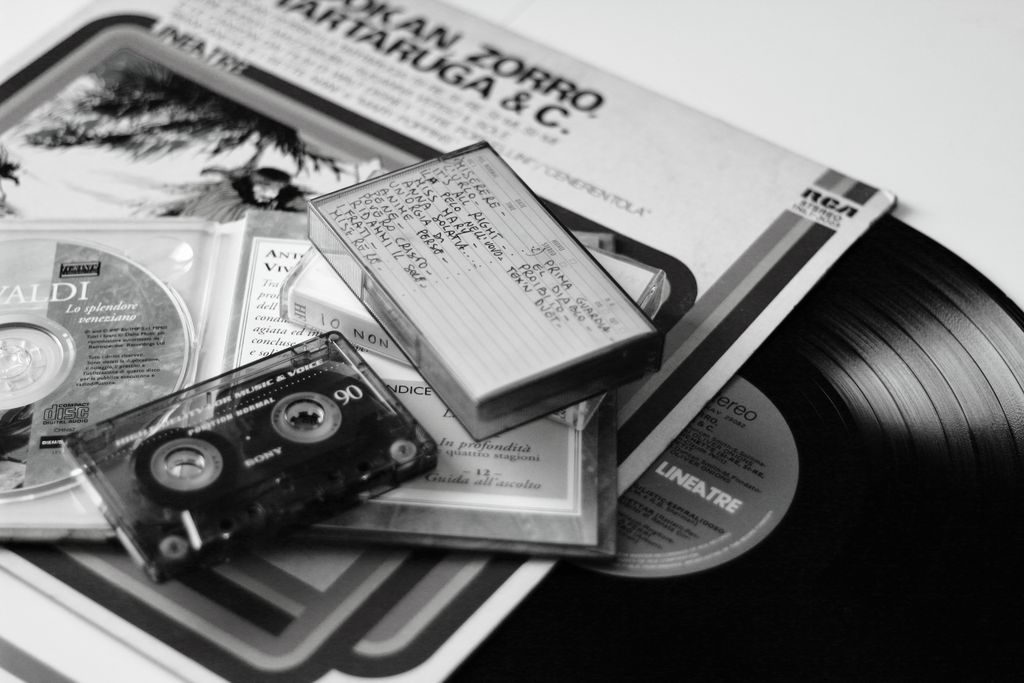
The return of CDs does not necessarily signal the end of streaming. Digital platforms remain convenient for people who want instant access to unfamiliar artists, enormous music libraries, and playlists for different occasions.
Even dedicated collectors acknowledge those benefits, and Cumming’s listening habits provide a good example. He uses streaming to discover new acts before deciding whether to purchase their albums, combining the convenience of digital music with the satisfaction of physical ownership.
That combination could explain why CDs are attracting attention again. People do not necessarily want to abandon modern technology, but some clearly want more control over how they enjoy their favourite music.
The format also gives independent musicians another way to connect with their audiences through direct sales. For collectors, purchasing an album can become part of the relationship they have with an artist, particularly when they want to support smaller acts.
Physical collections also provide something that digital libraries cannot easily reproduce. A shelf filled with albums purchased over several decades can represent years of musical discoveries and personal preferences.
Each disc has its own artwork and place in the collection, allowing listeners to revisit albums without relying on search results or recommendations. For people who enjoy collecting, that physical connection remains a powerful reason to keep buying CDs.
The CD Comeback Could Be A Warning For Streaming Services
Streaming companies transformed the music industry by making almost every song instantly accessible, and that convenience remains difficult to compete with. However, the renewed interest in CDs suggests that unlimited access does not satisfy every listener.
Some people want to own their music, while others want fewer recommendations and more deliberate listening experiences. Independent artists also benefit when fans purchase physical releases directly, giving collectors another reason to return to record shops and band merchandise tables.
The compact disc was once considered yesterday’s technology, but its renewed appeal shows that physical ownership still has a place in modern music culture. Streaming may have made finding a song easier than ever, yet millions of available tracks cannot replace the satisfaction of choosing an album, putting it into a player, and knowing it belongs to you.