
Your cart is currently empty!
Injured Hornbill Gets Two 3D-Printed Beaks In Surgery That Could Change Animal Care
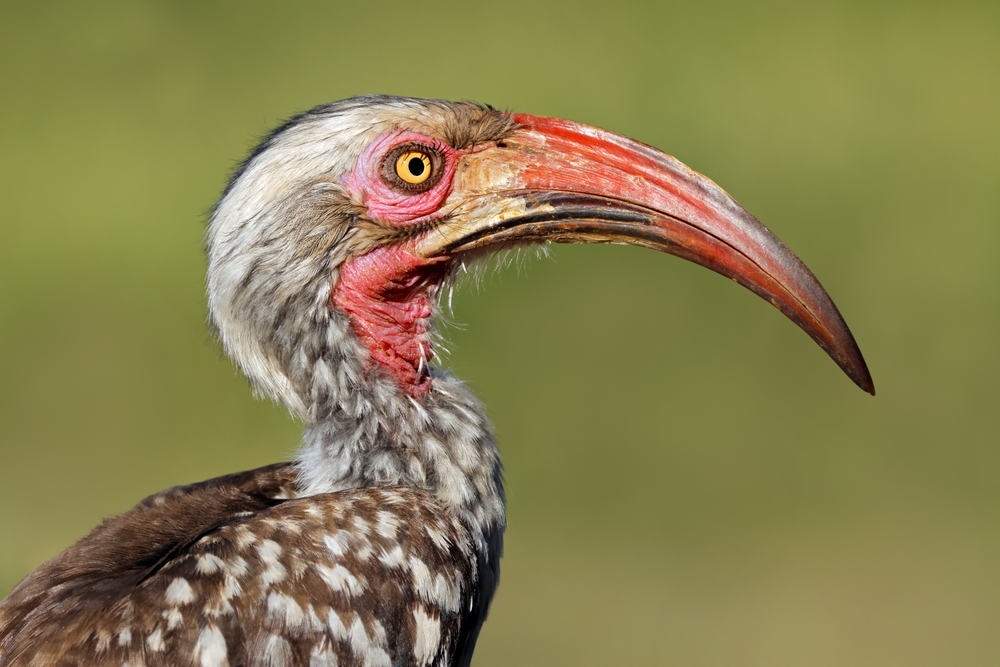
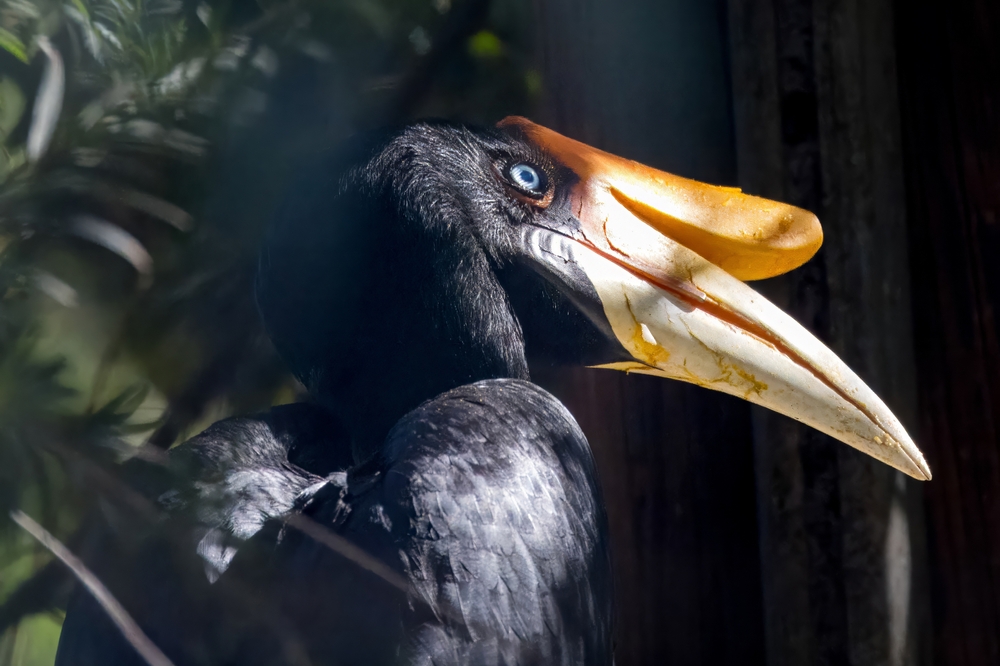
A young hornbill in the Netherlands has managed to eat independently again after undergoing an unusual operation that gave him something no bird had received before. Following a serious injury that left him with only stumps where the tips of his upper and lower beaks should have been, veterinarians turned to 3D-printing technology to give him a second chance.
Contents
show
The operation was carried out by ARTIS in collaboration with the veterinary medicine faculty at Utrecht University. The team created two custom-made prosthetic beaks, overcoming a complicated surgical challenge that had never previously been achieved in this way. Even the caretakers were unsure whether the bird would accept the artificial replacements, but his reaction was far better than they had anticipated.
The Hornbill Was Left Struggling After Losing Both Beak Tips
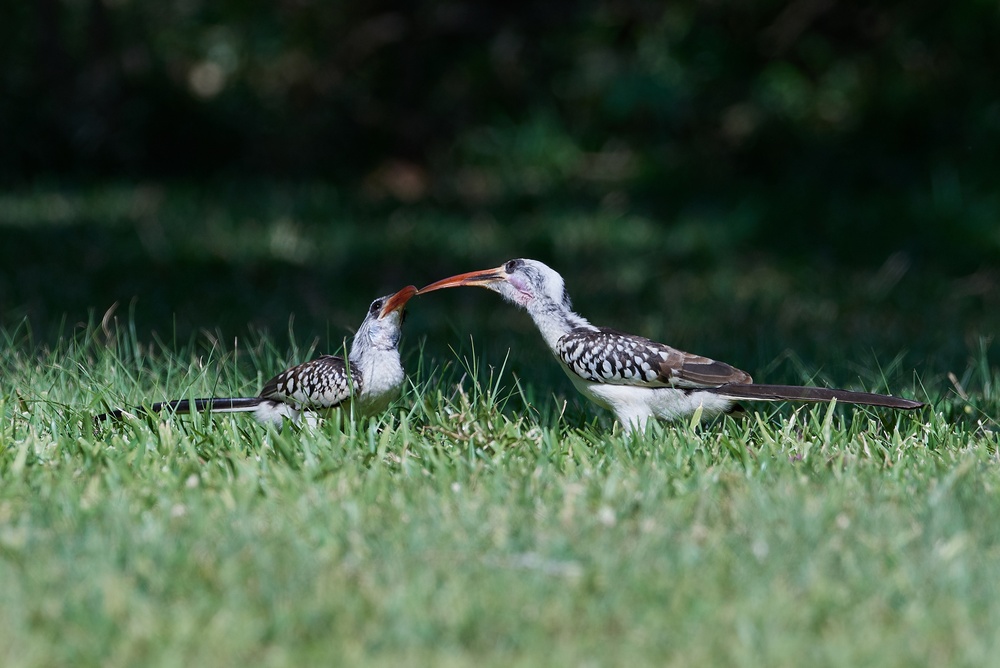
The hornbill was being cared for at ARTIS, a zoo in the Netherlands that focuses on nature discovery and education. His injuries had left him with two stumps instead of the functional upper and lower beak tips he needed for everyday activities. For a bird, this creates serious difficulties because the beak is essential for far more than simply eating.
Birds rely on their beaks throughout the day to collect food, handle objects and maintain their feathers. The hornbill had also lost the ability to groom himself properly, making his injury particularly concerning for his long-term wellbeing. His caretakers knew that the damage could continue affecting his quality of life without an effective solution.
ARTIS explained why the team decided to investigate whether a replacement was possible. “A bird uses its beak all day long, to pick up food and, for example, to preen its plumage,” the zoo said in its announcement. The institution also explained that the bird was still young and could potentially live for many years, giving the team another reason to explore treatment options.
Veterinarians Used 3D Printing To Create Two Artificial Beaks
ARTIS worked with the veterinary medicine faculty at Utrecht University to develop a solution using 3D-printing technology. The team decided to create two prosthetic replacements, one for the upper beak and another for the lower portion. Although individual birds had received 3D-printed beak replacements before, replacing both sections together had never previously been achieved in this way.
The procedure required careful planning because a bird’s beak must align precisely with its skull and natural anatomy. Even a small difference in shape could interfere with the way the bird picks up and handles food. The replacements therefore needed to match the original structure as closely as possible while accommodating the hornbill’s individual requirements.
CT Scans Helped Reconstruct The Missing Beak Sections
The veterinary team used fragments from the hornbill’s original beak alongside information obtained through a CT scan. These materials helped them reconstruct the missing portions and determine the appropriate shape for the artificial replacements. The original fragments provided valuable anatomical information that could guide the design process.
Creating two matching prosthetics also meant considering how the upper and lower sections would work together. The team needed to ensure that the replacements aligned properly and allowed the hornbill to carry out movements essential for eating. Their work resulted in custom-designed beaks made specifically for the injured bird.
The Caretakers Feared The Hornbill Might Reject His New Beaks
Even after the prosthetics had been designed, the team faced another uncertainty. Would the hornbill actually accept the artificial replacements and learn to use them? The new beaks naturally felt different from his original biological structures because they had no sensation. Their shape and additional weight could also take some getting used to.
The caretakers were particularly concerned that the unfamiliar feeling might discourage the bird from eating. A technically successful operation would provide little benefit if the hornbill refused to use his new beaks. The team therefore had to consider the possibility that the replacements might need to be removed if they caused problems.
To prepare for that outcome, the developers incorporated screws into the prosthetic design. This meant the artificial sections could be removed if necessary to protect the bird’s overall health. Fortunately, the team would soon discover that their concerns about rejection were unnecessary.
The Hornbill Began Using His Prosthetics Within Hours
The hornbill responded far better than his caretakers had expected. According to ARTIS, he started using his new beaks on the very same afternoon as the operation. Although he needed some time to become accustomed to their shape and extra weight, he appeared comfortable almost immediately.
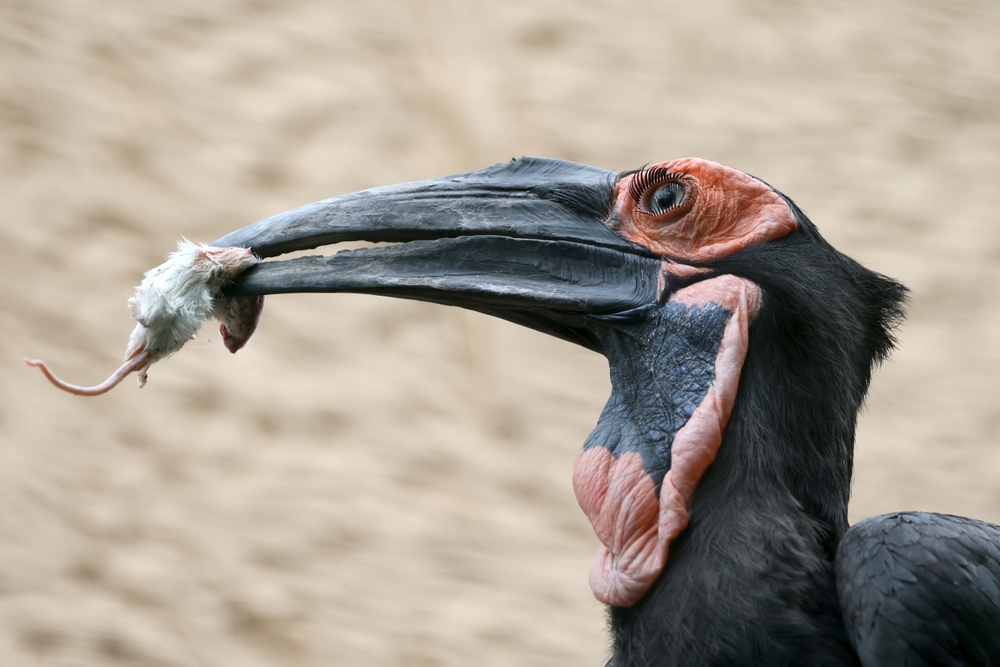
The zoo described his response as “wonderfully good.” The following morning brought an even more encouraging development when the hornbill began picking up a mouse from the ground again. This was an important indication that the artificial replacements were allowing him to perform an activity that had previously become difficult.
Eating Independently Became A Major Milestone
The recovery continued when the hornbill managed to eat independently using his new beaks. ARTIS described this as an incredibly important moment for everyone involved in his care. Seeing the bird successfully pick up food demonstrated that the complicated design and surgical work were achieving their intended purpose.
“He understood that he could use his beak and began to discover for himself what was possible with it,” ARTIS explained. The team had initially worried that the bird might struggle to accept the replacements, but his early progress suggested that he was adapting well. His ability to collect food again marked a significant improvement in his everyday life.
Why A Bird’s Beak Is Essential For Everyday Survival
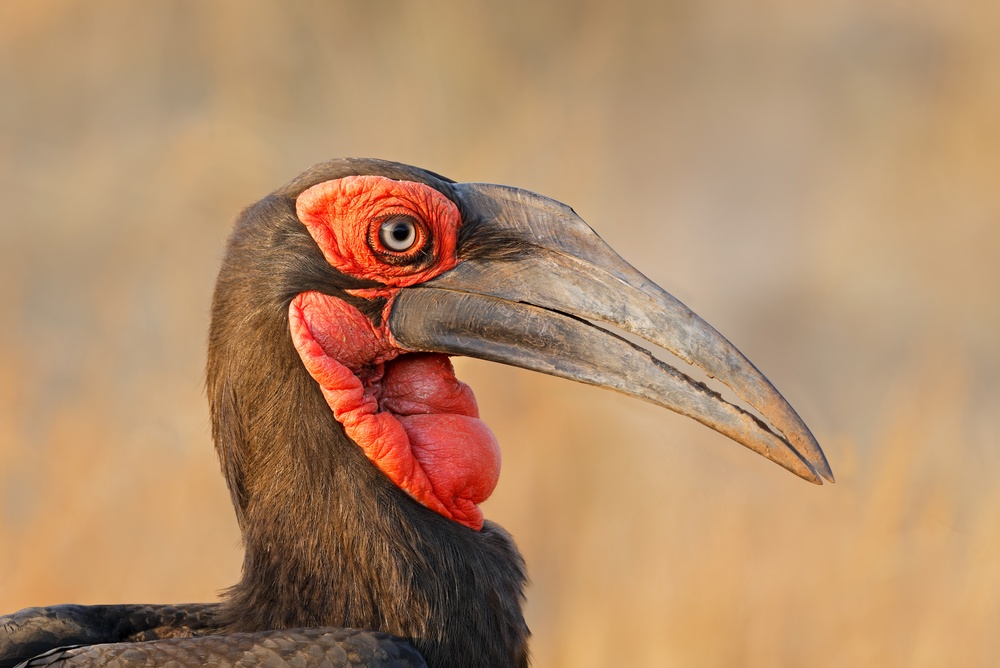
The hornbill’s injury demonstrates how much birds depend on their beaks to function normally. People often associate a beak primarily with eating, but it also plays an important role in grooming and interacting with the surrounding environment. Different bird species have different beak shapes because their structures are adapted to their particular needs.
For the injured hornbill, losing the tips of both beaks affected several everyday activities. He struggled to collect food and could no longer groom his feathers as effectively. Restoring the missing sections therefore offered the possibility of improving several aspects of his daily routine.
Some of the essential activities supported by a functional beak include:
- Collecting food: Birds use their beaks to pick up and handle the food they eat.
- Preening feathers: A beak helps birds maintain their plumage and groom themselves.
- Handling objects: Birds use their beaks to interact with objects in their surroundings.
- Supporting daily activities: The shape and structure of a beak influence how a bird performs many ordinary movements.
The hornbill’s experience shows why injuries involving the beak can have such a significant impact on an animal. Restoring its function can help address problems that affect eating, grooming and general quality of life.
The Operation Opens New Possibilities For Veterinary Medicine
The hornbill’s treatment offers an unusual example of how 3D-printing technology can be used in animal care. The ability to design replacements around an individual animal’s anatomy gives veterinary teams another option when dealing with complicated injuries. In this case, the technology helped recreate two missing sections that needed to work together.
The collaboration between ARTIS and Utrecht University’s veterinary medicine faculty was central to the procedure. The team had to combine anatomical information, imaging technology and careful prosthetic design to create replacements suitable for the bird. Their work also addressed the practical challenge of ensuring that the artificial beaks could be used comfortably.
ARTIS had previously seen individual birds receive 3D-printed beak replacements, but this operation introduced a different possibility by replacing both sections together. The successful early response from the hornbill provides an encouraging example of what customized prosthetics can achieve. However, every animal has different anatomical requirements, so the same approach would need to be assessed individually in other cases.
The Hornbill Is Eating Again After His Unusual Surgery
For the ARTIS team, the most encouraging part of the operation was seeing the hornbill return to activities that had become difficult after his injury. His ability to pick up a mouse and eat independently demonstrated that the replacements were already helping him regain important functions. The bird still needed time to become accustomed to the different shape and weight, but his early response was encouraging.
The procedure also demonstrated how veterinary teams can combine traditional animal care with emerging technology to address complicated medical challenges. A bird that had struggled with basic activities was using two artificial beaks within hours of surgery. For this hornbill, those carefully designed replacements have given him the chance to get back to something as ordinary, and essential, as picking up his next meal.