
Your cart is currently empty!
Woman Discovers How To Produce Flammable Gas Using Cow Manure And A Plastic Bottle
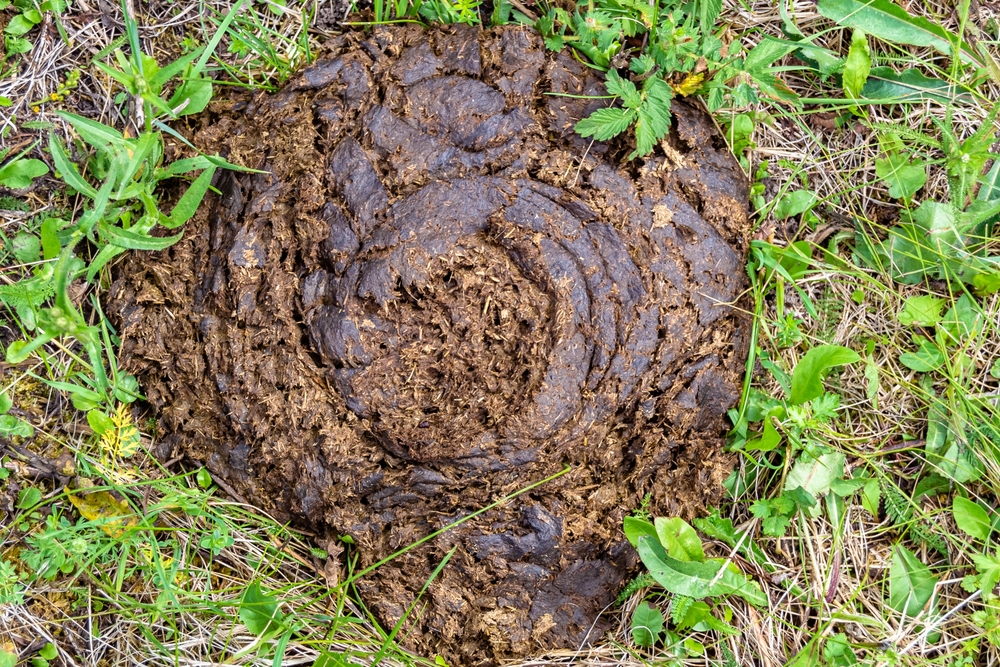
A woman has managed to produce something most people would never expect from a bottle filled with cow manure and water. After leaving the mixture untouched for approximately two weeks, she returned to find the container swollen with gas. When she released some of it through a small tube, the gas produced a flame that she could control.
Contents
show
The unusual experiment was carried out by Dominican content creator Yeimi Rodríguez, who takes a natural and environmentally conscious approach to her projects. What makes the demonstration particularly interesting is that the process behind it is already used by farms and rural communities to produce fuel. The secret involves bacteria breaking down organic waste without oxygen, creating a combustible gas that could have practical applications beyond a simple experiment.
Woman Leaves Cow Manure In A Bottle And Makes A Surprising Discovery
Rodríguez began her experiment by mixing cow manure with water until the mixture became almost liquid. She then poured it into a plastic bottle, filling approximately half of the container before sealing it with a perforated cap. Through the opening, she inserted a serum set that would allow the gas produced inside the bottle to escape through its tubing. The setup was left in a warm location for around two weeks while the natural decomposition process took place.
When Rodríguez returned to check the bottle, the results were immediately visible. The container had inflated because gas had accumulated inside as the organic material decomposed. She then opened the regulator attached to the serum set, allowing the gas to travel through the tubing. When exposed to an ignition source, it produced a flame that could be adjusted to become larger or smaller. The demonstration showed how an ordinary agricultural waste product could generate a combustible substance through a natural biological process.
The experiment caught attention because its ingredients were so ordinary. Cow manure is commonly associated with agricultural waste, while water and a plastic bottle are easy to find. Yet the combination demonstrated a process that has applications in agricultural energy production. The flame was the most dramatic part of the demonstration, but the science responsible for producing it is already being used in specially designed systems.
The Science Behind The Experiment Is Called Anaerobic Digestion
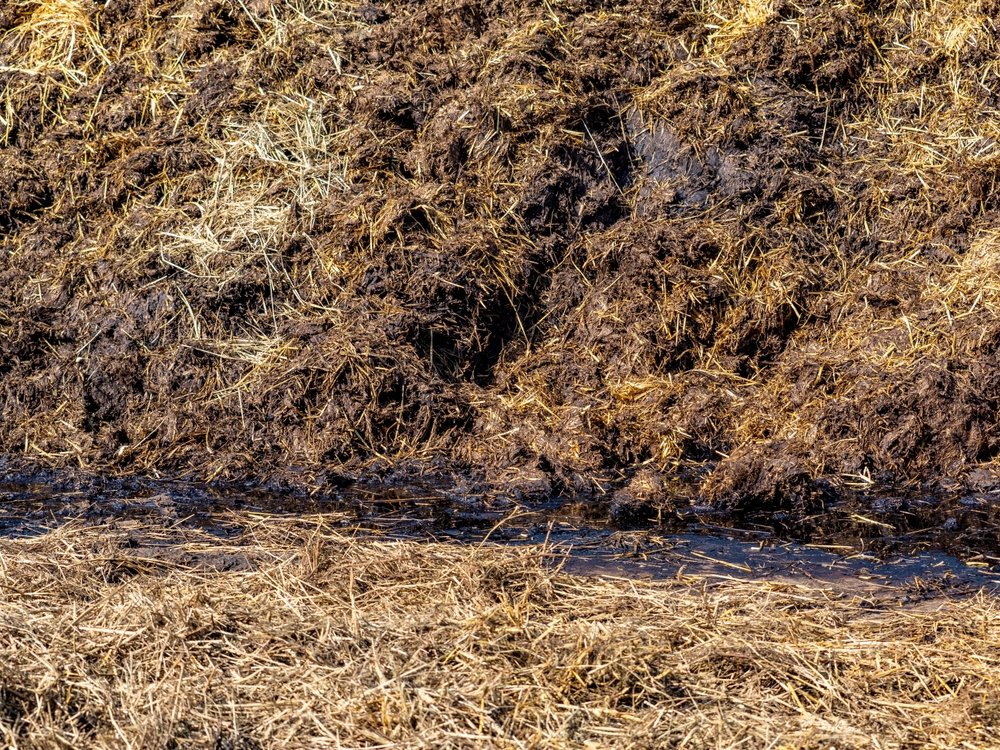
The process responsible for producing the gas is known as anaerobic digestion. It happens when microorganisms break down organic material in an environment without oxygen. During this process, bacteria decompose the material and release biogas, which consists mainly of methane and carbon dioxide. Since cow manure contains organic matter, it can provide the material these microorganisms need to carry out the decomposition process.
Methane is the component responsible for the flame seen in Rodríguez’s demonstration. It is a combustible gas, meaning it can burn when released under suitable conditions and exposed to an ignition source. Carbon dioxide is also present in the resulting biogas, although it does not provide the fuel responsible for combustion. The mixture of gases is produced as microorganisms gradually break down the organic material inside the container.
Several factors influence how much gas the process produces, including:
- Organic material: The material being broken down influences the amount of biogas generated.
- Temperature: Warmer conditions can influence the biological activity involved in decomposition.
- Time: The microorganisms need time to break down the organic material and produce gas.
- Conditions inside the container: Anaerobic digestion requires an environment without oxygen.
Rodríguez left her mixture in a warm location for approximately two weeks, allowing gas to accumulate inside the bottle. The expanding container provided a visible indication that gas was being produced. The flame then demonstrated that the resulting gas contained combustible methane.
Farms Already Use The Same Process To Produce Biogas
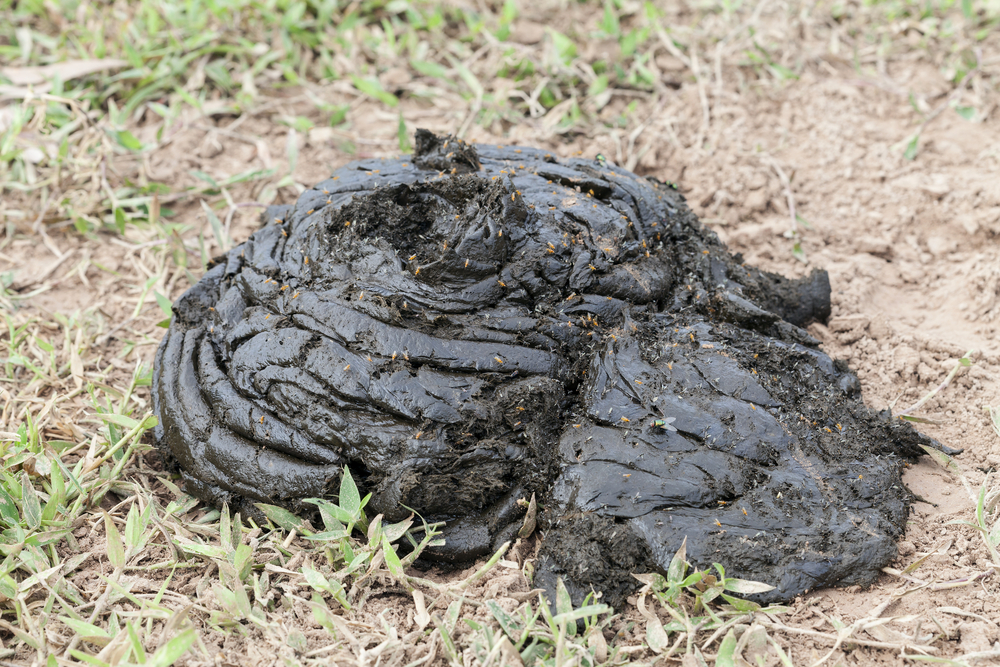
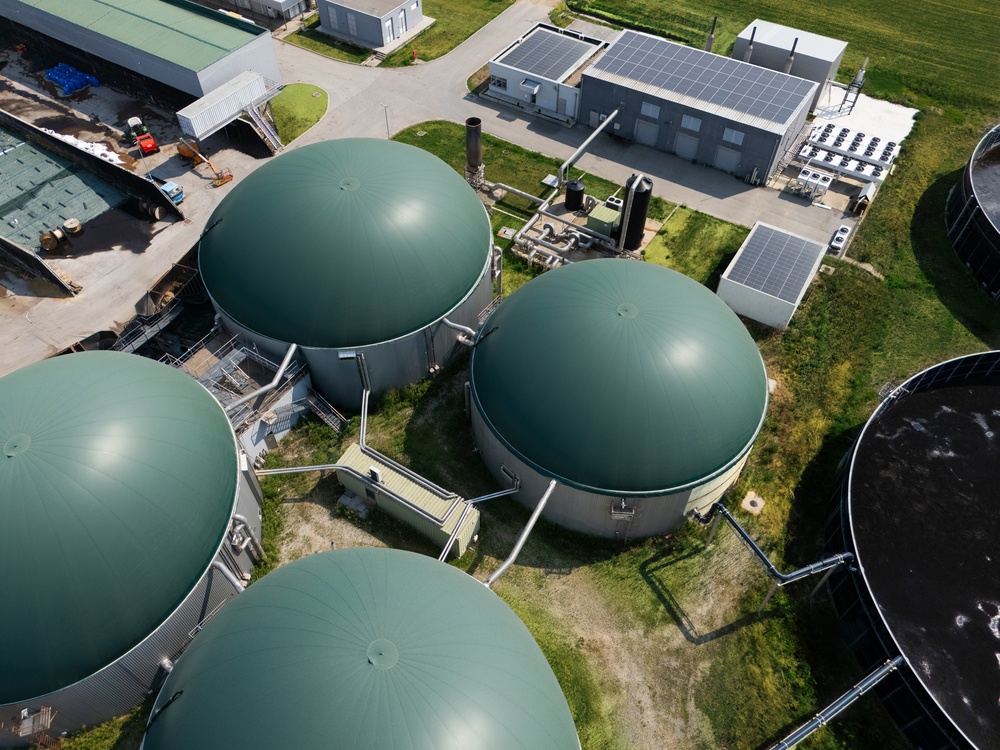
Although Rodríguez’s experiment involved a simple plastic bottle, anaerobic digestion is already used on a much larger scale. Farms and rural communities use specially designed systems called biodigesters to break down organic waste and generate biogas. These systems rely on the same biological process demonstrated in the experiment, allowing microorganisms to decompose organic material without oxygen.
The gas produced through biodigestion can be used as fuel in suitable systems. This gives agricultural communities another way to make use of livestock waste that would otherwise require management and disposal. Cow manure becomes a potential resource for producing energy, while the resulting biogas offers an alternative fuel source for appropriate applications. The process is particularly relevant to farming environments where organic waste is already readily available.
A properly designed biodigester provides a controlled environment for the decomposition process. Unlike Rodríguez’s small demonstration, these systems are intended to collect and manage the gas produced during digestion. The amount of biogas generated depends on the organic material and temperature, so the output can vary. This is why the results of a small experiment cannot automatically be translated into the amount of fuel a household or farm could expect from a larger installation.
The Process Also Produces A Liquid Fertilizer Called Biol
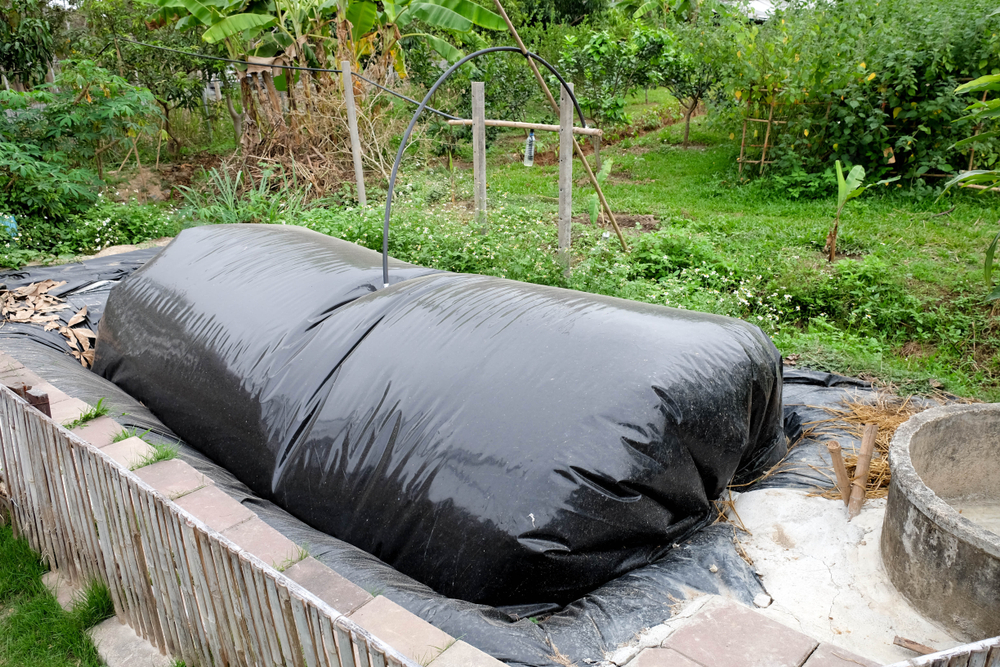
The combustible gas is perhaps the most surprising result of anaerobic digestion, but there is another useful output. The process also produces a liquid fertilizer known as biol. This material is generated during the decomposition of organic matter and provides an additional agricultural use for the process.
For farms, the possibility of obtaining both biogas and liquid fertilizer makes biodigestion particularly interesting. Organic waste can be used to generate fuel, while the resulting biol can be used in agricultural applications. This creates an opportunity to make greater use of materials already produced through livestock farming.
The two outputs also explain why biodigesters have applications beyond energy production. Farmers dealing with livestock waste have to manage large quantities of organic material, and biodigestion provides another way to process it. The gas can serve as a fuel in suitable systems, while the liquid byproduct has a separate use as fertilizer. Both come from the same underlying biological process.
Why A Plastic Bottle Cannot Replace A Proper Biodigester
Rodríguez’s experiment demonstrates that cow manure can produce combustible gas, but there is an important difference between a small demonstration and a system designed to supply fuel. The supplied experiment does not establish how much gas a household could produce or how long that supply would last. A bottle that inflates after two weeks is not equivalent to a biodigester designed to provide fuel for cooking.
The amount of gas produced also depends on the material being decomposed and the temperature. Different conditions can lead to different results, meaning the process does not guarantee a consistent amount of fuel. A larger application requires equipment designed to manage the biological process and the gas it produces. The small experiment provides a demonstration of the underlying science, rather than a complete household energy solution.
There are also important safety considerations when dealing with combustible gas. Gas accumulation inside an ordinary sealed bottle can create pressure, and methane can ignite under suitable conditions. A plastic bottle should never be treated as a safe fuel storage device or improvised cooking system. Proper biodigesters require suitable design, gas handling and safety controls.
Could Agricultural Waste Become A More Useful Energy Source?
The idea behind Rodríguez’s experiment has applications that extend far beyond one bottle. Livestock farms already produce organic waste that can serve as material for anaerobic digestion, and biodigesters allow communities to turn that material into biogas. The resulting fuel can be used in suitable systems, while the process also generates biol for agricultural use.
For rural communities, this offers an interesting way to make use of resources that are already available. Instead of treating manure solely as waste, farmers can potentially use it as an input for producing energy and fertilizer. The practical benefits depend on the availability of suitable equipment and the conditions needed to maintain the digestion process.
Rodríguez’s demonstration provides a simple visual example of what happens when microorganisms break down organic matter without oxygen. A mixture of cow manure and water produced gas after approximately two weeks, and the methane within that gas was capable of producing a flame. The experiment may have started with a plastic bottle, but the biological process behind it is already helping agricultural communities turn livestock waste into something useful.
Cow manure may never become an exciting sight on a farm, but the gas it can produce gives farmers another reason to look at agricultural waste differently.