
Your cart is currently empty!
Surgeon Controls Robot From 35 Miles Away To Remove Cancer Patient’s Prostate In Historic Medical First

A 66-year-old cancer patient has undergone an extraordinary operation in which the surgeon responsible for removing his prostate was sitting inside an entirely different hospital, 35 miles away. Using a sophisticated robotic system, the doctor controlled surgical instruments remotely while another medical team remained beside the patient throughout the procedure. The operation was completed successfully, marking a historic moment for robotic surgery in the United States.
Contents
show
The procedure took place in Florida on October 25, 2026, and could open the door to a future where patients receive specialized surgical treatment without having to travel long distances to find experienced doctors. However, the technology is still being investigated, and important questions about safety and reliability remain. The successful operation has nevertheless demonstrated something that once seemed far beyond the reach of ordinary hospital care.
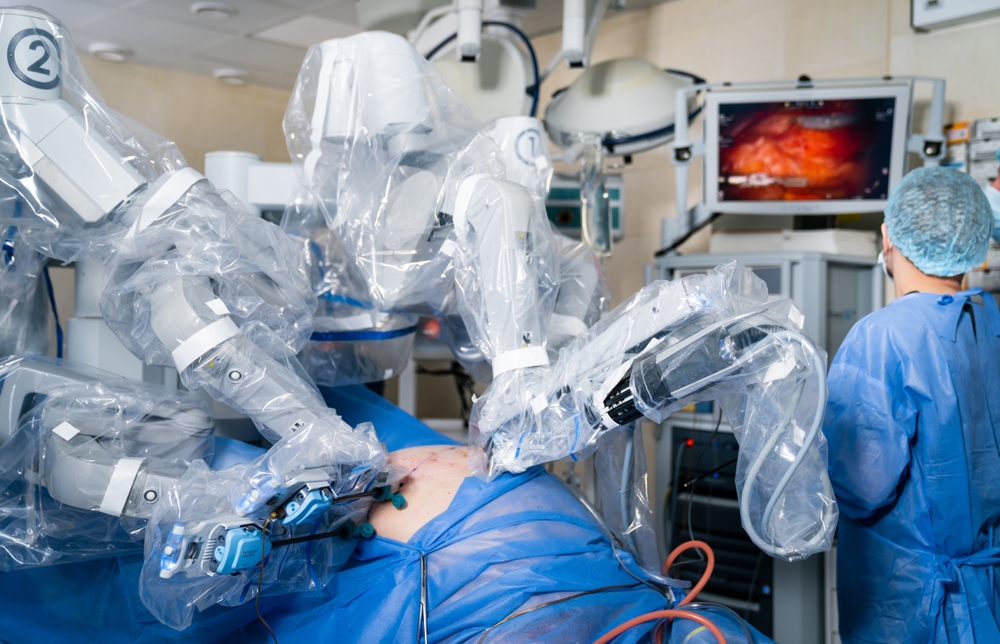
Surgeon Operates On Cancer Patient From Another Hospital
Dr. Vipul Patel, founder and medical director of the Global Robotics Institute at AdventHealth Celebration in Florida, performed the operation on a 66-year-old man diagnosed with prostate cancer. While the patient was inside an operating room at AdventHealth Minneola, Patel was stationed at AdventHealth Celebration, approximately 35 miles away. He used an investigational robotic telesurgery system to control the surgical instruments and successfully remove the patient’s prostate. The patient was reported to be recovering well following the procedure.
The operation required careful coordination between the two hospitals because the surgeon controlling the instruments was physically separated from the patient. Dr. Marcio Moschovas, the study’s co-principal investigator, remained at the patient’s bedside alongside the surgical team. His presence provided immediate medical support and meant someone qualified could intervene if a technical problem or medical emergency occurred. The procedure therefore combined remote surgical expertise with an experienced team physically present in the operating room.
The operation was conducted as part of a clinical research study authorized under an Investigational Device Exemption from the US Food and Drug Administration. It represents the first documented robotic telesurgery procedure performed between two hospitals in the United States. AdventHealth described the operation as an important step in evaluating whether remote robotic surgery could eventually make specialized treatment more accessible to patients who live far from major medical centers.

How The Remote Surgical Robot Actually Works
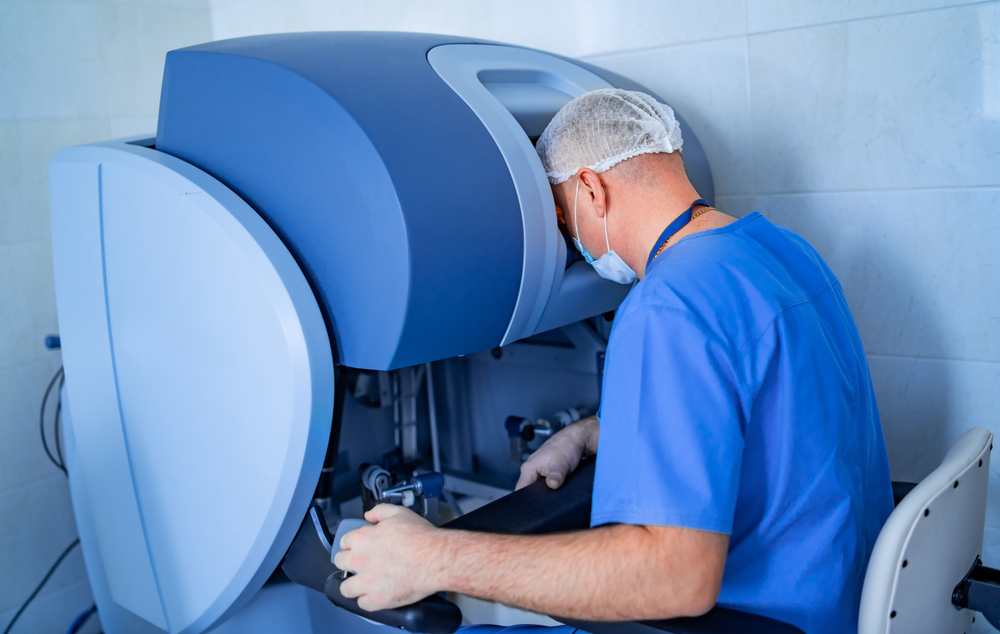
The technology behind the operation is known as robotic telesurgery. It combines robotic-assisted surgical equipment with communication systems that allow a doctor to control instruments from another location. Rather than physically holding the surgical instruments, the surgeon operates a specialized console that translates hand movements into precise actions performed by robotic arms. Cameras provide a live view of the surgical area, allowing the doctor to monitor the operation while controlling the equipment remotely.
For this procedure, Patel used the investigational Toumai surgical system developed by MicroPort MedBot. The system allowed him to control the instruments while the patient remained inside the operating room at the second hospital. Robotic surgery already allows surgeons to perform delicate procedures through small incisions using specialized instruments. Telesurgery adds physical distance between the surgeon and patient, creating additional technical requirements involving communication reliability and coordination with the local medical team.
Several important elements must work together during a remote operation:
- Surgeon’s console: The doctor uses specialized controls to direct the surgical instruments.
- Robotic arms: These instruments reproduce the surgeon’s movements inside the patient’s body.
- Live camera system: The surgeon receives visual information from the operating area.
- Communication connection: Information and commands must travel reliably between the two locations.
- On-site surgical team: Medical professionals remain beside the patient and can intervene when necessary.
The robot does not independently decide how to perform the operation. The surgeon remains responsible for controlling the instruments and making surgical decisions. This distinction is particularly important when discussing the technology because the procedure still depends on human expertise, medical judgment and the ability to respond to unexpected complications.
Why This Could Change Access To Specialized Healthcare
One of the biggest challenges facing patients who need specialized surgery is finding an experienced surgeon close enough to provide treatment. Major medical centers often attract specialists with extensive experience in complicated procedures, while smaller communities may have fewer available options. Patients can consequently face long journeys, additional expenses and time away from their families when seeking treatment. Remote robotic surgery could eventually help reduce some of these geographical barriers by allowing specialists to operate without being physically present in the same hospital.
Dr. Patel explained the motivation behind the research, saying, “For generations, access to highly specialized care has often depended on where a patient lives.” He added that the study would evaluate whether telesurgery could eventually help reduce those barriers. The possibility is particularly significant for people living in rural areas or regions where certain surgical specialties are difficult to access. If the technology proves reliable, hospitals could potentially connect their patients with experienced surgeons working elsewhere.
Potential applications could include:
- Connecting smaller hospitals with experienced specialists.
- Reducing the need for some patients to travel long distances.
- Giving underserved communities additional access to specialized procedures.
- Allowing surgeons to provide expertise across different hospital locations.
- Supporting medical collaboration between healthcare facilities in different regions.
These possibilities remain dependent on further clinical evidence and the practical challenges of implementing the technology. Hospitals would also need suitable robotic equipment, trained staff and dependable communication infrastructure. Even if remote surgery becomes more widely available, the costs involved could influence which communities benefit first.
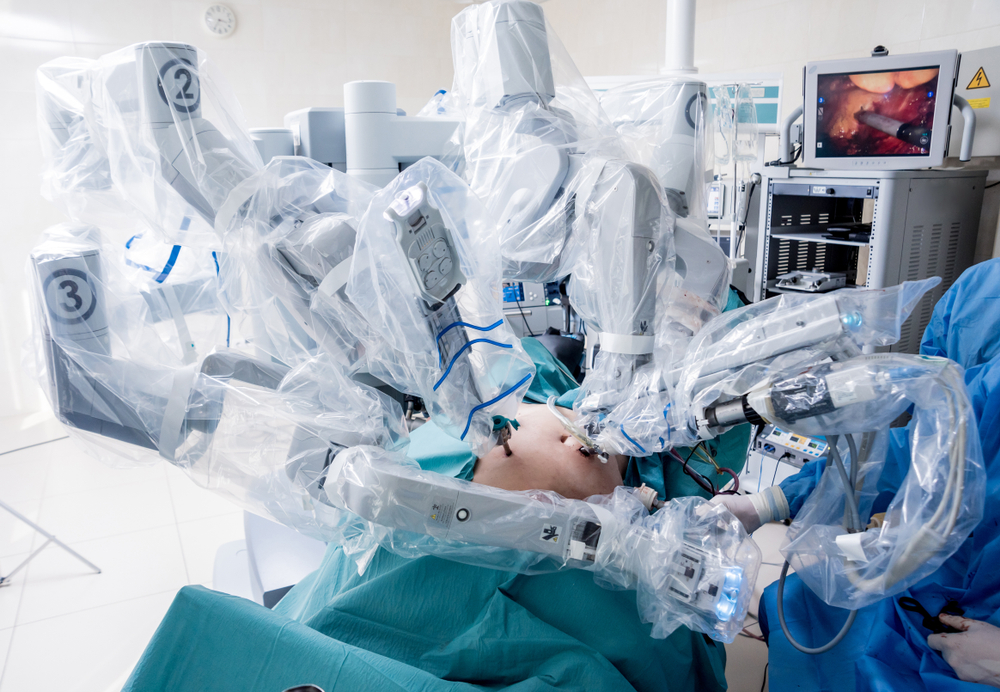
The Surgeon Had Already Operated Thousands Of Miles Away
The Florida operation followed earlier investigational telesurgery procedures involving hospitals in Orlando and Luanda, Angola. Those locations are separated by more than 7,000 miles, demonstrating the distances that remote surgical technology has been designed to address. The research team had previously completed 10 investigational telesurgery procedures between the two locations before bringing the research into the US hospital environment.
Patel also brings extensive experience to the research. AdventHealth identifies him as a leading figure in robotic prostate surgery, with more than 21,000 robotic prostatectomies performed. His background in robotic procedures is relevant because remote operations introduce additional challenges beyond those encountered during conventional surgery. The surgeon must work with the robotic system while relying on communication infrastructure and a separate medical team to support the patient.
The earlier international procedures provided an opportunity to investigate the technology across considerable distances. However, successfully completing remote procedures does not automatically establish that the system can be used safely in every hospital or medical situation. The latest Florida operation provides another opportunity to examine how the technology performs within the US healthcare environment, including the technical safeguards and clinical procedures needed to support it.
Remote Surgery Still Faces Serious Safety Questions
Despite the successful operation, remote robotic surgery introduces risks that hospitals must carefully evaluate before considering widespread use. A conventional operation already involves medical risks, but telesurgery adds another layer of dependence on robotic equipment and communication systems. If the connection becomes unstable or the equipment experiences a technical failure, the surgeon could temporarily lose the ability to control the instruments. Medical teams must therefore prepare for unexpected interruptions and have procedures ready to protect the patient.
Cybersecurity is another important concern. Because remote surgical systems rely on digital communication, hospitals must consider the possibility of unauthorized access or interference. Protecting the connection and ensuring that only authorized medical professionals can control the equipment are essential parts of evaluating the technology. Researchers are also examining network performance, alarms, contingency arrangements and the ability of the local team to take control when necessary.
There are also risks associated with the underlying prostate surgery itself. These can include bleeding, infection, urinary incontinence, erectile dysfunction and other complications. Remote control does not eliminate the normal medical risks associated with the operation. Instead, researchers must determine whether the additional technology can be used without introducing unacceptable risks for patients.
AdventHealth has emphasized that questions about safety, effectiveness and technical performance remain under investigation. The successful procedure represents one case in an ongoing study. Further research will be needed to establish whether the system can consistently deliver acceptable results across different patients and operating conditions.

FDA Research Authorization Does Not Mean Full Approval
An important detail surrounding the operation is its regulatory status. The procedure was conducted under an FDA-authorized Investigational Device Exemption, which permits an investigational medical device to be evaluated through an authorized clinical study. This allows researchers to gather evidence about how the system performs and identify potential problems that need to be addressed before wider medical use can be considered.
However, an Investigational Device Exemption should not be confused with FDA approval or clearance for routine clinical use. The authorization does not establish that the robotic telesurgery system has been proven safe and effective for this purpose. Researchers still need to evaluate the technology through the study and establish whether its benefits and risks support broader adoption.
The investigation includes several areas beyond the immediate surgical outcome. Researchers are examining patient outcomes, technical reliability, cybersecurity, communication performance and emergency procedures. They must also understand how hospitals can organize their operating teams around a surgeon who is physically located elsewhere. These findings will help determine whether remote surgery can become a dependable part of medical practice.
What The Future Could Look Like For Robotic Telesurgery
Dr. Patel believes the technology could eventually make specialized medical expertise more accessible. He described telesurgery as a way to help level the playing field in healthcare, particularly for patients whose location limits their access to experienced surgeons. The research also raises the possibility of connecting hospitals that have suitable facilities with specialists working in other cities or countries. Such an approach could change how medical expertise is shared between healthcare institutions.
There are practical obstacles to overcome before that possibility becomes routine. Hospitals would need to invest in robotic systems, reliable communication infrastructure and specialized staff training. They would also need detailed emergency plans in case the equipment or connection fails during an operation. The financial cost of introducing the technology could create another barrier, particularly for smaller hospitals that already operate with limited resources.
For now, the Florida procedure provides a glimpse of what remote surgery might eventually achieve. A surgeon successfully controlled robotic instruments from another hospital while a qualified medical team remained beside the patient. That achievement offers researchers a foundation for further investigation, although it does not establish that patients can already access remote robotic surgery as a standard treatment option.
A surgeon operating 35 miles away may once have sounded like an idea reserved for science fiction. Now it has happened in a US hospital research setting. The challenge ahead is proving that the technology can make this possible safely and consistently for the patients who stand to benefit most.