
Your cart is currently empty!
Healthy 24-Year-Old Marathon Runner Dies After Race as Father Reveals Life-Threatening Condition
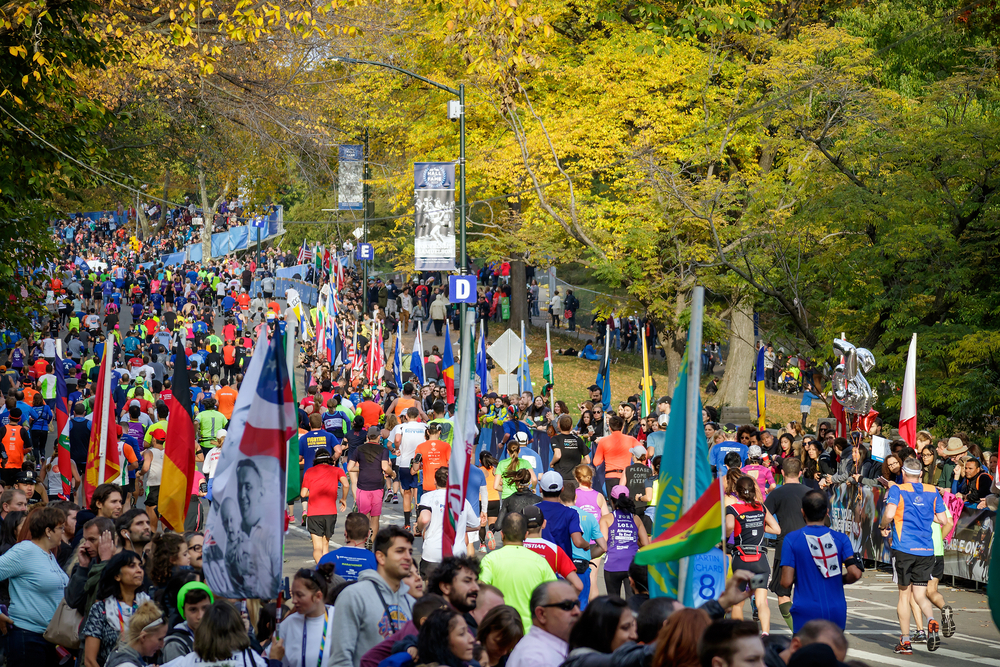
A 24-year-old woman who had trained for one of the world’s most demanding running events has died after suffering a medical emergency during the New York City Marathon. Rachel Apa received lifesaving treatment on the course before being rushed to a nearby hospital, where she later died. Her sudden passing has raised troubling questions about a potentially fatal condition that can develop during intense physical activity, even among people who appear healthy and physically fit.
Contents
show
Rachel’s father, Steve Apa, has revealed that his daughter died from rhabdomyolysis, a serious condition that causes damaged muscle tissue to release substances into the bloodstream. He said she had no previous health issues and had prepared for the marathon. The family had been exchanging messages throughout the race until Rachel reached mile 24, when she suddenly stopped responding. The New York Road Runners has confirmed her death, although the organization has not independently confirmed the cause.

24-Year-Old Runner Dies During 2026 NYC Marathon
Rachel Apa participated in the 2026 TCS New York City Marathon on Sunday, November 1, joining thousands of runners taking part in the annual endurance event. However, the race ended in tragedy after the 24-year-old experienced a medical emergency along the course. Emergency responders administered lifesaving measures before transporting her by ambulance to a nearby hospital, where she later died.
The New York Road Runners, which organizes the marathon, confirmed the heartbreaking news in a statement released on Tuesday. “We are deeply saddened by Rachel’s passing following running in Sunday’s race,” the organization said. “Our thoughts and sincere sympathies are with her family, friends, and the entire running community.”
The circumstances surrounding Rachel’s medical emergency have not been fully established. Her father has identified rhabdomyolysis as the condition responsible for her death, although an official cause has not been confirmed by the race organizers. Her passing has brought attention to a medical condition that can develop after extreme physical exertion and potentially cause life-threatening complications.
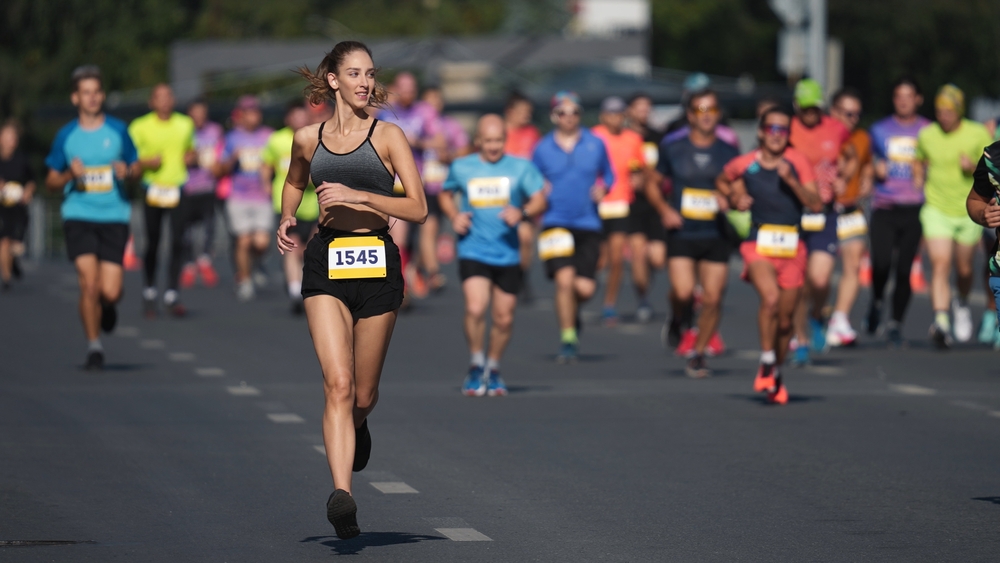
Her Father Reveals What Happened During The Race
According to her father, Rachel had been healthy before participating in the marathon and had spent time preparing for the demanding event. There was no known history of previous health problems that would have suggested she was at risk of such a serious medical emergency. Her family had also been keeping in touch with her as she progressed through the race.
Steve Apa said he had exchanged text messages with his daughter throughout the marathon. Their communication continued until she reached mile 24, when Rachel stopped responding. The sudden loss of contact became a particularly distressing detail in the account of her final hours, although the precise events leading to her medical emergency remain unclear.
Rachel’s university also confirmed her passing, remembering her as a “four-year member and key contributor” to its field hockey team. Her involvement in collegiate sports reflected her background as an active athlete. Her father said she had trained for the marathon, making the tragedy particularly difficult to understand for those who knew she had prepared for the challenge.
What Exactly Is Rhabdomyolysis?
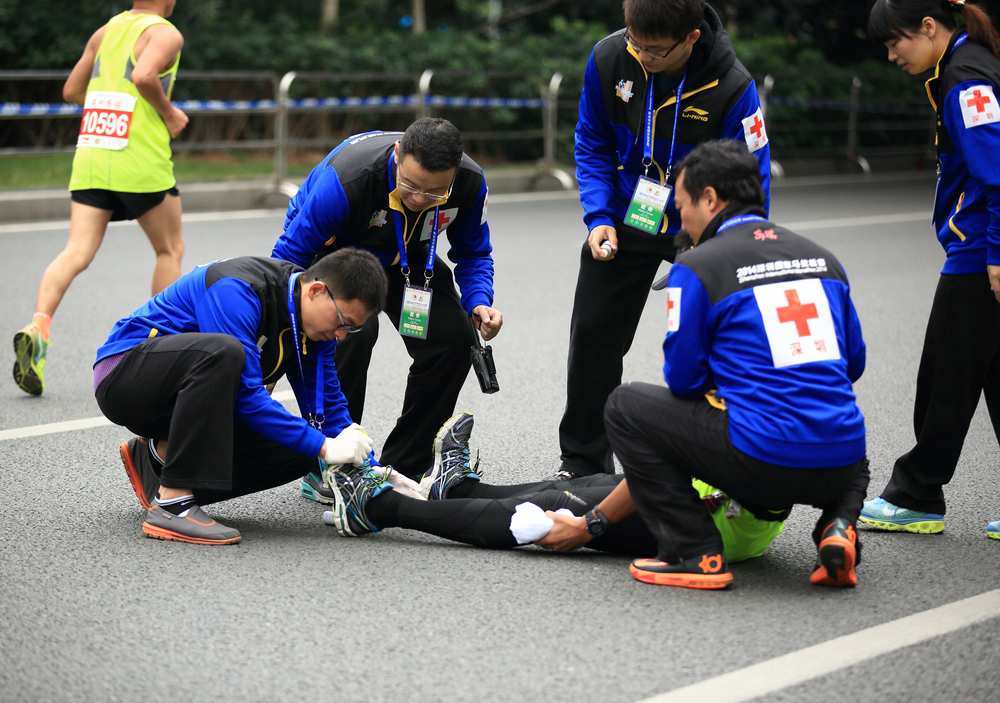
Rhabdomyolysis, often shortened to rhabdo, is a serious medical condition that develops when damaged muscle tissue releases proteins and electrolytes into the bloodstream. These substances can overwhelm the body’s normal processes and cause complications affecting several organs. Although the condition can develop following intense exercise, it can also occur after physical trauma, extreme heat exposure, and other circumstances that damage muscle tissue.
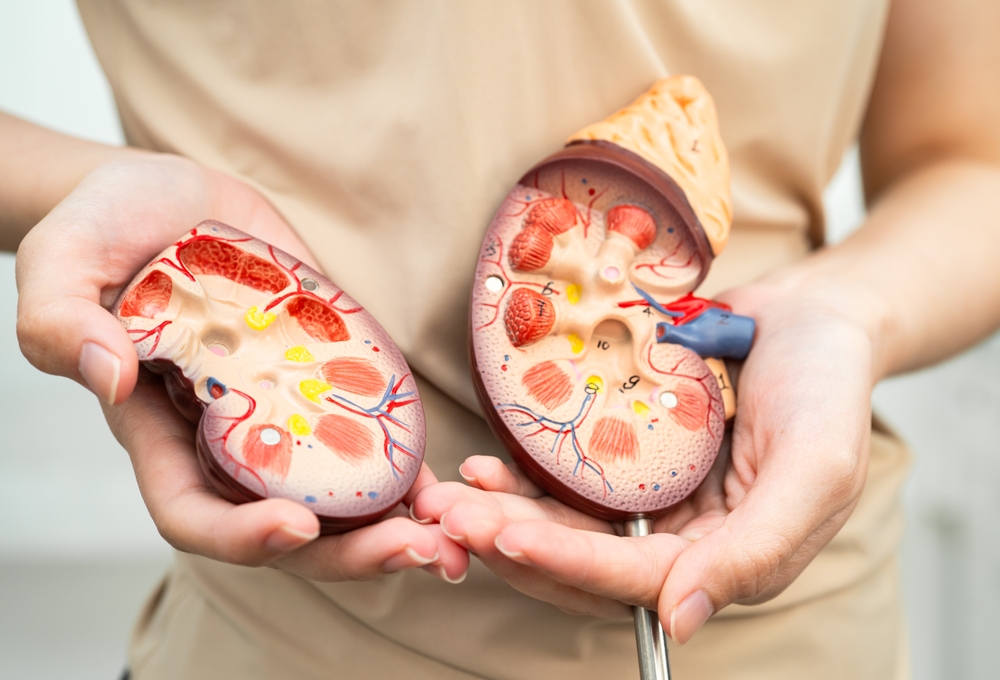
The kidneys are particularly vulnerable because they normally filter waste products and excess substances from the blood. When large amounts of muscle-related proteins and electrolytes enter the bloodstream, the kidneys may struggle to remove them efficiently. This can result in acute kidney injury or more extensive kidney damage, depending on the severity of the condition.
Rhabdomyolysis can also trigger other dangerous complications. These include nausea, vomiting, seizures, heart arrhythmias, and organ damage. In severe cases, the condition can become fatal, particularly when complications develop rapidly or treatment is delayed. The seriousness of the condition makes recognizing its symptoms especially important for people participating in strenuous physical activities.
Even Healthy Athletes Can Develop The Condition
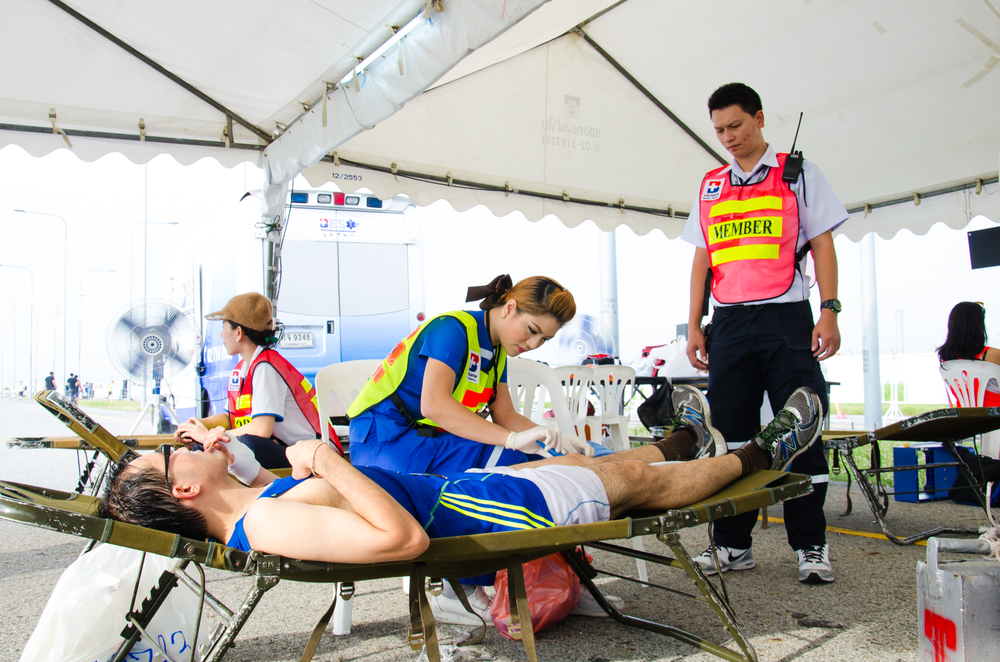
One of the most concerning aspects of rhabdomyolysis is that it can affect people who are already physically fit. Many assume that serious exercise-related medical conditions mainly affect beginners or individuals who attempt demanding workouts without sufficient preparation. However, the Centers for Disease Control and Prevention notes that anyone can develop rhabdomyolysis, including athletes who are in “great shape.”
Intense physical activity can place substantial stress on muscle tissue, particularly during prolonged endurance events. Under certain circumstances, the damage becomes severe enough to release harmful substances into the bloodstream. Extreme heat and physical trauma can also contribute to the development of the condition, increasing concerns for people undertaking demanding activities in challenging environments.
The CDC identifies several groups and circumstances associated with an increased risk of rhabdomyolysis:
- Athletes and marathon runners: Intense physical exertion can cause muscle damage, potentially triggering the condition.
- Outdoor workers: Physically demanding work and exposure to extreme heat can increase the risk.
- Firefighters and first responders: Their duties can involve strenuous physical activity and demanding environmental conditions.
- Military personnel: Certain physically demanding activities and conditions can contribute to muscle damage.
- People experiencing physical trauma: Accidents and injuries can damage muscle tissue and potentially lead to rhabdomyolysis.
These risk factors show why physical fitness alone cannot guarantee protection. Even experienced athletes can experience serious complications when muscle damage becomes excessive.
Medications And Other Health Conditions Can Increase Risk
Strenuous exercise is one possible trigger, but rhabdomyolysis can develop for several other reasons. Certain medications, infections, genetic conditions, and electrolyte imbalances can also contribute to muscle damage. This means that someone does not necessarily need to participate in an endurance event to develop the condition.
MedlinePlus identifies several factors associated with rhabdomyolysis, including amphetamines, statins, genetic muscle diseases, infections, low blood phosphate levels, and low blood potassium levels. People who undergo lengthy surgical procedures may also develop the condition in certain circumstances.
The presence of one of these factors does not automatically mean someone will develop rhabdomyolysis. However, understanding the possible triggers can help explain why the condition affects different people in different situations. In Rachel’s case, her father said she had no previous health issues, but the specific circumstances that triggered her condition have not been established.
Symptoms Can Look Like Ordinary Exercise Exhaustion
Another concerning aspect of rhabdomyolysis is that its symptoms can resemble other conditions associated with strenuous physical activity. The CDC explains that rhabdo may look similar to heat-related illnesses, including heat cramps and heat exhaustion. This can make the condition difficult to recognize, especially when someone has just completed an intense workout or endurance event.
Some symptoms may initially appear like ordinary muscle soreness or exhaustion after exercise. However, severe muscle pain, unusual weakness, and dark-colored urine can indicate something more serious. The CDC also identifies exercise intolerance, where someone suddenly struggles to complete physical activity they could previously manage, as another possible warning sign.
Common symptoms associated with rhabdomyolysis include:
- Severe muscle pain: Aches and pain that can be more intense than typical post-exercise soreness.
- Muscle cramps: Painful contractions that interfere with normal movement.
- Dark-colored urine: Urine that becomes unusually dark.
- Unusual fatigue: Weakness or exhaustion that seems disproportionate to the activity performed.
- Joint pain: Discomfort affecting the joints.
- Exercise intolerance: An unexpected inability to complete a physical task or workout that was previously manageable.
The symptoms can vary between individuals, and someone experiencing rhabdomyolysis may initially mistake them for normal exercise-related discomfort. Anyone experiencing symptoms associated with the condition should seek medical attention immediately.
How Rhabdomyolysis Is Treated
Treatment depends on the severity of muscle damage and whether complications involving the kidneys or other organs have developed. Milder cases may require fluids containing bicarbonate, rest, and moving away from extreme heat. However, more serious cases can require hospital treatment and close medical monitoring.
For patients experiencing severe complications, treatment may involve intravenous fluids, medications, and kidney dialysis. These interventions help address the consequences of muscle damage and complications such as kidney failure, low blood pressure, and chemical imbalances in the bloodstream.
Other potentially serious complications requiring medical intervention include seizures, heart arrhythmias, compartment syndrome, and high potassium levels. The appropriate treatment depends on the patient’s condition and the extent of organ damage. Immediate medical attention is essential when rhabdomyolysis is suspected because the condition can become life-threatening.
Rachel Apa’s Death Raises Concerns For Runners
Rachel’s death has left her family and university community mourning the loss of a young woman who had participated in collegiate athletics and prepared for a major endurance event. Bucknell University remembered her as a four-year member and key contributor to its field hockey team, highlighting her involvement in university sports.
Her father’s account has also drawn attention to the risks associated with rhabdomyolysis, particularly among people who participate in physically demanding activities. The condition can affect athletes despite their fitness levels, and its symptoms may initially resemble common exercise-related problems.
The circumstances surrounding Rachel’s death remain subject to confirmation, and the official cause has not been established by the marathon organizers. However, the warning signs associated with rhabdomyolysis deserve serious attention from anyone who exercises intensely.
A workout should never leave someone ignoring severe muscle pain, unusual weakness, or dark urine in the belief that pushing through discomfort is simply part of being an athlete. Recognizing when something is medically wrong and seeking immediate treatment can make a critical difference.