
Your cart is currently empty!
Elon Musk Has Unexpected Response After Republicans Lose Key Midterm Races Despite His $474 Million Spending Spree
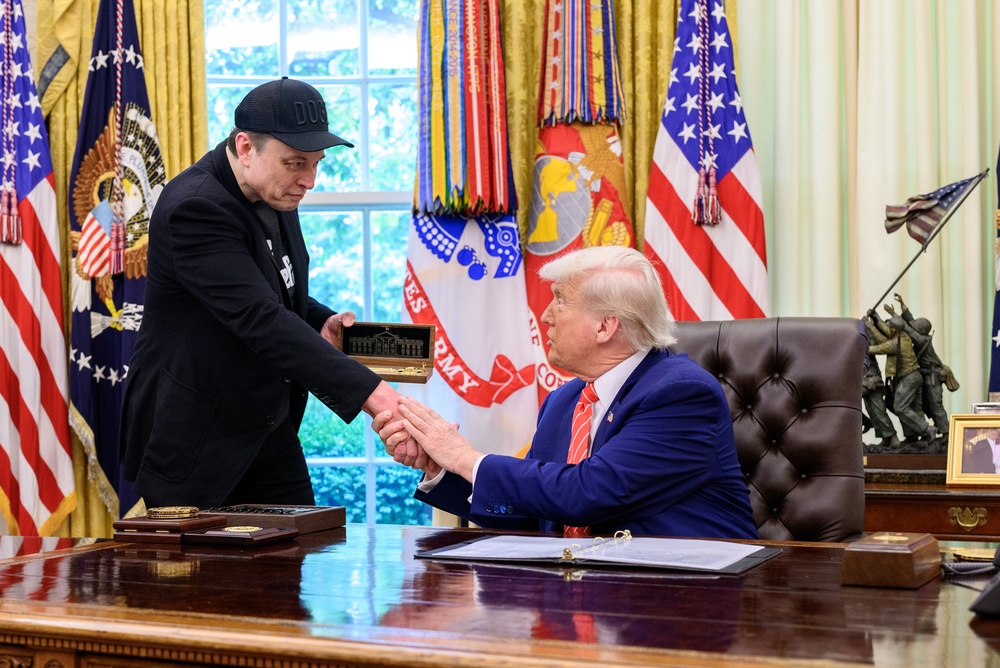
Elon Musk poured nearly half a billion dollars into supporting Republican candidates during the 2026 US midterm elections, but the results delivered a serious setback to his political operation. After several candidates he backed lost their races, the billionaire responded with a sarcastic post that quickly attracted attention.
Contents
show
Musk posted on X that “Data centers in space looking pretty appealing right now,” appearing to joke about the election outcome and his enormous political investment. His comment came after Democrats secured control of Congress, defeating Republican candidates in several important contests, including Texas, where Musk had directed a substantial portion of his spending.
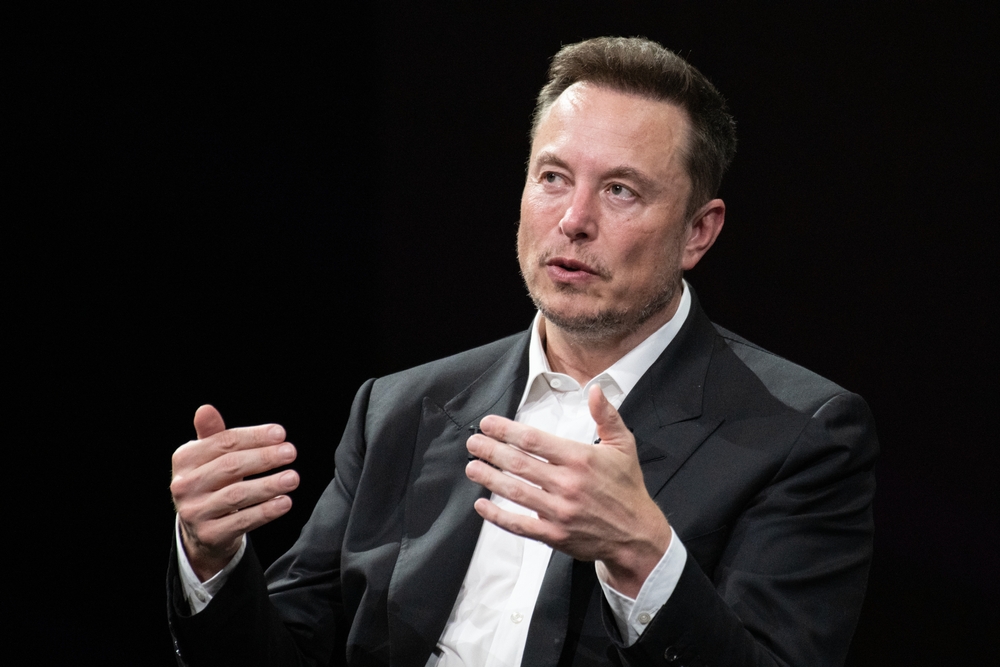
Elon Musk Responds To Republican Losses With Unexpected Joke
Musk had spent months supporting Republican candidates ahead of the November 3 midterm elections. His political involvement included major donations to super PACs, campaign advertising and efforts to mobilize voters in competitive states. The scale of his financial commitment made him one of the most prominent individual donors in the election cycle, with his disclosed political contributions reaching approximately $474 million.
The election results, however, failed to deliver the victories Republican candidates and their wealthy supporters had been seeking. Democrats made significant gains across the country, taking control of both chambers of Congress and winning several closely watched races. Musk’s response came as the results exposed the difficulties facing a political operation that had invested enormous resources in helping Republicans retain power.
His comment about moving data centers into space was particularly interesting given his existing business interests in artificial intelligence, satellites and space technology. Musk has repeatedly discussed the possibility of using space-based infrastructure to support future computing demands. The remark therefore connected his political disappointment with one of the technological ideas associated with his companies.
The billionaire had previously been much more outspoken about American politics, regularly using his platform to support Republican candidates and criticize Democrats. His latest response was considerably shorter, offering a humorous reaction rather than a detailed explanation of the election results. It also left questions about whether he intends to continue spending at the same scale in future political campaigns.
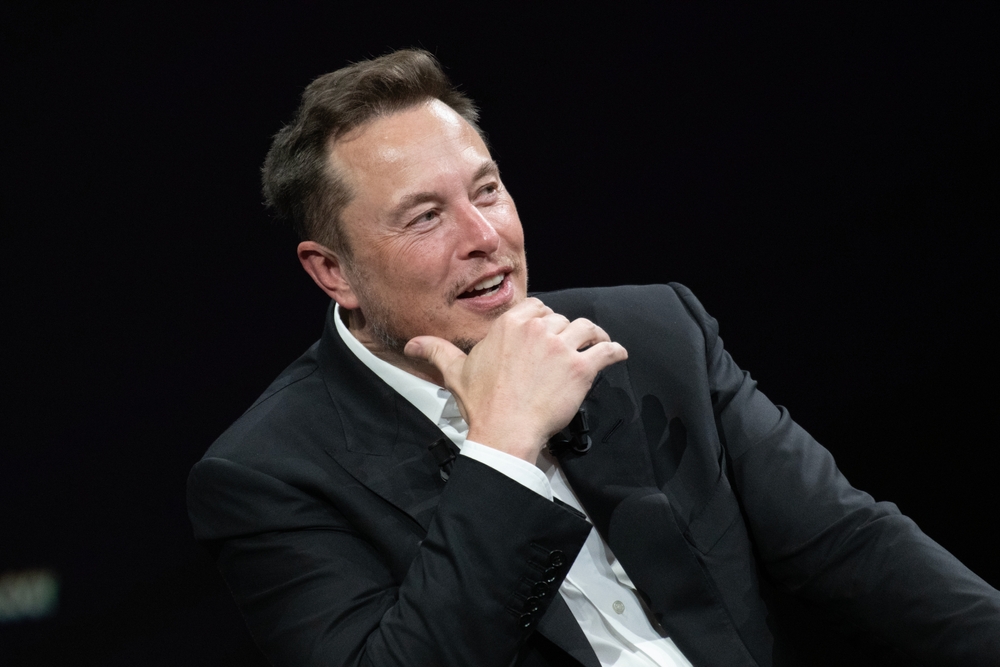
Republicans Lose Several Elections Despite Musk’s Financial Backing
Musk’s political contributions were distributed across numerous Republican-aligned organizations supporting candidates in competitive House and Senate races. His America PAC was among the most prominent groups involved, while the Senate Leadership Fund received substantial financial support that helped Republican candidates in important contests. These organizations used their resources for advertising, voter outreach and other independent campaign activities.
The results were particularly disappointing for candidates who had received significant support from his political network. Only three of the 43 Republican House candidates backed by Musk had won at the time of the initial election analysis, while 33 had lost and seven races remained uncalled. In the Senate, six of the seven Republican candidates he supported had lost, with the remaining contest still awaiting a final result.
These figures demonstrated the difficulty of translating enormous campaign investments into electoral victories. Political advertising can increase a candidate’s visibility and help communicate campaign messages, but voters still make their own decisions based on individual concerns, party preferences and their assessment of candidates. Financial support also cannot guarantee that campaign messaging will persuade people who already hold strong political opinions.
The Republican setbacks therefore created an uncomfortable situation for major donors who had invested heavily in retaining congressional control. Musk’s spending was intended to strengthen Republican prospects, yet several of the races receiving substantial financial attention went to Democratic candidates. The results have consequently renewed discussion about how much influence wealthy individuals can exercise through independent political spending.
Guess my election-interfering space lasers didn’t work this time 🤷♂️
— Elon Musk (@elonmusk) November 4, 2026
Texas Becomes A Major Setback For Musk’s Political Operation
Texas was one of the most important battlegrounds for Musk during the election cycle. The billionaire has significant business interests in the state, including major Tesla and SpaceX operations, making its political direction particularly relevant to his companies. He directed approximately $224 million toward political efforts in Texas, including spending connected to the closely watched Senate contest between Republican Ken Paxton and Democrat James Talarico.
Talarico defeated Paxton, delivering a major Democratic victory in a state that has traditionally supported Republican candidates in statewide elections. The race attracted extraordinary financial attention, with total spending reaching approximately $573 million. Musk’s support was a substantial part of the Republican campaign effort, including contributions that helped finance advertising and other political activities intended to defeat Talarico.
During his victory speech in Austin, Talarico addressed the wealthy political interests that had opposed his campaign. “We just proved that all the money in the world is no match for the people of Texas,” the Democratic senator-elect said. He also referred to the message his victory sent to billionaire and trillionaire political donors, making the financial imbalance between the campaigns a central part of his remarks.
The governor’s race also delivered another setback for Republicans, with Democrat Gina Hinojosa defeating Greg Abbott. Hinojosa has previously raised concerns about Musk’s relationship with Texas officials and the operations of his companies in the state. Her victory could introduce a different political relationship between the governor’s office and Musk’s business interests, particularly concerning SpaceX facilities and development projects.
Where Musk’s Hundreds Of Millions Went
Musk’s political spending was spread across several organizations rather than being delivered directly to individual candidates. His contributions helped finance Republican-aligned super PACs that could independently support campaigns through advertising and voter outreach. The figures also included donations to political groups operating at state and federal levels, making the overall scale of his involvement considerably larger than a conventional candidate contribution.
The disclosed spending included several major recipients:
- America PAC: Musk’s own political action committee received approximately $216 million and supported Republican candidates across numerous races.
- Senate Leadership Fund: The Republican-aligned organization received approximately $168 million, with substantial resources directed toward supporting Ken Paxton in Texas.
- Congressional Leadership Fund: This organization received approximately $30 million to support Republican candidates competing for House seats.
- Other federal political groups: Approximately $44 million went toward additional Republican political organizations and candidates.
- State-level political efforts: Roughly $16 million supported political activities in states including Texas, Michigan and Wisconsin.
The figures illustrate how a wealthy donor can distribute substantial resources across an extensive network of political organizations. Rather than concentrating all his spending on one candidate, Musk supported groups working across multiple states and congressional contests. This approach allowed his political network to participate in races involving different candidates and local issues.
His investment also exceeded his already substantial political spending during the 2024 presidential election cycle. Musk had previously contributed approximately $290 million toward Republican political efforts, including support for Donald Trump’s presidential campaign. His return to large-scale political spending in 2026 therefore represented another major commitment to Republican electoral ambitions.
Why Super PACs Play Such An Important Role In Elections
The controversy surrounding Musk’s spending has also brought attention to the American campaign finance system. Super PACs are political organizations permitted to accept unlimited contributions from individuals and corporations for independent political expenditures. They can spend money supporting or opposing candidates, although they cannot legally coordinate those independent activities with the campaigns themselves.
This arrangement allows wealthy donors to contribute substantial sums without being subject to the same individual contribution limits that apply to direct donations to federal candidates. The organizations can use their funds for advertising, communications and other activities intended to influence voters. Their involvement has become a significant feature of modern American elections.
Some of the main activities funded through super PACs include:
- Television advertising: Campaign organizations purchase advertising time to promote candidates or criticize their opponents.
- Digital campaigns: Political groups use online platforms to distribute advertisements and campaign messages.
- Direct mail: Voters receive printed materials explaining candidates’ positions and highlighting campaign issues.
- Voter outreach: Organizations fund efforts to contact voters and encourage participation in elections.
- Political messaging: Groups develop communications focused on issues that could influence how voters view competing candidates.
America PAC used several of these methods during the 2026 election cycle. Its operations included digital advertising, direct mail and voter outreach intended to support Republican candidates. However, the election results showed that substantial resources do not necessarily produce the desired outcome, particularly when candidates face strong opponents and voters have competing priorities.
Democrats Prepare To Examine Musk’s Political And Business Interests
The change in congressional control could also create additional challenges for Musk beyond the disappointing election results. Democratic lawmakers have indicated that they intend to examine several aspects of his relationship with the federal government, including his companies’ contracts and his previous involvement with the Department of Government Efficiency. These issues could become important subjects of congressional oversight during the new legislative session.
Musk’s companies have extensive connections with government programmes and public policy. SpaceX works with federal agencies on space transportation and satellite-related activities, while Tesla operates in industries affected by federal regulations and incentives. His artificial intelligence ventures have also attracted attention as lawmakers debate how emerging technologies should be regulated.
Democratic lawmakers have additionally raised concerns about the relationship between political donations and access to government decision-makers. They have indicated that investigations could examine Musk’s conduct during his time leading DOGE, along with federal contracts and other matters involving his businesses. These are proposed areas of scrutiny, and any formal investigations will depend on congressional decisions and procedures.
The election has also brought renewed attention to proposals addressing campaign finance rules. Democratic representative Robert Garcia has discussed legislation targeting a provision described by some lawmakers as the “Musk loophole.” The proposal would seek to change how wealthy individuals can use personal funds in political campaigns, although any legislative change would need to pass through Congress before becoming law.
What The Election Results Mean For Musk’s Future Political Spending
Musk’s involvement in the 2026 midterms has created a significant moment for discussions about billionaire influence in American politics. His contributions reached hundreds of millions of dollars, making him one of the largest individual political donors in the country. Yet many of the Republican candidates supported by his financial network failed to win their contests, including candidates in races that received particularly large investments.
The results also showed that political spending operates within a much wider electoral environment. Candidates must connect with voters, respond to local concerns and compete against opponents who may have substantial financial support of their own. Democratic campaigns also attracted significant contributions, including smaller donations from individual supporters, giving them additional resources to communicate their positions.
Musk’s future political involvement remains an open question. He has previously expressed reservations about continuing to spend heavily on elections, although he subsequently returned to the political arena with another major financial commitment. The latest results could influence how he approaches future campaigns, particularly as the 2028 presidential election approaches.
For now, the billionaire’s space-based data center joke has become one of the more memorable responses to an election cycle in which his financial investment failed to deliver the Republican victories he had supported. His companies remain deeply connected to American government policy, while the new congressional majority has signalled its intention to examine those relationships. The next chapter of Musk’s political involvement will unfold under a Congress whose balance of power has changed.