
Your cart is currently empty!
DNA’s Genetic Code Has Raised a Question Scientists Still Cannot Fully Answer About Life’s Origins

Every living human carries an extraordinary set of instructions inside their cells, written using a chemical code that determines how the body develops and functions. Scientists understand many of the processes that allow this system to work, but one enormous question continues to attract attention: How did the first biological information come into existence? For advocates of intelligent design, the answer may point toward something far greater than chemistry alone.
Contents
show
The argument centers on DNA, RNA, and the remarkable information stored within genetic sequences. Supporters believe the precise arrangements of chemical bases resemble an information system that requires an intelligent source. Physicist Paul Davies has also discussed the distinction between the chemical components of life and the information that directs biological activity. The argument has reignited an ongoing debate about whether the origins of life can be explained entirely through natural processes or whether an intelligent creator offers a more convincing explanation.

DNA Contains An Extraordinary Amount Of Biological Information
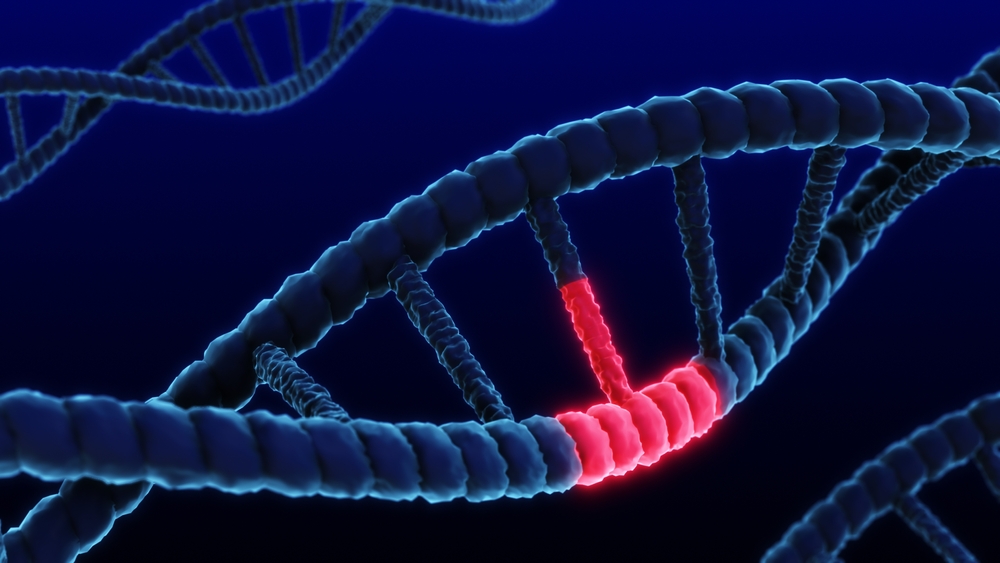
DNA is often described as the instruction manual for life because it carries the genetic information that helps organisms develop and function. The molecule contains four chemical bases: adenine, guanine, cytosine, and thymine. These bases are commonly represented by the letters A, G, C, and T, and their particular arrangement creates the genetic sequences used by living cells. Human DNA contains billions of nucleotide pairs, with different sections carrying instructions involved in the body’s biological processes.
The information stored in DNA helps cells produce proteins, which perform essential functions throughout the body. Some proteins provide structural support, while others transport substances, regulate chemical reactions, and help cells communicate. DNA instructions are copied into RNA during gene expression, and RNA helps direct the production of proteins. This relationship allows genetic information to influence the activities taking place inside living organisms. The remarkable feature is that the chemical components must be arranged in particular sequences for the resulting instructions to perform their biological functions.
Advocates of intelligent design argue that this arrangement deserves an explanation beyond the chemistry of individual molecules. They compare genetic sequences to written instructions because the order of the components determines the information being communicated. Rearranging letters can completely change the meaning of a sentence, and changes in genetic sequences can affect biological function. For these advocates, DNA raises a question about how meaningful information first appeared in nature. They believe the existence of such an organized system is consistent with the possibility of an intelligent source behind life.

Physicist Paul Davies Explains The Information Problem
Physicist Paul Davies has discussed the challenge of understanding life by examining only the chemical components that make it possible. His argument distinguishes between the physical medium carrying information and the information itself. In the supplied passage, Davies explains that researchers have traditionally concentrated on the physics and chemistry of biological molecules. However, he believes this approach risks overlooking the informational rules that allow living systems to function.
Davies writes: “Since the heady successes of molecular biology, most investigators have sought the secret of life in the physics and chemistry of molecules. But they will look in vain for conventional physics and chemistry to explain life, for that is a classic case of confusing the medium with the message.” His observation raises a difficult question about whether identifying the materials involved in life is enough to explain how biological information first emerged. Understanding the chemical structure of DNA does not automatically reveal how its earliest functional sequences developed.
The distinction has become central to arguments made by intelligent-design advocates. They believe biological information requires an explanation that accounts for both the physical molecules and the instructions encoded within them. Their position is that chemical reactions alone do not adequately explain why particular sequences carry information capable of directing biological activity. However, this interpretation remains disputed. Scientists investigating the origin of life continue to examine how chemical interactions, molecular selection, and other natural processes might have produced increasingly complex systems capable of storing and using information.

The RNA World Hypothesis Faces An Important Challenge
One of the leading scientific proposals concerning life’s origins is known as the RNA World Hypothesis. RNA is a molecule closely related to DNA, but it can perform several different functions. It can carry genetic information and, in certain forms, help catalyze chemical reactions. This combination has made RNA particularly interesting to researchers studying how the earliest biological systems might have developed before modern cells existed.
The hypothesis suggests that RNA may have played a central role before DNA and proteins became established as the foundations of modern biological systems. This possibility addresses an important problem because modern cells depend on DNA to store genetic information and proteins to perform many essential functions. Yet producing proteins requires instructions encoded in genetic material. RNA offers a possible bridge because some RNA molecules can store information while also helping chemical reactions take place. Researchers have investigated whether early RNA-based systems could have gradually developed the abilities needed for primitive forms of biological replication.
Intelligent-design advocates argue that the hypothesis still faces a fundamental question: Where did the information in the first functional RNA molecules come from? Even if RNA appeared before DNA, they believe researchers must explain how its initial sequences acquired the information necessary for biological activity. Philosopher of science Stephen C. Meyer makes a similar argument in his discussion of biological information. He contends that moving the problem from DNA to RNA does not solve the original question. Scientists continue to investigate the RNA World hypothesis, and its unresolved questions remain part of the wider debate about life’s beginnings.
Five Difficult Questions About The Origin Of Life
The emergence of life requires researchers to explain several processes that modern organisms depend on every moment. The challenge involves understanding how relatively simple chemical components could become organized into systems capable of storing information, carrying out reactions, and reproducing. Each process creates additional questions about how the earliest biological systems developed and became increasingly complex.
Some of the central challenges include:
- Producing biological building blocks: Scientists must understand how compounds such as amino acids and nucleotides could have formed under conditions on early Earth.
- Creating information-bearing sequences: Researchers investigate how chemical building blocks could have assembled into arrangements capable of storing useful biological information.
- Establishing replication: Early systems needed a way to reproduce their molecular structures and pass information to subsequent generations.
- Developing catalytic activity: Chemical reactions had to occur efficiently enough to support increasingly complex biological systems.
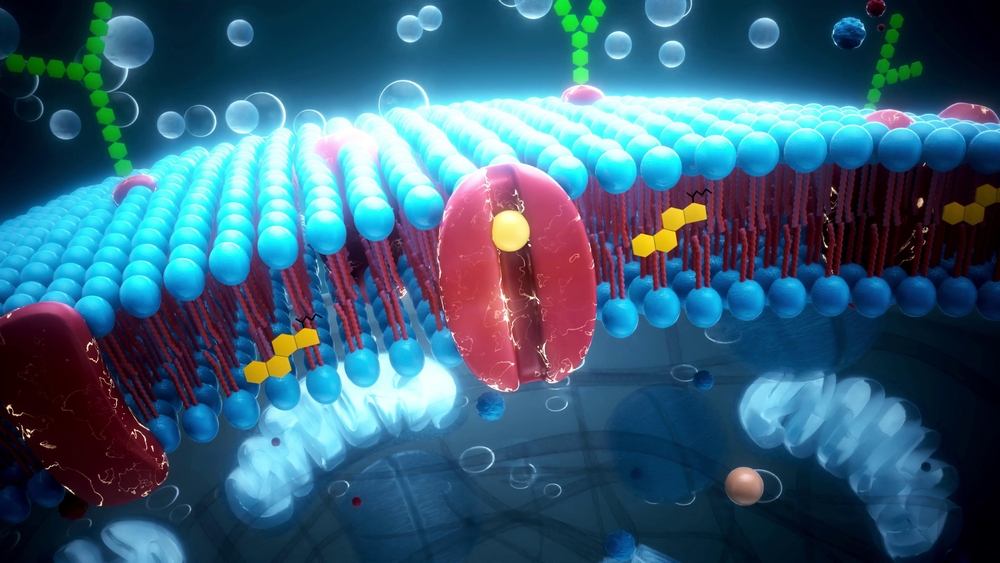
- Forming primitive compartments: Early life needed some form of organization that could separate developing chemical systems from their surroundings.
These challenges are connected because a molecule capable of storing information would have limited biological usefulness without a process for copying and using it. Likewise, chemical reactions alone would not necessarily create a system capable of reproduction. Researchers are investigating different possibilities for how these processes could have developed together. Intelligent-design advocates argue that the existence of these interconnected requirements makes a purely natural explanation difficult to establish. Nevertheless, scientific research continues to examine possible pathways rather than treating the question as settled.
Stephen Meyer Argues That Genetic Information Requires An Explanation
Stephen C. Meyer is one of the prominent philosophers associated with the modern intelligent-design movement. In his book God’s Crime Scene, he examines different features of the universe and considers whether they provide evidence for an intelligent creator. His argument about life’s origins focuses particularly on what he describes as specified information. According to Meyer, genetic sequences contain information arranged in ways that produce particular biological functions.
Meyer argues that explanations involving one proposed stage of life’s development can leave the original information problem unresolved. In the supplied source, he states: “Proposals that merely transfer the information problem elsewhere necessarily fail because they assume the existence of the very entity—specified information—they are trying to explain.” His criticism is directed at explanations that describe how one molecule might have developed from another without fully accounting for the origin of the information those molecules carry.
He also challenges the idea that new physical laws would automatically explain the emergence of meaningful genetic sequences. In his view, natural laws describe how physical processes behave, but they do not independently explain the origin of the specific information found in living systems. Other researchers disagree with this interpretation and investigate how chemical processes, molecular interactions, and selection could have contributed to the development of biological information. The disagreement reflects a deeper question about what counts as a sufficient explanation for the emergence of life.
Werner Gitt Believes Information Points Toward Intelligence
German engineer and information theorist Werner Gitt has also argued that meaningful information requires an intelligent source. His position focuses on the ability to select between different possible arrangements. He believes that producing meaningful instructions involves choosing particular sequences according to a purpose. In his interpretation, this ability requires intelligence and will rather than unguided physical processes.
Gitt explains: “A necessary requirement for generating meaningful information is the ability to select from alternatives and this requires an intelligent, volitional entity.” His argument connects the organization of genetic information with the process of making deliberate choices. He believes the genetic code contains sequences that perform specific biological functions, making an intelligent source a more reasonable explanation than random chemical arrangements alone.
This argument is an important part of the intelligent-design position, although it has not been established as a scientific consensus. Researchers investigating life’s origins continue to study how molecular interactions and chemical selection could have contributed to the emergence of information-bearing systems. The distinction between scientific findings and philosophical interpretation remains essential. The existence of DNA is established, but whether its information ultimately points toward a divine intelligence is a question that involves broader reasoning about the nature of life and its origins.

Does DNA Provide Evidence For The Existence Of God?
For believers and supporters of intelligent design, the genetic code offers a compelling reason to consider the possibility of a creator. They argue that the information stored in DNA resembles other forms of organized information associated with intelligence. From their perspective, the precise sequences that direct biological activity suggest that life may have an intelligent source beyond the physical processes observed within the universe.
However, the existence of genetic information does not independently prove that God created life. The scientific community continues to investigate natural explanations for the emergence of biological systems, including research into RNA, early Earth chemistry, and molecular replication. No complete explanation of life’s first emergence has yet been established, but that uncertainty does not automatically confirm intelligent design. It also does not mean scientific investigation has reached a dead end.
The question remains significant because it brings together two different approaches to understanding existence. Science investigates the physical processes involved in life, while philosophy and theology examine broader questions about why life exists and whether the universe has an intelligent source. DNA provides a remarkable starting point for that discussion. Every cell carries an intricate system of biological instructions, and understanding how the first such system emerged remains one of the greatest unanswered questions in the study of life’s origins.