
Your cart is currently empty!
Scientists Reveal Why 37000 Year Old Cave Paintings Have Survived
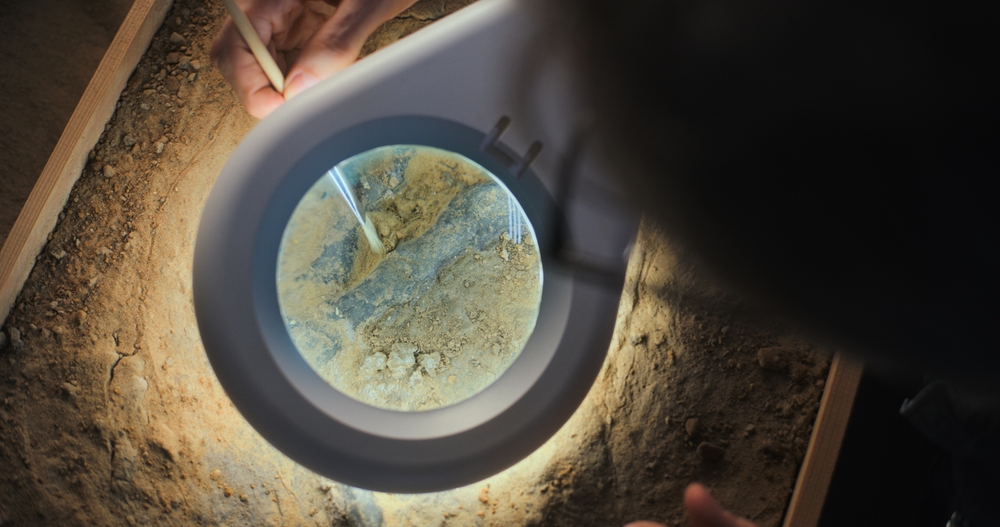
Some of humanity’s oldest surviving artworks have been exposed to the passage of time for thousands of generations, yet their extraordinary details remain visible. Scientists may finally have discovered one of the surprising reasons these prehistoric masterpieces survived when so much ancient evidence disappeared.
Contents
show
Using ultraviolet light, researchers have identified an almost invisible mineral coating covering paintings inside Chauvet Cave in southeastern France. The discovery suggests that naturally deposited calcite may have acted as a protective varnish over artwork created approximately 37,000 years ago, while also revealing fascinating clues about how prehistoric artists worked.
Scientists Discover a Natural Shield Covering Ancient Cave Paintings
Deep inside Chauvet Cave, prehistoric artists created remarkable images of animals that once inhabited the Ice Age landscape. Their drawings include cave bears, cave lions, bison, horses, mammoths, and other creatures, offering a rare glimpse into the artistic abilities of early human communities.
The paintings date back approximately 37,000 years, making them among the oldest surviving examples of figurative art. Their remarkable preservation has attracted considerable scientific interest, particularly because they were created directly on natural limestone walls.
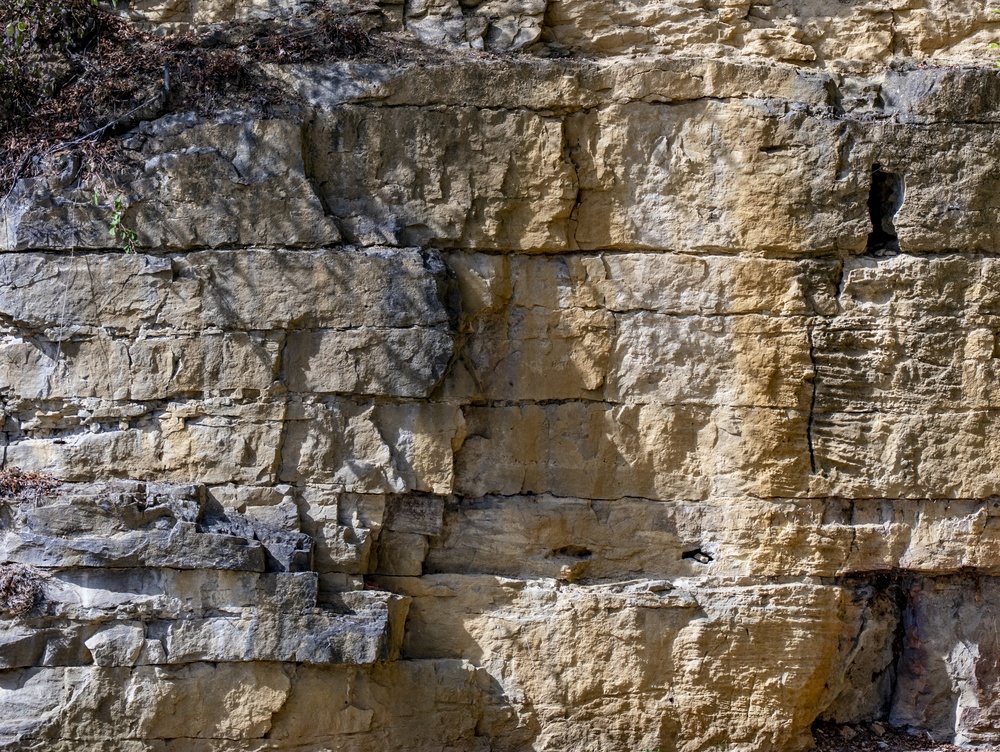
Researchers have now identified a possible explanation for their survival. A team led by chemist Philippe Walter investigated the decorated surfaces and discovered evidence of thin calcite deposits covering parts of the artwork.
Calcite is a naturally occurring mineral composed of calcium carbonate. It commonly develops when mineral-rich water moves across limestone surfaces and leaves behind microscopic deposits as environmental conditions change.
According to the researchers, water gradually seeped across the cave walls over thousands of years, depositing translucent layers of calcite over the prehistoric drawings. These deposits appear to have formed a natural coating that may have helped protect the artwork against erosion and other forms of deterioration.
The finding provides an important new perspective on the conditions that preserved the paintings. It also gives conservation scientists another factor to consider when assessing the current stability of these exceptionally old artworks.
Ultraviolet Technology Reveals What Ordinary Light Cannot Show

Identifying the mineral coating required researchers to overcome an unusual archaeological challenge. The paintings are located inside a protected cave environment containing evidence of prehistoric human activity that scientists cannot risk disturbing.
The floor contains ancient footprints, including tracks attributed to a prehistoric child who visited the cave thousands of years after some of the paintings were created. These traces are valuable archaeological evidence, making direct access to the decorated walls particularly difficult.
Researchers therefore needed a method that would allow them to investigate the artwork without physically approaching or touching its surface. Their solution involved a portable optical instrument capable of detecting materials through the fluorescence they produce under ultraviolet illumination.
Scientists Examined the Artwork From 2.5 Meters Away
The research team installed a portable spectrometer along a specially protected walkway positioned approximately 2.5 meters from the decorated surfaces. This arrangement allowed them to examine the paintings while respecting the restrictions surrounding the cave’s fragile archaeological remains.
The instrument directed ultraviolet light toward the limestone walls, exciting the minerals and pigments present on their surfaces. A detector then collected the returning light and recorded the distinctive fluorescence signals produced by different materials.
This process is known as ultraviolet fluorescence spectroscopy, an analytical technique that helps researchers identify substances through their responses to particular wavelengths of light. Unlike ordinary visual inspection, it can reveal differences in mineral composition that remain invisible under standard illumination.
The researchers described their approach as similar to forensic investigation because it allows them to examine tiny details without disturbing the original evidence. “Our methodology is much like forensic investigation: We examine every piece of evidence to decode the techniques of prehistoric artists and understand how the paintings have been preserved over time.”
The ability to collect this information from a distance represents a valuable development for archaeological conservation. It gives scientists another way to investigate vulnerable surfaces without exposing them to unnecessary physical contact.
A Blue Glow Revealed the Hidden Mineral Coating

One of the most significant observations came from the famous Panel of the Horses, where researchers detected a distinctive blue fluorescence across sections of the limestone surface. The signal was associated with calcite deposits left behind by mineral-bearing water that had gradually moved across the rock.
The blue glow provided evidence of a thin mineral layer covering parts of the decorated wall. Researchers believe these deposits accumulated over extended periods, eventually creating a translucent coating directly over the ancient drawings.
This natural process may explain why certain paintings remained visible despite their age and exposure to environmental changes inside the cave. The mineral deposits effectively formed a protective covering, although scientists still need to understand precisely how much protection the layer provided.
The discovery also demonstrates how modern optical equipment can reveal information hidden within archaeological surfaces. Details that would be difficult or impossible to identify through ordinary observation can now be examined without touching the original artwork.
Orange Signals May Reveal How Ice Age Artists Created Their Drawings

The investigation uncovered another unexpected detail that could change how researchers understand the artistic techniques used inside Chauvet Cave. Alongside the blue fluorescence associated with calcite, the spectrometer detected orange signals in specific areas of the limestone walls.
Researchers linked these orange signals to possible heating of the rock surface. One explanation is that burning embers or handheld torches came into contact with the limestone during the prehistoric drawing sessions.
The observation raises the possibility that some artists used charcoal with hot or burning tips when creating particular lines. This would provide an additional clue about the materials and techniques involved in producing the ancient artwork.
The researchers explained their interpretation in the study, writing, “In archeological terms, this hypothesis implies that certain lines in the drawings were executed using charcoals with hot, possibly burning tips.”
The proposed explanation remains a hypothesis rather than a confirmed reconstruction of every artistic technique used inside the cave. Nevertheless, the orange fluorescence gives researchers another piece of evidence to investigate when examining the relationship between the pigments and the surrounding limestone.
The discovery is particularly interesting because the paintings preserve more than images of animals. Their surfaces may also contain physical evidence of the processes used by prehistoric artists, including the possible application of heat.
Further investigation could help scientists distinguish between different types of marks and understand how the materials interacted with the limestone. The optical technique therefore offers opportunities to study both the creation and preservation of the paintings.
Why Chauvet Cave Has Been Kept Away From Tourists
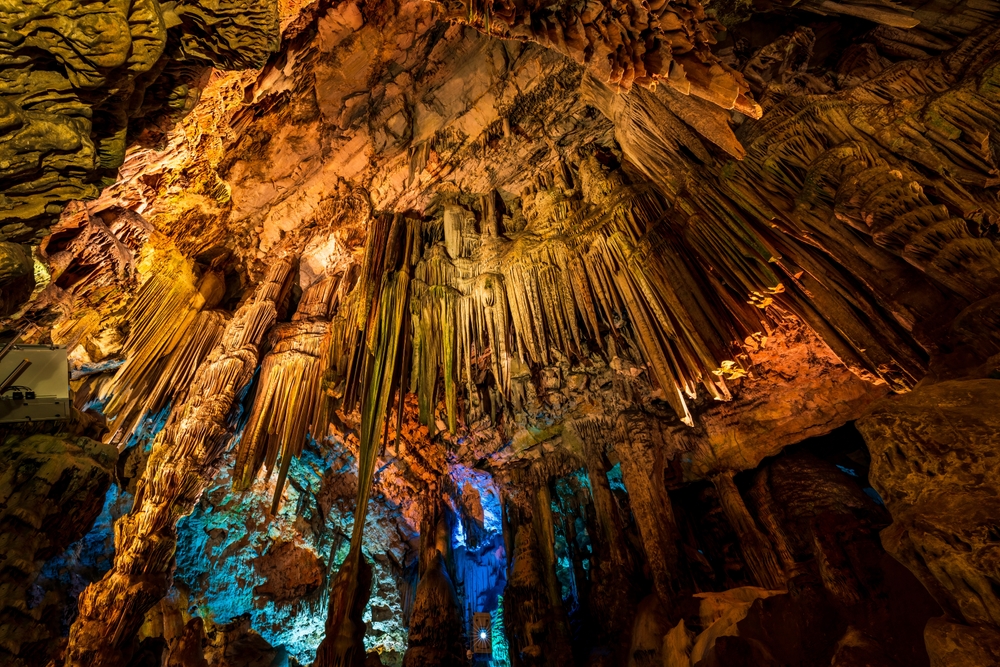
Chauvet Cave has an unusual history that helps explain the exceptional condition of its artwork. The decorated chambers were sealed by a prehistoric rockfall, leaving the paintings protected from regular human activity for tens of thousands of years.
The cave remained undiscovered until 1994, when its extraordinary collection of prehistoric images attracted international scientific attention. Since then, conservation specialists have taken extensive precautions to protect the original environment.
Today, access is strictly controlled, and a heavy steel security door helps maintain stable conditions inside the cave. Researchers must also consider the archaeological evidence surrounding the paintings whenever they conduct investigations.
The decision to restrict access reflects lessons learned from other famous European cave art sites, where human activity contributed to serious conservation problems.
Lascaux and Altamira Show the Risks of Repeated Visits
The caves of Lascaux in France and Altamira in Spain contain some of Europe’s most important prehistoric artwork. However, repeated tourist visits at these sites caused environmental changes that contributed to the development of mold and damage to sections of the paintings.
Increased humidity and other disturbances created conditions that threatened the delicate surfaces. The resulting conservation problems demonstrated how easily human activity can affect an environment that remained relatively stable for thousands of years.
Chauvet’s management has adopted a much more cautious approach to prevent similar problems. Ordinary visitors cannot freely enter the original decorated chambers, allowing conservation specialists to maintain tighter control over the environment.
The newly identified calcite coating offers another reason to investigate the cave’s preservation conditions carefully. Understanding how the mineral formed and how it interacts with the underlying pigments could help scientists assess the paintings’ current stability.
Researchers also need to distinguish between natural protection and environmental risks. Although the mineral layer may have helped preserve the drawings, its presence does not eliminate the need for careful monitoring and conservation.
The ability to examine the walls remotely is therefore particularly valuable. Scientists can gather information about the artwork while avoiding unnecessary disturbance to the cave’s fragile archaeological environment.
Another Ice Age Art Discovery Surprised Archaeologists in Spain
Chauvet Cave is part of a much larger story about prehistoric artistic expression across Europe. Another remarkable discovery in Catalonia, Spain, has demonstrated how important collections of ancient artwork can remain unrecognized even after generations of human visits.
In 2019, researchers discovered 280 figurative and nonfigurative engravings inside Cova de la Font Major. The discovery was described in the journal Antiquity and represented one of the largest assemblages of Ice Age rock art recorded in the Iberian Mediterranean.
The findings challenged previous assumptions about the distribution of Paleolithic art in northeastern parts of the Iberian Peninsula. Although more than half of Europe’s recorded Paleolithic rock art is found in the Iberian Peninsula, such discoveries had been considered relatively uncommon in the northeastern region.
Visitors Walked Past the Ancient Engravings for Decades
Perhaps the most surprising part of the discovery was that people had been visiting Cova de la Font Major for generations without recognizing the archaeological significance of the engravings. The cave had a long history of human activity and eventually became a museum in 1993.
During the 2019 excavation campaign, a researcher noticed that some markings among the graffiti on the walls appeared to be much older than the more recent inscriptions. Further investigation established that the figures represented Paleolithic artwork.
Research co-author Josep Maria Vergès from the Catalan Institute of Human Paleoecology and Social Evolution described how the engravings had gone unnoticed despite thousands of visitors passing through the cave.
“For more than six decades, thousands of visitors passed directly in front of the engraved surfaces, and in some cases inscribed names and dates over them, without the Paleolithic origin of the figures being recognized,” Vergès wrote.
The collection includes animal depictions and abstract compositions containing unusual patterns. One particularly distinctive arrangement consists of hundreds of loop-shaped incisions carved into the rock.
The artists also appeared to incorporate the natural irregularities of the cave walls into their compositions. Some used the boundaries between different rock surfaces as visual ground lines, while others transformed natural fissures into features of their drawings.
One depiction of drinking deer even appears to use a natural fissure as a representation of water. These details suggest that prehistoric artists adapted their designs to the unusual surfaces available to them.
The discovery expanded understanding of the Mediterranean artistic tradition and suggested that prehistoric communities in the region may have been larger and more artistically diverse than previously assumed.
The Same Optical Technology Could Help Astronauts in Space
The Chauvet Cave investigation has implications extending beyond archaeology and prehistoric art. Researchers are also adapting the optical detection technology for potential use during long-duration human missions in space.
A related initiative aims to deploy the sensing process aboard the International Space Station to monitor microbial biofilms forming on interior surfaces. These biofilms are communities of microorganisms that attach themselves to surfaces and develop protective layers around themselves.
Monitoring microbial growth is an important consideration in enclosed environments where astronauts spend extended periods. The ability to identify biological deposits without physically disturbing the surfaces could provide useful information about conditions inside spacecraft.
The optical approach developed for Chauvet offers a possible way to detect changes through light-based measurements. Instead of relying entirely on physical sampling, researchers could potentially examine certain surfaces using non-destructive sensing equipment.
The connection between ancient cave paintings and modern space exploration might initially seem unusual. However, both applications involve studying delicate surfaces while minimizing physical contact and environmental disturbance.
In Chauvet, the technology helps scientists investigate mineral deposits and pigments without approaching fragile archaeological evidence. In space, a related approach could help researchers monitor biological material in an enclosed environment.
The researchers’ work therefore demonstrates how a specialized archaeological investigation can contribute to technological developments in other scientific fields. The potential application aboard the International Space Station adds another dimension to a discovery that began with a question about ancient artwork.
A 37,000-Year-Old Mystery Is Becoming Clearer
The paintings inside Chauvet Cave have survived extraordinary stretches of human history, preserving images of animals that disappeared from much of their former environment thousands of years ago. Scientists now have evidence that microscopic mineral deposits may have helped protect these artworks from deterioration.
The calcite coating provides a possible explanation for their remarkable condition, while the orange fluorescence offers clues about the techniques prehistoric artists may have used. Researchers still need to investigate how the mineral layer developed and how effectively it protected the paintings over time.
For now, ultraviolet spectroscopy has allowed scientists to uncover details that ordinary observation could never reveal. The ancient artists left their drawings on limestone walls, and thousands of years later, those same walls are helping researchers develop technologies that could eventually be used aboard spacecraft.