
Your cart is currently empty!
Walmart Heiress Alice Walton Has a $135 Billion Fortune, But What She Spends It On Is Raising Eyebrows

Alice Walton has amassed a fortune estimated at $135 billion, making her the richest woman in the world. As the daughter of Walmart founder Sam Walton, much of her extraordinary wealth is tied to the retail giant’s success. Her fortune reportedly increased by around $33 billion over 12 months as Walmart shares climbed 30%, placing her among the world’s 15 richest people. Yet while her wealth continues to grow, the 77-year-old billionaire has developed interests that extend far beyond the company responsible for her family’s fortune.
Contents
show
From spending millions on priceless artwork to establishing an American art museum and supporting medical education, Walton has directed enormous resources towards projects that reflect her personal interests. Some of her biggest investments involve healthcare and education, including a medical school where students have been offered free tuition. Her approach to spending has attracted attention because it reveals a different side of one of America’s wealthiest families, with several ambitious projects taking shape in the Arkansas city where Walmart began.

How Alice Walton Built Her Extraordinary Fortune
Alice Walton’s financial position is closely connected to the retail empire established by her father, Sam Walton. Walmart grew into one of the world’s largest retailers, creating enormous wealth for the Walton family through its expanding business and valuable shares. The company’s more recent stock performance has provided another substantial boost to Alice’s fortune, with its shares reportedly climbing 30% over the 12 months leading up to March. That increase helped raise her estimated wealth by approximately $33 billion.
At 77, Walton has become the world’s richest woman, with an estimated net worth of around $135 billion. She has also ranked as the 14th-richest person globally, placing her among some of the most financially powerful individuals on the planet. Her wealth demonstrates the extraordinary scale of the Walmart family’s financial success, although Walton’s professional interests have included much more than the retail business.
After graduating from Trinity University in San Antonio, Texas, in 1971, Walton briefly worked at Walmart as a children’s clothing buyer. She eventually moved into finance and established Llama Company, an investment bank, in 1988. The move gave her a separate professional direction and allowed her to develop interests outside the family retail business.
Her Love For Art Started With A $2 Purchase
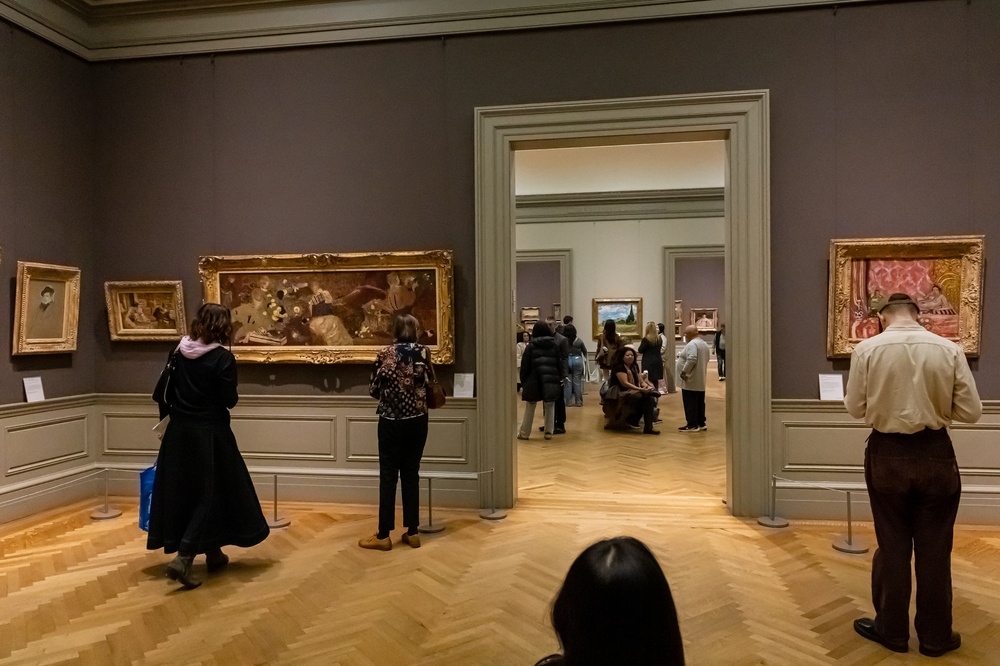
One of the most surprising details about Walton’s spending habits is that her interest in collecting artwork began when she was just 10 years old. Her first purchase was a $2 reproduction of a painting by Pablo Picasso. What started as a childhood interest eventually developed into a major passion that would shape some of her biggest financial decisions as an adult. Over the years, she became known for collecting significant works of art, including pieces by celebrated American artists.
Walton has previously spoken about the personal enjoyment she gets from collecting artwork. She was married and divorced twice and has no children, while art has remained an important part of her personal life. Her collection eventually became much more than something she enjoyed privately, as she began putting resources into creating a permanent cultural institution that could make American art accessible to a wider audience.
The $44.4 Million Painting That Made History
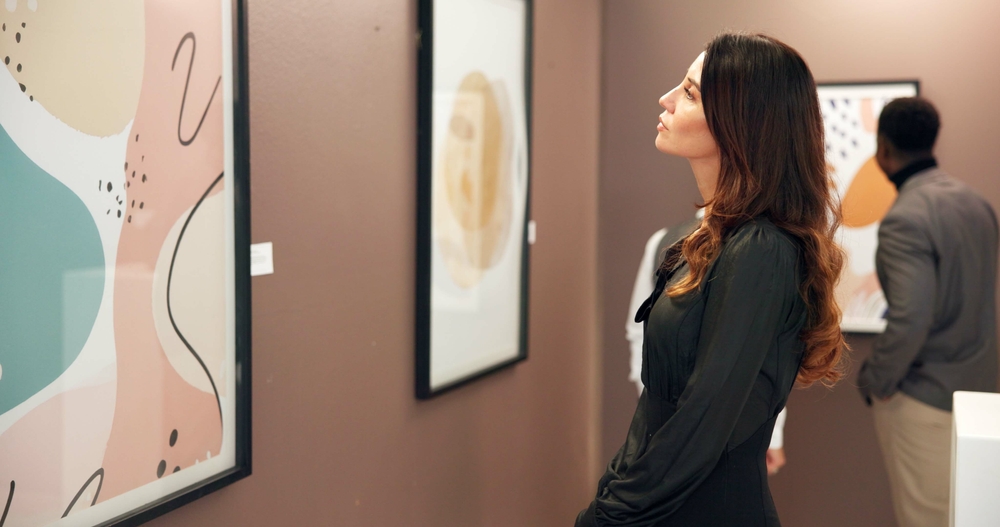
One of Walton’s most expensive art purchases came in 2014, when she paid $44.4 million for Georgia O’Keeffe’s painting Jimson Weed/White Flower No. 1. The purchase established a record price for an artwork by a female artist at the time. The painting later became part of the collection displayed at Crystal Bridges Museum of American Art in Bentonville, Arkansas. Its acquisition demonstrated just how far Walton’s childhood fascination with artwork had developed.
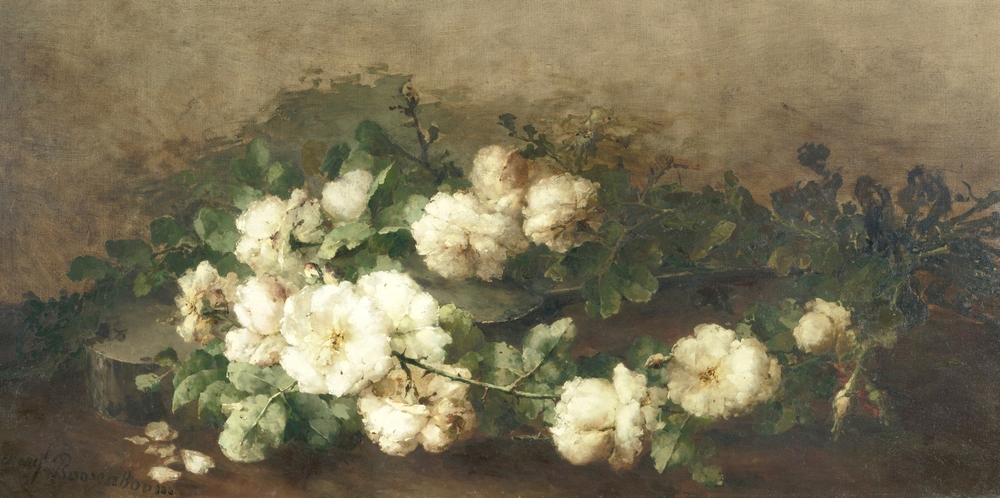
The painting also became an important part of a broader effort to showcase American artists and their contributions to the country’s cultural history. Walton’s collection includes works that visitors can experience through the museum rather than having them remain exclusively within a private collection. Her spending on art has therefore extended into a much larger cultural project, with the museum becoming one of her most visible contributions.
The $135 Billion Heiress Built A Major Art Museum
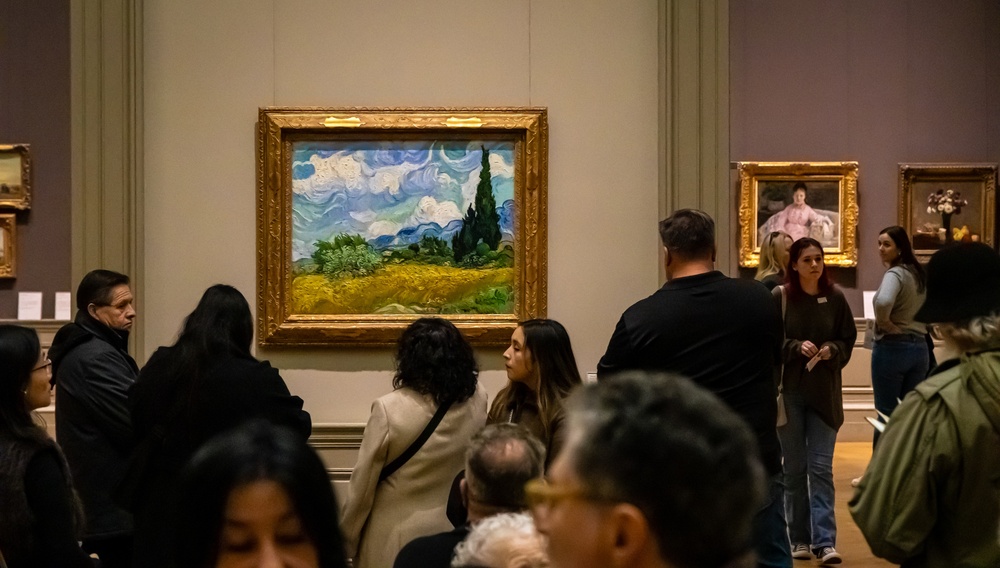
Walton’s passion for collecting eventually led to the establishment of Crystal Bridges Museum of American Art in Bentonville, Arkansas. The city is particularly significant because it is also home to Walmart’s headquarters. The museum was created to showcase American art and give visitors access to an extensive collection in a setting outside the country’s traditional major cultural centres. Its development represented a substantial investment in the cultural life of a city closely associated with the retail industry.
Before the museum opened, its endowment was reportedly four times larger than that of New York’s Whitney Museum. That figure illustrated the considerable financial resources committed to the project even before visitors began exploring its collection. The institution helped bring major artwork to Bentonville while giving the city a cultural attraction with national significance. Walton’s decision to establish the museum also reflected her interest in making art available to people who might not otherwise have easy access to major collections.
The museum has continued expanding since its establishment, with a recent development increasing its footprint by 50%. Its growing facilities have allowed the institution to build on its original mission and accommodate further cultural activities. Walton’s involvement has helped turn her personal interest in collecting into a lasting institution, giving her art investments a much wider reach than the paintings she originally purchased for herself.
She Has Directed More Than $6 Billion Towards Philanthropy
Art is only one part of how Walton has chosen to use her extraordinary wealth. She has also contributed more than $6 billion to five family charitable foundations, supporting projects involving education, healthcare, and cultural development. By 2024, an estimated $2 billion of those contributions had already been distributed. These commitments represent a substantial amount of money being directed towards institutions and initiatives outside the Walmart business.
Her philanthropic interests have included projects designed to strengthen educational opportunities and support the development of cultural institutions. One particularly significant contribution came in 2017, when the Walton Family Charitable Support Foundation donated $120 million to the University of Arkansas to establish its School of Art. The contribution supported the development of a dedicated institution for artistic education and reinforced the family’s involvement in Arkansas.
Walton also operates the Alice L. Walton Foundation, which supports initiatives involving art, education, and healthcare. These areas have become recurring themes throughout her philanthropic activities, with several projects focused on creating institutions that can serve communities over an extended period. Her charitable commitments have therefore developed into a substantial part of her activities beyond managing her personal wealth.
Her Medical School Is Offering Students Free Tuition
Perhaps one of Walton’s most ambitious investments involves the Alice L. Walton School of Medicine. The institution welcomed its first batch of 48 students in 2025 and admitted another 48 students in 2026. One particularly notable feature is that tuition has been waived for these students, with the arrangement expected to continue for the next three incoming batches. The initiative gives selected students an opportunity to pursue medical education without paying tuition fees.
The medical school has a specific mission to prepare doctors who can serve medically underserved and rural communities. Access to healthcare professionals remains a challenge in many areas, particularly where communities have limited medical facilities and fewer available doctors. By focusing on this need, the institution aims to prepare future medical professionals who can contribute to improving access to care.
The tuition arrangement also makes the project stand out among Walton’s other educational investments. Medical training can involve substantial financial commitments, and removing tuition costs for the initial classes could help students concentrate on their education without the same tuition burden. The school represents a significant expansion of Walton’s philanthropic interests into an area with direct implications for healthcare access.
Another Major Healthcare Campus Is Planned For 2029
Walton’s healthcare ambitions extend beyond the medical school, with another large development taking shape in Bentonville. The Alice L. Walton Foundation and Mercy are working together on a healthcare campus that will include a major specialty care centre. Its first building is expected to cover approximately 709,000 square feet, making it a substantial development for the area.
The first building is expected to open in 2029, adding another major healthcare facility to the projects associated with Walton’s philanthropic work. The planned campus reflects a broader interest in developing healthcare infrastructure rather than concentrating exclusively on individual charitable contributions. Its scale also demonstrates the level of financial commitment involved in creating facilities designed to support medical services.
The development adds to the growing collection of educational, cultural, and healthcare institutions connected to Walton’s investments in Arkansas. Alongside the medical school, it forms part of a wider effort involving healthcare access and education in the region. The coming years will reveal how these projects develop as their planned opening dates approach.
The Walton Family Is Also Planning A STEM University
Education is another major focus of the Walton family’s activities in Bentonville. Alice Walton is supporting plans for a STEM-focused university alongside other members of her family. The institution is scheduled to welcome its first students in 2029, with tuition waivers planned for its initial batches. Its focus on science, technology, engineering, and mathematics could provide another educational option for students interested in these fields.
The university is part of a broader collection of projects connected to the family’s investment in the region. The medical school is already welcoming students, while the planned STEM institution would add another major educational development. Both projects include tuition support, placing affordability among the central features of their initial plans.
For Bentonville, these developments could bring significant changes to the city’s educational landscape. The region is already closely associated with Walmart, but the growing presence of institutions focused on art, medicine, and science could give it a much broader identity. Walton’s financial commitments are helping support that transformation through projects that extend beyond the retail business.
Alice Walton’s Wealth Is Funding A Very Different Legacy
Alice Walton’s estimated $135 billion fortune remains closely connected to the success of Walmart, but her spending reveals a wide range of personal interests and philanthropic priorities. Her childhood fascination with art eventually led to a major American art museum, while her charitable contributions have supported universities and healthcare initiatives. The $44.4 million Georgia O’Keeffe painting, the medical school offering tuition waivers, and the planned healthcare campus all demonstrate the different directions her wealth has taken.
Her projects are particularly visible in Bentonville, where several institutions connected to the Walton family are continuing to develop. As the medical school welcomes more students and the planned university and healthcare campus approach their expected 2029 openings, the impact of these investments could become even more apparent. For a billionaire whose fortune grew through one of the world’s largest retail companies, much of her public legacy is now being shaped by what she chooses to build beyond Walmart.