
Your cart is currently empty!
Australian Man Says He Watched His Own Rescue After Being Clinically Dead For 28 Minutes

An Australian martial arts instructor has shared the extraordinary experience that changed his understanding of life after a terrifying medical emergency left him fighting for survival. Phill Zdybel, 57, suffered cardiac arrest while playing a recreational basketball game, collapsing in front of his son and other players. When he eventually regained consciousness, he learned that doctors had considered him clinically dead for 28 minutes. Yet what he remembers from that experience has left people fascinated, particularly his description of feeling as though he was looking down at his own body from above.
Contents
show
The father from Geelong, Victoria, has since called himself a “miracle man” and believes several circumstances helped bring him back. His son Joshua immediately called emergency services, while an off-duty nurse who happened to be at the gym rushed over and began performing CPR. Zdybel was eventually taken to hospital, where he remained unconscious for three days before waking up following surgery. His experience has changed the way he approaches everyday life, and he now wants more people to understand how learning CPR could help save someone else’s life.
A Basketball Game Suddenly Turned Into A Fight For Survival
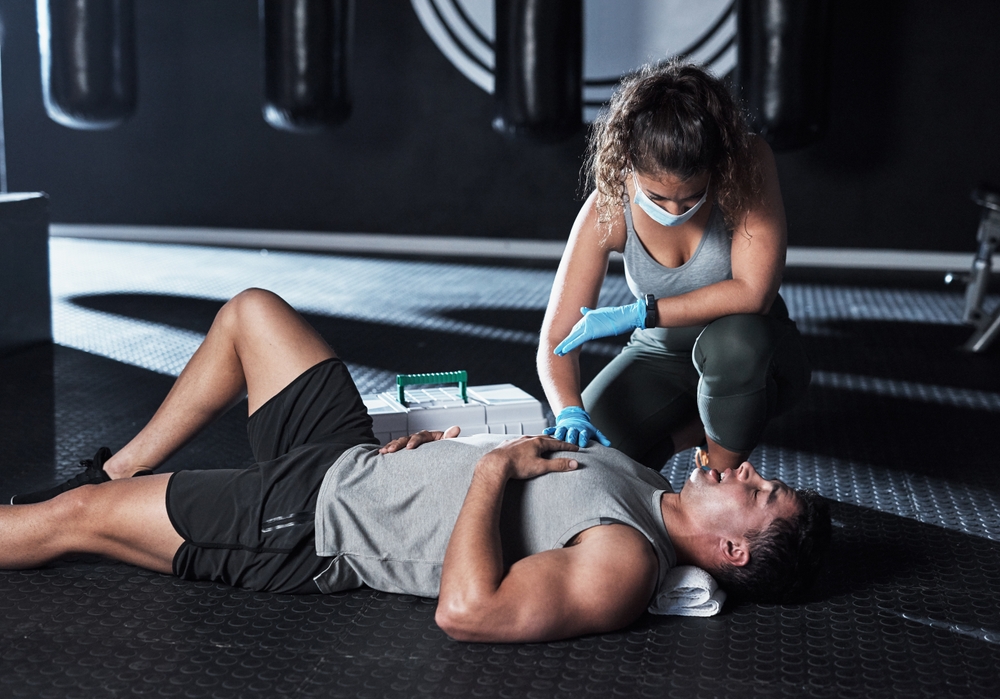
Phill Zdybel was enjoying a recreational basketball game when everything suddenly changed. The 57-year-old fitness instructor and taekwondo teacher had spent years maintaining an active lifestyle, making the sudden medical emergency particularly shocking for those around him. During the game, he collapsed after suffering cardiac arrest linked to a coronary artery aneurysm. Within moments, an ordinary sporting activity had become a desperate attempt to keep him alive.
His son Joshua was there when his father collapsed and immediately called paramedics. Other people at the gym also rushed to help, including an off-duty nurse who happened to be present. Recognizing the seriousness of the situation, the nurse began performing cardiopulmonary resuscitation (CPR), providing emergency assistance while professional medical help was on its way. The presence of someone with medical knowledge proved especially fortunate during those critical moments.
Zdybel later explained that the number of people at the basketball venue played a major role in his survival. Had he suffered the same emergency while alone, there might not have been anyone available to recognize what was happening or begin helping him. “No one would have found me,” he said when reflecting on how differently the incident could have unfolded. The experience left him deeply aware of how quickly an ordinary day can turn into a life-threatening situation.
He Remembers An Unusual Out-Of-Body Experience
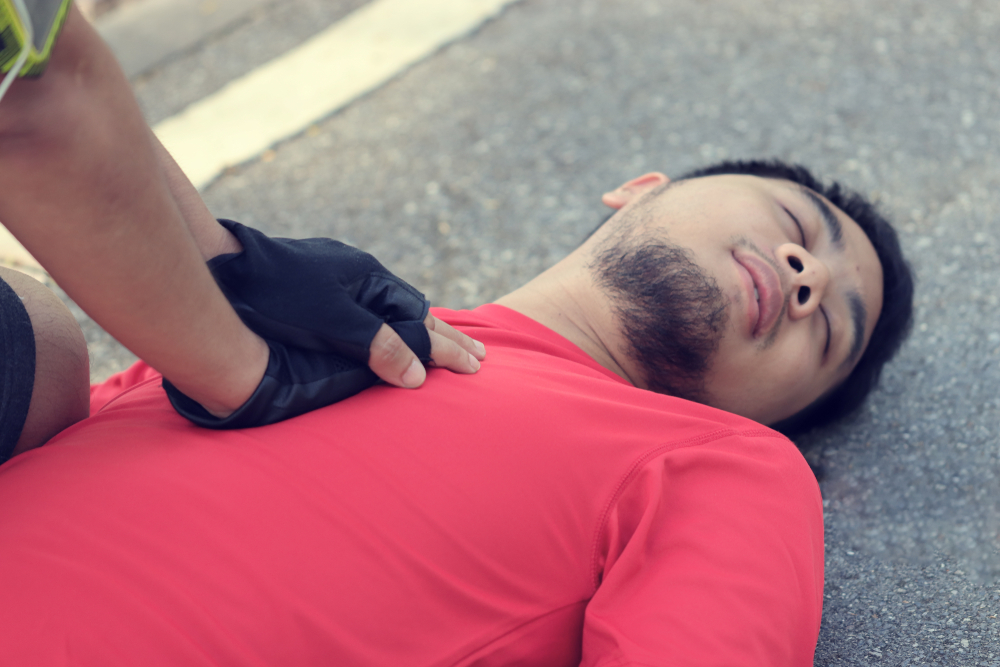
After being rushed to hospital, Zdybel remained unconscious for three days while doctors treated him following the cardiac emergency. He also underwent surgery to have a lifesaving stent inserted. When he finally regained consciousness, he was informed that he had technically been dead for 28 minutes. For someone who had gone to play basketball without expecting anything unusual, the news was difficult to comprehend.
However, the medical explanation was only part of what made his experience so extraordinary. Zdybel recalled an unusual sensation of being outside his physical body, describing what felt like watching events from above. His account included the impression that he could observe what was happening to him while people attempted to save his life. The experience has remained a significant part of how he remembers those frightening moments.
“I’m a miracle man,” Zdybel said while reflecting on his survival. He also made his determination clear with another memorable statement: “I was not going anywhere.” His description has naturally attracted curiosity from people interested in near-death experiences and consciousness. However, his memories remain a personal account, and they cannot establish what happens to human consciousness after death. What is certain is that he survived an emergency that could have ended very differently.

The Medical Emergency That Nearly Took His Life
Zdybel’s cardiac arrest was linked to a coronary artery aneurysm, a condition involving an abnormal enlargement in the wall of an artery supplying blood to the heart. These aneurysms can develop for different reasons and may sometimes remain undetected until complications arise. Depending on their size and location, they can create serious cardiovascular risks. His experience demonstrates why an apparently healthy and physically active person can still face an unexpected medical emergency.
Cardiac arrest and a heart attack are often confused, although they describe different medical events. A heart attack occurs when blood flow to part of the heart muscle becomes blocked, potentially damaging the affected tissue. Cardiac arrest occurs when the heart suddenly stops pumping blood effectively, causing the person to lose consciousness and requiring immediate emergency intervention. A heart attack can trigger cardiac arrest, although other underlying conditions can cause it too.
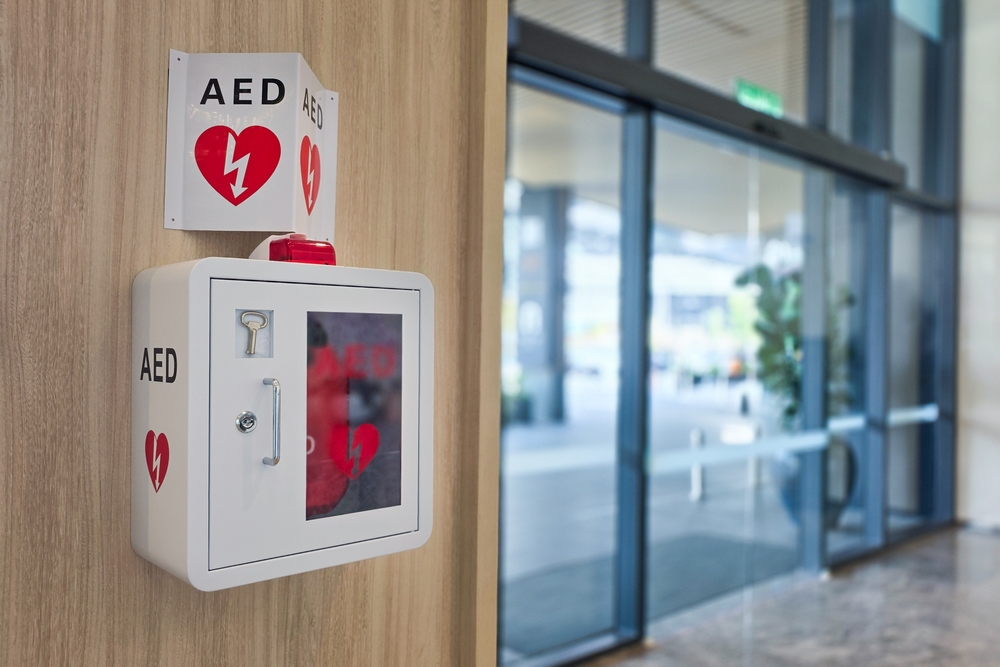
During cardiac arrest, blood circulation to the brain and other vital organs becomes critically reduced. This is why immediate CPR and professional emergency treatment are so important. CPR helps maintain some blood flow while emergency responders work to restore an effective heart rhythm. Automated external defibrillators, commonly called AEDs, can also help by analyzing the heart’s rhythm and delivering an electrical shock when appropriate. Zdybel’s experience has made him particularly passionate about ensuring people understand these emergency procedures.
His Fitness And Mindset Helped Him Through Recovery
Following the emergency, Zdybel spent approximately a week in Geelong Hospital before being discharged. His recovery required him to adjust after an experience that had brought him frighteningly close to death. For someone whose daily life had long involved physical training and martial arts, returning to his usual activities became an important personal goal. He credits his existing fitness and positive attitude with helping him face the difficult recovery period.
In an inspirational Facebook post, he explained how important mental strength had become throughout the experience. “It’s all about your mindset [that’s] going to keep you going,” he wrote. He also emphasized the importance of physical conditioning, explaining that regular hard training had always been central to his approach to life. His comments reflected the discipline he had developed through years of teaching taekwondo and maintaining an active lifestyle.
However, his experience should not be interpreted as proof that physical fitness can prevent every cardiac emergency. Even people who exercise regularly can have underlying cardiovascular conditions that increase their risk. Staying active can support overall cardiovascular health, but recognizing warning signs and receiving appropriate medical attention remain essential. Zdybel’s survival also depended on the people who responded immediately when he collapsed, along with the emergency treatment he received afterward.
He Returned To Martial Arts Alongside His Son
One of the most surprising developments following his recovery was Zdybel’s decision to return to competitive martial arts. After experiencing such a serious medical emergency, he had begun reconsidering whether he should retire from combat sports. Yet his passion for taekwondo remained strong, and he eventually decided that he still wanted to participate.
Just days before discussing his experience, he had competed in a tournament alongside his son Joshua. Returning to an activity they shared gave the father and son another opportunity to spend time together following the frightening events at the basketball court. Zdybel acknowledged that his near-death experience had changed his outlook, but he remained determined to continue doing the things he enjoyed.
The Experience Changed His Attitude Toward Everyday Life
Surviving an emergency that leaves someone unconscious for days can bring a completely different perspective on ordinary problems. For Zdybel, the experience made him reconsider how much time people spend worrying about things that may eventually prove insignificant. The possibility of losing his life so suddenly had changed the way he viewed everyday opportunities and the importance of pursuing personal goals.
“All the little things we worry about are not worth worrying about,” he explained. His message was particularly directed at people who allow fear or other people’s opinions to stop them from doing things they enjoy. He wanted others to recognize that life can change unexpectedly, making it worth appreciating the opportunities available to them.
“Don’t let anyone tell you you can’t do anything,” he added. His decision to return to martial arts gave that statement a personal meaning. Rather than allowing the experience to end his involvement in a sport he loved, he chose to continue competing while remaining aware of his health and recovery. His story also highlights the importance of having supportive people nearby when life takes an unexpected turn.
He Wants Everyone To Understand The Importance Of CPR
Since surviving the cardiac emergency, Zdybel has become vocal about the importance of CPR training and public access to defibrillators. He believes workplaces, sporting venues, and other public facilities should have emergency equipment readily available. His experience showed him how valuable it can be when someone nearby knows what to do during a sudden medical crisis. The off-duty nurse who helped him demonstrated how basic emergency knowledge can become vital when professional responders have not yet arrived.
“Everyone needs to do CPR and all workplaces’ sports venues and the like should have defibrillators on hand,” he urged. His message is particularly relevant because cardiac arrest can happen without warning, including during physical activity. Someone who collapses may have only a short window in which immediate assistance can make a difference. People nearby should contact emergency services and begin CPR when someone is unresponsive and not breathing normally.
There are several important actions people can learn through recognized first-aid training:
- Recognize cardiac arrest: Look for sudden collapse, unresponsiveness, and abnormal or absent breathing.
- Call emergency services: Contact emergency responders immediately and follow their instructions.
- Begin CPR: Start chest compressions as soon as possible if the person is unresponsive and not breathing normally.
- Locate an AED: Ask someone nearby to find an automated external defibrillator if one is available.
- Follow the device instructions: AEDs provide spoken guidance and analyze the heart rhythm before recommending a shock when appropriate.
These skills can be learned through practical CPR and first-aid courses. People do not need professional medical qualifications to become trained in basic emergency response. Zdybel’s experience has given him a personal reason to encourage others to learn, because the next person who needs help could be someone they know.
One Ordinary Game Gave Him A Second Chance
Phill Zdybel went to play basketball without knowing that the day would become one of the most significant experiences of his life. His sudden collapse left his family and fellow players facing a frightening emergency, but the people around him refused to stand by. His son called for help, an off-duty nurse began CPR, and emergency responders eventually took him to hospital for lifesaving treatment.
Today, Zdybel is sharing his experience and encouraging others to take CPR training seriously. His memories of the out-of-body experience remain deeply personal, while his survival offers a powerful example of why immediate action during cardiac arrest matters. Somewhere, another ordinary basketball game or workplace gathering could become an emergency. The person who knows CPR might be the difference between a family losing someone and getting another chance to bring them home.