
Your cart is currently empty!
Scientists Discover Hidden Switch That Could Reverse Cancer Cells Back Into Normal Cells

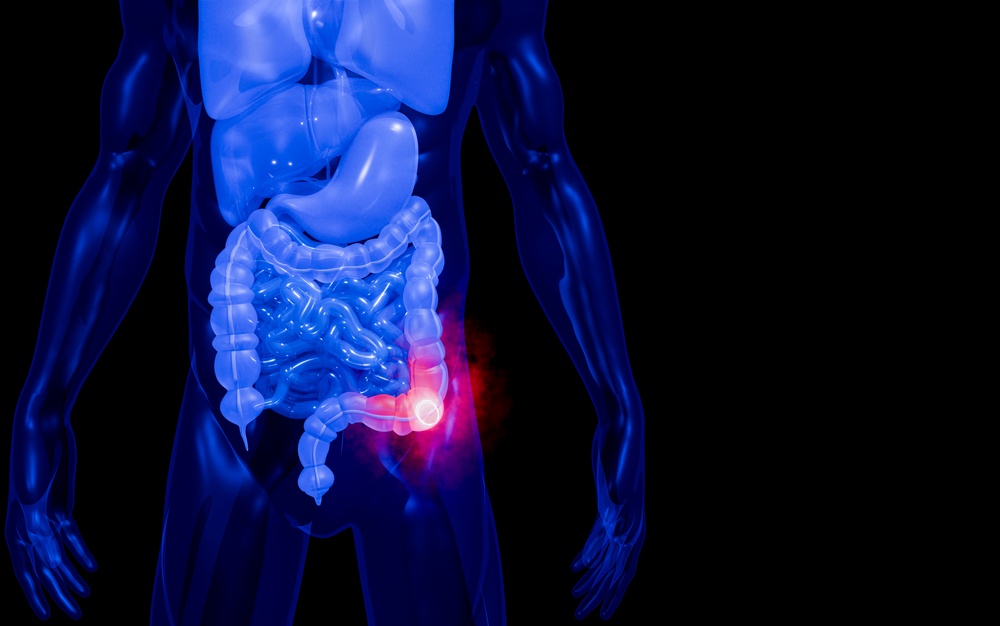
Scientists in South Korea have discovered a potential new way to approach one of medicine’s biggest challenges, and it involves doing something researchers have been investigating for years: reversing the changes that turn healthy cells into cancer cells. Rather than focusing entirely on destroying cancerous cells, the research team found a molecular switch that could push them towards behaving like normal cells again. Their experiments involving colorectal cancer cells revealed that the process of becoming cancerous may contain a critical moment when the transformation can still be reversed.
Contents
show
The discovery was made by researchers at the Korea Advanced Institute of Science and Technology (KAIST), led by Professor Kwang-Hyun Cho. Their work uncovered an unstable stage during cancer development when normal and cancerous characteristics coexist inside cells. By identifying the genetic mechanisms controlling this transition, the scientists managed to find molecular switches capable of changing cancer cells’ characteristics in laboratory experiments. The findings could open a new direction for cancer research, although the technology has not yet been established as a treatment for patients.
Scientists Discover A Molecular Switch That Could Reverse Cancer
The research team led by Professor Kwang-Hyun Cho from KAIST’s Department of Bio and Brain Engineering developed a technology designed to identify the precise moment when normal cells begin transforming into cancer cells. Their investigation revealed that this transformation involves a critical transition within the genetic network controlling cellular behavior. By studying this stage, the researchers identified molecular switches that could potentially push cancer cells towards their original, normal-like state.
One of the most interesting findings was that cells do not necessarily move directly from being healthy to becoming fully cancerous. Instead, researchers identified an unstable intermediate state where normal and cancerous characteristics coexist. This period appears to provide an opportunity to influence the direction of cellular development before the cancerous state becomes established. The team used this discovery to investigate whether manipulating specific molecular mechanisms could reverse the transformation.
Professor Cho described the significance of the discovery, explaining: “We have discovered a molecular switch that can revert the fate of cancer cells back to a normal state by capturing the moment of critical transition right before normal cells are changed into an irreversible cancerous state.” His team’s research offers a new way to investigate the biological changes responsible for cancer development. The findings were published in the international scientific journal Advanced Science on January 22, 2025, under the title Attractor Landscape Analysis Reveals a Reversion Switch in the Transition of Colorectal Tumorigenesis.
The Critical Moment When Healthy Cells Become Cancerous
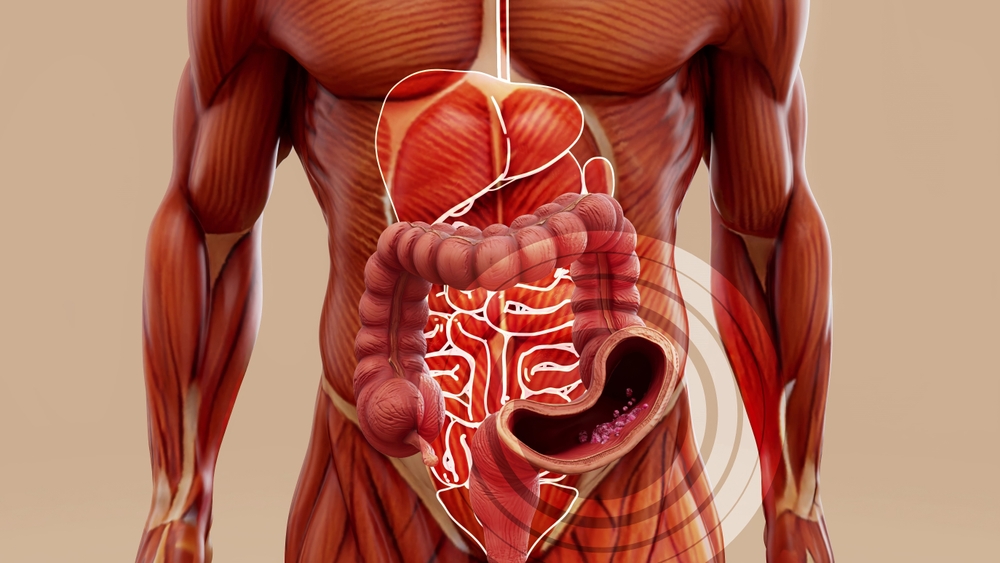
Cancer development involves a complicated accumulation of genetic and epigenetic changes that gradually alter how cells function. These changes can eventually cause cells to grow and behave abnormally, contributing to the development of tumors. However, the KAIST researchers discovered that the transformation involves an unstable period before cells settle into a cancerous state. During this stage, normal and cancerous characteristics can exist together, creating what researchers describe as a critical transition.
A useful way to understand this phenomenon is to think about water changing into steam. When water reaches its boiling point under standard atmospheric pressure, its physical state changes. The researchers applied a similar concept to the development of cancer, investigating how cells move between different biological states. Their findings suggest that the transition from healthy to cancerous cells involves a period when the genetic network becomes unstable and cellular characteristics begin changing.
This intermediate stage became the central focus of the research because it offered an opportunity to identify mechanisms capable of reversing the transformation. Rather than examining only fully developed cancer cells, the scientists investigated the genetic activity occurring throughout the transition. They discovered that important clues about reversing cancer development could be hidden within this temporary state. Understanding these changes allowed them to search for specific molecular switches that could influence the direction cells take.
How Scientists Identified The Hidden Molecular Switch
To identify the mechanisms controlling this transition, the researchers developed a technology combining genetic data analysis and computer simulations. One of the main tools they used was single-cell RNA sequencing, which allows scientists to examine gene activity in individual cells. This provides a more detailed picture of what happens inside different cells within the same tissue, particularly when some cells display normal characteristics while others show signs of cancerous transformation.
The team used single-cell RNA sequencing data from colorectal cancer patient-derived organoids containing normal and cancerous tissue. Organoids are laboratory-grown structures that reproduce certain characteristics of human organs and tissues. By examining these samples, researchers could investigate the differences between normal cells, cancer cells, and those occupying the unstable transition state. They then combined this information with existing experimental evidence about interactions between individual genes to reconstruct the genetic network involved in cancer development.
The researchers used a mathematical approach called attractor landscape analysis to study how this network controls cellular behavior. An attractor landscape represents the possible stable states of a biological system, allowing scientists to investigate how changes within a network might move cells towards different outcomes. Through computer simulations, the team examined how manipulating particular genes could shift cells away from cancerous characteristics. This allowed them to identify potential molecular switches that could encourage cancer cells to regain normal-like properties.
Laboratory Experiments Show Cancer Cells Returning To A Normal-Like State
After identifying potential molecular switches through their computer model, the researchers tested their predictions using colorectal cancer cells and patient-derived organoids. Their experiments focused on whether manipulating the identified molecular targets could change the characteristics of cancerous cells. The results showed that targeting these switches could suppress cancer cell proliferation while also changing the activity of genes associated with cancer development.
The researchers also observed an increase in the activity of genes associated with normal colon epithelial tissue. These changes suggested that the treated cancer cells were moving towards a state resembling normal colon cells. This was particularly significant because the experiments provided biological evidence supporting the predictions made through computer simulations. The team had identified potential reversal mechanisms using mathematical analysis and then demonstrated corresponding changes in actual cellular experiments.
The findings revealed several important effects associated with the experimental approach:
- Reduced cancer cell proliferation: Treatment targeting the identified molecular switches suppressed the multiplication of cancer cells.
- Lower activity of cancer-related genes: The researchers observed reduced expression of important genes associated with cancer development.
- Activation of normal-cell genes: Genes associated with normal colon epithelial tissue became more active following the experimental intervention.
- Changes in cellular characteristics: The treated cells moved towards a state resembling normal colon cells.
These results provide evidence that manipulating genetic networks can influence the characteristics of colorectal cancer cells. However, the experiments were conducted in laboratory models and do not establish that the approach can reverse cancer inside human patients.
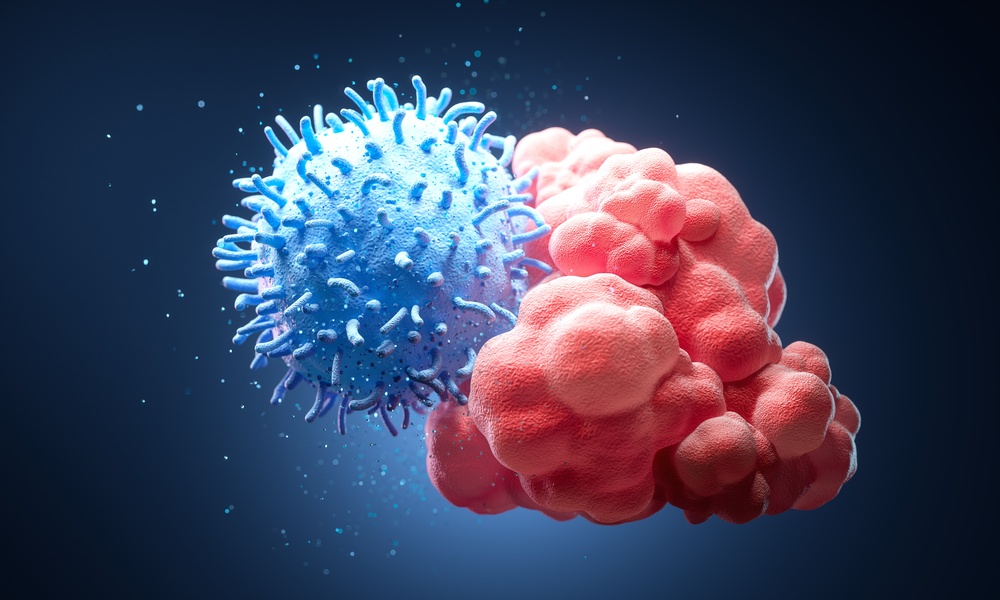
Why This Discovery Could Change Cancer Research
Most established cancer treatments focus on eliminating malignant cells, stopping their multiplication, or preventing the disease from spreading. The KAIST research investigates another possibility by examining whether the biological characteristics that make cells cancerous can be changed. If researchers can identify the mechanisms responsible for maintaining those characteristics, they may eventually develop ways to encourage cancer cells to behave more like healthy cells.
One interesting aspect of this approach is that it focuses on the genetic network controlling cellular identity. Cancer cells undergo numerous changes that affect how they function, grow, and interact with surrounding tissues. Understanding the relationships between these changes could help scientists identify specific points where intervention might influence the disease process. The molecular switches identified by the KAIST team provide potential targets for investigating this possibility further.
The technology could also prove useful beyond colorectal cancer. Because it was designed to reconstruct genetic networks and identify molecular switches using single-cell RNA sequencing data, researchers believe it could help investigate similar mechanisms in other cancer types. However, different cancers involve different biological processes, and a molecular switch identified in colorectal cancer may not produce the same effects elsewhere. Each potential application will require separate investigation and experimental validation.
Could Scientists Eventually Reverse Other Types Of Cancer?
The researchers believe their technology could contribute to the development of reversal therapies for cancers beyond colorectal cancer. Their approach provides a systematic way to investigate the genetic networks involved in cancer development and identify potential intervention points. This could help researchers search for similar molecular mechanisms in other tissues and investigate whether cancerous characteristics can be changed through targeted genetic interventions.
However, there is still considerable work ahead. Different cancers develop through different combinations of genetic and epigenetic changes, meaning the mechanisms responsible for maintaining cancerous behavior can vary considerably. A successful experiment involving colorectal cancer cells does not automatically establish that the same approach will work against breast, lung, pancreatic, or other cancers. Scientists will need to identify the relevant molecular switches for each disease and test whether manipulating them produces the desired effects.
The research nevertheless provides a useful foundation for future investigations. By studying the transition between healthy and cancerous cellular states, scientists may gain a better understanding of how cancer develops and whether its progression can be interrupted. The possibility of applying this technology to other cancers remains an area for further research rather than an established medical outcome.
What Researchers Still Need To Prove
Despite the encouraging laboratory findings, the discovery is still at an experimental stage. The team demonstrated changes in colorectal cancer cells and patient-derived organoids, but it has not established that the technique can safely reverse cancer in living patients. Before any potential treatment could reach clinical use, researchers would need to investigate how the molecular switches behave in more complex biological systems and whether the effects remain stable over time.
There are also important safety questions to address. Scientists would need to determine whether the targeted molecular mechanisms can be manipulated without damaging healthy tissues or causing other unwanted changes. They would also need to establish whether treated cells remain in their normal-like state or eventually regain cancerous characteristics. The effectiveness of the approach across different stages of cancer development would require further investigation.
Professor Cho emphasized the importance of understanding what happens inside cells during the transformation process. He explained: “In particular, this study has revealed in detail, at the genetic network level, what changes occur within cells behind the process of cancer development, which has been considered a mystery until now.” The research team believes that identifying the molecular mechanisms behind this transition could provide important clues for future cancer reversal strategies.
A New Direction In The Search For Cancer Treatments
The KAIST discovery offers researchers a different way to investigate how cancer develops and whether some of those changes can be reversed. By identifying an unstable transition state and finding molecular switches capable of changing colorectal cancer cells’ characteristics, the team has demonstrated an approach that deserves further investigation. Its findings suggest that the genetic networks controlling cancer development may contain opportunities to influence the behavior of cells before their transformation becomes established.
The next challenge is proving whether those laboratory results can translate into safe and effective treatments for people. If future research confirms that the approach works in living organisms, it could add an entirely different strategy to the fight against cancer. For now, scientists have found a way to make cancer cells behave more like normal cells in laboratory experiments, and that discovery gives cancer researchers a new biological mechanism to investigate.
Sources:
Shin, D., Gong, J., Jeong, S. D., Cho, Y., Kim, H., Kim, T., & Cho, K. (2025). Attractor landscape analysis reveals a reversion switch in the transition of colorectal tumorigenesis. Advanced Science, 12(8), e2412503. https://doi.org/10.1002/advs.202412503