
Your cart is currently empty!
Blood Pressure Drug Produces Unexpected Results as Some Patients No Longer Need Medication

A new blood pressure drug has delivered results that could change the way doctors treat one of the world’s most common health conditions. Researchers studying the medication have discovered that some patients experienced improvements that lasted years, with several eventually able to stop taking their blood pressure medication altogether. Even more surprising, scientists believe the treatment could be affecting the tiny hormone-producing growths responsible for certain cases of hypertension.
Contents
show
The drug, called baxdrostat, works by blocking the production of aldosterone, a hormone that tells the kidneys to retain salt and contributes to elevated blood pressure. However, researchers noticed something unexpected when following patients who responded particularly well to treatment. Their blood pressure remained low long after taking the medication, raising the possibility that the drug could address an underlying cause of hypertension in some people. The findings have prompted further investigation, with the treatment potentially becoming available in the UK by 2027.

A New Blood Pressure Drug Has Produced Unexpected Results
Baxdrostat belongs to a class of medications known as aldosterone synthase inhibitors. These drugs target the process responsible for producing aldosterone, a hormone released by the adrenal glands that helps regulate the body’s salt and water balance. When too much aldosterone is produced, the kidneys retain excessive sodium, causing the body to hold onto more fluid. This can increase blood volume and push blood pressure higher, sometimes making the condition difficult to control with conventional medication.
Researchers initially investigated baxdrostat as a treatment for people struggling with persistent hypertension. The original study was designed to last three months, but the results encouraged scientists to continue monitoring a small group of participants who experienced substantial improvements. Fourteen patients were allowed to remain on the medication for between six and 12 months, giving researchers an opportunity to examine whether the benefits would continue over a longer period. Their subsequent blood pressure readings produced findings that raised an entirely different question about how the drug might work.
Two years after the study began, the participants were still experiencing low blood pressure. One individual had reportedly remained off the medication for three years, while other patients also experienced improvements that allowed them to stop their treatment. The possibility of lasting benefits attracted particular attention because hypertension generally requires ongoing management. Researchers now want to understand why some patients maintained normal readings even after the medication was discontinued.
Some Patients Have Managed To Stop Taking Medication
One of the most striking findings involved the number of participants who no longer required blood pressure treatment. Professor Morris Brown, a hypertension specialist at Queen Mary University of London who led the research, described the results as exciting. He explained that some patients experienced improvements substantial enough to allow them to discontinue their existing medication while maintaining normal blood pressure readings. For people who have spent years relying on daily tablets, such an outcome could represent a significant change in their treatment.
Brown revealed that nearly a quarter of the patients reached this point during the extended observation period. “Just under a quarter of the patients came off all treatment and had completely normal blood pressure,” he said. The findings suggest that certain patients may have experienced benefits extending beyond the period when they actively took baxdrostat. However, researchers are still investigating the biological processes that could explain this outcome.
The results are particularly interesting for people whose hypertension is caused by excessive aldosterone production. In these cases, conventional blood pressure medication may control the symptoms without necessarily addressing the underlying hormonal problem. A treatment that reduces aldosterone production could potentially offer another approach. Nevertheless, the study involved only a small number of participants, and the findings cannot yet establish that baxdrostat permanently cures hypertension.
The Adrenal Glands Could Hold The Key
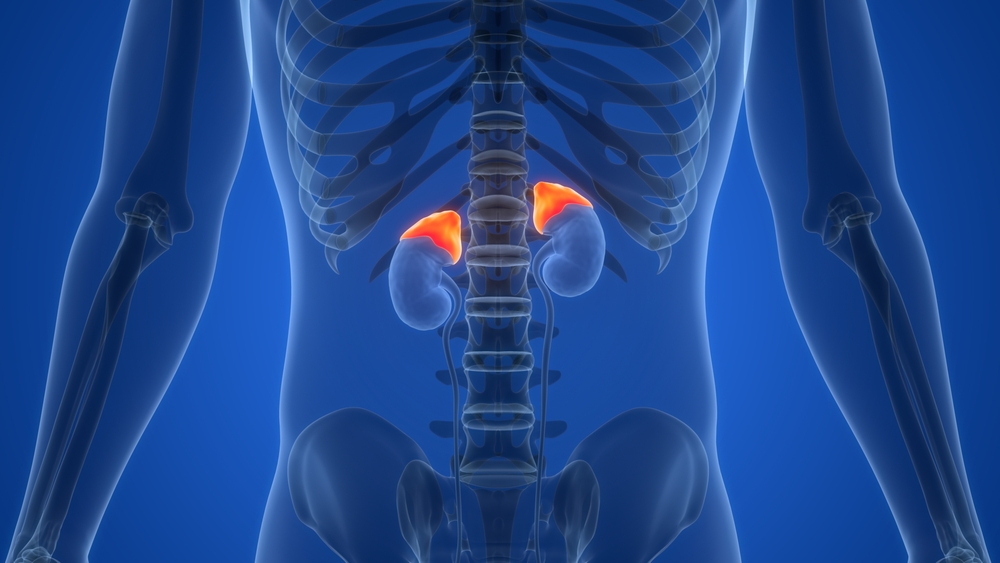
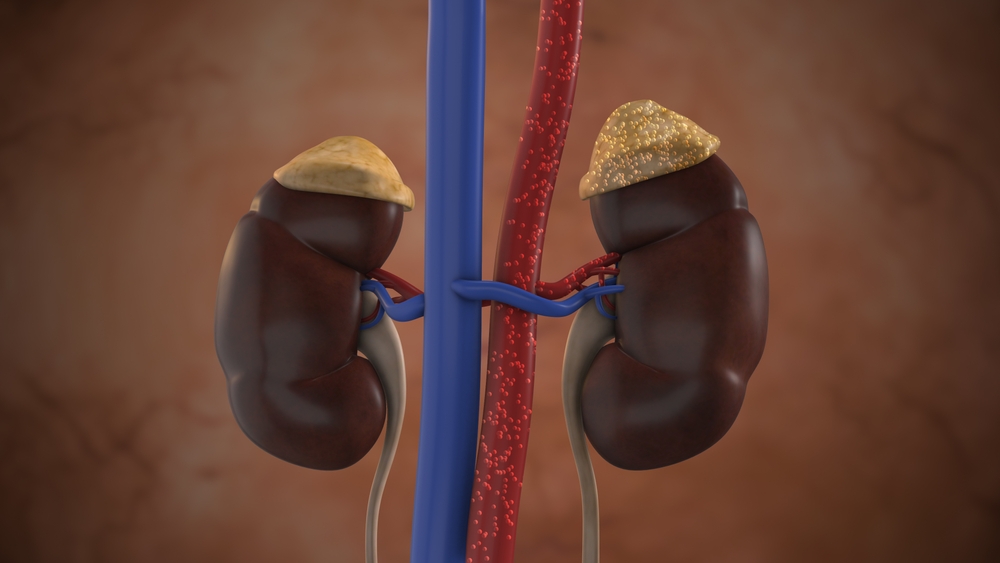
The research has directed attention towards the adrenal glands, two small organs located above the kidneys. Despite their size, these glands produce several hormones involved in regulating essential bodily functions, including blood pressure, metabolism and the body’s response to stress. Aldosterone is one of these hormones, and excessive production can have serious consequences for cardiovascular health. In some patients, the problem originates from tiny non-cancerous growths that develop in the adrenal glands and cause them to release too much aldosterone.
This condition is known as primary aldosteronism. It can cause persistent hypertension because excessive aldosterone encourages the kidneys to retain sodium, increasing the amount of fluid circulating through the body. The resulting pressure can remain elevated even when someone is taking medication. Researchers estimate that primary aldosteronism may account for around one in 10 cases of high blood pressure, meaning a substantial number of people could have an underlying hormonal condition contributing to their readings.

Treatment can depend on whether one or both adrenal glands are responsible for the excessive hormone production. Some patients may undergo surgery to remove the affected adrenal gland, particularly when the problem originates from one side. Others receive medication designed to block aldosterone’s effects. However, surgery does not guarantee that blood pressure will return to normal because additional factors can contribute to hypertension. Baxdrostat could eventually offer another treatment option by targeting the hormone production process itself.
Scientists Suspect The Drug May Destroy Hormone-Producing Cells
The most unusual possibility emerging from the research involves what baxdrostat might be doing to the cells responsible for producing aldosterone. Professor Brown suspects that blocking the hormone production process could trigger changes that damage these cells, potentially explaining why some patients maintained lower blood pressure after stopping treatment. His theory is based partly on an experiment involving mice conducted approximately 20 years ago. That experiment examined what happened when researchers deleted a gene required for aldosterone production.
The findings suggested that removing the gene stopped the production of cells responsible for releasing the hormone. Brown believes baxdrostat could potentially trigger a comparable process by interfering with aldosterone production. If the treatment causes the relevant cells to disappear, the adrenal glands might produce less of the hormone even after patients stop taking the medication. This could help explain the lasting improvements observed in some participants, although the proposed mechanism remains under investigation.

What Reactive Oxygen Species Have To Do With It
Brown suspects that blocking aldosterone production could generate molecules known as reactive oxygen species. These molecules can cause oxidative damage inside cells, potentially affecting their ability to survive and function normally. According to his theory, this process could damage the hormone-producing adrenal cells and eventually cause them to disappear. If that happens, the body may produce less aldosterone over the longer term.
Explaining the theory, Brown said: “Those oxygen radicals are killing the cells and they disappear.” He also stressed that the mechanism remains something researchers need to test. “That’s what I think the mechanism is and it’s testable, it’s something we’re doing now in the laboratory.” Establishing whether this process actually occurs in humans will be an important part of the next stage of research. Until then, the possibility of permanently eliminating the underlying source of excessive aldosterone production remains a scientific hypothesis rather than a confirmed effect of the medication.
High Blood Pressure Remains A Major Health Problem
The potential findings come as hypertension continues to affect millions of people across the UK. More than 12 million people are estimated to have high blood pressure, while millions more could be living with the condition without knowing it. One reason hypertension can be dangerous is that it frequently develops without obvious symptoms. Someone can feel perfectly healthy while elevated pressure gradually places additional strain on their heart and blood vessels.
When blood pressure remains too high, the heart must work harder to circulate blood around the body. Over time, this can damage arteries and increase the risk of serious medical complications. Some of the major health problems associated with uncontrolled hypertension include:
- Heart attacks: Persistent high blood pressure places additional strain on the cardiovascular system and increases the risk of heart disease.
- Strokes: Damage to blood vessels can increase the likelihood of a blood vessel becoming blocked or rupturing in the brain.
- Kidney disease: Elevated pressure can damage the delicate blood vessels responsible for filtering waste from the blood.
- Vascular dementia: Reduced blood flow and damage to blood vessels can contribute to problems affecting memory and cognitive function.
- Peripheral artery disease: Narrowed arteries can restrict circulation, particularly in the legs and feet.
- Erectile dysfunction: Changes affecting blood vessel health and circulation can interfere with normal erectile function.
The condition is associated with several contributing factors, including ageing, smoking, obesity, excessive alcohol consumption and diets containing too much salt. Genetics and underlying medical conditions can also influence someone’s risk. Regular blood pressure checks are therefore important, particularly because someone may have dangerously elevated readings without experiencing headaches, dizziness or other noticeable warning signs.
Why Primary Aldosteronism Can Be Difficult To Identify
Although many people associate hypertension with lifestyle factors, hormonal conditions can also play a significant role. Primary aldosteronism occurs when the adrenal glands produce excessive amounts of aldosterone, causing the kidneys to retain more sodium and water. This can create persistent high blood pressure that becomes difficult to control through ordinary treatment. Some people also experience low potassium levels, although this does not happen in every case.
The condition can be particularly challenging because its symptoms may resemble those of more common forms of hypertension. A patient might spend years taking medication without knowing that excessive aldosterone production is contributing to their condition. People whose blood pressure remains high despite taking several medications may require further investigation to identify whether an underlying hormonal problem is involved. Doctors can use blood and urine tests, alongside other investigations, to assess aldosterone production and determine the possible cause.
Treatment depends on the source of the excessive hormone production. Patients with one affected adrenal gland may be considered for surgery, while those with overproduction involving both glands may receive medication that blocks aldosterone’s effects. These treatments can help control the condition, although individual outcomes vary. Baxdrostat could eventually provide another approach, particularly if further studies confirm that it produces lasting changes in hormone production.
Could Baxdrostat Become Available In The UK By 2027?
The medication has already attracted attention in the United States, where it received approval for people whose blood pressure remains dangerously high despite taking two or more other medications. Its potential arrival in the UK could follow in 2027, although access will depend on the relevant regulatory and healthcare decisions. The National Institute for Health and Care Excellence (NICE) is considering whether baxdrostat should be offered through the NHS.
Any decision will involve examining the available evidence, including how effectively the drug controls blood pressure and whether its benefits justify its cost. Researchers and healthcare authorities will also need to consider potential side effects and which patients are most likely to benefit. If the medication becomes available in Britain, it could provide another option for people whose hypertension remains difficult to manage through existing treatments.
Its potential role in primary aldosteronism could make it particularly interesting to specialists. Patients with this condition may have an identifiable hormonal cause behind their elevated readings, giving doctors a more specific target for treatment. However, further research will need to establish whether baxdrostat can produce the same lasting results across a much larger group of patients. Its potential availability does not mean that everyone with high blood pressure will be eligible to receive it.
Larger Studies Must Confirm The Possibility Of A Cure
Despite the encouraging findings, researchers still have important questions to answer. The extended study involved only 14 patients who had already experienced substantial improvements during the initial treatment period. This makes it difficult to determine whether similar results would occur in a broader population. Larger studies are now underway to investigate the medication’s longer-term effects and establish whether the initial findings can be reproduced.
Researchers will need to examine several important areas before the treatment’s full potential becomes clear:
- Long-term effectiveness: Whether blood pressure remains controlled after patients stop taking baxdrostat.
- Patient selection: Which people with primary aldosteronism are most likely to experience lasting improvements.
- The biological mechanism: Whether the medication actually causes aldosterone-producing cells to disappear in humans.
- Long-term safety: Whether extended treatment creates additional risks or unwanted side effects.
- Durability: How long the benefits continue after treatment ends and whether patients eventually require further medication.
The findings have given scientists a reason to investigate whether targeting aldosterone could produce benefits that continue beyond active treatment. However, a small study cannot establish how frequently this happens or whether the results will apply to different types of hypertension. Researchers must also determine whether the proposed adrenal-cell mechanism is responsible for the improvements observed in participants.
The Findings Could Open A New Chapter In Hypertension Treatment
For people whose high blood pressure is driven by excessive aldosterone production, baxdrostat could eventually offer an important additional treatment option. The possibility that some patients might maintain normal readings after stopping medication is particularly interesting, especially when existing treatments have struggled to control their condition. If larger trials confirm the findings, doctors could gain a better understanding of how to treat this specific hormonal cause of hypertension.
For now, patients should continue taking prescribed blood pressure medication and should never stop treatment based on these early findings. Baxdrostat still needs further investigation before scientists can establish how widely its lasting effects occur. The next stage of research will determine whether the unusual results seen in a small group of patients can become a reliable treatment option for millions living with hypertension.
Sources:
Brown, M. J., Turcu, A. F., Sam, R., Kirschner, L. S., Hamidi, O., Eren, A., Ben-Shlomo, A., Huang, W., Bancos, I., Hamrahian, A. H., & Freeman, M. W. (2026). Hyperaldosteronism Remission after Extended Aldosterone Synthase Inhibition. New England Journal of Medicine. https://doi.org/10.1056/nejmc2611265