

A former prison that sat empty for more than 15 years has reopened as a major immigration detention center, giving President Donald Trump’s administration another facility to support its nationwide deportation campaign. Located in Appleton, Minnesota, the newly operational center has the capacity to hold up to 1,600 detainees, marking a significant addition to the country’s immigration detention infrastructure.
The reopening also comes with a substantial financial commitment. The federal government purchased the property from private prison operator CoreCivic for $495.6 million, while the company expects to generate approximately $75 million in annual revenue under its five-year operating agreement. The development brings together Trump’s mass deportation agenda, a major government property purchase, and a private company’s growing role in federal immigration enforcement.

ICE Opens Its New Detention Facility In Minnesota
The Department of Homeland Security confirmed that the Appleton Detention Facility officially opened on November 9, 2026. The property was previously a private prison that had remained vacant since 2010. Federal immigration officials had been exploring the location as a possible way to expand detention operations, with earlier expectations suggesting the center could become operational by mid-2027.
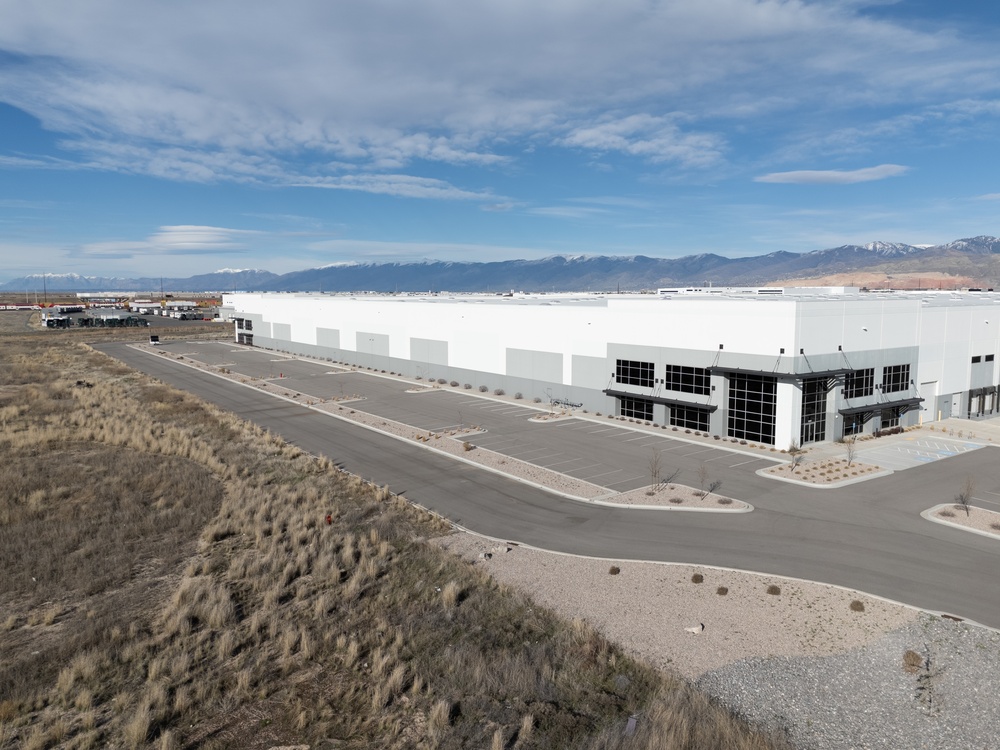
The facility is situated in western Minnesota, approximately 20 miles east of the South Dakota border. Its location gives Immigration and Customs Enforcement another detention site within the Midwest as the Trump administration continues expanding its immigration enforcement operations. With a planned capacity of 1,600 people, the former prison represents a substantial addition to the government’s available detention space.
The Department of Homeland Security directly connected the opening to the president’s deportation agenda. A spokesperson for the department stated: “DHS opened the Appleton Detention Facility on November 9 to strengthen America’s ability to enforce its immigration laws and carry out the American people’s mandate for mass deportations.” The statement also described the center as a way to increase detention and removal capacity without waiting years for new construction.
DHS added that ICE would continue conducting enforcement activities across the country, emphasizing that the agency would have resources available to carry out Trump’s immigration mission. The announcement makes the administration’s intended use of the property clear. The Appleton center is being incorporated into the federal government’s broader efforts to detain and remove people who do not have legal authorization to remain in the United States.
The Federal Government Paid $495.6 Million For The Property
The financial details surrounding the reopening have attracted attention because of the substantial amount involved in the transaction. CoreCivic, the private prison company that previously owned the Appleton property, sold the facility to the federal government earlier in 2026 for $495.6 million. The purchase allowed the government to acquire an existing correctional facility rather than wait for an entirely new detention center to be constructed.
However, the federal purchase price has raised questions because of earlier discussions involving a much lower figure. Reports had indicated that CoreCivic previously discussed approximately $75 million in connection with a potential sale of the property to the state of Minnesota. The difference between that figure and the federal government’s eventual purchase price created questions about how the property’s value had changed.
CoreCivic subsequently addressed the comparison, explaining that the two figures represented different stages of valuation and were never intended to measure the same thing. The company stated: “It’s important to understand that the reported $75 million figure and the federal purchase price measure two different things at vastly different points in a valuation process.” It also explained that the earlier number dated back to 2015 and was connected to an unsuccessful attempt to discuss the property’s future use with Minnesota’s Department of Corrections.
The company further clarified that the earlier figure was preliminary and was never intended to represent an appraisal or replacement cost. According to CoreCivic, the federal purchase price reflected the estimated cost of constructing an equivalent facility with comparable square footage and security at current construction prices, minus depreciation. The explanation provides the company’s reasoning for the difference, although the size of the transaction places the government’s valuation process under considerable attention.
CoreCivic Expects $75 Million In Annual Revenue
The federal government’s purchase is also expected to provide CoreCivic with a substantial source of revenue over the coming years. Under its five-year agreement connected to the Appleton facility, the company expects to generate approximately $75 million annually. That projection makes the detention center a significant business arrangement for the private prison operator, which will be responsible for running the facility.
The financial agreement includes a fixed monthly payment as well as additional payments based on the number of detainees held at the center. This means the company’s expected revenue is connected to both the contracted operating arrangement and the facility’s population. The projected $75 million represents anticipated annual revenue rather than confirmed profit, and the figure is tied to the company’s expectations for the operation.
The arrangement also illustrates the role private prison companies can play in the federal immigration detention system. The government has acquired the property, while CoreCivic is positioned to operate the center under its agreement. This creates a long-term business relationship between the federal government and a private company as ICE expands the infrastructure available for immigration enforcement.
The five-year contract also gives CoreCivic a defined period in which to generate revenue from the site. With the facility now operational, attention will turn toward how quickly it reaches its intended capacity and whether the company’s financial expectations are achieved. The arrangement makes the Appleton center both a federal immigration enforcement asset and a substantial commercial operation.
The Facility Could Hold Up To 1,600 Detainees
The planned capacity of 1,600 people makes Appleton a major addition to the government’s detention network. ICE had previously explored the location as part of its plans to increase the number of available detention spaces. Officials had anticipated that the center could begin operating by mid-2027, but the November 9 opening brought the facility into use earlier than that initial timeline suggested.
The distinction between opening a facility and reaching its full capacity remains important. Although DHS has confirmed that the center is operational, the available information does not establish that all 1,600 beds are currently occupied. CoreCivic’s expected operating timeline also indicates that the facility’s activation process is expected to continue into 2027.
The reopening of an existing prison provides the administration with additional infrastructure without requiring an entirely new construction project. The property had already been designed for correctional use and had remained vacant for years. Its conversion into an ICE detention center therefore gives federal authorities access to a large existing site as they pursue their immigration enforcement objectives.
The center’s eventual population will also influence the financial arrangement between the government and CoreCivic. Because the contract includes payments connected to the number of detainees, the facility’s operating levels will form part of the company’s revenue expectations. Its planned capacity, however, should not be confused with the number of people currently being held there.
Trump’s Deportation Agenda Continues Expanding
The Appleton opening is part of the Trump administration’s stated effort to increase immigration enforcement resources across the United States. The president has made mass deportations a central component of his immigration agenda, and the Department of Homeland Security has directly connected the new detention center to that objective. Additional detention space provides ICE with another location to hold individuals during immigration enforcement and removal operations.
In its announcement, DHS said: “The site gives ICE immediate capacity to detain and remove those who have no legal right to remain, protecting American communities and restoring the integrity of our borders without waiting years for new construction.” The statement reflects the administration’s position that additional detention infrastructure is necessary to carry out federal immigration laws and its broader border enforcement priorities.
The department also emphasized that immigration enforcement would continue in states across the country. Its announcement made clear that ICE would be using available resources to support the president’s mission. The Appleton facility therefore represents a practical expansion of the infrastructure supporting that policy, giving the agency another large detention location in the Midwest.
The development also places considerable attention on the resources required to carry out the administration’s plans. Acquiring the property cost the federal government $495.6 million, while operating the facility involves a five-year agreement with CoreCivic. The combination of federal spending, private prison operations and expanded detention capacity demonstrates the scale of the arrangements involved in increasing immigration enforcement infrastructure.
What Happens Next At The Appleton Detention Center?
The next major stage will involve bringing the facility toward its intended operating capacity. CoreCivic expects the center’s full activation to take place during 2027, meaning its operations are expected to develop beyond the initial opening. The number of detainees held at the property will be one of the key indicators of how extensively the facility is being used.
The five-year operating agreement also places the center’s financial performance under attention. CoreCivic expects approximately $75 million in annual revenue, but that projection depends on the terms of the contract and the facility’s operating arrangements. The distinction between projected revenue and actual financial results will remain important as the center moves through its activation period.
The federal government will also face continued scrutiny over the purchase price and the reasoning behind the $495.6 million transaction. CoreCivic has explained why it considers the earlier $75 million figure different from the eventual federal purchase price. However, the size of the public expenditure makes the valuation and use of the property important issues surrounding the reopening.
For ICE, the facility adds another location to support the administration’s immigration enforcement strategy. Its planned capacity of 1,600 people gives federal authorities access to a substantial amount of additional detention space. How quickly that capacity is used will help determine the center’s operational scale over the coming months.
A Former Prison Now Sits At The Center Of Trump’s Deportation Push
The reopening of the Appleton facility marks a significant development in the Trump administration’s efforts to expand immigration detention capacity. A property that had remained empty since 2010 is now being used by ICE, backed by a $495.6 million federal purchase and a five-year agreement with CoreCivic.
The administration has openly tied the center to its mass deportation objectives. With full activation expected during 2027, the Appleton facility is set to become an important part of the federal government’s expanding immigration detention infrastructure.