
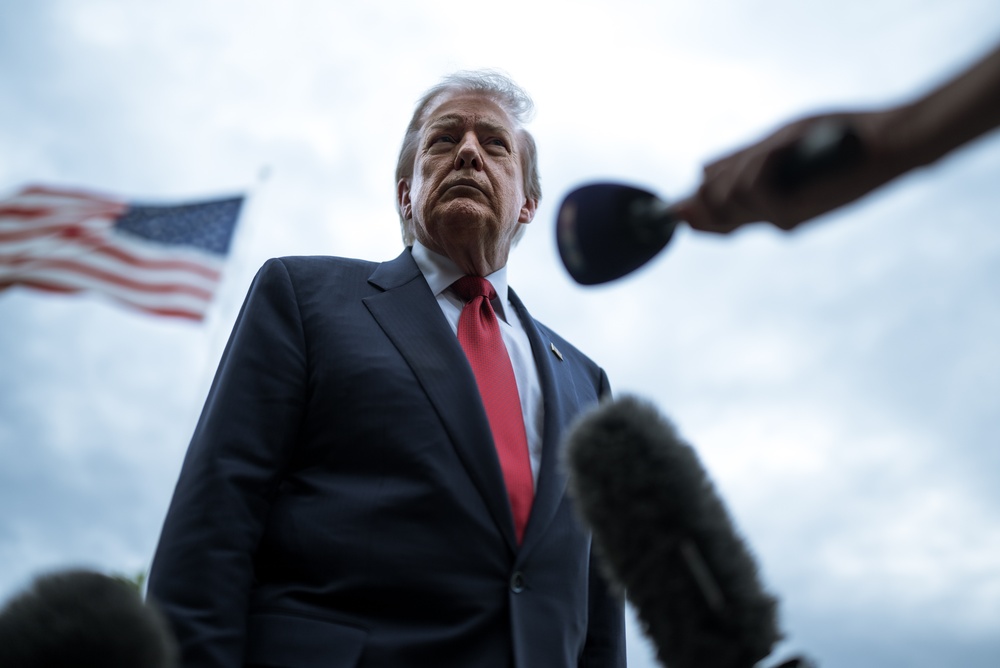
President Donald Trump has made another striking declaration about Cuba, saying he wants to “get Cuba done” before leaving office. His latest remarks have also raised the possibility of American military intervention, adding fresh uncertainty to the future of the communist-run island. During a Thursday interview with conservative radio host Hugh Hewitt, Trump said his administration was watching Cuba closely and suggested that Secretary of State Marco Rubio would welcome the opportunity to address the situation.
The president also indicated that military force was something he would consider if it became necessary to bring political change to the island. Although he stopped short of announcing an operation or confirming any military plans, his comments follow months of increasingly direct statements about Cuba’s future. With Washington continuing to increase pressure through sanctions, Trump’s latest declaration has placed the island firmly among his administration’s priorities.
Trump Says He Wants Cuba Dealt With Before Leaving Office
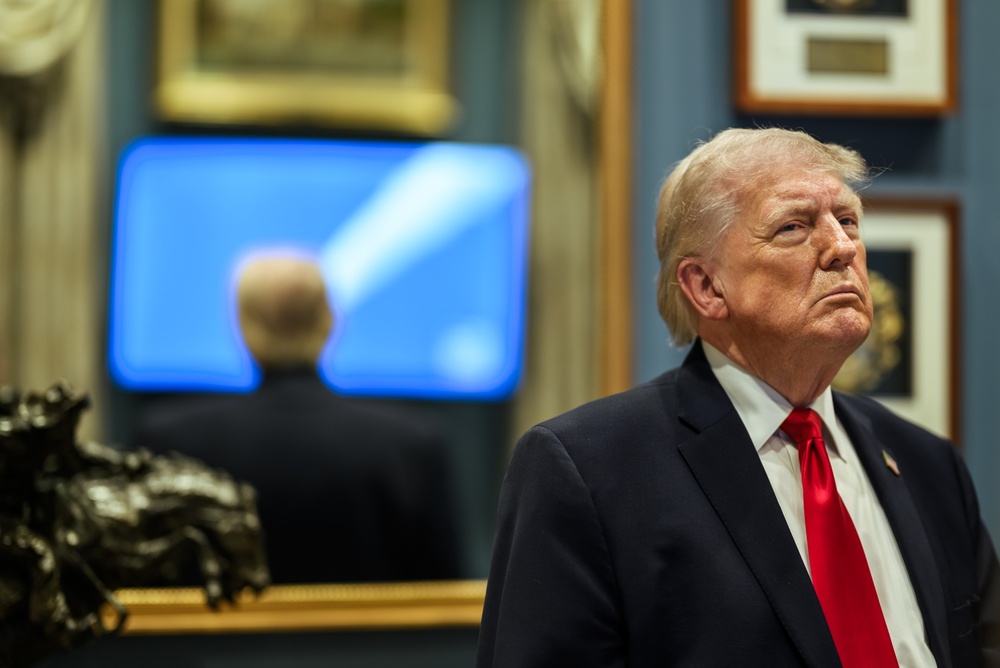
During his conversation with Hugh Hewitt on Thursday, Trump made it clear that Cuba remains an issue he wants to address before his presidency ends. The president described the country as being in serious difficulty and suggested that developments there were receiving close attention from his administration. “I want to get Cuba done before I leave,” Trump said, making his intentions clear without explaining what specific action he intends to pursue.
Trump continued by describing Cuba as a struggling country with a failing political and economic system. “We are watching it very closely, it’s doing very poorly,” he said. “It’s essentially a failed, you know, place, nation, whatever you wanna call it.” His comments reflected the administration’s increasingly critical position toward the Cuban government, although they did not include a detailed explanation of what a future agreement or political transition might involve.
The president also connected his interest in Cuba to the Cuban American community in Florida, claiming that he had won the Cuban vote by a significant margin. He said he would like to take action for Cubans who left their homeland after experiencing mistreatment. Trump explained that he wanted to help those who had come to America, presenting the issue partly through the experiences of Cuban immigrants and their families.
Trump Says He Would Consider Military Force Against Cuba
The most consequential exchange came when Hewitt asked whether Trump would consider using military force to free Cuba from its longstanding communist government. The question raised the possibility of a limited military campaign and whether the president would authorize such an operation if diplomatic or economic pressure failed to achieve his objectives. Trump did not dismiss the suggestion or rule out military involvement.
“I would certainly consider that,” Trump responded. His answer was brief, but it represented a clear acknowledgment that military intervention could be considered as one possible option. He did not announce an invasion, provide a military timetable, or confirm that American forces were preparing for an operation against Cuba.
The distinction leaves considerable uncertainty surrounding the administration’s intentions. Trump’s willingness to consider force does not establish that a military campaign has been approved or that one is imminent. However, coming after several similar statements about Cuba’s future, the response has added another dimension to Washington’s increasingly direct approach toward the island.
Marco Rubio Could Play A Major Role In Trump’s Cuba Plans
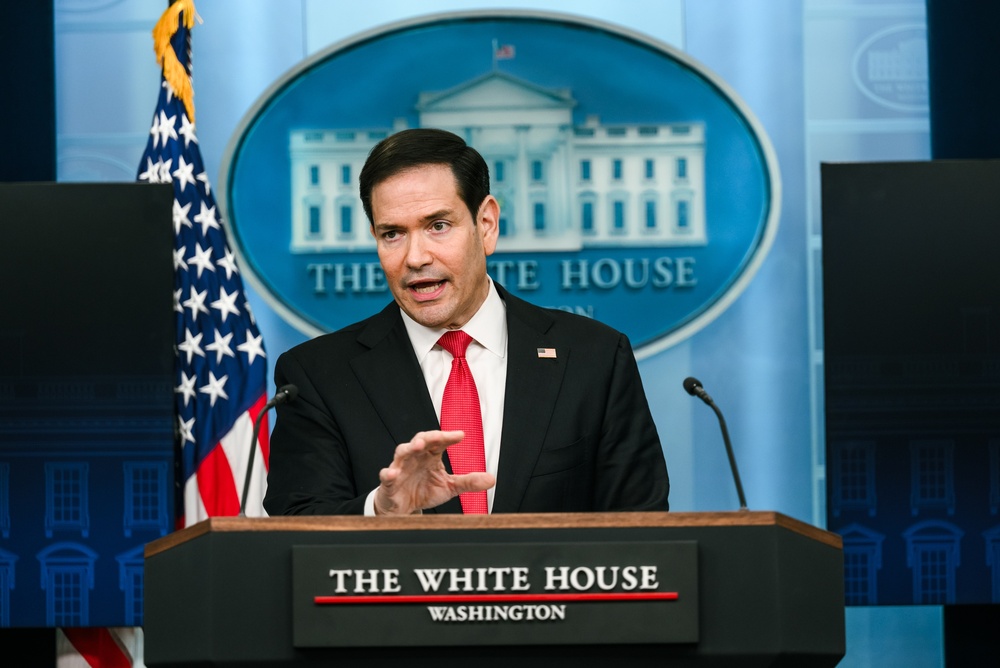
Trump also brought up Secretary of State Marco Rubio while discussing the possibility of action against Cuba. Rubio’s family has Cuban roots, with both of his parents having emigrated from the island. He has also spent much of his political career criticizing Cuba’s communist government and supporting a tougher American approach toward its leadership.
Trump suggested that Rubio would be particularly interested in addressing the situation. Referring to the secretary of state’s background, the president said Rubio “would love to do it.” The remark indicated that Trump sees his top diplomat as someone who could have an important role in any future effort involving Cuba.
Rubio has previously made similarly strong statements about the island’s leadership and economic condition. Last month, speaking to Fox News host Sean Hannity, he described Cuba as a failed state and criticized its governing system. “It does not have a functional economy,” Rubio said, adding that the country’s leaders continued promoting a revolution that had long since lost its effectiveness.
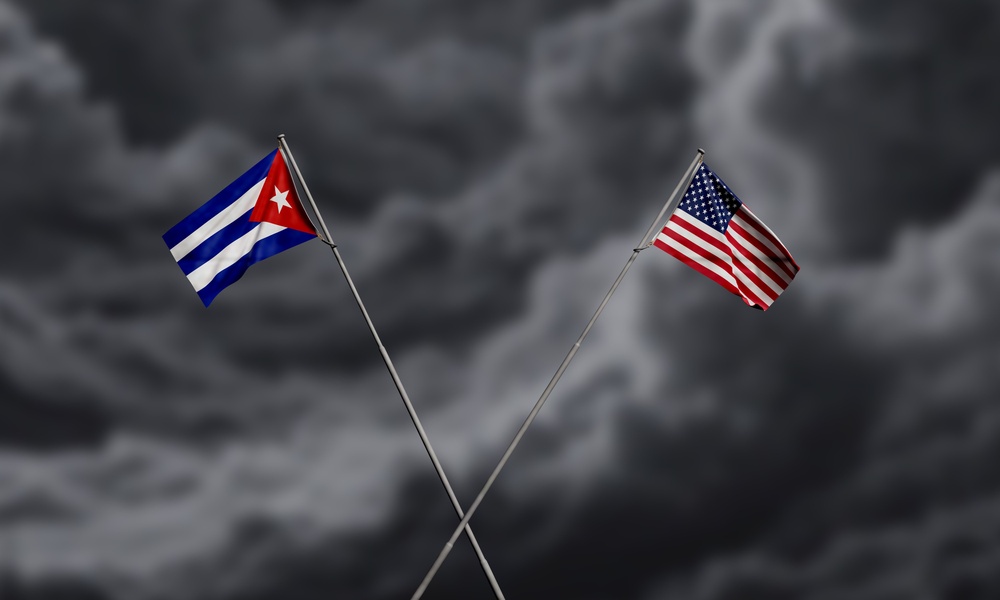
Trump Has Repeatedly Suggested Cuba’s Government Could Fall Soon
Thursday’s interview was far from the first time Trump has spoken about bringing major change to Cuba. Earlier in the same week, the president suggested that the country’s current political system could soon collapse. During a Monday press briefing, he said he believed Cuba “will fall fairly soon,” repeating his criticism of the communist government and its economic record.
“Cuba is falling. It’s a failing nation,” Trump said during the briefing. He also described the country’s ideology as similar to what he called the Democrat ideology in the United States, linking his criticism of Cuba to domestic American politics. Trump added that the United States would help Cuba “on a humanitarian basis,” although he did not provide details about what that assistance would involve.
His comments followed an earlier statement at the United Nations General Assembly in September, where he said the United States was seeking “fundamental change” from the island. In March, Trump had gone even further when discussing the possibility of taking control of Cuba. “I think I can do anything I want with it,” he told reporters, adding, “Whether I free it, take it, I think I can do anything I want.” These repeated declarations show that Cuba has remained a recurring subject in the president’s foreign policy comments.
New Sanctions Put Additional Pressure On Cuba
Alongside Trump’s public statements, his administration has continued using economic sanctions to increase pressure on the Cuban government. Earlier this month, the United States announced another wave of restrictions targeting 10 individuals and entities connected to Cuba’s government, military, and oil industry. The measures form part of Washington’s broader effort to restrict resources and financial opportunities available to people and organizations linked to the country’s leadership.
The State Department accused Cuba’s ruling elite of controlling the island’s important resources for personal benefit while ordinary citizens face worsening living conditions. In its announcement, the department said the leadership was “hoarding the island’s energy, shipping, and technology resources for its own enrichment, leaving the Cuban people to contend with blackouts, shortages, and a stagnant economy.” The allegations reflect Washington’s position that the country’s leadership bears responsibility for much of its economic hardship.
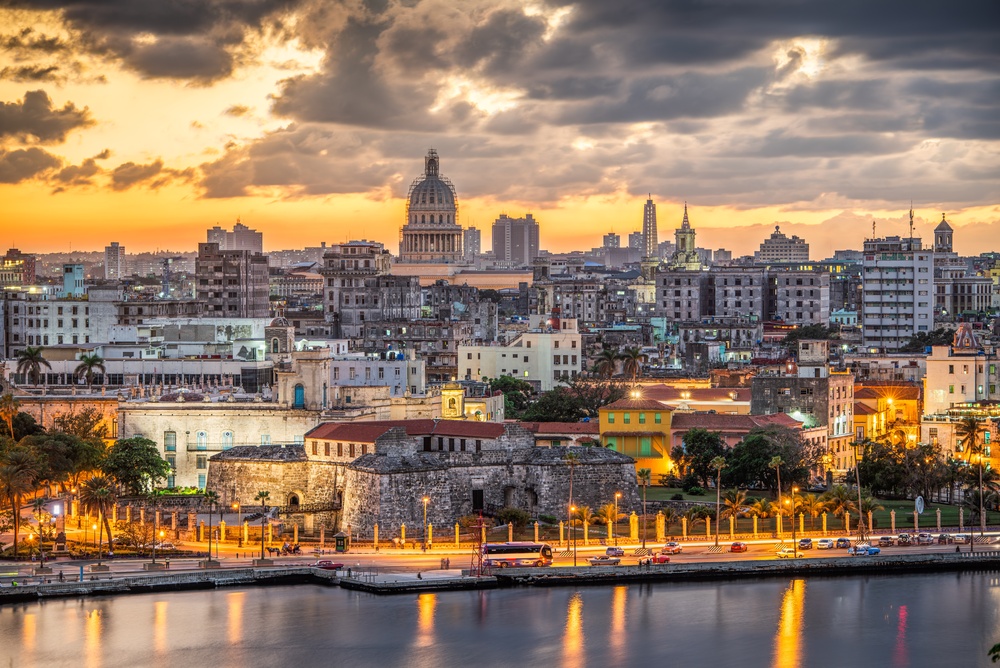
Cuba’s economic difficulties have become a major part of the dispute between the two governments. Electricity shortages, limited fuel supplies, and problems accessing essential goods have created serious challenges for people living on the island. The Cuban government has repeatedly faced criticism over its economic policies, while American sanctions have remained a major point of disagreement between Havana and Washington.
What Trump’s Latest Statements Leave Unanswered
Trump’s comments have raised several questions about the direction of American policy toward Cuba. Although he has expressed a desire to achieve major change before leaving office, he has not explained what that outcome would look like or how his administration intends to bring it about. His statements have included references to humanitarian assistance, economic pressure, political change, and possible military intervention, but no comprehensive plan has been publicly outlined in the remarks provided.
Several important issues remain unclear:
- Military intervention: Trump has said he would consider military force, but has not announced an approved operation.
- Marco Rubio’s involvement: The president has suggested that Rubio would welcome action on Cuba, without detailing his specific responsibilities.
- Economic sanctions: Washington continues to target individuals and entities connected to the Cuban government, military, and oil industry.
- Humanitarian assistance: Trump has promised help on humanitarian grounds but has not explained what form that assistance would take.
- Political change: The president has repeatedly called for fundamental change without describing the political arrangement he wants to see replace the current government.
These unanswered questions leave the future of the US approach uncertain. The possibility of negotiations, continued sanctions, and military intervention all feature in the administration’s public statements, but the president has yet to establish which route will ultimately shape his Cuba policy.
Cuba Remains A Major Foreign Policy Priority For Trump
Trump’s latest remarks have made one thing clear: he wants Cuba addressed before his presidency ends. His willingness to consider military force has added weight to statements that previously focused largely on economic pressure and the possibility of political change. With Rubio also taking a prominent role in the administration’s criticism of Havana, the issue appears likely to remain an important part of Washington’s foreign policy agenda.
For the people living in Cuba, the consequences could extend far beyond political disagreements between the two governments. Further economic restrictions or military escalation could create additional uncertainty for a population already facing serious difficulties. Whether Trump’s administration pursues negotiations, increases sanctions, or considers stronger action remains unanswered. What happens next could shape US-Cuba relations for years to come.