
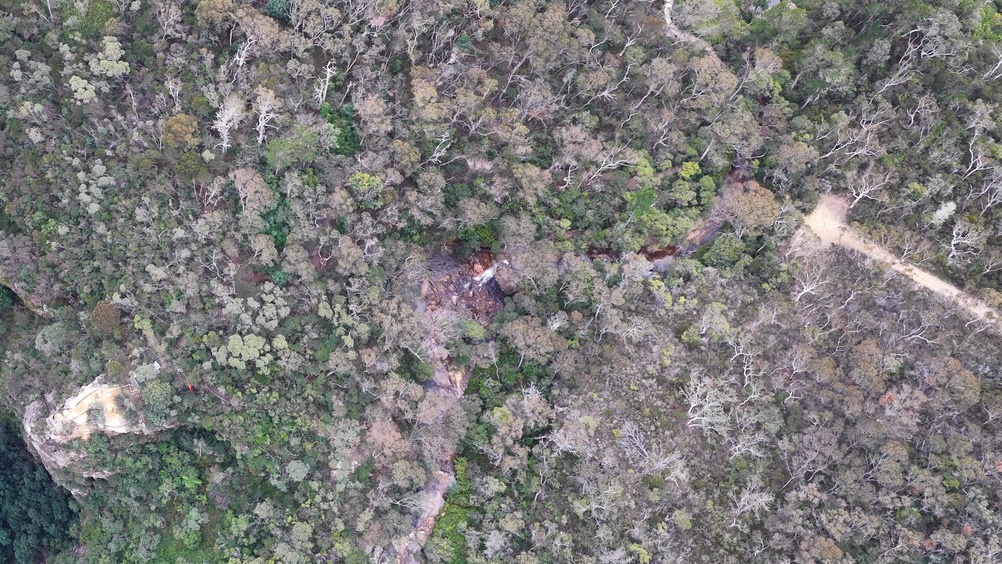
A 17-year-old who vanished in the Australian wilderness has been found alive after spending six terrifying days alone in dense bushland, surviving freezing nights, difficult terrain and a desperate search involving police helicopters, specialist teams and rescue crews. William disappeared during a camping trip in Victoria, leaving his family fearing the worst as temperatures dropped and concerns about his survival continued to grow. When a police helicopter finally spotted him on Thursday morning, the teenager was still alive, bringing an extraordinary end to an operation that had stretched across nearly a week.
The teenager’s mother, Elizabeth Barkley, was overwhelmed with relief when her son was finally brought to safety. Despite the frightening ordeal, William appeared to be in relatively good spirits when rescuers reached him, and his family initially described his condition as remarkably good. Barkley even joked that her son would be “grounded for life” after returning home. However, the details of how William survived alone in the wilderness have since revealed just how difficult those six days really were.
Teenager Disappeared During Camping Trip In Australian Bushland
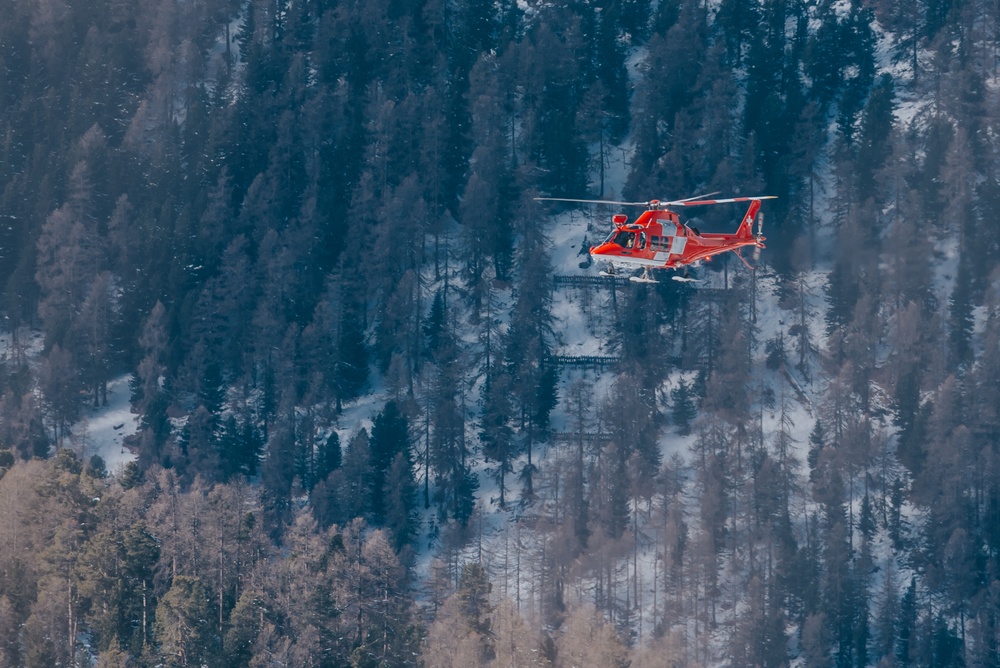
William disappeared on November 6 while camping with a friend in bushland near Walhalla East, approximately 180 kilometres east of Melbourne, Victoria. The 17-year-old had reportedly walked away from the campsite to collect additional camping equipment but failed to return. When he could not be located, concerns quickly escalated, particularly because he was unfamiliar with the surrounding wilderness and had limited experience navigating such challenging terrain.
The teenager initially attempted to find his way back to the campsite, but the surrounding landscape made the situation increasingly difficult. Dense vegetation, steep slopes and unfamiliar tracks complicated his efforts, while daylight gradually disappeared. After becoming separated from his belongings, William had no mobile phone, proper food supplies or reliable way to contact anyone. What began as a camping trip had turned into a dangerous situation with very few options available.
His disappearance became especially concerning as extremely cold overnight temperatures exposed him to the elements. His family had no way of knowing where he was or whether he had found somewhere safe to shelter. With every passing day, the uncertainty became harder to bear, while emergency services faced the challenge of locating a teenager somewhere within a vast area of rugged Australian bushland.
Massive Search Operation Raced Against Time
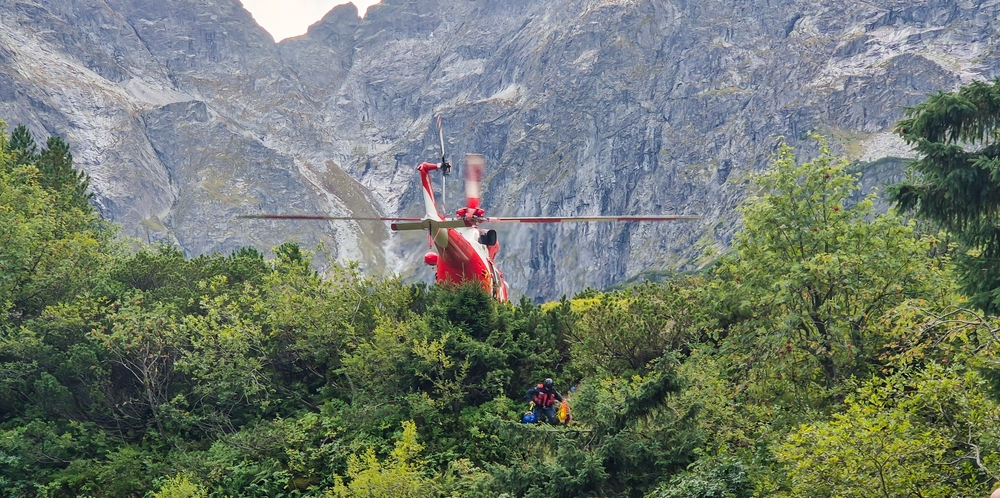
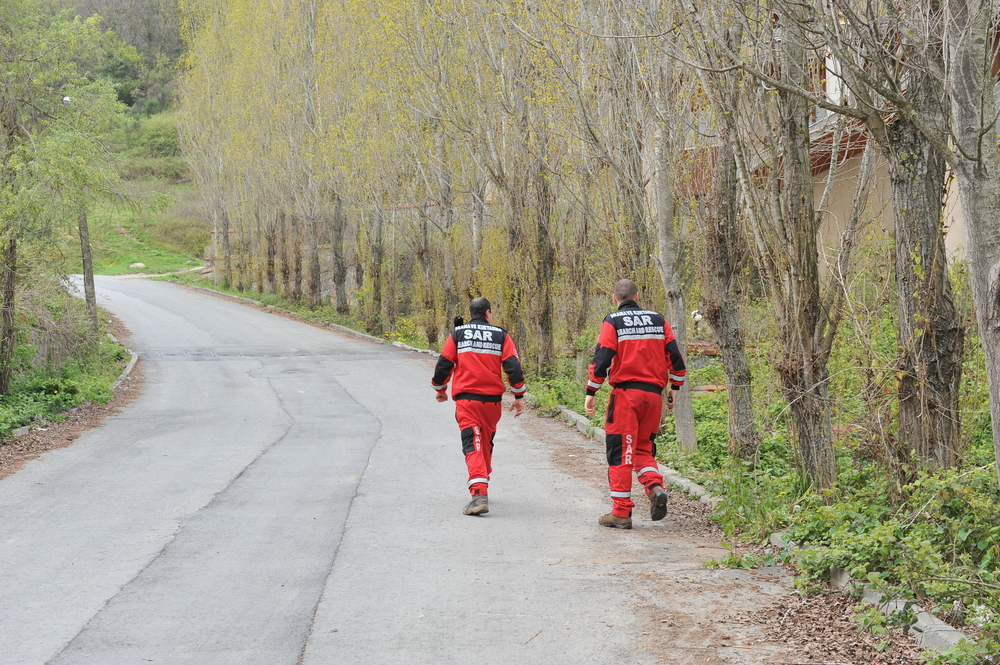
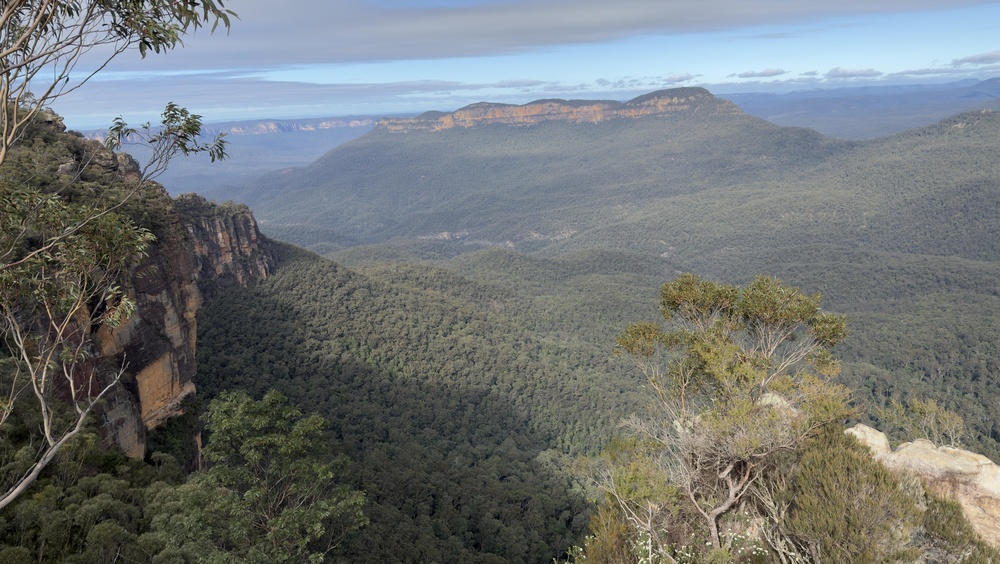
Victoria Police launched an extensive search operation involving police dogs, divers, helicopters and specialist emergency personnel. More than 100 people, including police officers and volunteers, participated in efforts to locate the missing teenager. Search teams examined difficult sections of the surrounding wilderness, but the landscape presented serious obstacles because of its steep terrain and dense vegetation.
The weather added another layer of urgency. William had already spent several nights outdoors, with cold temperatures and rain increasing concerns about his physical condition. Rescuers knew that the teenager had limited supplies and no reliable means of communicating with the outside world. Every hour without locating him increased the uncertainty surrounding his survival.
The operation required considerable coordination as teams attempted to cover different sections of the search area. Some locations were extremely difficult to reach on foot, making aerial assistance particularly valuable. Acting Inspector Jason Benbow later explained the challenges faced by the search teams, saying, “The search area today was something we couldn’t do on foot, it was way too steep and beyond the capabilities of any human, to be honest.”
Police Helicopter Finally Spots Missing Teenager
The breakthrough arrived on Thursday morning, November 12, when a Victoria Police Air Wing helicopter spotted William in a remote creek bed. He was approximately two kilometres from the location where he had originally disappeared, lying on a rock beneath some towels. The area was particularly difficult to access, and the helicopter crew’s discovery finally provided the breakthrough rescuers had been desperately waiting for.
According to the rescue account, the crew initially noticed his fishing tackle box before locating the teenager himself. William had been resting in the creek bed when the helicopter approached, and he eventually realised that someone had spotted him. He woke up, waved towards the aircraft and pumped his fist, signalling that he was alive. After six days without contact, the simple gesture marked the moment his family and rescuers had been hoping to see.
Rescue personnel subsequently winched William to safety and provided him with water and a doughnut before arranging medical attention. He was then reunited with his relieved family and transported to hospital for assessment. Police officers involved in the operation admitted they were emotional about finding him alive. Acting Inspector Benbow said, “It doesn’t happen all the time,” acknowledging how special the outcome was for everyone who had spent days searching.
How William Managed To Survive Six Days Alone
The details of William’s survival revealed how he managed to endure almost a week without proper camping supplies. He had very little food available and was forced to make what he had last for as long as possible. One packet of chicken-flavoured chips became an important part of his limited food supply, which he rationed over several days. He also drank water from a nearby creek while trying to remain sheltered from the weather.
Towels Helped Protect Him From The Cold
William managed to keep some belongings with him during the ordeal, including towels that he used for protection against the cold. Spending nights outdoors in unfamiliar bushland would have been particularly difficult because temperatures dropped considerably after sunset. The teenager eventually remained in the creek bed, where he was still located when the helicopter crew arrived.
His surroundings were far from comfortable, with steep rocks, sticks and difficult terrain making movement dangerous. He also experienced hot daytime conditions and suffered sunburn while trying to survive. Despite the physical discomfort, remaining in one location eventually meant rescuers could find him when the helicopter passed overhead.
He Had Moments When He Feared He Would Not Survive
William later admitted that the experience was frightening and that he sometimes questioned whether he would make it through. Reflecting on the conditions, he explained, “The nights were pretty cold. A couple of times it was raining. Hot days. I got sunburnt and pretty treacherous surroundings, rocks and sticks, yeah.”
The teenager also acknowledged just how uncertain his survival had become, saying, “I didn’t think I’d make it six days.” His experience highlights the physical difficulties of becoming stranded in remote wilderness, particularly when someone has limited supplies and no way to call for assistance.
Teenager Reveals Song That Helped Him Through Ordeal
One of the most unexpected details to emerge after William’s rescue involved the song he repeatedly sang while alone in the wilderness. The teenager turned to John Denver’s classic track Take Me Home, Country Roads, which had been a childhood favourite. Singing it helped occupy his mind during the long hours and provided some comfort while he waited for someone to find him.
William explained, “I started doing it one night and it made me feel ace, so I just kept doing it.” The simple habit became part of how he managed the isolation, particularly during the frightening nights when he had little else to distract himself. His account offered a glimpse into the personal challenges he faced while emergency crews continued their search.
The story also revealed how unpredictable survival situations can become. William had no guarantee that someone would locate him quickly, and the difficult terrain made his position particularly challenging to reach. Yet he managed to remain alive until the helicopter crew finally spotted him, giving rescuers the opportunity to bring him home.
Mother’s Emotional Reaction After Son’s Rescue
For Elizabeth Barkley, the moment she was reunited with her son brought an end to six days of fear and uncertainty. She had been waiting desperately for news and was relieved to discover that William was alive. Speaking after the rescue, she said he had “only a few scratches” and initially appeared fit and healthy. She also explained, “He’s doing fine, everything seems to be fine, he’s in perfect health.”
Barkley was particularly grateful that her son had survived the experience. She explained that he had stayed in one spot and waited to be rescued, adding, “I’m just over the moon he’s alive.” Her relief was understandable after such a frightening week, especially when the family had been left wondering whether the teenager would ever return home safely.
She also found room for some humour when discussing what would happen after William returned home. Joking about his disappearance, she declared, “He’s never leaving the house again.” The comment quickly became one of the memorable moments surrounding the rescue, capturing the mixture of relief and disbelief following his extraordinary survival.
Hospital Treatment Reveals Further Challenges After Rescue
Although William initially appeared to be in good spirits, his recovery required further medical attention. Spending six days outdoors with limited food and water had taken a toll on his body, and dehydration became a significant concern. His condition required additional monitoring after his blood pressure dropped, prompting further assessment by medical staff.
He was subsequently transferred to The Alfred hospital in Melbourne for continued treatment. Doctors monitored his condition while he recovered from the physical effects of his time in the wilderness. The medical attention also demonstrated why someone can appear relatively well immediately after a rescue while still experiencing complications that require professional care.
William’s family remained focused on his recovery after the ordeal. The teenager had survived conditions that could have ended very differently, and his reunion with his loved ones marked an extraordinary turning point after nearly a week of uncertainty. His experience also left him with quite a story to tell once he was well enough to return to normal life.
Six Days In The Wilderness Ended With A Rescue
William’s disappearance prompted a major search across Victoria’s rugged bushland, with emergency crews working against difficult terrain and increasingly concerning weather conditions. His survival depended on making limited supplies last and finding somewhere he could remain sheltered until help arrived. The helicopter crew’s discovery finally brought the operation to a successful end, allowing the teenager to return to his family.
For Barkley, the most important outcome was simple: her son was alive and had another chance to come home. William now faces the process of recovering from an experience that few teenagers will ever encounter, while his family can finally begin putting six frightening days behind them. His mother may have joked about grounding him for life, but getting him safely back through the front door was already more than enough.