
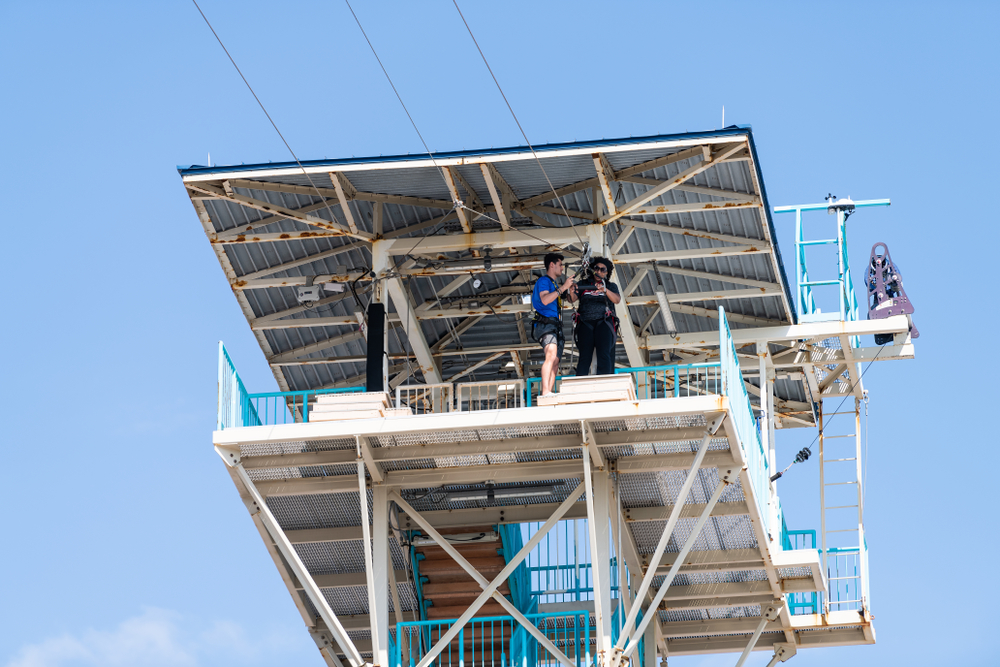
A terrifying accident at a California zipline attraction ended with a 34-year-old worker plunging toward the ground after making a desperate attempt to save a female customer. Both had been left dangling high above a canyon, and the worker faced a decision that would ultimately cost him his life. The woman survived the ordeal, but Joaquin Romero never made it back to the platform.
The incident happened in October 2021, when Romero was working at La Jolla Zip Zoom Zipline in Southern California. What began as an attempt to help a customer quickly turned into a life-threatening emergency. Romero reportedly released his grip on the woman’s harness after realizing the danger they were both facing. He fell approximately 50 feet and died in hospital two days later. A subsequent federal investigation uncovered serious workplace safety failures that raised further questions about the tragedy.
What Happened During The California Zipline Accident?
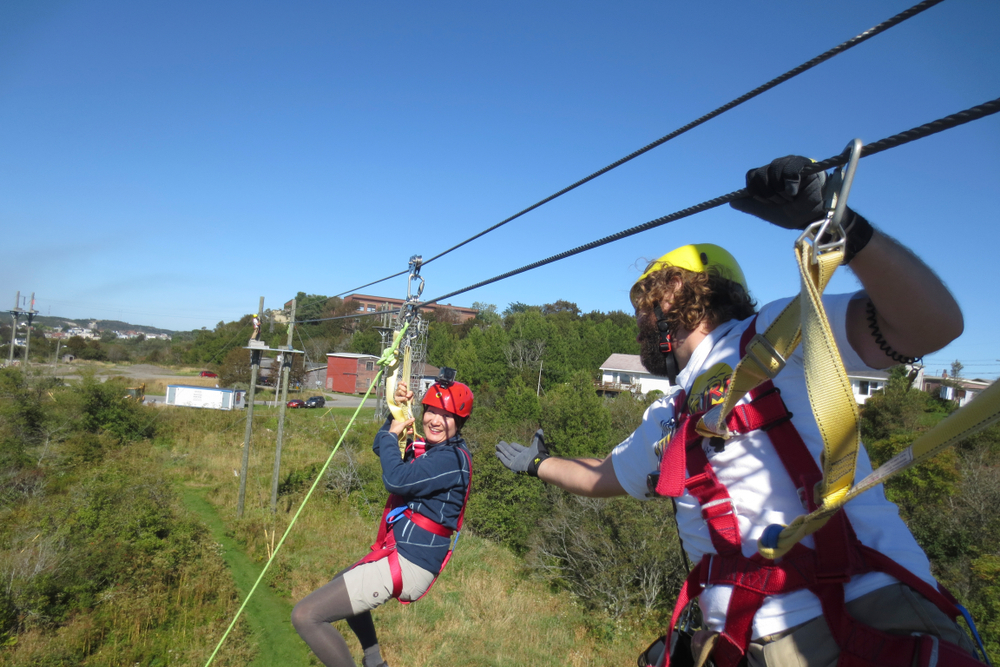
The accident happened on October 30, 2021, at La Jolla Zip Zoom Zipline on the La Jolla Indian Reservation in Pauma Valley, California. Romero was working on the receiving platform when a female customer began moving backward along the zipline as she approached the landing area. Seeing that she was struggling, he attempted to help by grabbing her harness and preventing her from moving farther away from the platform. However, the situation quickly became dangerous as the combined weight of the two people pulled them away from the landing area.
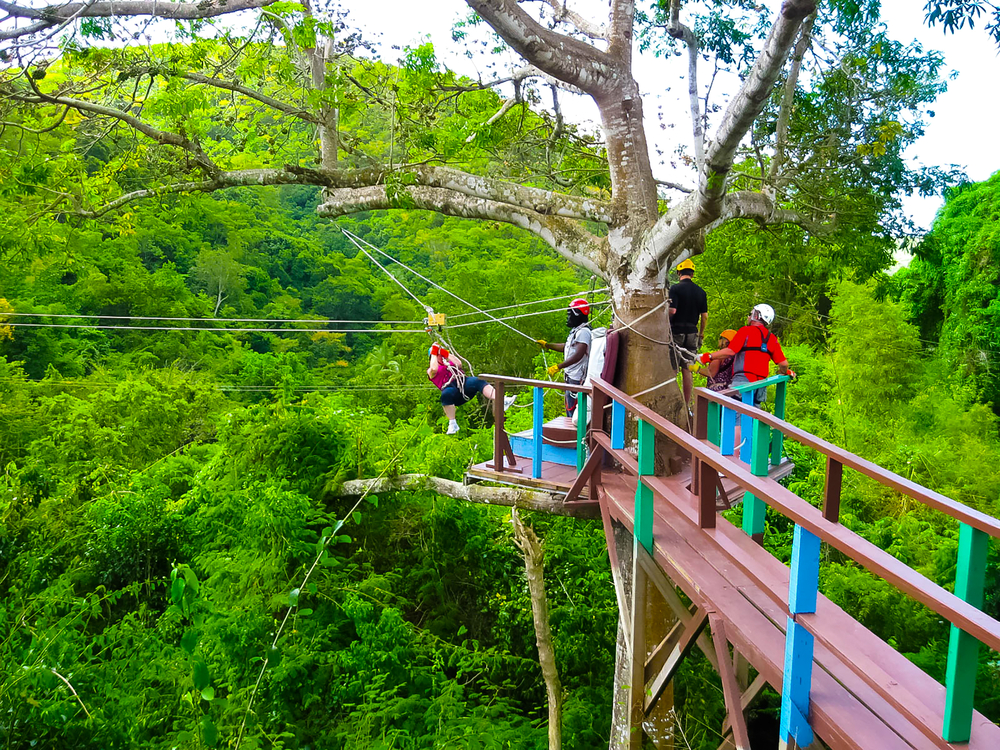
Both Romero and the woman ended up suspended high above the ground. With the canyon floor beneath them, the worker suddenly found himself in an emergency that left very little room for error. Their combined weight placed additional strain on the equipment, and Romero reportedly realized that holding onto the customer could put both lives at risk. The situation had developed within moments, leaving him to make an extremely difficult decision while suspended in midair.
According to the witness account included in the original reporting, Romero eventually released his grip on the woman’s harness. The woman remained attached to the zipline equipment, while Romero fell toward the ground below. His decision allowed her to survive the frightening incident, but he suffered catastrophic injuries from the fall. Emergency responders arrived to assist him, beginning a medical response that would continue after he was transported to hospital.
Joaquin Romero Suffered Fatal Injuries In The Fall
The fall was initially described as approximately 70 feet, although the subsequent federal investigation documented the distance at around 50 feet. That is comparable to the height of a five-story building, making the impact potentially devastating. Romero suffered multiple blunt force injuries when he struck the ground, leaving him in critical condition. Medical personnel transported him by helicopter to Sharp Memorial Hospital in San Diego, where doctors attempted to save his life.
The medical examiner’s report documented the severity of his condition when he arrived at the hospital. It stated, “He arrived pulseless and cardiopulmonary resuscitation was initiated.” Despite the efforts to treat him, Romero had sustained extensive injuries, and his prognosis remained poor. His family eventually made the heartbreaking decision to place him on comfort care measures as his condition continued to deteriorate.
Romero died on November 1, 2021, just two days after the accident. He was 34 years old. The woman involved in the incident survived, although the experience had placed her in an extremely dangerous situation. The difference between their outcomes became one of the most striking aspects of the tragedy, particularly because Romero had initially intervened to help her.
The Zipline Operator Responded To The Employee’s Death
Following the accident, the La Jolla Band of Luiseño Indians expressed its condolences over Romero’s death. The tribe operates the zipline attraction, and its leadership acknowledged the seriousness of the incident while an investigation was underway. Tribal chairwoman Norma Contreras described the situation as a tragic accident involving one of the organization’s employees. The tribe also indicated that it would cooperate with authorities examining the circumstances surrounding the fall.
Contreras said, “We are saddened and heartbroken over the recent tragic accident involving one of our employees at the La Jolla Zip Zoom Zipline.” She also explained that the organization was conducting an investigation alongside federal and state authorities. The response came as questions emerged about what had happened on the landing platform and why Romero had ended up suspended above the canyon with the customer.
The tribe’s statement also asked people to remember Romero and his family during an extremely difficult period. At that stage, investigators were still working to establish the circumstances that led to the accident. The initial witness account focused on Romero’s attempt to help the customer, while the later federal investigation examined the working conditions and safety protections available to employees at the attraction.
OSHA Investigation Uncovered Several Safety Violations
In March 2022, the Occupational Safety and Health Administration released findings from its investigation into Romero’s death. The federal agency determined that the zipline operator had failed to provide several important workplace safety protections. Investigators identified problems involving fall protection, employee training, and the assessment of hazards around elevated work areas. These findings added a significant new dimension to the incident because they raised questions about whether Romero had been adequately protected while carrying out his duties.
The investigation identified four serious safety violations and proposed penalties totaling $24,861. Among the problems identified were:
- Missing guardrails: The operator had failed to provide guardrails around the relevant elevated work area.
- No safety net: Employees lacked the protection of a safety net beneath the work area.
- Missing fall-arrest equipment: The company had not provided an appropriate personal fall arrest system.
- Insufficient employee training: Workers had not received the required training about fall hazards and recognizing workplace dangers.
- Inadequate hazard assessments: Investigators identified failures involving the assessment of potential workplace hazards.
OSHA also determined that the operator had failed to report a work-related hospitalization within the required 24-hour period. This was another concern identified during the investigation. Federal officials argued that the workplace should have had appropriate protections in place before an employee was exposed to such a dangerous situation.
OSHA Area Director Derek Engard criticized the operator’s failure to meet its responsibilities toward employees. He said, “La Jolla Zip Zoom Ziplines failed to meet their obligation to protect their employees.” Engard also stated, “If they had simply provided the proper protective equipment, this senseless tragedy could have been prevented.” His comments placed particular emphasis on the role that workplace safety measures could have played in preventing the fatal outcome.
The Investigation Revealed Another Critical Detail
One of the most significant findings involved the combined weight of Romero and the customer. Federal investigators determined that their combined weight exceeded the load limit for the harness and zipline equipment. When Romero grabbed the woman’s harness, both people were pulled away from the tower, leaving them suspended above the ground. This detail helped explain how an attempt to assist a customer developed into an emergency that put both individuals at risk.
The investigation also raised concerns about the lack of appropriate fall protection for employees working around elevated platforms. Guardrails and personal fall-arrest systems are designed to reduce the danger of workers falling from height. These protections can become especially important when employees are performing tasks around moving equipment or assisting customers who may struggle with their rides. In Romero’s case, investigators found that essential safety measures had not been provided.
The findings changed the way the accident could be understood. Romero’s decision to release the woman’s harness was central to the witness account, but the investigation examined the workplace conditions that existed before the emergency began. The absence of adequate protective equipment and training meant that the worker was exposed to serious risks while performing his job. Those failures became a major part of the federal agency’s conclusions.
Why Fall Protection Is Essential At Zipline Attractions
Zipline attractions involve a combination of elevated platforms, suspended cables, harnesses, braking systems, and landing areas. Customers generally rely on trained employees to help them prepare for their rides and safely complete the experience. Workers may need to assist people who become confused, struggle with equipment, or approach a landing platform incorrectly. These situations can create additional hazards, particularly when employees are working at considerable heights.
Employers have a responsibility to identify workplace hazards and provide appropriate protections. Guardrails can prevent workers from accidentally falling from elevated platforms, while personal fall-arrest systems can help stop a fall if someone loses their footing. Proper training also helps employees recognize dangerous situations and understand how to respond without exposing themselves to unnecessary risks. These protections are particularly important in workplaces where a single mistake can have fatal consequences.
Romero’s accident demonstrated how quickly an ordinary workplace task could develop into an emergency. The employee was attempting to help a customer when both became suspended above the canyon. The federal investigation subsequently found that the operator had failed to provide important safety measures. Those findings raised serious questions about the precautions that should have been available to workers before they were expected to assist customers at height.
A Life Lost During An Attempt To Help Someone Else
The tragedy involving Joaquin Romero remains a particularly difficult case because the worker was attempting to assist another person when he fell. The woman survived after he released his grip on her harness, while Romero suffered injuries that ultimately proved fatal. His final moments became the focus of attention because his decision took place under extreme pressure, with both individuals facing the possibility of falling.
However, the federal investigation established that the circumstances surrounding his death extended beyond that single decision. Investigators identified missing protective equipment, inadequate training, and other workplace safety failures. Their findings highlighted the responsibilities employers have when workers are expected to operate around dangerous equipment and elevated platforms.
Romero was 34 years old when he died. His attempt to help a customer ended with a family losing a loved one and a federal investigation exposing serious safety shortcomings. No employee should have to face an emergency at height without the protective equipment and training needed to return home safely.