
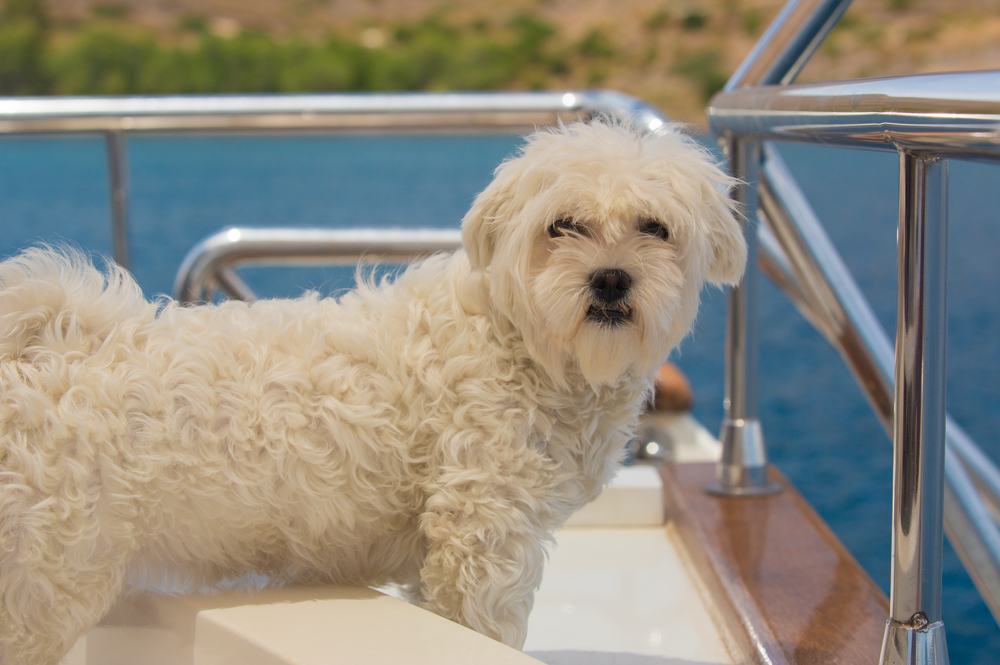
An 86-year-old sailor and his dog have been found alive more than 460 miles off the California coast after disappearing during a dangerous Pacific voyage. For more than two months, nobody knew where Harry Blodgett had gone or whether he and his one-eyed dog, Sasha, were still alive. Their sailboat had suffered serious damage, leaving the pair stranded far from land with dwindling supplies and little chance of reaching safety on their own.
Blodgett had originally set out from Astoria, Oregon, in August 2026, hoping to complete a 5,000-mile journey to American Samoa. What was supposed to be the final adventure on his bucket list turned into a desperate fight for survival. After weeks without contact, an emergency beacon finally revealed the sailboat’s location, setting off a rescue operation that brought the elderly sailor and his beloved companion home alive.
Nobody Had Heard From The Sailor Since August
Harry Blodgett departed from Astoria, Oregon, aboard his sailboat, the Willow Wind, in August 2026. His destination was Pago Pago in American Samoa, with the planned voyage covering approximately 5,000 miles across the Pacific Ocean. He was accompanied by Sasha, his one-eyed dog, who had become his companion for the ambitious adventure. Blodgett reportedly viewed the trip as the final item on his personal bucket list, despite concerns from people who knew him.
Contact with the sailor was eventually lost on August 20. As the weeks passed without any communication, people close to him became increasingly worried about his safety. A neighbor eventually contacted authorities on October 24 after approximately 60 days without hearing from him. By that point, there was considerable uncertainty surrounding his whereabouts, the condition of his boat, and whether he had enough supplies to survive.
The situation was particularly concerning because Blodgett was travelling alone across one of the largest stretches of open water on Earth. His intended route covered thousands of miles, and there were few immediate options for someone stranded so far from shore. With no regular communication from the vessel, authorities needed a reliable way to establish its location before they could organize an effective search.
An Emergency Signal Finally Led Rescuers To The Boat
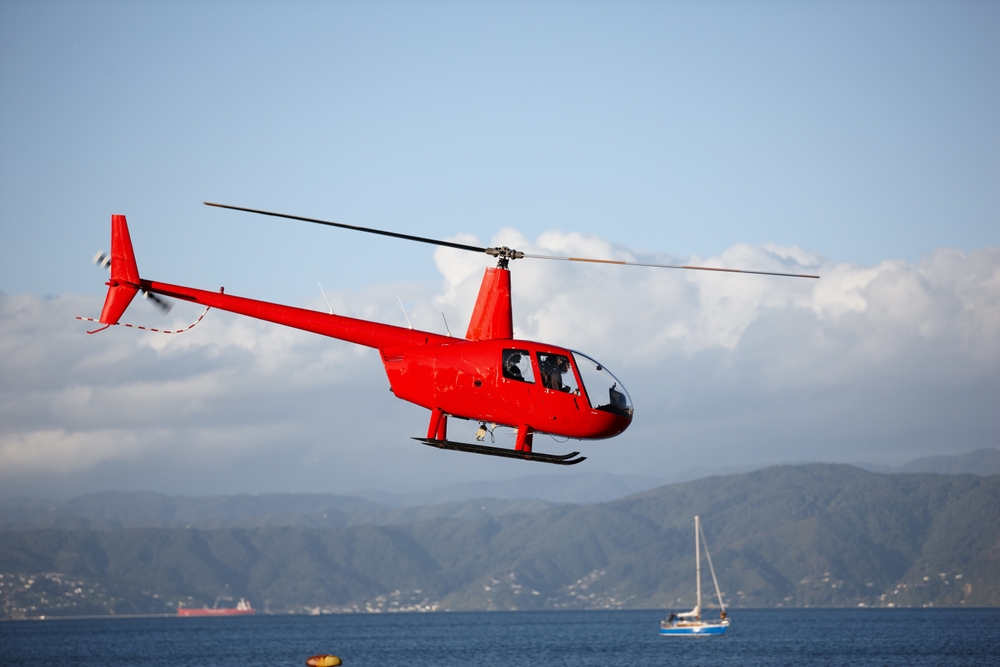
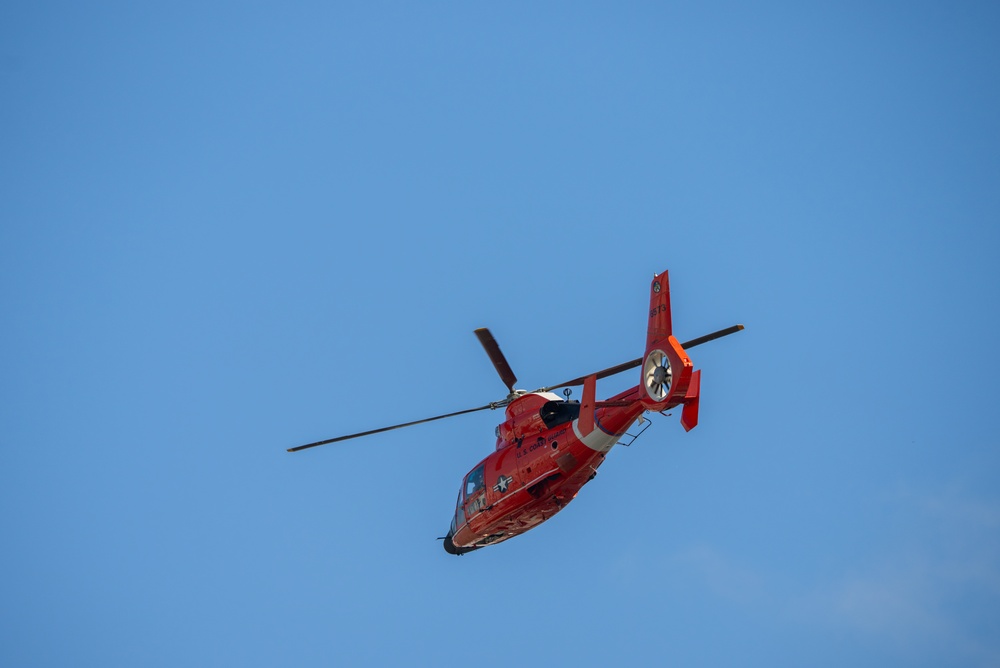
The search took a crucial turn on October 27, when the Coast Guard received an alert from an emergency position-indicating radio beacon registered to the Willow Wind. The signal provided rescuers with a location to investigate and offered the first major breakthrough after weeks of uncertainty. Coast Guard personnel began coordinating aircraft and nearby vessels to locate the disabled sailboat.
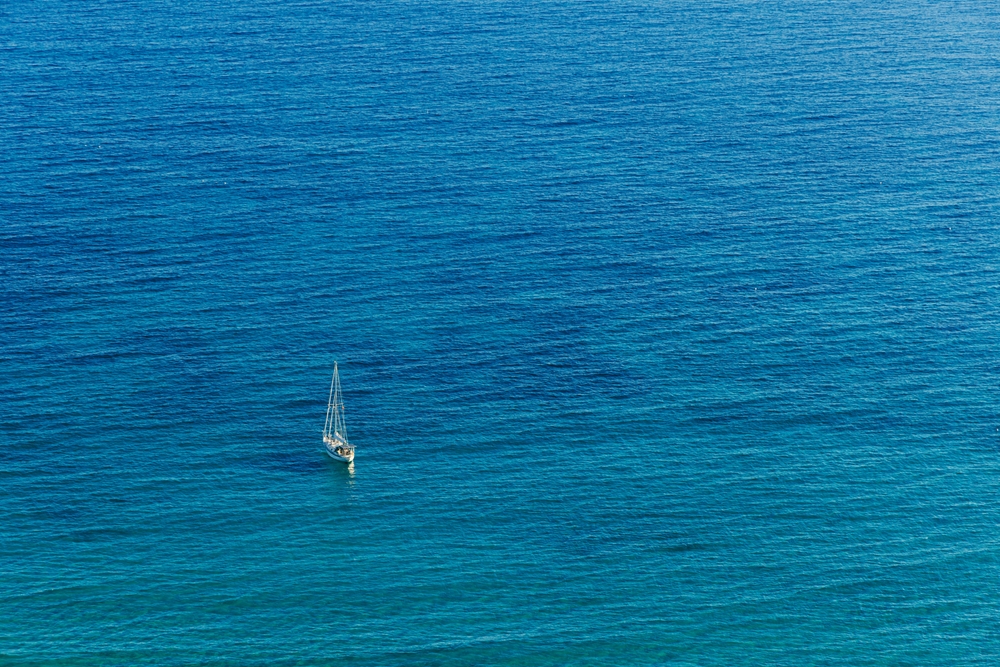
A C-27 Spartan aircraft from Air Station Sacramento eventually spotted the Willow Wind approximately 460 miles off San Diego. The discovery confirmed that Blodgett and Sasha were still alive, although the condition of their vessel presented another serious challenge. Their sailboat had suffered significant damage and was drifting far from the California coastline.
A commercial vessel called the Grand Orion reached the stranded sailboat early on October 28. However, rough sea conditions initially made it too dangerous for the crew to bring Blodgett and Sasha aboard. The rescue operation therefore continued until conditions allowed the transfer to be completed safely. At approximately 5:36 p.m., the pair were finally taken off the damaged vessel.
His Sails Were Gone And His Fuel Was Running Low
The problems aboard the Willow Wind had reportedly started much earlier in the voyage. Blodgett later explained that approximately two weeks after departing, his sails were gone and his fuel supply was running low. Losing essential sailing equipment so far from land left him in an increasingly difficult position, particularly because he had no easy way to reach his intended destination.
Despite the worsening situation, Blodgett initially delayed activating his emergency beacon. His comments after the rescue offered a glimpse into how he viewed the circumstances while stranded at sea. “I wasn’t afraid at all,” he said. “The boat was doing a great job.” His apparent confidence stood in sharp contrast to the serious condition of the vessel and the enormous distance separating him from safety.
The damaged sails meant the boat could no longer continue its planned journey as intended. With fuel supplies also becoming a concern, Blodgett and Sasha were left dependent on the resources already aboard. Their survival would eventually depend on the supplies they had carried, the vessel’s remaining capabilities, and the emergency equipment that ultimately alerted rescuers to their location.
The Sailor Had Faced Warnings Before His Pacific Adventure
Blodgett’s decision to attempt such an ambitious voyage had reportedly raised concerns among friends and neighbors before he departed. Some people questioned whether an 86-year-old man should undertake a journey involving thousands of miles of open ocean, particularly when travelling without another crew member. His determination to complete the bucket-list adventure nevertheless remained strong.
One friend, Randy Enders, reportedly tried to discourage Blodgett from making the journey. He had concerns about the decision to liquidate assets and give up his home to pursue the voyage. Other people also questioned whether Blodgett had sufficient sailing experience for such a demanding crossing. Those warnings took on a different significance after the Willow Wind became stranded so far offshore.
The circumstances also demonstrated how quickly an ambitious personal adventure can become a serious emergency. A journey that begins with careful planning can change dramatically when equipment fails or weather conditions become dangerous. For Blodgett, the loss of his sails and dwindling fuel supply created a situation that required outside assistance, even though he had initially remained confident about his ability to manage.
Freeze-Dried Food And Water Helped Them Survive
One of the most important details to emerge after the rescue concerned the supplies Blodgett had aboard the Willow Wind. He reportedly had freeze-dried meals and a quantity of water available during the ordeal. Those provisions helped him and Sasha remain alive while they were stranded far from the California coast. However, the conditions were far from comfortable, particularly as their time at sea continued.
Blodgett described the water aboard the vessel as “stinky” and indicated that Sasha was not particularly fond of it. The comment offered a small but revealing detail about the difficulties the pair faced during their time offshore. Access to drinkable water is essential during any prolonged emergency, and conditions become especially difficult when a vessel is damaged and resupply is impossible.
Several challenges made their situation increasingly dangerous:
- Limited food supplies: Blodgett relied on freeze-dried meals carried aboard the sailboat.
- Unpleasant drinking water: The available water was reportedly unpleasant, creating another challenge for both the sailor and his dog.
- Damaged sailing equipment: The loss of his sails prevented the vessel from continuing its intended journey.
- Communication difficulties: Authorities went weeks without contact before receiving the emergency beacon signal.
- Distance from land: The sailboat was eventually located approximately 460 miles off San Diego.
The full details of their daily routine during those weeks have not been established. However, surviving for such an extended period aboard a damaged sailboat required careful use of the supplies available. The emergency beacon also became essential because it allowed rescuers to identify where the vessel was drifting and organize assistance.
Coast Guard Officials Warned About The Dangers Of Solo Voyages
The successful rescue also prompted a warning from Coast Guard Cmdr. Jason Nguyen, who described the difficulties involved in locating sailors who encounter trouble far offshore. Searches across the Pacific can involve enormous distances, unpredictable conditions, and limited information about the missing vessel. When someone is travelling alone, there may also be nobody aboard to communicate an emergency or provide rescuers with an accurate location.
Nguyen explained that solo long-distance voyages carry serious risks, particularly when mechanical problems or equipment failures occur far from land. He also pointed out that some sailors who encounter trouble are never found. “There are a good number of people who run into trouble and either we never find out about it or we hear some type of distress and then we don’t find them,” he said.
Blodgett’s rescue demonstrated the importance of carrying functioning emergency communication equipment and ensuring someone ashore knows the intended route. An emergency beacon can provide rescuers with a critical starting point when regular communication is unavailable. In this case, the signal helped turn a prolonged disappearance into a coordinated rescue operation that ultimately brought two lives to safety.
Blodgett Still Wants To Complete His Bucket List Voyage
Perhaps the most surprising part of the ordeal came after Blodgett had been rescued. Despite spending weeks stranded in the Pacific and requiring medical evaluation, he reportedly remained determined to complete the journey that had taken him away from Oregon. His ambition had survived the ordeal, even though his sailboat had not emerged from it in a condition to continue.
Blodgett was taken to Scripps Mercy Hospital for medical evaluation after reaching San Diego. Coast Guard Cmdr. Jason Nguyen described him as looking like an 86-year-old man who had spent almost two months at sea. He appeared somewhat battered but was otherwise in relatively good health considering the circumstances. His survival was an extraordinary outcome given the distance from land and the damage to his vessel.
From his hospital bed, Blodgett shared a message about pursuing personal ambitions: “You shouldn’t give up on your dreams or your goals.” It was a fitting statement from someone who had spent years working toward a final bucket-list adventure. However, the Pacific had delivered a serious warning about the risks involved. Blodgett and Sasha made it home because an emergency signal was received and rescuers were able to reach them before their situation became fatal. The ocean had given them another chance, but any future crossing will demand a far more cautious plan.