
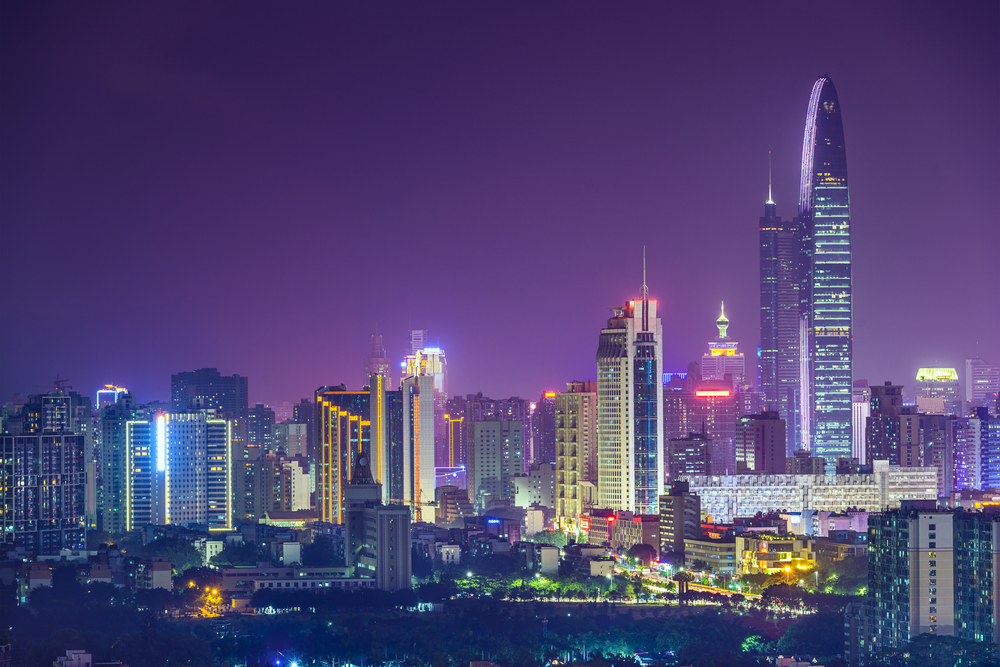
Donald Trump is preparing to visit a Chinese city that looks like something pulled straight from the future. Just 50 years ago, the area was little more than farmland and fishing communities, but today it has become one of the world’s most extraordinary technology hubs, filled with towering skyscrapers, self-driving taxis and drones delivering food through the air. Its transformation has been so dramatic that people who have never visited China are beginning to take notice.
The city is Shenzhen, a place often described as China’s miracle city, and Trump’s planned visit is putting it firmly in the international spotlight. Home to some of the world’s biggest technology companies, it represents the extraordinary speed of China’s economic development and its growing influence over global industries. As the US president prepares to meet Chinese leader Xi Jinping, the futuristic metropolis will offer a remarkable glimpse into the country that has become one of America’s biggest economic competitors.
Donald Trump’s Planned Visit Could Make History
Donald Trump is expected to become the first sitting US president to visit Shenzhen when he arrives in China for an Asia-Pacific Economic Cooperation summit. The planned visit is attracting attention because Shenzhen has become one of the most important centers of China’s technological and economic development. Its location near Hong Kong and its extraordinary collection of technology companies make it an especially significant destination for a gathering of international leaders.
The visit also comes during a sensitive period in relations between Washington and Beijing. The world’s two largest economies continue to compete over access to advanced computer chips, critical raw materials, artificial intelligence and lucrative international markets. A fragile trade understanding has offered some breathing room, although the underlying disagreements remain. Shenzhen provides a particularly striking backdrop to those discussions because several companies based there have become major players in industries central to the competition.
Chinese President Xi Jinping will have an opportunity to showcase a city that reflects decades of economic planning and rapid industrial development. Visitors can encounter advanced electric vehicles, automated transport systems and drone delivery services within the same urban environment. The city’s development also demonstrates how China has attempted to move from traditional manufacturing toward industries involving advanced technology and innovation.
For Trump, the planned visit offers a chance to see a place that has become closely connected to the economic rivalry between the two countries. Shenzhen’s influence stretches far beyond its geographical boundaries, with products and technologies developed there reaching international markets. Its transformation from a relatively modest rural settlement into a global business center is one of the most striking examples of China’s modern economic expansion.
Shenzhen Was Once A Small Rural Fishing Community
The Shenzhen of today would have been almost impossible to recognize 50 years ago. During the 1970s, the area consisted largely of farmland, fishing villages and modest settlements where families struggled to earn enough to live comfortably. Across the water, Hong Kong was already a wealthy international commercial center, creating a sharp contrast with the much less developed communities that would eventually become Shenzhen.
China was also recovering from the enormous disruption of the Cultural Revolution. Its leadership was searching for ways to improve the economy, attract foreign investment and introduce new commercial opportunities. Deng Xiaoping wanted to experiment with economic reforms that could help the country become more prosperous. Shenzhen eventually became one of the locations selected to test those ideas because of its convenient position next to Hong Kong.
The city’s development was also connected to the political and economic influence of Xi Jinping’s father, Xi Zhongxun, who governed Guangdong province. He suggested using several coastal towns to experiment with new economic policies and attract foreign capital. Shenzhen was particularly attractive because its proximity to Hong Kong offered opportunities to learn from an established international business center.
The government introduced incentives to attract skilled workers and entrepreneurs, encouraging people from across China to relocate and build new businesses. Among those who answered the call were the grandparents of university assistant professor Chen Daiyao, who arrived in Shenzhen in 1983. Their initial impression was very different from the image of the modern metropolis that exists today. Chen recalled that her grandparents thought Shenzhen “was pretty shabby” when they first arrived.
The Technology Giants That Transformed The City
Shenzhen’s economic rise was closely connected to the entrepreneurs who established companies there during its early development. Several businesses that began as relatively small ventures eventually grew into internationally recognized corporations. Their success helped establish the city as a major center for telecommunications, electric vehicles, digital services and advanced manufacturing.
Huawei Became A Global Technology Powerhouse
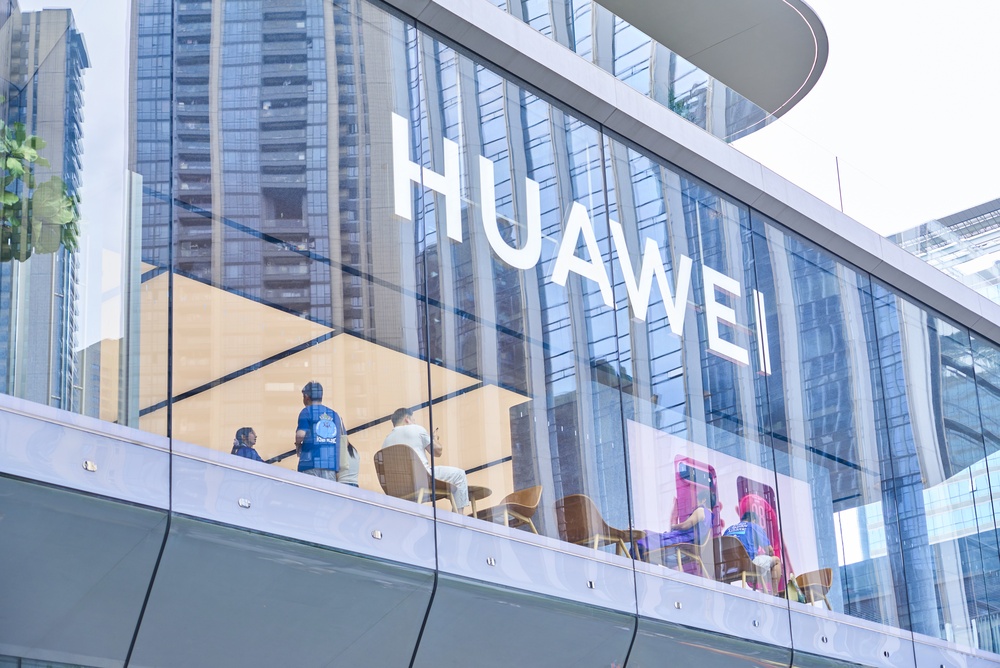
One of the most important companies to emerge from Shenzhen was Huawei, founded in 1987 by former People’s Liberation Army engineer Ren Zhengfei. The company initially focused on telecommunications equipment before expanding into smartphones, networking technology and other advanced products. Over time, Huawei became one of the world’s most influential technology companies, with operations and customers across numerous international markets.
Its rise also placed Shenzhen at the center of growing disagreements between China and the United States. Telecommunications infrastructure and advanced technology have become important areas of competition between the two governments. Huawei’s international influence demonstrates how businesses founded in Shenzhen have helped reshape industries far beyond China.
BYD Helped Change The Electric Vehicle Market
Another major company associated with Shenzhen is BYD, founded by Wang Chuanfu in 1995. Wang previously worked in the battery industry before establishing his own business, initially concentrating on rechargeable batteries. The company eventually expanded into automobile manufacturing and became one of the biggest names in the electric vehicle industry.
BYD overtook Tesla in annual electric vehicle sales in 2025, marking an important moment in the competition between manufacturers. Its growth has helped establish China as a major force in the global electric vehicle market. The company now produces vehicles for several international markets, while its technological development has become closely associated with Shenzhen’s industrial identity.
Tencent And DJI Expanded Shenzhen’s Global Reach
Shenzhen is also home to Tencent, the technology giant behind WeChat, one of China’s most widely used digital platforms. The company has become a major force in online communication, entertainment and digital services. DJI has also established itself as the world’s leading drone manufacturer, producing technology used by consumers and businesses across numerous countries.
These companies illustrate how Shenzhen developed an unusually broad technology economy within a relatively short period. Its businesses now operate across telecommunications, transportation, digital platforms and consumer electronics. Their combined influence has helped turn the city into a major destination for entrepreneurs and international companies seeking access to China’s technology industry.
The Streets Of Shenzhen Look Like Something From The Future
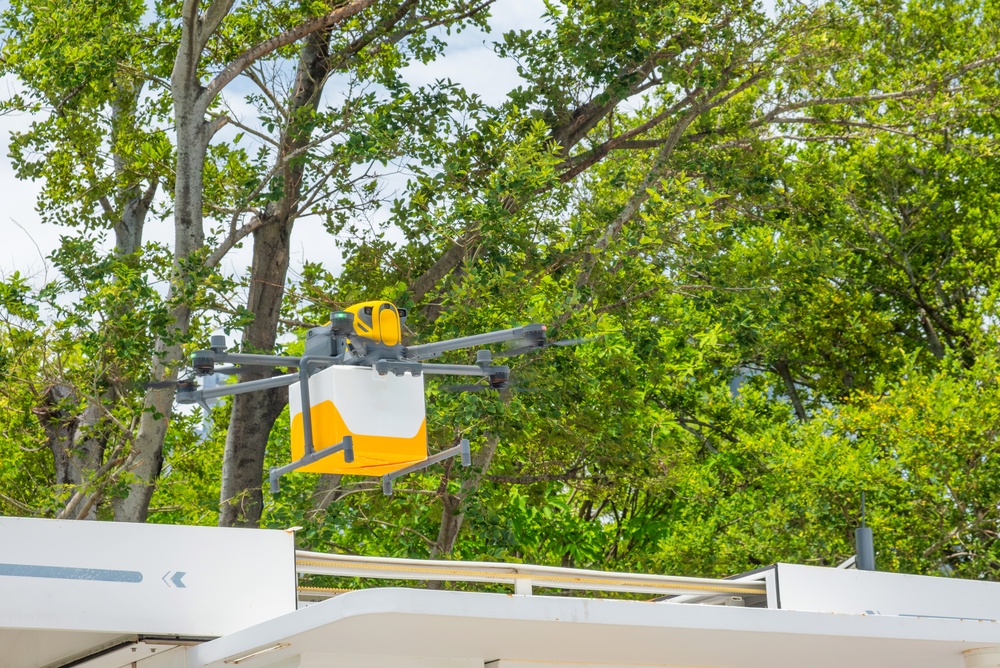
Visitors arriving in Shenzhen quickly notice how much technology has become part of everyday life. Self-driving electric taxis travel along selected roads, while delivery drones transport food and drinks through designated routes. Solar-powered lighting systems and modern public infrastructure add to the futuristic appearance, creating an urban environment that feels very different from many traditional international business centers.
Some of the most noticeable features include:
- Food-delivery drones: Unmanned aircraft transport meals and drinks to designated delivery points.
- Self-driving taxis: Electric autonomous vehicles operate on selected roads throughout the city.
- Advanced metro connections: The expanding public transportation network connects major commercial and residential areas.
- Smart street lighting: Solar-powered lighting technology helps illuminate selected public spaces.
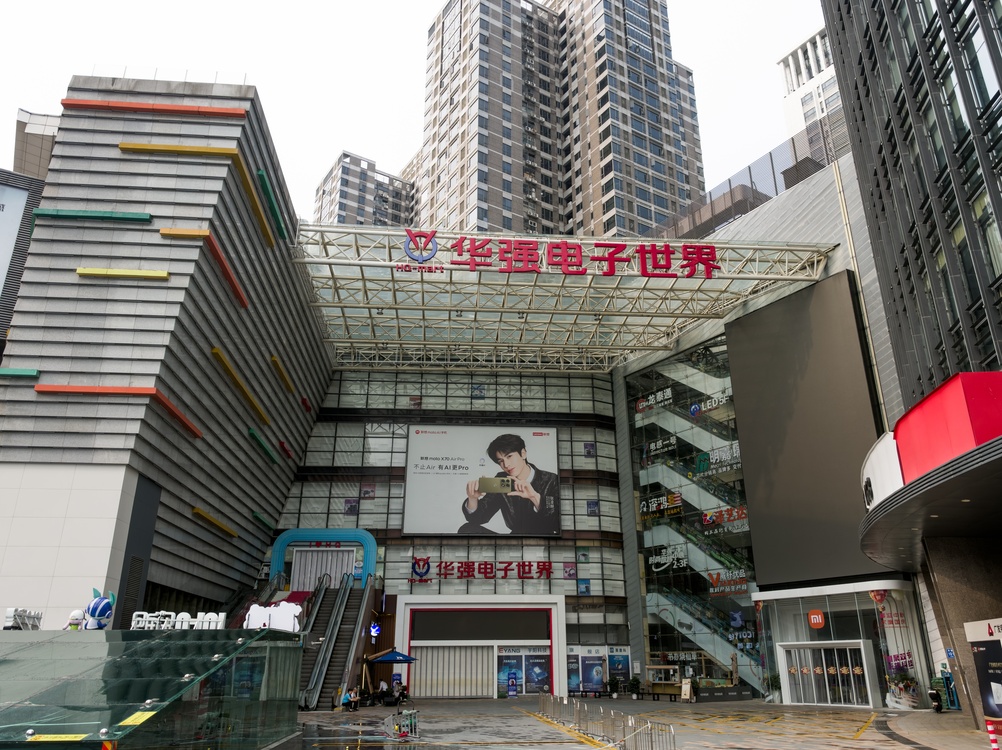
- Huaqiangbei electronics markets: One of the world’s most famous electronics shopping districts offers an enormous range of gadgets and components.
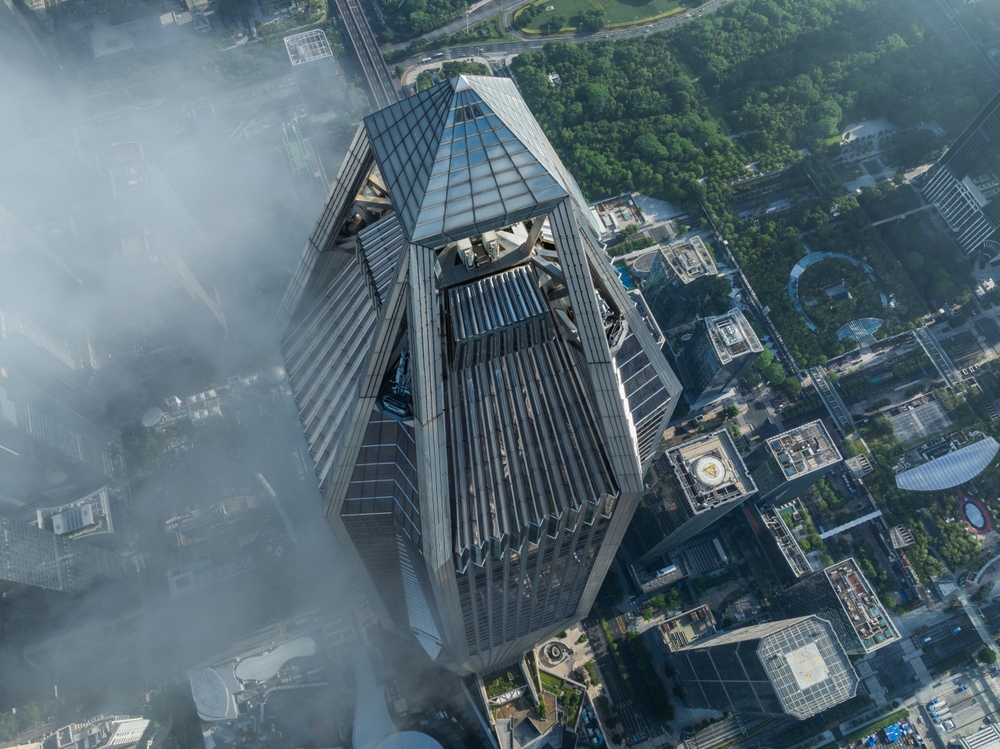
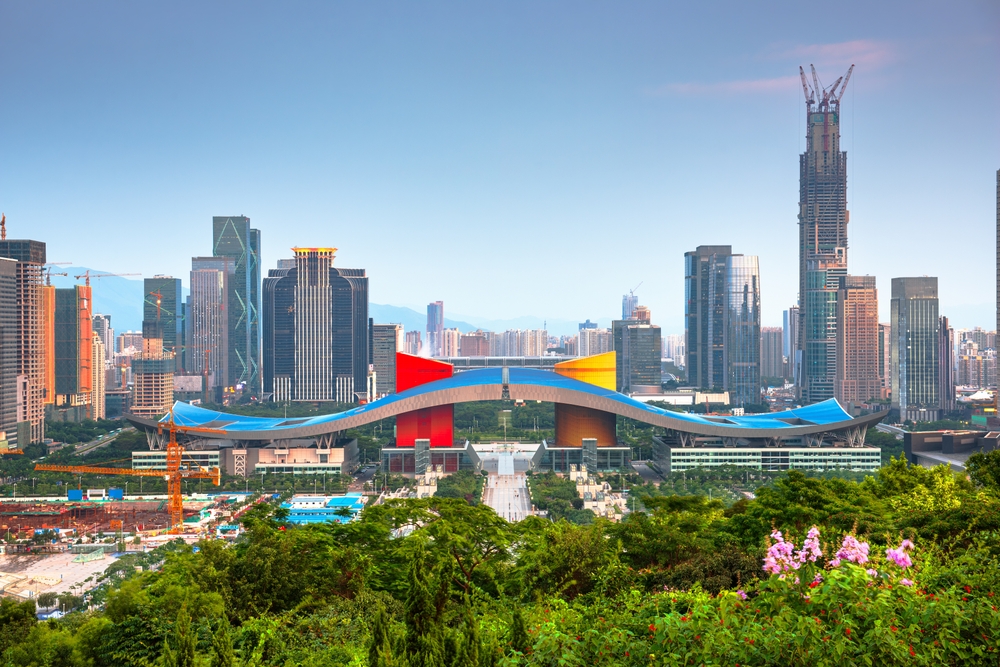
The skyline is another major attraction. Shenzhen has more skyscrapers than New York City and approximately three times as many as Chicago, creating an extraordinary collection of modern architecture. Some buildings resemble bamboo shoots, while others feature unusual shapes inspired by folded metal. The Ping An Finance Centre, the world’s fifth-tallest building, is among the most recognizable structures in the city.
Despite the density of its skyline, Shenzhen also has quieter neighborhoods and carefully designed public spaces. Visitors can move between shopping districts, modern cafes and landscaped parks without experiencing the same atmosphere everywhere. Its combination of advanced infrastructure and everyday urban life has become one of the city’s defining characteristics.
Why Shenzhen Has Become A Major Tourist Destination
Shenzhen’s growing international profile is attracting visitors who want to experience China’s technological development firsthand. More than 2 million foreign tourists stayed overnight in the city during 2025, representing an increase of approximately 70% from the previous year. During 2026, more than 6.6 million foreign visitors traveled there, with many arriving from other Asia-Pacific countries.
The city’s location is another important advantage. Shenzhen is just a short high-speed rail journey from Hong Kong, allowing visitors to travel between the two cities in approximately 14 minutes. More than 10 million visitors from Hong Kong and Macao traveled to Shenzhen during 2025, attracted partly by its shopping, dining and entertainment options. Its relatively affordable prices have also helped make it popular for weekend visits.
Foreign Visitors Are Surprised By Its Atmosphere
Megan Jarrett, an American who lived in Shenzhen for three years beginning in 2023, described the experience as particularly enjoyable. She said, “It is high-tech and modern, it is very convenient, but to me, it was also very friendly.” Her experience reflects an aspect of Shenzhen that visitors may not immediately expect from a city so closely associated with technology and industrial development.
London-based video producer Will McCaskill visited the city in May and was struck by how frequently technology appeared throughout the urban environment. He said, “Everything that could be a screen was a screen or a drone or whatever. [Shenzhen] was very forward in that regard.” However, he was also surprised by how calm some streets felt despite the enormous buildings surrounding them.
McCaskill described the city as clean, well-built and easy to navigate. That combination of modern infrastructure and relatively relaxed street-level environments appears to be part of its appeal. Shenzhen offers visitors the opportunity to experience technology that has already become part of ordinary routines rather than something reserved for exhibitions or experimental projects.
A Young Population Is Driving Shenzhen’s Rapid Growth
Unlike many established international cities, Shenzhen has a relatively young population, with an average age of approximately 32. The city has attracted workers, entrepreneurs and students from across China, many hoping to take advantage of its expanding economy. Its population continues to change as hundreds of thousands of people relocate there each year, creating an environment strongly associated with new opportunities.
For university assistant professor Chen Daiyao, growing up in Shenzhen meant witnessing its transformation firsthand. She explained, “By the time I was in primary school, the city was already urbanizing at a remarkable pace.” Her experience reflects the speed at which new buildings, businesses and transportation networks have appeared throughout the area.
Chen also described the unusual experience of being a native of a city where so many residents originally came from somewhere else. She explained, “Because Shenzhen is such a young city, you get this sense that everything is changing at an incredible pace. The metro system is still expanding nonstop, and the high-speed rail network is constantly being upgraded to run faster.”
She added, “You just feel that things are always moving forward here.” That sense of continuous development has become closely associated with Shenzhen’s identity. The city continues to attract people who want to establish businesses, develop new technologies or build careers in industries that are expanding rapidly.
Shenzhen’s Rise Puts China’s Global Ambitions On Display
The planned presidential visit comes as Shenzhen has become increasingly connected to China’s competition with the United States. Huawei, BYD, Tencent and DJI represent industries that have gained international importance, while the technologies developed by these companies influence telecommunications, transportation and consumer electronics. Their success has also demonstrated how quickly Chinese businesses can become major competitors in markets previously dominated by established international corporations.
The APEC summit provides China with an opportunity to showcase these achievements to international leaders. BYD vehicles have been selected as official transportation for the gathering, while Huawei technology also contributes to their advanced systems. The choice reflects the growing importance of domestic technology companies in China’s economic development and its efforts to strengthen its position in global industries.
However, Shenzhen’s development also raises questions about the relationship between government planning and private enterprise. Its rapid expansion was supported by a centralized political system that could direct resources toward selected economic priorities. Observers have pointed out that development on this scale can be easier to coordinate under a one-party state, although the model also raises questions about how economic decisions are made and implemented.
A city that once struggled to attract investment now produces products and technologies used around the world. Its transformation has happened within a period shorter than the lifetime of many of its current residents. As international leaders prepare to visit, Shenzhen is offering a powerful demonstration of how dramatically a country’s economic landscape can change within a few decades.