
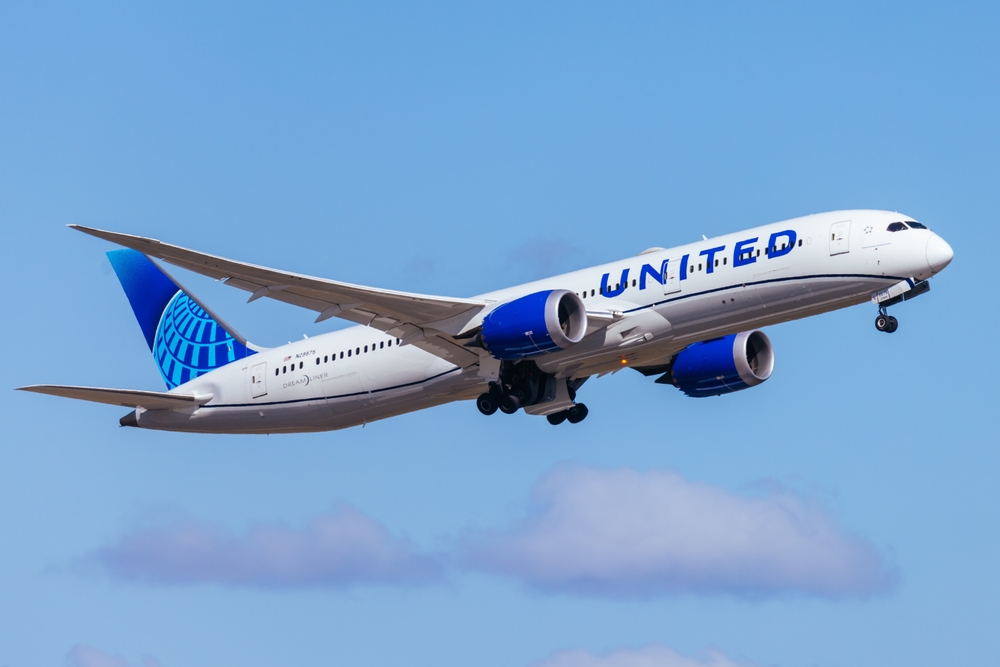
Hundreds of United Airlines flights were delayed after a sudden technology failure disrupted the airline’s operations across the United States. The problem reportedly affected multiple systems used by pilots, including crew communications and essential aircraft information, leaving some departures unable to proceed as scheduled. The disruption lasted around an hour before the airline confirmed that its systems had been restored, but the timing has raised fresh concerns about the reliability of technology supporting America’s aviation industry.
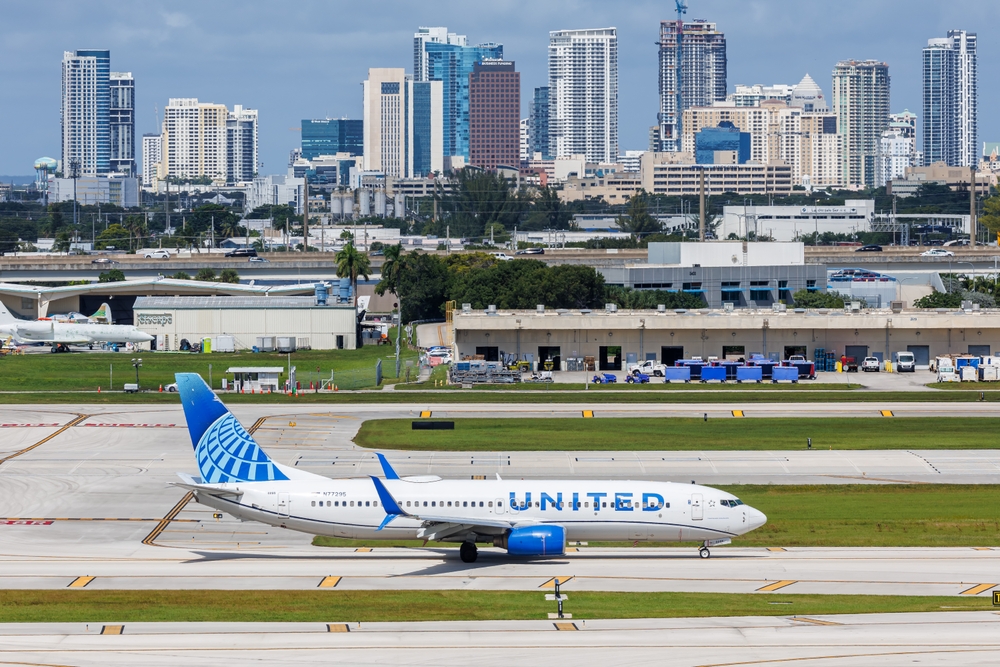
The incident unfolded just days after a separate failure in the Federal Aviation Administration’s telecommunications network triggered a nationwide ground stop, disrupting thousands of flights. Although United’s latest outage was not believed to be connected to the FAA incident, passengers were once again facing delays during an already difficult travel period. Some travelers even reported that their aircraft had returned to the gate after reaching the runway, as the airline worked to restore normal operations.
United Airlines Confirms Technology Failure Has Been Resolved
United Airlines confirmed on Monday, November 16, that it had resolved a technology issue that delayed flight departures for approximately an hour. The disruption ended around 6 p.m. Eastern Time, after a companywide web-based outage affected multiple applications used by pilots and other airline personnel. The problem reportedly prevented crews from accessing certain operational information required before departing airports, creating difficulties even for flights that were otherwise ready to leave.
The airline confirmed that flights already airborne had remained unaffected throughout the incident. Operations involving United Express were also unaffected, while the technology problem primarily disrupted departing flights. United also addressed concerns about the possibility of a cyberattack, stating, “There is no indication that this was a cybersecurity-related issue.” The company did not immediately provide a detailed explanation of what had caused the technical failure or identify every application affected by the outage.
An internal memo circulated by United’s pilots union revealed that the disruption had affected several applications, including systems used for crew communications. The memo also indicated that the airline had been unable to provide final aircraft weights for departing flights. Pilots were instructed to follow guidance from their individual airport stations regarding whether aircraft should remain at their gates. A subsequent communication from the union indicated that systems were gradually returning online, with pilots advised to check updated company communications as normal operations resumed.
Pilots Were Unable To Access Essential Aircraft Information
One of the most concerning details surrounding the outage involved the information pilots need before an aircraft can safely depart. According to the pilots union memo, United had been unable to provide final aircraft weight figures for departing flights. These calculations are essential because pilots must know the aircraft’s weight and balance before completing important pre-departure procedures. Without the required information, crews cannot simply proceed with takeoff preparations as usual, even when passengers are already seated and the aircraft is ready.
Aircraft weight calculations involve several factors that influence how a plane performs during takeoff and throughout its journey. Passenger loads, baggage, cargo and fuel all contribute to the aircraft’s total weight. Their distribution also affects balance, which plays an important role in flight performance. Pilots use this information to establish the appropriate operating figures before departure. When the systems supplying those details become unavailable, the airline must resolve the information gap before affected flights can continue through the normal departure process.
The situation explains why some passengers can experience delays even after boarding and reaching the runway. An aircraft might have its crew, passengers and fuel ready, but the absence of essential operational information can still prevent departure. The pilots union advised members to follow airport station instructions while the issue continued. As United’s systems gradually recovered, pilots received instructions to check updated communications. The incident demonstrated how a problem involving computer applications can affect decisions made throughout an airline’s departure operations.
Transportation Secretary Addresses Concerns About FAA Connection
The timing of United’s outage immediately raised questions about whether it was connected to the nationwide aviation disruption that had affected American airports just days earlier. However, US Transportation Secretary Sean Duffy said the airline’s problem was not an FAA system-wide failure. Speaking during an interview on Fox News’ Hannity, Duffy stated, “This is not an FAA system-wide problem.” He also acknowledged that the precise cause of United’s outage had not yet been established, adding, “I don’t know what the root cause of United is.”
The distinction between the two incidents is significant because the FAA and individual airlines operate separate technology systems. The FAA is responsible for important aspects of national air traffic management, while airlines maintain their own internal systems for coordinating aircraft, pilots and flight operations. Problems involving either side can create serious disruption, although their causes and consequences can differ. There was no indication that United’s Monday outage was connected to Friday’s FAA telecommunications failure.
United’s statement also offered no evidence that the disruption involved malicious activity or a cybersecurity incident. The airline specifically said there was no indication of a cyberattack, although it did not disclose the precise technical cause. The available information therefore left several questions unanswered about which systems failed and why the problem occurred. What was clear was that the disruption affected essential applications used by pilots and temporarily prevented some departures from proceeding as planned.
Friday’s FAA Ground Stop Had Already Disrupted Thousands Of Flights
United’s technology problems arrived during a particularly difficult period for American air travel. On Friday, a failure in the FAA’s telecommunications network triggered a nationwide ground stop that lasted nearly five hours. The shutdown caused widespread disruption across the airline industry and became the longest nationwide ground stop of departing flights since the September 11, 2001 attacks. Airports across the country experienced delays as airlines dealt with the consequences of the interruption.
The effects continued throughout the weekend, even after the FAA-related disruption had ended. More than 18,100 flights scheduled to depart US airports between Friday and Sunday were canceled or had failed to take off within three hours of their scheduled departure times. The figure showed the scale of the travel disruption during that period, although not every affected flight was necessarily connected to the FAA telecommunications failure. Airlines were still working through operational delays as aircraft and crews struggled to return to their scheduled positions.
When an airline experiences a major interruption, the effects can spread beyond the original problem. An aircraft delayed at one airport may arrive late for its next scheduled journey, while crew members can become unavailable for flights they were originally assigned to operate. This can create additional delays across an airline’s network, even after the initial technical problem has been resolved. United was therefore dealing with its own technology failure while the wider industry was still recovering from Friday’s disruption.
Hundreds Of United Flights Were Delayed During The Outage
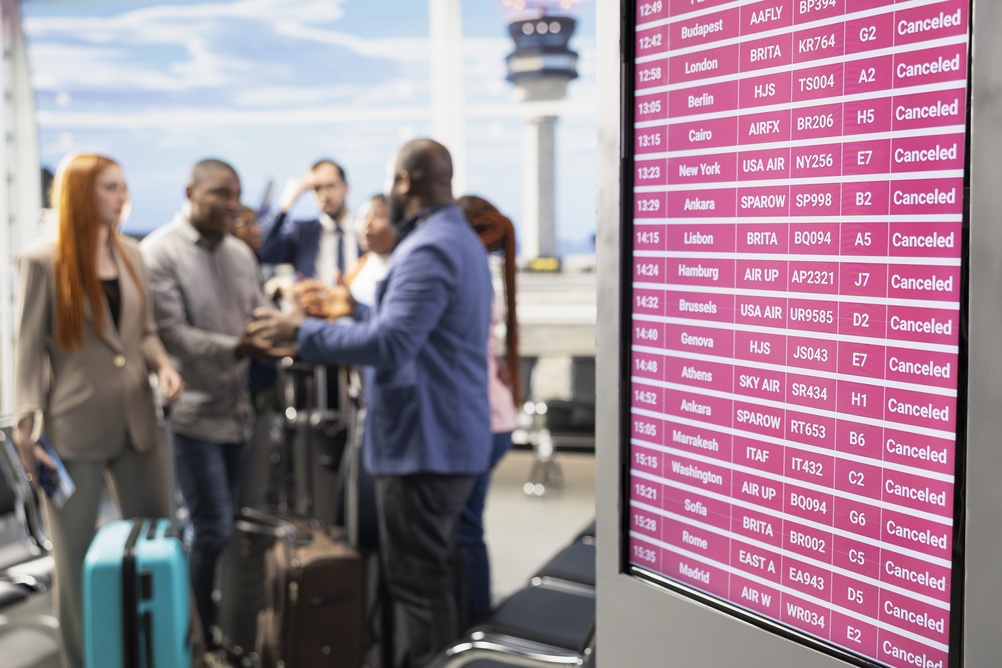
The scale of Monday’s disruption became clearer through flight-tracking figures published during the evening. By 6:50 p.m. Eastern Time, United had delayed 645 flights, representing approximately 20% of its scheduled operations. The airline had also canceled 25 flights during the same reporting period. However, it remained unclear how many of those disruptions were directly caused by the technology failure, given that airlines were still recovering from the previous nationwide ground stop.
Some passengers also reported on social media that their aircraft had returned to the gate after reaching the runway. Such experiences can be particularly frustrating for travelers who believe their departure is finally approaching, only to find themselves back at the terminal. The reports added to the disruption surrounding United’s operations, although the precise circumstances behind each individual flight were not established.
United’s shares also declined 2.5% in after-hours trading on Monday. The movement came as the airline dealt with questions surrounding its technology systems and the operational impact of the outage. While the airline confirmed that the immediate problem had been resolved, the flight figures showed that hundreds of passengers were still facing disruption during an already difficult travel period.

United Has Experienced Similar Technology Problems Before
This was not the first time United had experienced a technology problem serious enough to affect flight departures. In August 2025, the airline temporarily grounded flights after encountering an issue involving its Unimatic system. The system supplies flight information to applications used in aircraft weight and balance calculations, making it an important part of the airline’s departure procedures. However, it was not immediately clear whether Monday’s outage involved the same system.
Another major airline experienced a similar problem in April 2024. Alaska Airlines briefly halted departures nationwide after encountering an issue with its weight-and-balance system. The disruption demonstrated how failures involving specific operational applications can affect departures across an airline’s network. Even when aircraft and crews are available, the absence of required information can prevent flights from moving forward.
These incidents illustrate the extent to which modern aviation depends on reliable computer systems. Airlines use technology to coordinate information that pilots, ground crews and operational teams need throughout the departure process. A failure affecting one important application can create problems for several connected operations. Although the precise cause of United’s latest outage remains unclear, its previous disruption and the Alaska Airlines incident show that technology-related departure interruptions have affected multiple major carriers.
Why Airline Technology Failures Can Ground Ready Aircraft
Passengers often associate flight cancellations and delays with severe weather, mechanical problems or air traffic control restrictions. Technology failures introduce another potential source of disruption because essential flight information is increasingly managed through connected computer systems. When those systems become unavailable, airlines may have to pause certain operations until the necessary information can be accessed and verified.
Several important processes depend on these systems working correctly:
- Aircraft weight calculations: Pilots need accurate weight and balance information before completing required departure procedures.
- Crew communications: Flight crews depend on operational updates and instructions from their airline.
- Flight information: Pilots and ground personnel require accurate details to prepare aircraft for departure.
- Departure coordination: Airport teams and flight crews must have the information needed to complete operational checks.
These processes work together to support routine airline operations. A problem involving one application can affect several other activities, particularly when different teams depend on the same information. That is why airlines have procedures for handling technology failures and why affected flights may remain delayed until the necessary systems become available again.
United’s latest outage lasted approximately an hour, but its effects arrived during a period of wider disruption across American aviation. The airline confirmed that the immediate technical problem had been resolved, although the full extent of its impact on Monday’s flight schedule remained unclear. For passengers, the experience offered another example of how quickly a routine journey can be disrupted by a failure happening far beyond the airport terminal.
An aircraft can be fueled, passengers can be seated and pilots can be ready to fly. But without the information required to complete essential safety procedures, the departure cannot move forward. That is the reality airlines must prepare for as their operations become increasingly dependent on technology.