
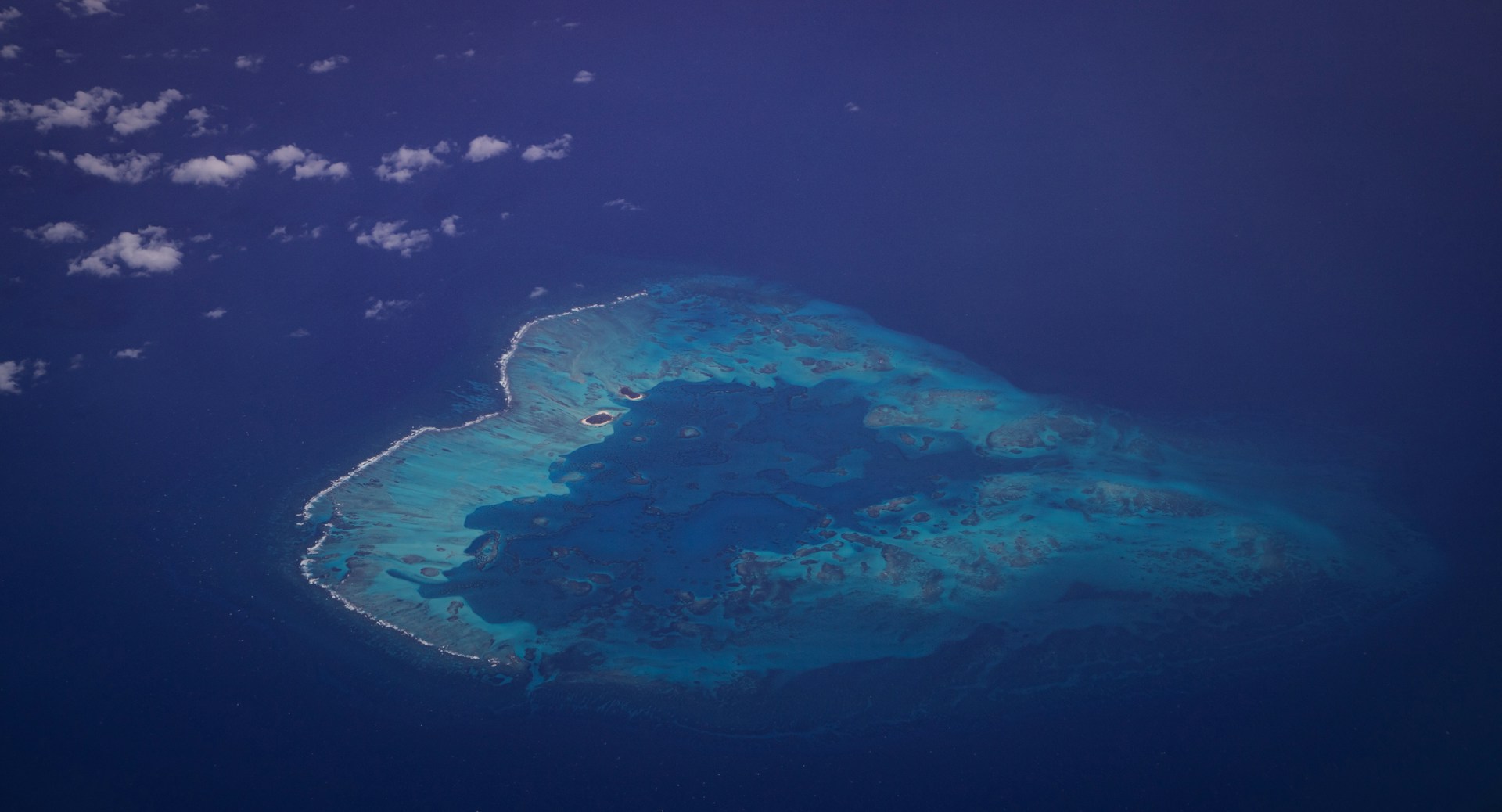
Imagine diving beneath the Pacific Ocean and discovering reefs where sharks still dominate the waters, sea turtles continue to nest along isolated beaches, and seabirds gather across untouched-looking islands. Such ecosystems are becoming increasingly difficult to find as coral reefs worldwide face mounting pressure from pollution, rising ocean temperatures, overfishing, and habitat destruction. Yet thousands of miles from major population centers, two remote Pacific atolls have revealed a remarkable picture of marine life that has largely disappeared from many other locations.
Bikar and Bokak, two isolated coral atolls in the Marshall Islands, have become the focus of a major scientific investigation after researchers documented thriving reef fish populations, extensive seabird colonies, active turtle nesting grounds, and surprisingly diverse deep-sea communities. Their findings, published in Frontiers in Marine Science, offer a rare opportunity to examine relatively intact marine ecosystems. The discoveries have also strengthened the case for protecting these extraordinary locations, which were declared the first national marine sanctuary in the Marshall Islands last year.
Scientists Discover Two Remarkably Intact Pacific Ecosystems
A research expedition conducted in 2023 gave scientists an unusually detailed understanding of the wildlife and underwater environments surrounding Bikar and Bokak. The researchers examined the ecosystems from the islands themselves to the deeper ocean, documenting species and habitats that remain poorly understood across much of the central Pacific. Their observations revealed extensive coral habitats, large marine predators, active turtle nesting areas, and diverse communities of fish living at different depths.
Marine ecologist Alan Friedlander from the University of Hawai’i explained the importance of protecting the locations. “Bikar and Bokak are not just treasures for the Marshall Islands but for the entire planet, a gift from the community of Utirik Atoll, which has traditionally and vigilantly safeguarded these fragile ecosystems for decades,” he said. His comments also recognize the traditional stewardship of the Utirik Atoll community, whose long-standing protection of these fragile environments helped preserve their ecological value.
The findings provided scientific support for the atolls’ protected status, giving researchers an opportunity to study marine environments that have experienced comparatively little direct pressure from nearby human settlements. The expedition also demonstrated how much biodiversity can remain hidden in remote oceanic locations, particularly when scientists examine habitats beyond the shallow reefs usually visited during conventional surveys.
Their Extreme Isolation Has Helped Preserve Marine Wildlife
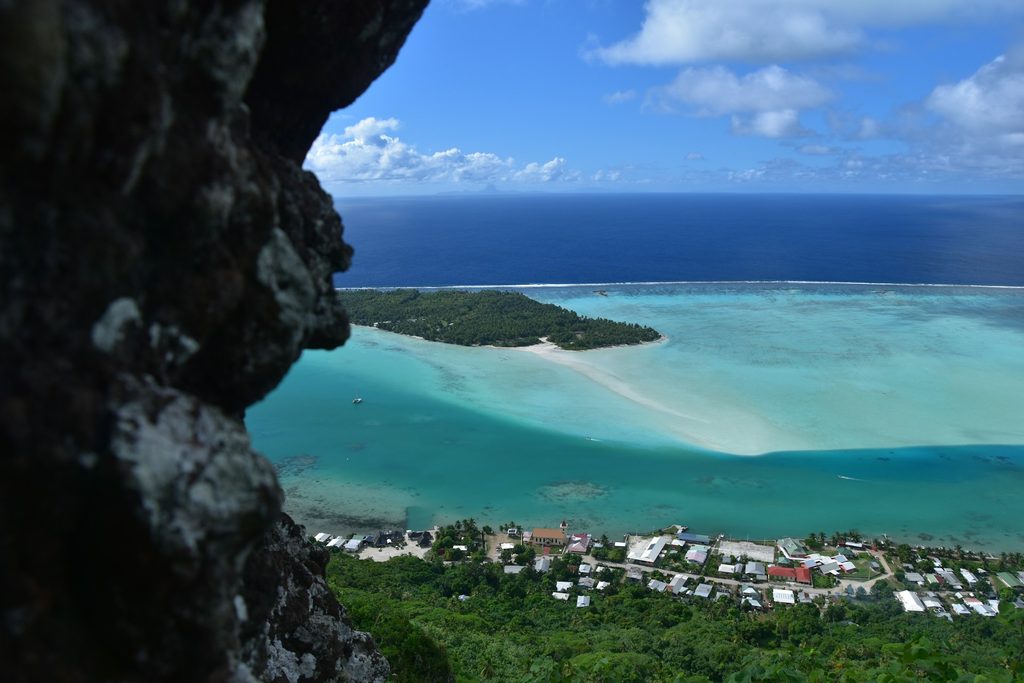
Bikar and Bokak are unusually remote, even by Pacific island standards. Bikar sits more than 100 kilometers (62 miles) from the nearest inhabited atoll, while Bokak lies almost 400 kilometers from human settlements. Their distance from populated areas has limited several forms of direct human interference, helping preserve wildlife populations and habitats that have become increasingly vulnerable elsewhere.
Coral atolls support interconnected environments where marine animals, seabirds, native vegetation, and coastal habitats depend on one another. Fish and sharks occupy the surrounding reefs, while seabirds use the islands for nesting and feeding. Sea turtles also depend on suitable beaches to reproduce, making these isolated locations valuable across multiple stages of marine and terrestrial life.
The researchers described the expedition as one of the most comprehensive ecosystem assessments conducted for remote central Pacific atolls. By combining observations from land, shallow reefs, and deep-sea environments, they gained a broader understanding of how these different habitats function together. The results provide an important scientific reference for examining marine ecosystems that have experienced more extensive human disturbance.
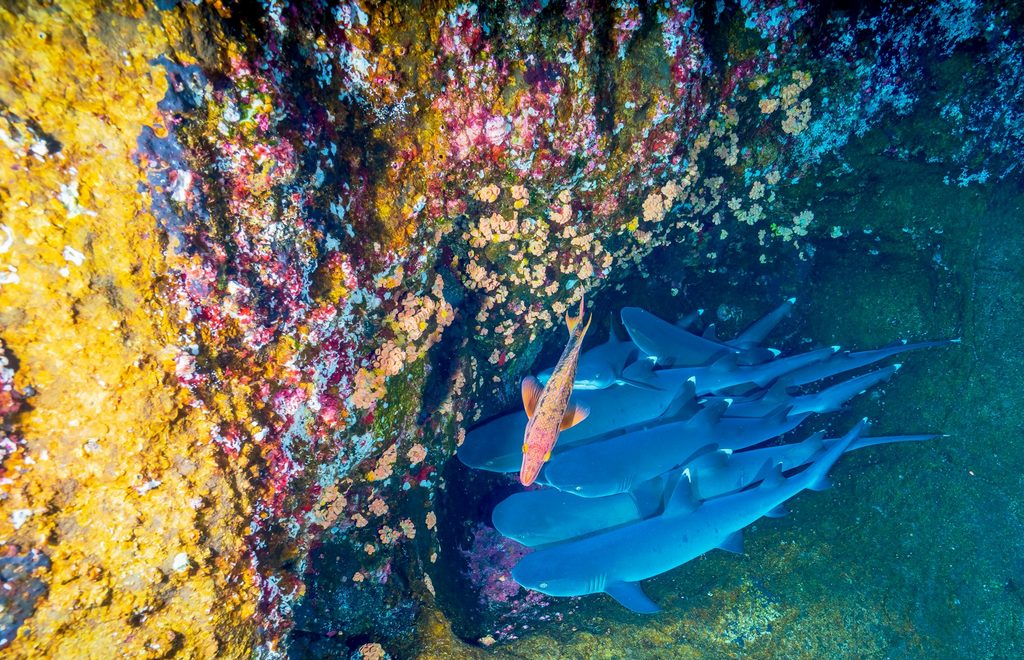
One of the most striking findings involved the abundance of sharks around the two atolls. Researchers documented 266 reef fish taxa belonging to 38 families, with Bokak supporting greater overall fish biomass than Bikar. Sharks were particularly prominent, representing the largest individual component of fore-reef biomass at both locations.
The recorded figures were impressive, with sharks accounting for 26.8% of fore-reef biomass at Bikar and 33.9% at Bokak. Fish biomass measures the combined mass of fish within a particular area, helping researchers understand the overall quantity of marine life supported by an ecosystem. These numbers demonstrate how significant large predators remain within the food webs surrounding the atolls.
The findings are particularly valuable because large predatory fish have declined in many marine environments affected by fishing pressure and habitat degradation. Sharks influence marine food webs through their relationships with prey populations and other predators. Their continued presence around Bikar and Bokak gives scientists an opportunity to study reef ecosystems where these important animals still represent a substantial part of the fish community.
Deep-Sea Exploration Reveals More Hidden Marine Life
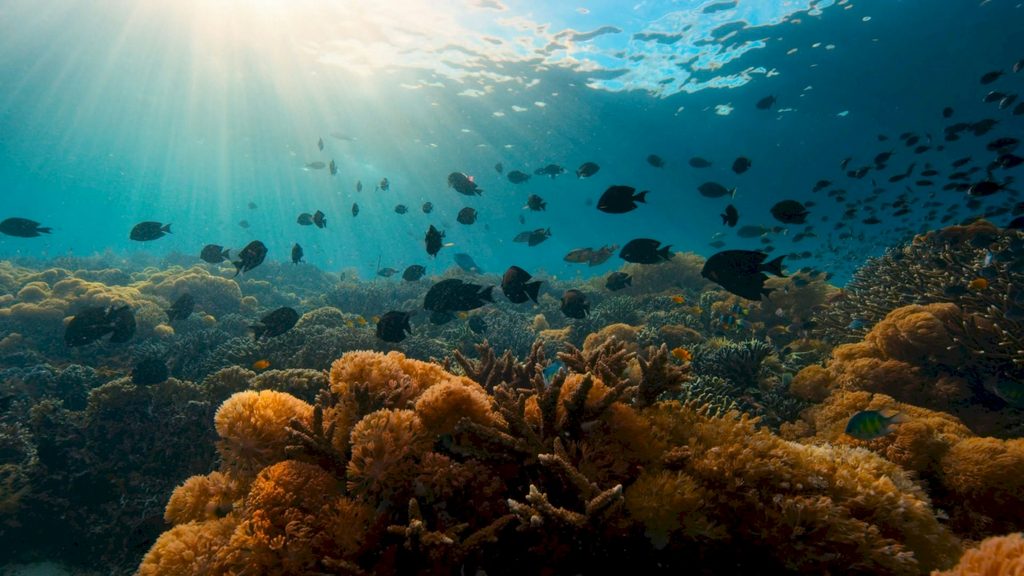
The expedition also uncovered remarkable biodiversity beneath the shallow coral reefs. Using submersibles, researchers investigated underwater habitats reaching depths of 275 meters and documented 138 fish taxa living in deeper waters. Fourteen of these groups appeared to represent previously unreported records for the Marshall Islands, expanding scientific knowledge of the region’s marine biodiversity.
Deep-sea cameras recorded another 79 groups of fish living at even greater depths. These observations suggest that the ecosystems surrounding the atolls contain far more marine diversity than can be seen during ordinary reef surveys. Many deep-sea communities remain poorly understood because exploring these environments requires specialized equipment and considerable research resources.
Mesophotic habitats were another important feature of the investigation. These underwater environments receive considerably less sunlight than shallow reefs and support distinctive marine communities. Their complex structures can provide habitat for different fish and other organisms, making them valuable parts of the wider reef ecosystem. The discoveries demonstrate why marine protection needs to account for deeper underwater environments as well as the coral reefs visible near the surface.
Sea Turtles And Seabirds Continue To Use The Islands
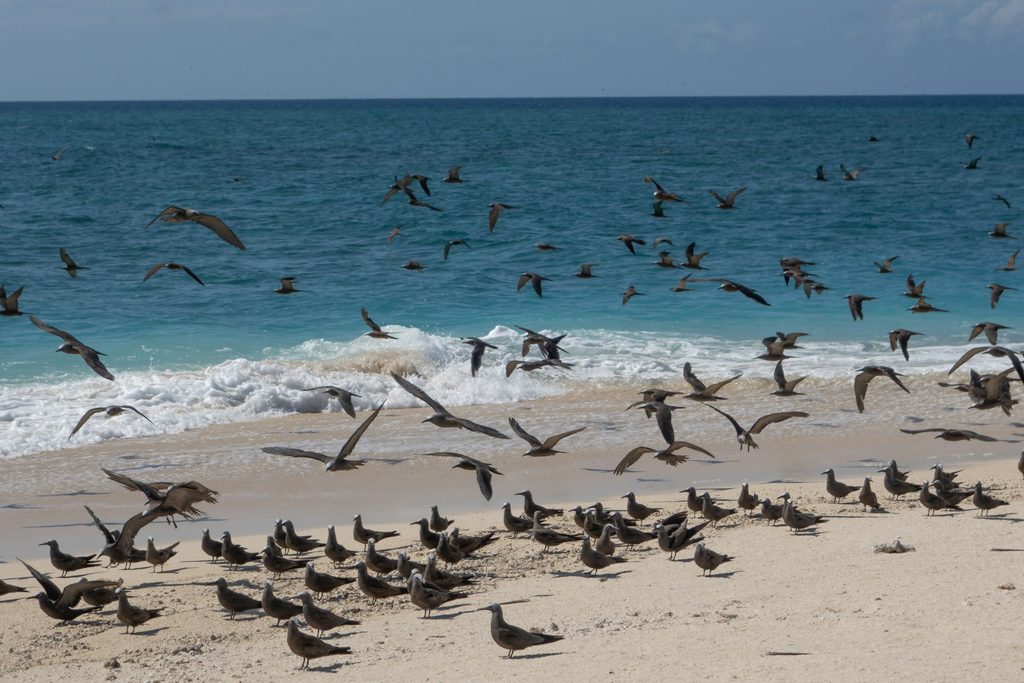
The researchers also recorded extensive wildlife activity across the islands, including 17 seabird species and significant evidence of sea turtle nesting. Their surveys documented 71 turtle crawls and 132 turtle nest pits, with most observations concentrated around Bikar. These findings indicate that the beaches continue to provide important reproductive habitat for marine turtles.
Turtle crawls are the tracks females leave behind as they move across beaches to find suitable nesting locations. After selecting a site, females dig into the sand and deposit their eggs before returning to the ocean. The resulting nest pits provide researchers with useful evidence of nesting activity and help identify important coastal habitats.
Seabirds were another major part of the ecosystem, with colonies recorded across the two atolls. These birds can transport nutrients from marine feeding areas onto islands through their nesting activities, contributing to ecological processes that connect ocean and land environments. Combined with the turtle observations and marine wildlife records, their presence shows how much biodiversity these remote locations continue to support.
Researchers Warn That The Atolls Are Not Completely Untouched
Despite the impressive discoveries, scientists were careful not to describe Bikar and Bokak as completely pristine. Both atolls contained populations of introduced Polynesian rats (Rattus exulans) during the 2023 surveys. These rodents can threaten island wildlife by eating eggs and young animals, potentially affecting seabird populations that depend on safe nesting locations.
The wider ocean also presents serious challenges that geographical isolation cannot prevent. Rising water temperatures, coral bleaching, and ocean acidification affect marine environments across the planet, including locations far removed from major cities and industrial activity. These pressures can damage coral habitats and disrupt the ecological relationships that allow marine communities to function.
The researchers specifically explained their terminology in the published study. “We use ‘relatively intact’ as a comparative description rather than as an assumption that remote reefs represent pristine or historically undisturbed states,” they wrote. They also noted that remoteness cannot eliminate historical disturbances, introduced species, or global human influences. This distinction is important because conservation decisions must reflect the actual condition of an ecosystem rather than assumptions based on its location.
Bikini Atoll Reveals A Disturbing Contrast With The Discoveries
Perhaps the most sobering moment of the expedition came when researchers visited Bikini Atoll shortly after completing their work at Bokak. Bikini has a devastating history involving nuclear weapons testing conducted by the United States during the mid-20th century. The explosions destroyed islands and left radioactive contamination that continues to prevent the atoll from being inhabited.
An expedition member described the atmosphere during the visit in a field diary, explaining that the underwater environment looked very different from the relatively healthy reefs observed earlier. The account described some fish and isolated patches of living coral, alongside extensive areas of pulverized, dead reef with little visible marine life. The contrast provided a stark illustration of the lasting environmental consequences of nuclear testing.
The diary described the experience directly: “Overall the feeling is somber here. Things just feel a bit off. The first dives found some fish and a few spots with live coral, but also a lot of pulverized, dead reef with not much living on it.” The observations offered a powerful comparison between two Pacific environments.
Sources:
Friedlander, A. M., Ballesteros, E., Goodell, W., Greene, B., Jenkinson, R., McInnis, A. J. K., Mayorga, J., Ishiguro, K., Thompson, C. D. H., Timmers, M., Wakefield, B., Yamamura, B., Zebedy, B., & Sala, E. (2026). From the sky to the deep sea: ecosystem structure and ecological integrity across the National Marine Sanctuaries of Bikar and Bokak, Marshall Islands. Frontiers in Marine Science, 13, 1957660. https://doi.org/10.3389/fmars.2026.1957660
Friedlander, A. M., Ballesteros, E., Goodell, W., Greene, B., Jenkinson, R., McInnis, A. J. K., Mayorga, J., Ishiguro, K., Thompson, C. D. H., Timmers, M., Wakefield, B., Yamamura, B., Zebedy, B., & Sala, E. (2026b). From the sky to the deep sea: ecosystem structure and ecological integrity across the National Marine Sanctuaries of Bikar and Bokak, Marshall Islands. Frontiers in Marine Science, 13, 1957660. https://doi.org/10.3389/fmars.2026.1957660