
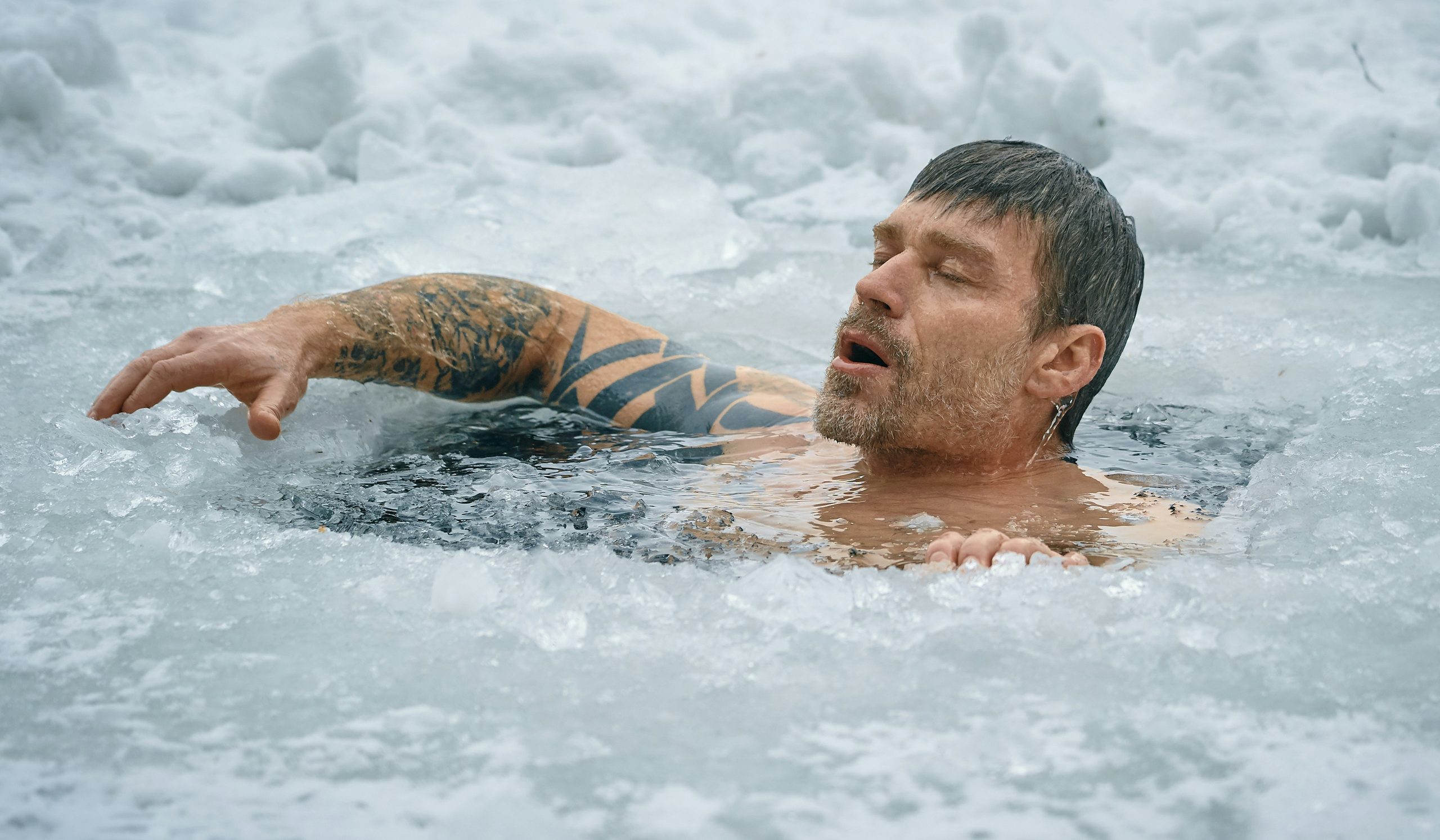
Ice baths have become one of the most popular recovery rituals in modern fitness, with professional athletes and everyday gym-goers willingly plunging into freezing water after demanding workouts. The practice is widely associated with reduced soreness, faster muscle repair and improved athletic performance. But new research has raised uncomfortable questions about whether this freezing recovery trend actually delivers the benefits people expect. Researchers comparing cold-water immersion with heat-based recovery methods found that ice baths offered no significant advantage in restoring muscle strength, while certain biological markers showed more favorable changes following heat exposure.
The findings could change how athletes and fitness enthusiasts approach post-workout recovery. Although cold-water immersion has developed a powerful reputation in sports, the body’s response to exercise is considerably more complicated than simply reducing inflammation or cooling down tired muscles. The research suggests that some of the biological processes associated with muscle repair may respond differently to heat and cold, challenging the assumption that freezing temperatures are always beneficial after intense exercise.
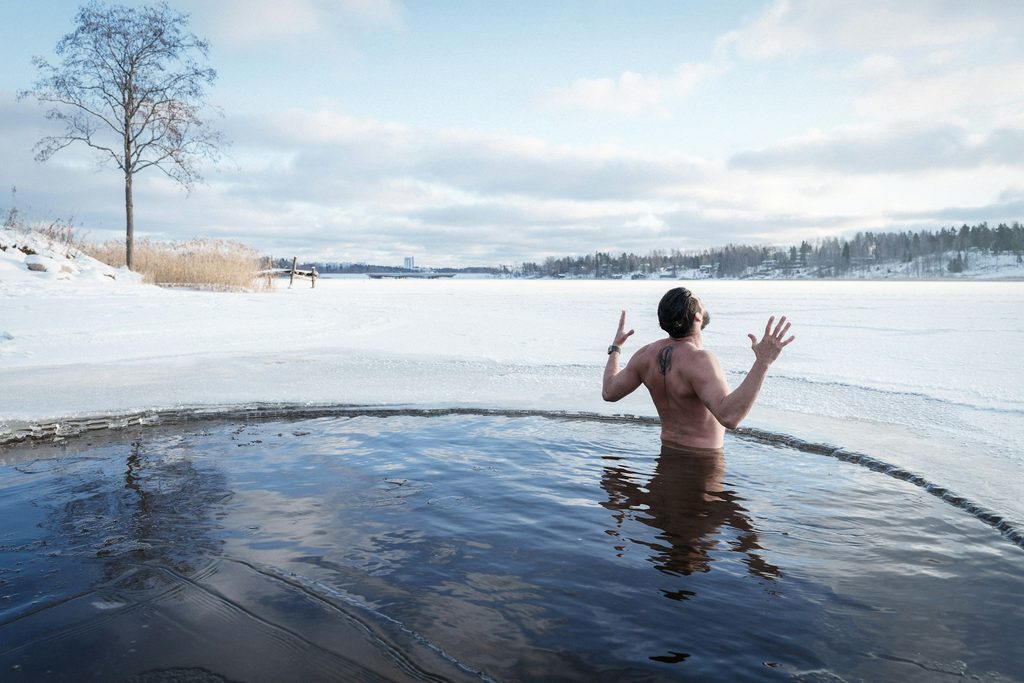
Researchers Compared Ice Baths Against Three Recovery Methods
Researchers recruited 40 healthy, physically active adults to investigate how different recovery treatments affected the body’s response to exercise-induced muscle damage. Participants completed a controlled exercise routine targeting their quadriceps, the large muscles located at the front of their thighs. The exercise involved repeated movements designed to create temporary muscle damage and soreness, allowing researchers to monitor how the body responded to different recovery strategies over the following 72 hours.
Participants were randomly divided into four groups, each receiving a different recovery treatment immediately after exercising. One group underwent cold-water immersion at approximately 10°C, while another entered hot water heated to 42°C. A third group experienced hot-air exposure, and the final group simply sat quietly for 30 minutes without receiving any thermal treatment. Researchers then measured muscle strength, soreness, pain and several biological markers associated with inflammation and cellular stress.
The four recovery methods provided researchers with an opportunity to examine whether changing body temperature could influence the complicated repair processes occurring inside damaged muscle tissue. Rather than relying entirely on how participants felt after exercising, the team also investigated biological changes that could reveal what was happening beneath the surface.

Ice Baths Failed To Deliver Faster Muscle Recovery
All participants experienced the expected consequences of strenuous exercise, including reduced muscle strength and increased soreness. However, researchers found no statistically significant differences in strength recovery between the four groups throughout the 72-hour monitoring period. Participants who entered freezing water did not regain their muscle strength significantly faster than those who received heat treatments or simply rested after exercising.
The numerical results also raised questions about the benefits of cold exposure. By the final assessment, participants receiving hot-water immersion, hot-air exposure and passive recovery had regained approximately 88% to 89% of their original strength. The cold-water group reached approximately 82%. However, these differences were not statistically significant, meaning researchers could not establish that one treatment produced superior strength recovery.
The findings challenge the widespread belief that ice baths automatically help muscles recover faster after demanding physical activity. Although cold exposure remains popular among professional athletes, the study found no clear advantage when measuring the return of muscle strength. This suggests that people who regularly endure freezing temperatures after workouts may be relying on a recovery strategy that offers fewer measurable benefits than they expect.
Heat Exposure Produced Different Biological Responses
The most interesting findings emerged when researchers examined the biological markers associated with cellular protection and muscle repair. Although muscle strength recovery was relatively similar across the four groups, their bodies displayed different physiological responses. Participants receiving heat-based treatments showed more favorable changes in several markers associated with muscle damage, inflammation and cellular stress.
One substance attracted particular attention: heat shock protein 72, commonly known as HSP72. This protein plays an important role in helping cells respond to stressful conditions. It supports cellular maintenance and protection when tissues experience physical strain. Researchers found that heat-based recovery methods produced greater increases in HSP72 compared with cold-water immersion.
The study also examined creatine kinase-MM, commonly known as CK-MM. This substance is used as a biological marker when investigating muscle damage because its levels can rise following strenuous exercise. Researchers observed that CK-MM returned towards baseline more quickly in the hot-water immersion group. The hot-air and passive-recovery groups also showed a return towards baseline within the monitoring period, while levels remained elevated in the cold-water group after 72 hours.
Why Heat Shock Proteins Matter
HSP72 belongs to a family of proteins that help protect cells during periods of physiological stress. When muscles experience strenuous exercise, these proteins can help maintain cellular structures and support processes involved in recovery and adaptation. Their activity has attracted considerable scientific interest because exercise itself places considerable demands on muscle tissue.
The higher HSP72 response following heat exposure suggests that temperature-based recovery treatments can influence cellular activity in different ways. However, researchers have not established that increased HSP72 automatically translates into faster strength recovery or better athletic performance. The biological findings offer an interesting explanation for how heat exposure might affect muscle repair, but further research is needed to establish the practical benefits.
Why Your Muscles Need Inflammation After Exercise
Intense or unfamiliar exercise can cause temporary damage to muscle fibers, particularly during movements where muscles lengthen while producing force. These movements are known as eccentric exercises and are common during activities such as downhill running, descending stairs and lowering weights during resistance training. The resulting muscle damage can leave people experiencing soreness, weakness and discomfort for several days.
When this happens, the body activates an inflammatory repair response. Immune cells move into affected muscle tissue to help clear damaged cellular material and support regeneration. Other signaling molecules coordinate the repair process, helping the body respond to physical stress and prepare muscles for future activity. Some of these molecules can also increase the sensitivity of pain receptors, contributing to the soreness people experience after demanding workouts.
This explains why delayed-onset muscle soreness, commonly called DOMS, can become noticeable several hours after exercise and continue for up to 72 hours. Inflammation plays an important role in the body’s natural repair process, helping damaged tissues recover and adapt. Researchers wanted to understand whether exposing the body to extreme temperatures could influence these responses, and their findings suggest that heat and cold may affect different biological pathways.
Why Ice Baths Became So Popular Among Athletes
Ice baths have developed a powerful reputation across professional sports, with athletes from different disciplines regularly using cold-water immersion after demanding training sessions and competitions. The appeal partly comes from the immediate physical sensation. Cold water can temporarily numb the body and influence how soreness feels, creating a sensation that some people interpret as improved recovery.
Sports teams and training facilities have incorporated cold-water immersion into their recovery routines for decades. The practice has also spread into mainstream fitness culture, where social media videos frequently show people enduring freezing temperatures after workouts. For many fitness enthusiasts, ice baths have become a familiar part of the post-exercise routine.
However, feeling better after a treatment does not necessarily mean damaged muscles have repaired themselves faster. Cold exposure can influence discomfort while the underlying biological recovery process continues. The researchers also observed that soreness and pain remained elevated across the different groups during the monitoring period, suggesting that none of the treatments completely eliminated the effects of strenuous exercise.
Feeling Recovered And Being Recovered Can Differ
One of the most interesting questions raised by the findings concerns how people judge their own recovery. Many gym-goers rely on physical sensations to decide whether their bodies are ready for another demanding workout. When their muscles feel less painful, they may assume their bodies have recovered sufficiently to return to intense training.
However, pain perception and muscle function do not always follow identical patterns. Cold exposure can change how the body experiences discomfort, but that sensation alone cannot establish whether damaged muscle tissue has completed its repair process. Similarly, changes in biological markers do not automatically prove that someone can return to intense exercise sooner.
The study measured several different outcomes because relying on a single measurement could produce an incomplete picture. Muscle strength, soreness and biological markers each provide different information about recovery. These findings suggest that athletes and recreational exercisers should be careful about treating temporary relief as proof that their muscles have fully recovered.
The Study Has Important Limitations
Although the findings raise interesting questions about ice baths, the research has several limitations. Only 40 participants took part, with 10 people assigned to each recovery method. This represents a relatively small sample when investigating complicated biological processes that can vary considerably between individuals.
The participants were also healthy, physically active adults. Their responses cannot automatically be applied to professional athletes, older adults or people recovering from significant injuries. Researchers used a controlled exercise routine targeting the quadriceps, which helped standardize the experiment but does not necessarily represent every type of physical activity.
The monitoring period also lasted only 72 hours. Larger studies involving different populations and longer observation periods could help establish whether the biological differences translate into meaningful improvements in athletic performance or long-term recovery. For now, the research provides evidence that heat and cold produce different physiological responses, but it does not establish one universally superior recovery method.
What Gym-Goers Should Know About The Findings
The research gives recreational exercisers a reason to reconsider how much importance they place on ice baths. Cold-water immersion did not significantly improve muscle strength recovery compared with heat exposure or passive recovery. Heat-based treatments produced more favorable changes in certain biological markers, although they also failed to demonstrate significantly faster strength recovery.
There are several practical points worth remembering:
- Don’t confuse soreness relief with muscle repair: Feeling less uncomfortable does not necessarily mean your muscles have completed the recovery process.
- Give your body time: Muscle repair continues after exercise, even when immediate soreness begins to fade.
- Avoid treating ice baths as essential: The findings provide no evidence that everyone needs cold-water immersion after training.
- Consider your training demands: Recovery needs vary depending on exercise intensity, training experience and physical activity.
- Don’t overlook rest: Participants who simply rested showed a similar strength-recovery pattern to those receiving thermal treatments.
People considering extreme cold or heat exposure should also account for their individual health circumstances and avoid unsafe temperature exposure. The findings offer a useful perspective for anyone who has made ice baths a compulsory part of their workout routine.
The Next Big Recovery Trend May Look Very Different
For years, stepping into freezing water has been treated as one of the ultimate tests of athletic discipline. However, the latest research raises questions about whether the popularity of ice baths has outpaced the scientific evidence supporting their recovery benefits. Heat exposure produced more favorable changes in several biological markers, while cold-water immersion failed to demonstrate a clear advantage in restoring muscle strength.
The research does not prove that ice baths directly increase muscle damage, but it does challenge the assumption that colder temperatures automatically produce better recovery. For anyone spending time and effort chasing faster results, the findings offer a reason to reconsider the freezing-water ritual. Sometimes the most effective recovery strategy begins with giving your body enough time to repair itself.
Sources:
- Pubmed.ncbi.nlm.nih.gov. (n.d.-d). https://pubmed.ncbi.nlm.nih.gov/42759487/?
- Bayne, F., Nagyova, M., Stolk, N., Placido, M., Hamdi, M., Falzon, A., Perezen, R., Menezes, S. N., Haliti, S., Atkinson, C., Racinais, S., & Gaoua, N. (2026). Comparative effects of thermal recovery strategies on strength, muscle soreness and molecular markers following exercise-induced muscle damage in healthy adults. Journal of Thermal Biology, 141, 104551. https://doi.org/10.1016/j.jtherbio.2026.104551