

A woman struggling to carry groceries up a freezing hill caught the attention of a Syracuse police officer who decided to offer her a ride. What appeared to be an ordinary act of kindness soon uncovered a heartbreaking situation that had remained hidden for months. The 55-year-old woman had been sleeping on her husband’s grave because she had nowhere else to go.
Officer Jamie Pastorello initially knew nothing about her circumstances. He simply wanted to make her journey easier, but a photograph taken during their encounter would eventually expose the reality of her life and set off an extraordinary chain of events that gave her a second chance.
A Police Officer Noticed A Woman Struggling In The Cold
On December 13, 2025, Syracuse Police Officer Jamie Pastorello was sitting in his patrol car near Thornden Park in New York when he noticed something unusual. A woman was struggling to climb a hill while carrying a cardboard box filled with groceries, which she had balanced on her head to make the journey easier.
She stopped every few steps to catch her breath, clearly finding the uphill walk difficult in the freezing weather. Concerned about her well-being, Pastorello decided to pull over rather than watch her continue struggling alone. He later recalled his immediate reaction during an interview with TODAY.com, saying, “I thought, ‘I’ve got to go give this lady a ride.’”
The woman introduced herself as Rhea Holmes, a 55-year-old who was heading to Oakwood Cemetery in Syracuse. She explained that her husband was buried there, and she wanted to visit his grave. Pastorello agreed to take her, unaware that the short journey would eventually become one of the most important moments in her life.
During the drive, Rhea spoke about her late husband, Reverend Eddie Holmes, and their 26 years together. She also talked about her faith and repeatedly thanked the officer for helping her with the groceries. Their conversation appeared to be a simple exchange between two strangers, although Rhea seemed genuinely grateful that someone had stopped to help her.
Before getting out of the patrol car, she asked Pastorello to take a photograph with her. The officer agreed, and the two posed together before going their separate ways. Neither could have known that this seemingly ordinary photograph would eventually reveal the heartbreaking circumstances Rhea had been hiding.
A Photograph Revealed Something Nobody Expected
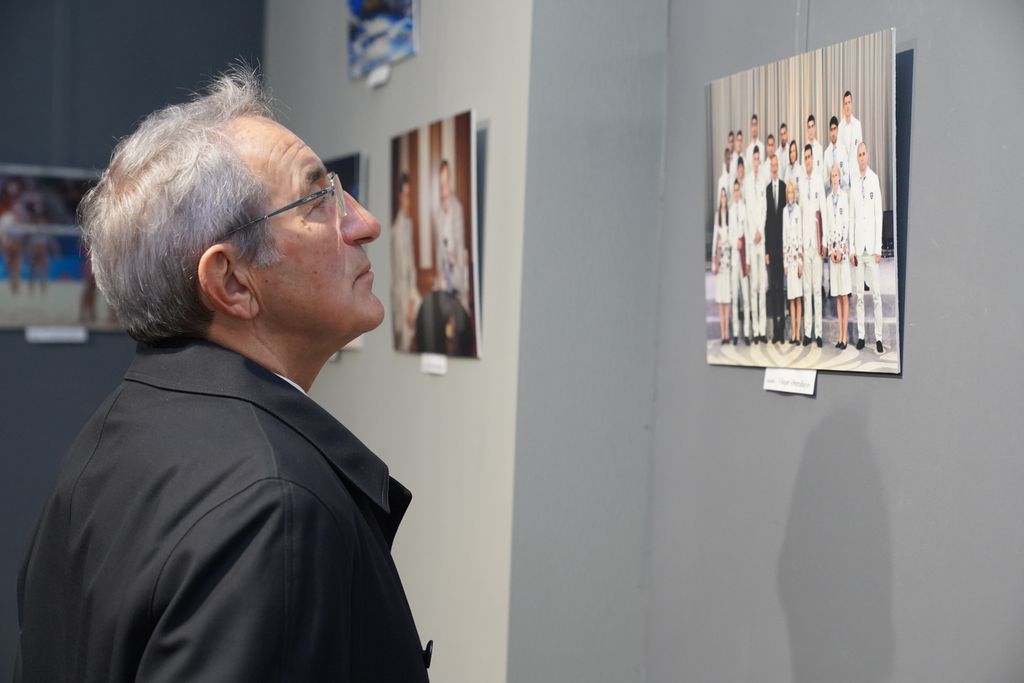
In the days before Christmas, the Syracuse Police Department shared the photograph on its official Facebook page. The department described the encounter as an example of humanity during the festive season, showing how a small gesture could create a meaningful connection between strangers.
The photograph began circulating online and eventually reached people outside Syracuse. Among those who saw it was a maintenance worker at Oakwood Cemetery, who immediately recognized Rhea. He had been seeing her around the cemetery regularly since the summer and had become concerned about her circumstances.
The worker contacted authorities because he believed Rhea had been spending her nights inside the cemetery, sometimes sleeping near her husband’s grave. His information prompted police to investigate further, and Pastorello soon discovered that the woman he had helped was experiencing homelessness.
The revelation shocked him because Rhea had given him no indication that she was living outdoors. During his interview with TODAY.com, he explained, “We deal with homelessness every day. She had no signs whatsoever.”
According to the information shared after the encounter, Rhea had been living at the cemetery for approximately eight months. She slept on a tarp spread across her husband’s grave, kept a small amount of groceries nearby, and reportedly wore the same clothes every day. She had managed to maintain a routine that allowed her to remain largely unnoticed by the people around her.
For months, the cemetery had effectively become her shelter, despite the difficult conditions and freezing temperatures. The woman who had politely thanked a police officer for a ride was quietly facing a situation that most people who encountered her had never suspected.
Her Husband’s Death Destroyed The Future They Had Planned
Before her circumstances changed, Rhea had worked as an administrative assistant and shared a life with her husband, Reverend Eddie Holmes. Eddie was a pastor and musician who preached and sang at several churches. He also worked as a security guard, contributing to the couple’s household while pursuing his religious and musical commitments.
The couple had been married for 26 years and had plans for a future together. According to the account of their story, they had finally received approval to purchase their dream home in October 2020. After working toward that goal, they were preparing to begin an exciting new chapter in their lives.
However, tragedy struck on the very same day they received the approval. Eddie suddenly suffered a heart attack and died at the age of 69, leaving Rhea devastated. The home they had hoped to share would never become their reality, and the woman who had expected to build a future with her husband suddenly had to face life without him.
The Dream Home Money Became A Memorial

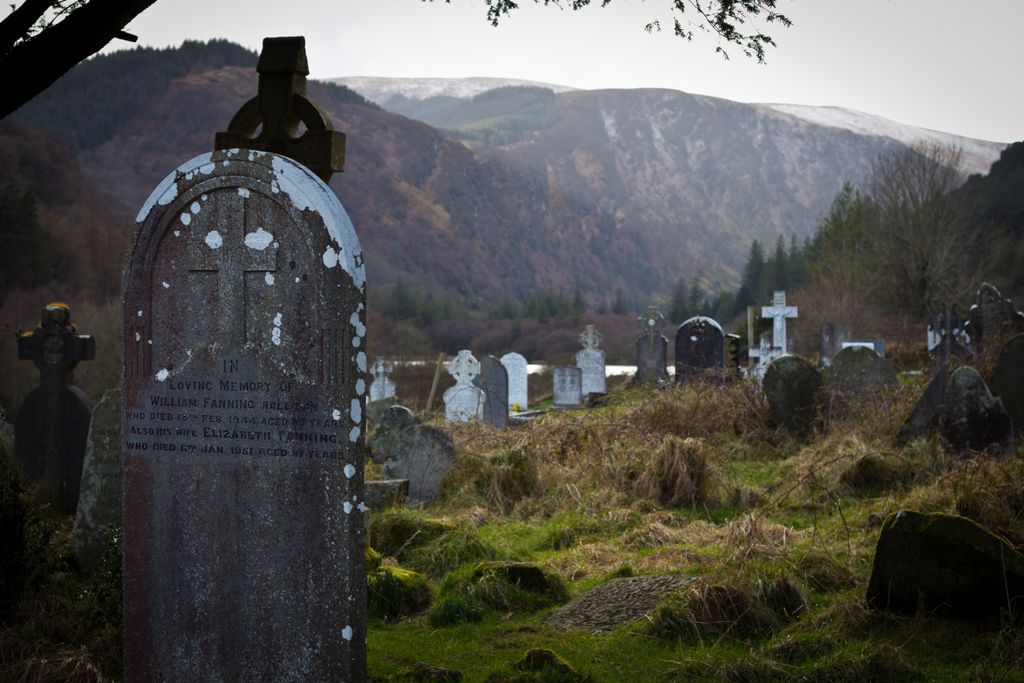
After Eddie’s death, Rhea used the money they had saved for their house down payment to purchase his burial plot and a memorial bench. The money that had once represented their shared dream became a way for her to create a permanent place where she could remember the man she had loved for decades.
The loss affected her deeply, and her ability to maintain her previous routine gradually deteriorated. She stopped going to work and eventually lost her administrative assistant position. Without a stable income, she struggled to keep her housing and later faced eviction.
Her financial difficulties continued, leaving her without the security she had once enjoyed. The death of her husband had been followed by the loss of her job and home, creating a series of hardships that eventually pushed her into homelessness.
By the time Pastorello encountered her in December 2025, Rhea had reportedly spent around eight months sleeping at the cemetery. Her decision to remain near Eddie’s grave reflected the circumstances she was facing, while also keeping her close to someone whose absence had changed everything.
Why Rhea Chose A Cemetery Instead Of A Shelter
After learning about Rhea’s situation, Pastorello discovered that she had deliberately avoided local homeless shelters. According to the officer, she did not feel comfortable entering places where she feared encountering violence, drugs, or abuse. Staying alone at the cemetery seemed like a safer option to her, even though the conditions were extremely difficult.
Her nights were spent outdoors, often close to the graves of her husband and father. She used a tarp as a sleeping surface and kept whatever groceries she could manage to obtain nearby. During the day, she relied on nearby university and campus bathrooms to meet basic hygiene needs.
Rhea had also tried to avoid attracting attention or asking strangers for assistance. She continued managing her circumstances privately, even as winter brought increasingly difficult conditions. Speaking to TODAY.com, she expressed just how far removed her situation had become from the life she once expected.
“I never imagined I’d be in that situation,” she said. “Not in a million years.”
She Continued Helping Others While Struggling Herself

One particularly striking detail about Rhea’s circumstances was that she continued volunteering despite having so little for herself. She regularly helped at local food pantries and churches, giving her time to support other people in the community.
Her volunteering provided a sense of purpose during a period when she was dealing with grief and financial hardship. According to her account, helping others gave her the strength to keep moving forward, even when her own circumstances remained uncertain.
“I just kept giving to others,” Rhea told TODAY.com. “It was the only way I could keep going.”
Her faith also remained an important part of her life. She believed that God had continued guiding her through difficult experiences, including the unexpected encounter with Pastorello. Looking back at the moment they met, she explained her belief that their paths had crossed for a reason.
“God put Jamie there,” she said. “He knew I needed help, and He guided me to him.”
For Rhea, the officer’s decision to stop had arrived at a time when she desperately needed someone to notice her situation. She had spent months keeping her difficulties hidden, but the photograph eventually brought the attention that led to a way out.
Officer Jamie Pastorello Took Immediate Action
Once Pastorello understood that Rhea had been sleeping outside for months, he decided to help her find somewhere safe. The freezing weather made the situation particularly concerning, and he wanted to ensure she would not have to return to the cemetery that night.
His first step was arranging temporary accommodation so Rhea could sleep somewhere warm and secure. However, he understood that a short hotel stay would only address her immediate circumstances. She needed a more stable arrangement that would allow her to rebuild her life.
Pastorello began contacting friends, community leaders, and local organizations to explore possible housing solutions. His efforts eventually reached Linda LeMura, president of Le Moyne College, who offered Rhea temporary accommodation in an unused campus residence during the winter break.
This gave her somewhere safe to stay while a longer-term solution was being arranged. It also meant she no longer had to spend every night worrying about finding a place to sleep outdoors.
A Fundraiser Brought Support From Strangers
Pastorello also launched an online GoFundMe campaign to help Rhea recover financially and begin rebuilding her life. Once people learned about her circumstances, donations started arriving from individuals who had been touched by her story.
The fundraiser eventually collected more than $27,000, demonstrating the level of support that developed after the photograph circulated online. People who had never met Rhea were contributing toward her ability to regain some financial stability.
In his fundraising appeal, Pastorello described her as someone who had maintained an extraordinary amount of empathy and compassion despite everything she had experienced. He wrote that she deserved safety, stability, and a place she could genuinely call home.
He also made a direct promise to Rhea about what would happen next. “Rhea, you’re not going to sleep outside again. I’m not going to let that happen,” he told her.
His involvement had now gone well beyond offering a stranger a ride. He was actively working with people who could provide the accommodation and support she needed to leave homelessness behind.

A Tiny Home For Good Offered Her A Fresh Start
As efforts to find permanent housing continued, another opportunity emerged through a local nonprofit organization called A Tiny Home for Good. The organization provides small, fully furnished homes for people transitioning out of homelessness, with rent adjusted according to what residents can afford.
Its homes measure approximately 300 square feet and are designed to offer residents a stable place to live independently. Although relatively small, each unit provides the basic facilities needed for someone to establish a household and regain some control over their daily life.
A suitable home eventually became available for Rhea, creating an opportunity that had seemed impossible only weeks earlier. After months of sleeping outdoors, she finally had somewhere permanent to go.
On January 5, 2026, less than a month after meeting Pastorello, Rhea moved into her new home. She now had a warm bed, a kitchen, and a front door she could lock, allowing her to experience the security she had been missing for so long.
The timing was especially significant because Syracuse was experiencing severe winter weather. Snowstorms had covered the area, while temperatures dropped well below freezing. During conditions that could have made another night outdoors extremely dangerous, Rhea was safely inside her new home.
Reflecting on what might have happened without the officer’s intervention, she told TODAY.com, “I know I wouldn’t have made it. If that ride hadn’t happened when it did … I don’t even want to imagine.”
The move marked a major change in her circumstances. After losing her husband, job, and home, she finally had a place where she could begin establishing a more secure routine.
The Chance Encounter Also Created A Lasting Friendship

Even after Rhea moved into her new home, her connection with Pastorello continued to grow. Their relationship had started with a short drive to Oakwood Cemetery, but the two eventually became close friends who stayed in regular contact.
More than a month after their first meeting, Pastorello said they spoke on the phone almost every day and frequently met for coffee. Their friendship had developed naturally during the process of helping Rhea find somewhere safe to live.
“We’re great friends,” he told TODAY.com.
Rhea affectionately described Pastorello as her angel, expressing gratitude for the help he had given her when she felt invisible. His decision to stop and listen had connected her with people who could provide the support she needed.
Her experience also changed her perspective on police officers. She had previously been distrustful of law enforcement, but her interaction with Pastorello gave her a different experience to reflect on. The officer had treated her with kindness before knowing anything about her personal circumstances.
For Pastorello, the friendship was another outcome of a decision that had initially seemed very small. He had not set out to attract attention or become part of a widely shared story. He had simply noticed someone struggling and decided to make her journey easier.
How One Small Gesture Changed The Course Of A Life
Rhea’s story attracted widespread attention because of the extraordinary contrast between the ordinary beginning of the encounter and what was eventually discovered. A woman carrying groceries had received a short ride, but the photograph from that journey revealed months of hardship that had remained largely hidden.
Several people and organizations contributed to changing her circumstances after the truth emerged. The cemetery worker raised the initial concern, Pastorello arranged immediate assistance, Le Moyne College provided temporary accommodation, and A Tiny Home for Good helped secure her permanent housing.
The fundraiser also demonstrated how strangers could contribute toward helping someone rebuild after a period of severe hardship. More than $27,000 was raised, giving Rhea additional support as she began adjusting to her new circumstances.
The key moments that changed her situation included:
- The initial encounter: Pastorello noticed Rhea struggling with groceries and offered her a ride to the cemetery.
- The photograph: The Syracuse Police Department shared their picture, allowing a cemetery maintenance worker to recognize her.
- The discovery: Authorities learned that Rhea had been sleeping at the cemetery for approximately eight months.
- The immediate response: Pastorello arranged temporary accommodation and launched a fundraiser that exceeded $27,000.
- The permanent solution: A Tiny Home for Good provided an affordable, furnished home where Rhea could begin again.
- The lasting connection: Rhea and Pastorello developed a friendship that continued after she moved into her new home.
Rhea had spent months trying to manage her situation without asking anyone for help. Her circumstances only came to light because one person noticed her struggling and another recognized her in a photograph.
Pastorello’s decision did not solve every hardship Rhea had experienced, particularly the loss of the husband she had loved for 26 years. However, it helped give her something she had been without for months: a safe place to sleep and an opportunity to rebuild her life.
The officer’s actions also showed how easily someone facing serious difficulties can remain unnoticed. Rhea had been volunteering in her community while sleeping outdoors, and people who encountered her had not necessarily understood what she was enduring.
Her new home gave her a chance to move forward without facing another freezing night at the cemetery. What began with a stranger stopping his patrol car became the moment that changed where Rhea Holmes would spend the rest of that winter.