
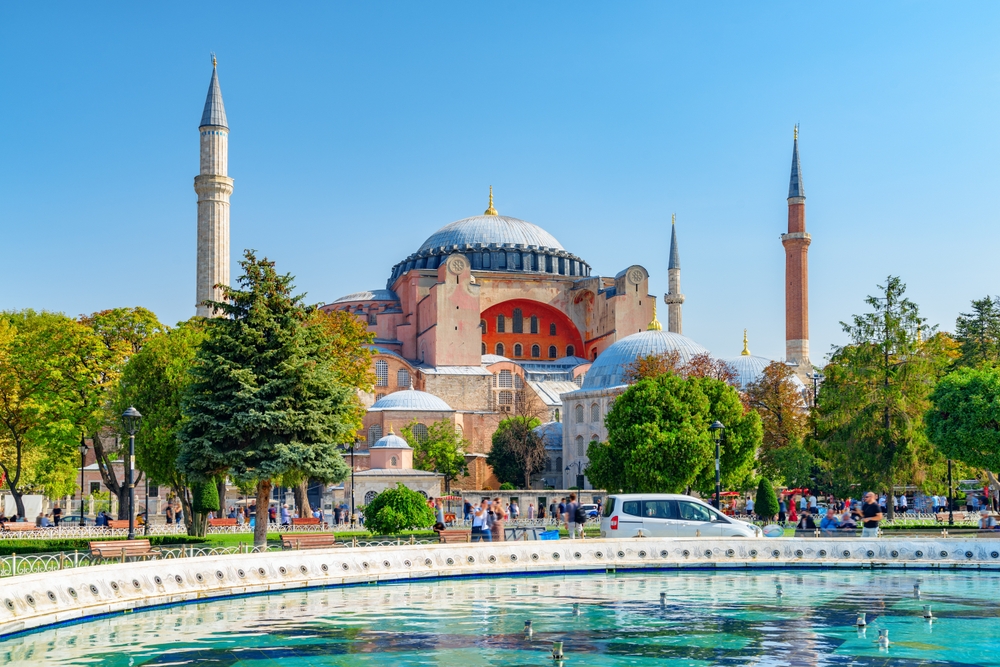
For centuries, rumors have circulated about a mysterious network of tunnels hidden beneath one of Istanbul’s most famous landmarks. Some believed the ancient structure concealed an extensive underground world, while others wondered whether forgotten passages connected it to the streets and buildings of Constantinople. Now, after years of speculation, workers have begun uncovering a network of tunnels, chambers and underground structures beneath the Hagia Sophia, revealing a fascinating side of the monument that has remained largely out of sight for generations.
The discovery is already raising questions about what else could be buried beneath the historic building. Researchers have cleared hundreds of meters of tunnels, removed thousands of tons of debris and identified underground structures that could date back to periods before the current Hagia Sophia was constructed. Some passages may have played an important role in the city’s ancient water distribution system, while others could offer clues about Roman roads and earlier buildings that once occupied the site.
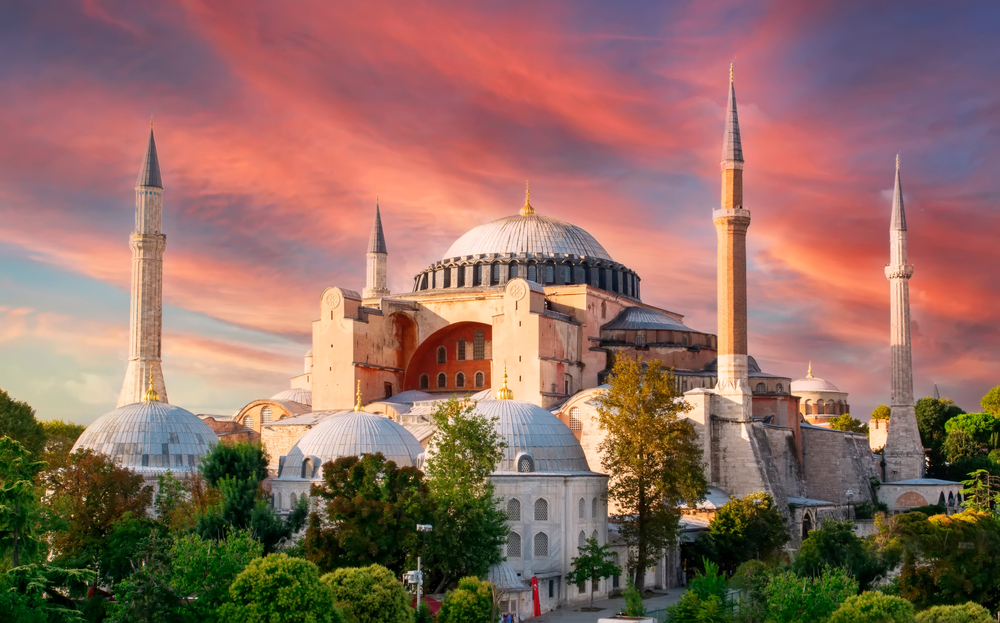
Centuries Of Rumors Have Finally Led To A Major Discovery
The Hagia Sophia has stood in Istanbul for nearly 1,500 years, attracting visitors with its enormous dome, remarkable architecture and complicated history. Yet beneath its impressive structure, another part of its past has remained hidden. Stories about underground passages have circulated for centuries, although researchers previously had limited information about the full extent of the network. Some underground infrastructure had already been identified, including a four-room Roman hypogeum discovered during investigations in the 1940s, but much of the subterranean area remained unexplored.
The latest discoveries began in early 2025, when workers carrying out cleaning operations inside the vaulted cellars beneath the building’s former atrium courtyard encountered previously unknown underground structures. What started as conservation work gradually developed into a much larger investigation involving tunnels, water channels, vaulted chambers and burial spaces. Specialists began carefully clearing the accumulated debris while recording the structures and examining their possible historical functions. The findings have since revealed an extensive underground network that could contain several layers of Istanbul’s history.
Nearly 3,000 tons of debris have already been removed, while approximately 420 meters of tunnels have been cleared. Researchers believe the network could extend much farther, potentially reaching several kilometers, although its complete length has not yet been established. The discovery is particularly fascinating because the underground structures appear to have served different purposes throughout the centuries. Some passages may have supported water distribution and drainage, while others could be connected to earlier streets and buildings surrounding the monument.
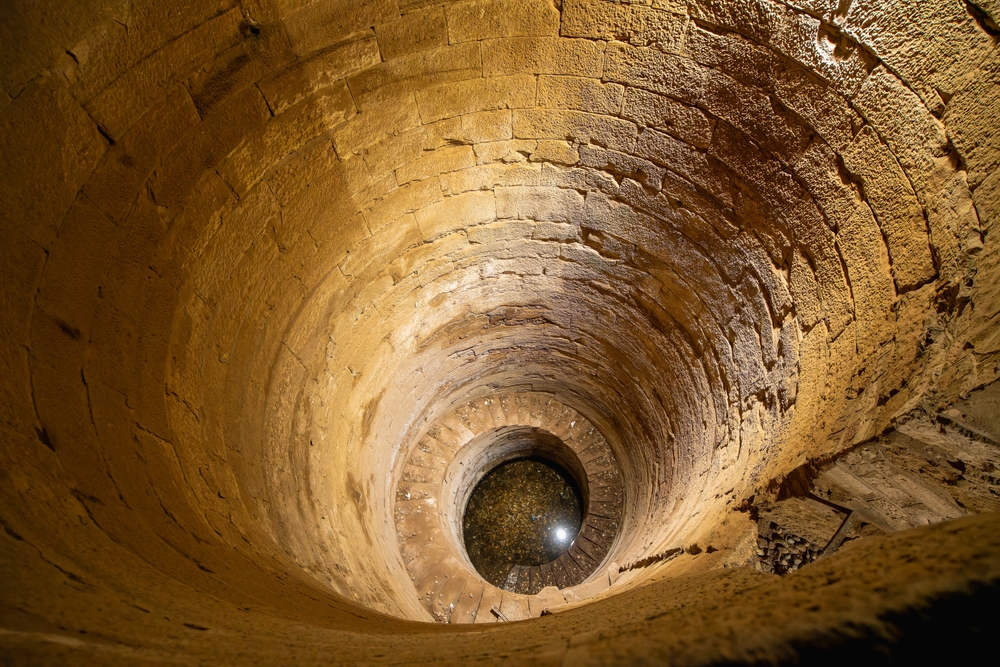
Six Chambers And Nine Tunnels Have Already Been Identified
The excavation has revealed considerably more than a handful of isolated underground passages. Researchers have identified six chambers connected by nine tunnels, creating a network that appears to have been an important part of the historic site’s infrastructure. One of the longest passages measures approximately 180 meters and has attracted particular interest because of its possible relationship with an ancient Roman road. Its location and alignment could help researchers understand how the surrounding area was organized before and during the construction of the present Hagia Sophia.
Turkey’s Minister of Culture and Tourism, Mehmet Nuri Ersoy, discussed the possible connection during an inspection of the site on November 20, 2026. “We think this line may be associated with a Roman road. It runs parallel to Hagia Sophia’s entrance façade, starting in front of the Fatih Madrasa and extending towards the visitor entrance,” Ersoy said. If the theory is supported by further investigation, the passage could provide valuable information about the relationship between the monument and the ancient streets of Constantinople.
The possibility of a Roman road running alongside the underground network makes the discovery even more interesting. Constantinople was once the center of a powerful empire, and its streets supported religious buildings, commercial areas, public infrastructure and residential neighborhoods. Discovering another section of that ancient urban landscape could help historians reconstruct how the city developed around the Hagia Sophia. Researchers are continuing to clear and document the passages, and additional discoveries could reveal connections that are currently impossible to establish.
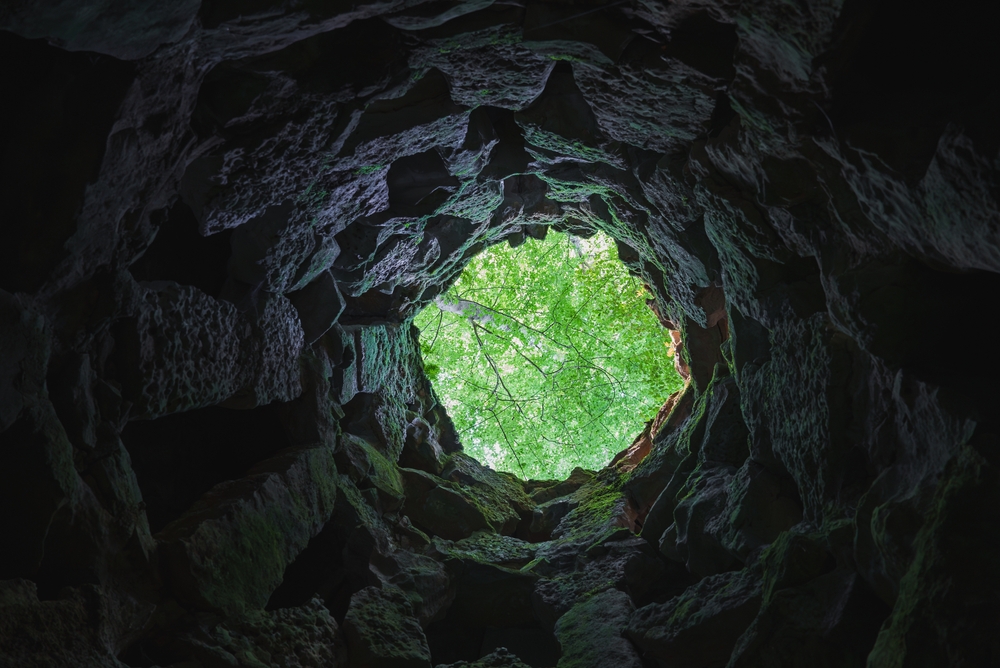
Some Underground Structures Could Be Older Than The Building
One of the most remarkable aspects of the excavation is the possibility that certain underground structures existed before the current Hagia Sophia was built. The famous building was completed in 537 CE during the reign of Emperor Justinian I, but the history of the location stretches much farther back. Two earlier churches occupied the site before the present structure was constructed, and those buildings were themselves built over the remains of a pagan temple. Consequently, the ground beneath the monument contains several historical layers that could reveal how the location changed over time.
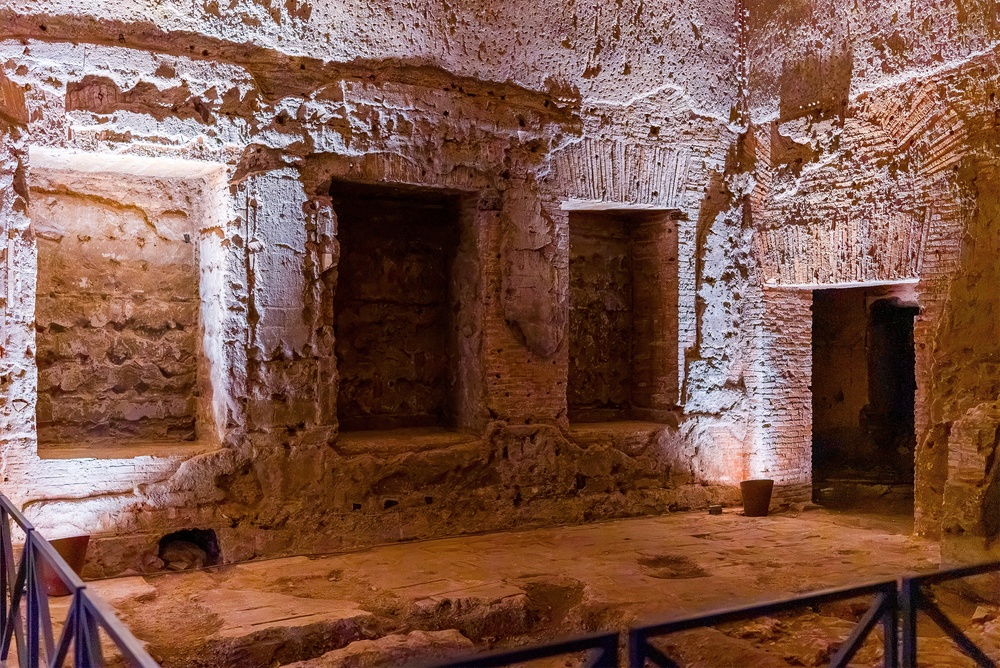
A particularly interesting discovery is a Roman hypogeum, an underground burial structure located beneath an area known as the Vizier’s Garden. Cleaning operations brought researchers approximately five feet below a floor that had previously been covered by mud. The excavation revealed another section of the historic structure, raising the possibility that it belongs to a period before the existing Hagia Sophia. Ersoy explained the significance of the finding, saying, “We believe this section dates from a period earlier than the present Hagia Sophia structure.”
A hypogeum is an underground structure commonly associated with burial practices and ancient ceremonial spaces. Such structures could contain chambers and passages designed for specific purposes, depending on the period and culture in which they were constructed. The structure beneath the Hagia Sophia is particularly significant because it could provide clues about the site’s earlier occupants and its development before the sixth century. Researchers are still investigating its age and original function, so its precise historical significance remains to be established.
The Ancient Tunnels Could Reveal Istanbul’s Water System
Although the discovery of hidden passages is fascinating, their practical purpose could be just as important as their historical age. According to the findings discussed by Turkish authorities, the underground network served important functions involving water distribution and rainwater drainage. These systems would have helped manage water around the historic complex, protecting the surrounding structures and supporting the activities taking place within the monument. Their discovery could provide researchers with a better understanding of how ancient engineers managed water beneath one of Constantinople’s most important buildings.
Ersoy explained that the underground infrastructure had played an important role throughout the monument’s history. “Throughout history, this underground network has served important functions in water distribution and the drainage of rainwater,” he said. He also noted that uncovering these structures was helping researchers deepen their knowledge of Istanbul’s historic water management infrastructure. The findings could be particularly valuable because ancient cities depended on carefully planned systems to transport and manage freshwater for their growing populations.
Historian and tour guide Hasan Barış Partal believes the underground waterways could potentially have been connected to the extensive aqueduct systems that supplied ancient Constantinople. The city was known for its impressive engineering achievements, including structures designed to transport freshwater across considerable distances. If further investigations establish connections between the newly discovered passages and those larger systems, historians could gain additional insight into how water reached important buildings and public spaces. For now, however, the precise relationship between the tunnels and the ancient aqueducts remains a possibility rather than a confirmed finding.
The Hagia Sophia Has Survived Nearly Fifteen Centuries
The discovery is particularly remarkable because of the extraordinary history of the building standing above these underground structures. The Hagia Sophia was commissioned by Emperor Justinian I and completed in 537 CE, becoming one of the most important architectural achievements of the Eastern Roman Empire. Its construction reportedly involved materials and valuable artifacts brought from ancient ruins across the emperor’s territories. Justinian instructed provincial governors to send selected pieces to Constantinople for use in the project, while the reported construction costs reached approximately $75 million at the time, equivalent to around $1.3 billion today.
Over the centuries, the monument underwent several major religious and political transformations. It originally functioned as a Christian cathedral before becoming an Ottoman mosque following the conquest of Constantinople in 1453. During the Turkish Republic, the building was converted into a museum, allowing visitors to explore its remarkable architecture and historical significance. In 2020, it returned to use as a mosque, continuing its long association with religious and cultural life in Istanbul.
The structure has also endured earthquakes and centuries of environmental and structural challenges. Its enormous central dome remains one of its most recognizable features, while its architectural design continues to attract historians and specialists from around the world. The discovery of the underground network introduces another challenge for those responsible for preserving the monument. Any excavation or restoration work must account for the stability of the historic structure above, making careful documentation and conservation essential throughout the process.
Modern Technology Is Helping Researchers Document The Discovery
The excavation is taking place alongside a major conservation project that began in 2025. The three-year initiative includes restoring the central dome and improving the building’s ability to withstand earthquakes. The work represents one of the most comprehensive conservation efforts undertaken at the monument in nearly 1,500 years. Alongside the restoration, specialists are cleaning, examining and documenting the underground structures to establish their layout and condition.
Researchers are using terrestrial laser scanning to record the tunnels and chambers as the work progresses. This technology allows specialists to create detailed digital measurements of underground spaces, helping them understand the dimensions and connections between different sections. It also provides a valuable record of the structures before further cleaning and preservation work takes place. Considering the number of interconnected passages already discovered, accurate documentation could become essential to understanding the entire network.
Hasan Fırat Diker, a member of the Hagia Sophia Scientific Committee, discussed the significance of the ongoing documentation in a study published in March 2026. He wrote that, as the work progresses, “the infrastructural system of this unique world heritage monument will be revealed in its entirety.” The investigation could therefore produce a much clearer picture of the underground systems that supported the building throughout its history. Researchers still have considerable work ahead, particularly if the network extends farther than the sections currently uncovered.
Visitors Could Eventually Explore The Hidden Tunnels
The newly discovered underground spaces could eventually become another attraction for people visiting the Hagia Sophia. Turkish authorities have expressed interest in making suitable sections of the network visible to the public, allowing visitors to experience the hidden architecture beneath the historic monument. However, no opening date has been announced, and the structures remain subject to ongoing cleaning, documentation and preservation work. Any public access would need to be carefully planned to protect the historic spaces and ensure visitor safety.
Partal believes the discovery could become one of Istanbul’s most remarkable cultural tourism developments in recent years. He described the underground complex as another fascinating story beneath the monument, offering a different perspective on the history of imperial Constantinople. He also compared the potential visitor experience to exploring the Vatican Grottoes beneath St. Peter’s Basilica, where visitors can descend into historic underground spaces connected to the religious building above.
“I believe that walking through these underground spaces could evoke a feeling similar to descending into the Vatican Grottoes beneath St. Peter’s Basilica, where many popes are buried,” Partal said. He acknowledged that the historical purposes of the two locations are very different, but believes both offer visitors an extraordinary opportunity to experience another world beneath an iconic monument. If suitable sections eventually open, people may be able to walk through passages that have remained hidden from ordinary visitors for generations.
The Biggest Secrets May Still Be Buried Underground
The discoveries beneath the Hagia Sophia have already revealed an extensive network of chambers, tunnels and water channels, but researchers have yet to establish the full scale of the underground system. Questions remain about how far the passages extend, which structures predate the current building and whether the waterways connect with Constantinople’s larger freshwater infrastructure. Each newly cleared section could provide another piece of evidence, helping historians understand how the site developed across different periods of history.
For centuries, visitors have looked up at the Hagia Sophia’s enormous dome and admired the extraordinary building above ground. Now, researchers are discovering that another fascinating part of its history has been waiting beneath their feet. With hundreds of meters of tunnels already uncovered and thousands of tons of debris removed, the next major discovery could be hiding just beyond the passageways workers have cleared so far.