
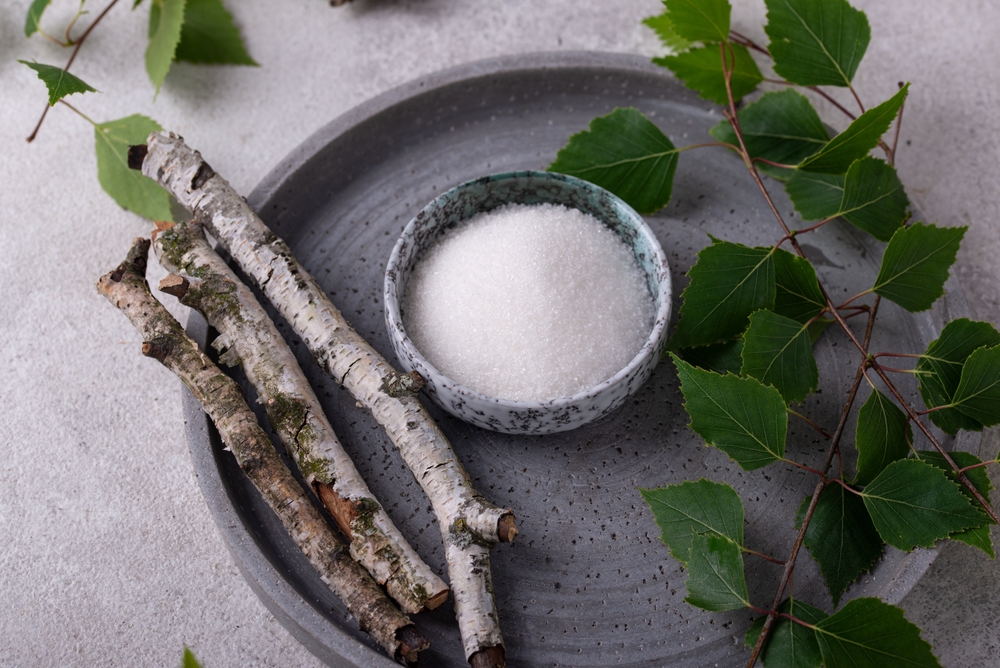
A sweetener used in sugar-free drinks, protein bars, keto snacks, and low-calorie desserts is attracting renewed attention from scientists. Researchers have identified a significant genetic association between higher circulating levels of erythritol and an increased likelihood of ischemic stroke, raising fresh questions about an ingredient many consumers regard as a healthier alternative to sugar.
The findings do not prove that eating erythritol causes strokes. However, they add to a growing body of research examining whether the sweetener could affect blood vessels, inflammation, and the body’s ability to control blood clotting. With millions of people choosing products containing it, scientists are now looking more closely at what happens after erythritol enters the bloodstream.
A New Study Finds a Significant Association With Stroke
Erythritol has become increasingly common in products marketed towards people trying to reduce their sugar intake. It provides very few calories, tastes similar to ordinary sugar, and generally has minimal effects on blood glucose and insulin levels. These characteristics have made it especially popular among people following low-carbohydrate diets or managing their weight.
But its long-term effects on cardiovascular health are not fully understood. A 2026 study published in the International Journal of Molecular Sciences investigated whether three widely used sweeteners, erythritol, aspartame, and sucralose, were associated with cardiovascular, kidney, and metabolic conditions.
Researchers led by Ao Zhong from Huazhong University of Science and Technology in China used a method called Mendelian randomization to examine genetic data and investigate potential relationships between circulating sweetener levels and health outcomes. Their analysis covered 10 cardiovascular-kidney-metabolic phenotypes, with additional statistical checks used to assess the reliability of the results.
Erythritol produced the clearest finding. The researchers reported that genetically predicted circulating erythritol levels were associated with higher stroke odds, with an odds ratio of 1.246. This represented approximately 25% higher odds, and the association remained statistically significant after the researchers applied a correction for multiple testing.
The team also adjusted its analysis for established cardiovascular risk factors. The association persisted after accounting for blood pressure, diabetes-related measures, and blood lipid levels. This suggests that the relationship was not fully explained by the specific risk factors included in those models.
The findings were not equally strong for the other sweeteners. Aspartame showed a suggestive association with thromboembolism, but not a statistically significant association with stroke. Sucralose did not show significant associations with the cardiovascular-kidney-metabolic outcomes examined.
The researchers cautioned against treating their findings as proof that consuming erythritol causes strokes. Their analysis focused on genetically predicted levels of erythritol circulating in the blood, which are not the same thing as the amount a person gets from food or drinks.
Why This Sweetener Has Become So Popular

Erythritol is a sugar alcohol that occurs naturally in small quantities in foods such as pears and grapes. The human body also produces it in small amounts through normal metabolic processes involving glucose. Commercial erythritol is commonly produced through fermentation and is used as a sweetening ingredient in a wide range of packaged foods.
Its appeal is easy to understand. Unlike ordinary sugar, erythritol contributes very few calories and generally has little immediate effect on blood glucose. Manufacturers can use it to create sweet-tasting products without adding the same amount of sugar found in conventional versions.
It is frequently found in sugar-free chewing gum, low-calorie beverages, protein products, keto-friendly desserts, and baking mixes. It is also used in combination with other sweeteners to improve taste and texture. For consumers trying to cut down on added sugar, these products can appear to offer a convenient solution.
However, a low-calorie label does not tell consumers everything about how an ingredient behaves inside the body. Erythritol is absorbed into the bloodstream, and dietary consumption can cause circulating concentrations to rise substantially. Researchers are investigating whether these increases have effects beyond the sweetener’s immediate impact on blood glucose.
There is another complication. Because the body naturally produces erythritol, a person’s blood concentration does not necessarily reveal how much they have consumed. Metabolism and kidney handling can also influence circulating levels. That distinction is central to understanding what the latest research can, and cannot, tell us.
Earlier Research Had Already Raised Questions About Blood Clotting
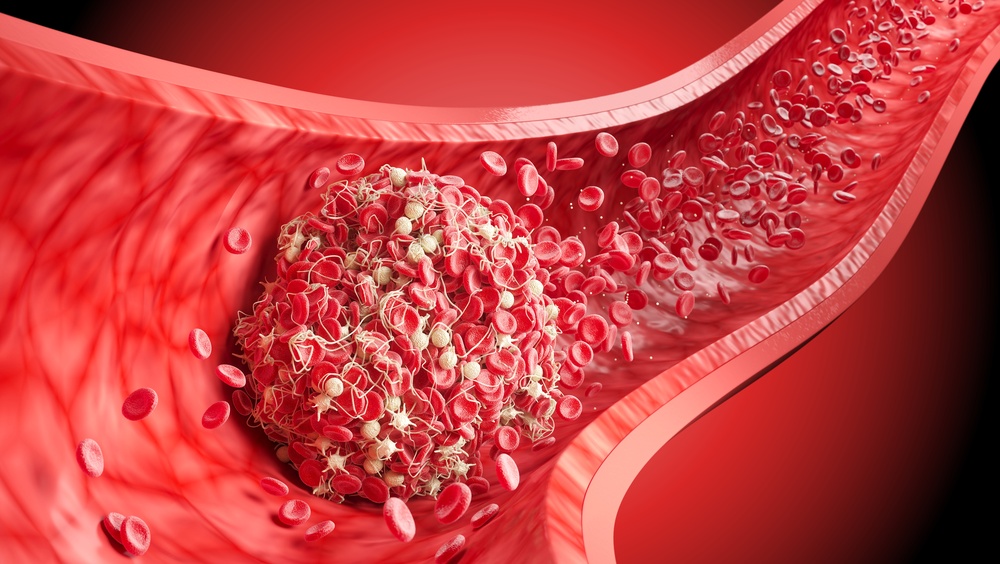
The 2026 findings follow earlier research that prompted scientists to investigate erythritol and cardiovascular health. In 2023, a study involving more than 2,000 adults in the United States reported that participants with higher circulating erythritol levels were more likely to experience major adverse cardiovascular events during the following three years.
Those events included heart attacks and strokes. The study raised concerns, although observational research cannot establish whether high erythritol levels contribute to cardiovascular problems or are partly associated with other underlying health conditions.
A small pilot experiment offered another reason to investigate the sweetener. Eight healthy volunteers consumed 30 grams of erythritol, after which researchers observed that their circulating levels increased by approximately 1,000-fold. The elevation lasted for more than two days, showing that a single serving could produce a substantial and prolonged change in blood concentrations.
In 2024, researchers examined the effects of erythritol and glucose consumption in a separate study involving 20 healthy volunteers. Participants who consumed erythritol experienced a large increase in plasma erythritol concentrations, alongside greater platelet reactivity. The same pattern was not observed in the glucose group.
Platelets are small blood components that help stop bleeding by gathering together and forming clots. This response is essential when someone is injured, but excessive platelet activity can potentially increase the likelihood of unwanted clot formation. A clot that blocks an artery supplying the brain can cause an ischemic stroke.
These studies do not establish that ordinary consumption of erythritol leads to a stroke. They do, however, provide a reason to investigate whether substantial increases in circulating erythritol could influence the processes involved in clot formation.
Scientists Have Also Examined Its Effects on Brain Blood Vessels

Another important line of research comes from scientists at the University of Colorado Boulder. In a 2025 study published in the Journal of Applied Physiology, researchers examined how erythritol affected human brain microvascular endothelial cells in laboratory conditions.
These cells form the lining of tiny blood vessels in the brain. They help regulate the movement of substances between the bloodstream and surrounding tissue, while also contributing to the function of the blood-brain barrier. Their ability to control blood vessel activity is important for maintaining a stable supply of oxygen and nutrients to brain tissue.
The researchers exposed cultured cells to erythritol and observed several changes that could interfere with normal vascular function. The findings included increased oxidative stress, reduced nitric oxide production, higher endothelin-1 levels, and changes in the cells’ response to a substance involved in blood clotting.
Reduced Nitric Oxide Could Affect Blood Flow
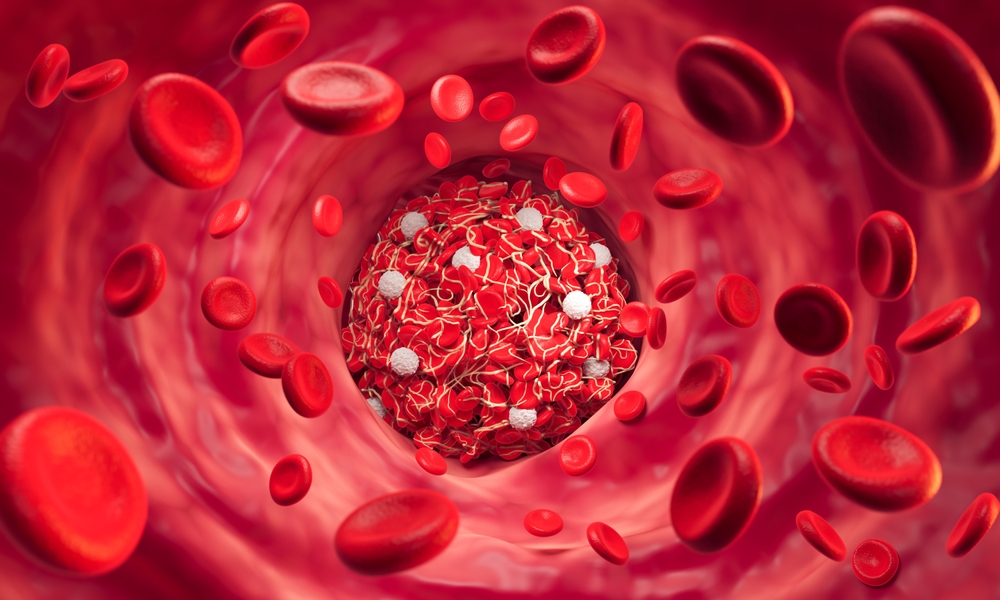
Nitric oxide is an important molecule that helps blood vessels relax and widen. This process, known as vasodilation, allows blood to move more freely through the circulation. When nitric oxide availability falls, blood vessels may become less able to relax normally.
In the laboratory experiment, erythritol-treated cells produced less nitric oxide. The researchers also observed increased levels of endothelin-1, a protein that encourages blood vessels to constrict. Together, these changes could create conditions that make it harder for blood vessels to maintain normal blood flow.
The Cells Showed Greater Oxidative Stress
The experiment also found an increase in reactive oxygen species, commonly described as free radicals. These molecules are produced naturally during normal cellular activity, but excessive levels can contribute to oxidative stress and damage cellular structures.
The researchers observed that the cells increased the expression of certain antioxidant enzymes, suggesting that they were mounting a response to the stress. However, this response did not eliminate the changes associated with erythritol exposure.
A Natural Clot-Busting Response Was Reduced
One of the most concerning observations involved tissue-type plasminogen activator, or t-PA. This substance helps the body break down blood clots and plays an important role in maintaining healthy circulation.
When the researchers challenged erythritol-treated cells with thrombin, a substance involved in clot formation, the cells showed a reduced t-PA response. The experiment also identified changes in endothelial nitric oxide synthase, an enzyme involved in producing nitric oxide.
Study author Auburn Berry explained the potential significance of these findings, saying: “Big picture, if your vessels are more constricted and your ability to break down blood clots is lowered, your risk of stroke goes up.”
The results offer a possible explanation for how erythritol could influence processes relevant to stroke. However, the experiment used cultured cells rather than people. It cannot establish that the same changes occur in the human brain after someone consumes a sugar-free drink.
Three Genes Emerged As Potentially Important to Stroke Biology

The 2026 research went beyond examining the statistical association between circulating erythritol and stroke. The team also used transcriptomic analysis, network analysis, and machine-learning techniques to investigate biological processes that might be relevant to the relationship.
Three genes repeatedly emerged from the researchers’ analyses: MMP9, TLR4, and HIF1A. The team identified them as a compact gene signature with potential value in distinguishing stroke-related biological patterns. Each gene is already connected to processes involved in inflammation, cellular stress, or blood vessel injury.
MMP9 is involved in breaking down and remodeling the extracellular matrix, the structural material surrounding cells. During ischemic stroke, excessive MMP9 activity can contribute to damage to the blood-brain barrier and may worsen vascular injury. TLR4, meanwhile, plays an important role in the innate immune system. Its activation can trigger inflammatory signaling, which may contribute to tissue damage when the response becomes excessive.
HIF1A helps cells respond to low oxygen conditions. It is involved in hypoxia-related processes and cellular adaptation when oxygen supply becomes limited. Because ischemic stroke deprives parts of the brain of oxygen, this gene is relevant to the body’s response to the resulting stress.
The researchers also identified biological pathways associated with inflammation, oxidative stress, immune activity, and vascular injury. These processes are all recognised areas of interest in stroke research. However, the analysis does not demonstrate that consuming erythritol directly changes the activity of MMP9, TLR4, or HIF1A.
The distinction matters because the genetic and computational analyses used existing datasets that did not directly measure erythritol exposure in the stroke-related tissue samples. The gene findings are therefore exploratory and hypothesis-generating. They offer researchers possible directions for future experiments rather than proof of a biological mechanism caused by the sweetener.
Why The Findings Do Not Prove Erythritol Causes Strokes
The latest research adds weight to concerns about circulating erythritol, but it is important to understand the limits of the evidence. Mendelian randomization uses genetic variations associated with an exposure to investigate whether that exposure may be linked to an outcome. It can help address some limitations of ordinary observational studies, including certain forms of confounding and reverse causation.
However, the method does not make every association definitive. The genetic instruments in this study represented circulating erythritol levels, not a person’s dietary intake. Those levels may be influenced by the body’s own production of erythritol, metabolic differences, kidney function, and consumption of foods containing the sweetener.
This means the study cannot tell consumers that eating a particular quantity of erythritol will increase their stroke risk by 25%. The reported figure describes the association involving genetically predicted circulating levels. It should not be presented as a measured risk increase caused by eating erythritol.
The laboratory research has its own limitations. Cultured brain blood vessel cells provide useful information about possible cellular responses, but they do not reproduce the complexity of a living human body. Further research is needed to establish whether the observed changes occur at comparable levels in people and whether they have meaningful effects on stroke risk.
The computational work also requires caution. The gene signatures and molecular pathways identified by the researchers were developed using predictive and statistical methods. They do not establish that erythritol directly activates those pathways or that the identified genes explain the association with stroke.
The authors themselves emphasised that dietary erythritol intake was not directly evaluated. Their conclusion was that the genetic evidence raises a potential safety signal and supports further research, particularly into high or sustained consumption among people who already have elevated cardiovascular or cerebrovascular risk.

A Clinical Trial Could Help Answer The Remaining Questions
Researchers are now investigating the effects of consuming erythritol under controlled conditions. A clinical trial at the University of California, Davis, is designed to compare beverages sweetened with erythritol and aspartame. Participants will consume each type of beverage for two weeks, allowing researchers to examine changes associated with the different sweeteners.
The study is expected to measure platelet activation, platelet adhesion, and markers of vascular inflammation. These measurements could help clarify whether consuming erythritol produces changes in blood clotting activity or vascular health in humans.
Controlled dietary research is important because it addresses a question that genetic studies cannot answer on their own. Researchers need to establish whether the changes observed in blood concentrations and laboratory cells also appear after people consume realistic amounts of the sweetener.
The results could help determine whether the concerns raised by earlier observational studies, human ingestion experiments, and brain blood vessel research point towards a meaningful dietary risk. Until then, the available evidence remains incomplete.
What Consumers Should Know Before Choosing Sugar-Free Products
There is currently no scientific basis in the supplied research for claiming that everyone should immediately stop consuming erythritol. Nor does the evidence show that occasional consumption will cause a stroke. The findings instead highlight a gap in knowledge about the long-term effects of a sweetener that has become common in everyday food products.
Consumers who regularly buy sugar-free drinks, protein bars, and low-carbohydrate snacks may want to check ingredient labels and understand which sweeteners their products contain. Erythritol can appear by name or as part of a blend with other sweetening ingredients. People with existing cardiovascular concerns can discuss their dietary choices with a qualified healthcare professional rather than making abrupt changes based on early research.
The wider lesson is that replacing sugar with a low-calorie ingredient does not automatically settle every question about its health effects. Erythritol may still have a role in reducing added sugar for some consumers, but its long-term cardiovascular effects need more careful study.
Scientists have now identified a genetic association with stroke, observed changes in cultured brain blood vessel cells, and reported effects on platelet activity in small human experiments. None of these findings alone proves that eating erythritol causes strokes. Together, however, they make one thing clear: a sweetener’s calorie count is not the only measure researchers need to examine when assessing its long-term safety.