

Donald Trump is preparing to open another major front in his trade war, with his administration proposing new tariffs on China, the European Union and 12 other trading partners. The announcement signals that the president has no intention of abandoning his aggressive trade agenda, even after the Supreme Court dealt a major blow to his previous tariff strategy.
The proposals could reshape trade negotiations with some of America’s most important economic partners. China faces the possibility of an additional 20% tariff, potentially rising to 40% if the countries’ trade truce collapses. Meanwhile, governments across Europe and Asia are questioning Washington’s findings and warning that the measures could create fresh uncertainty for businesses.
The plan is not yet in force. It must pass through further investigations, public consultation and other procedural steps before the proposed duties can take effect. But the announcement has already reopened a familiar argument in Washington and overseas: whether tariffs can protect American industry without leaving consumers and businesses to shoulder the cost.
Trump’s Administration Names 14 Economies for New Tariffs
The administration announced on November 25 that it was proposing new tariffs against 14 economies following investigations into their manufacturing and trade practices. China and the European Union are among the most prominent targets, alongside Japan, India, South Korea, Vietnam, Taiwan, Singapore, Switzerland, Indonesia, Malaysia, Cambodia, Thailand and Bangladesh.
The investigations focus on what the administration describes as structural excess manufacturing capacity. US officials argue that some foreign economies encourage production beyond domestic demand, creating an oversupply of goods and putting American manufacturers at a disadvantage. The administration says these policies restrict fair competition and make it harder for US businesses to compete in international markets.
The Office of the United States Trade Representative began the investigations in March. Its findings now form the basis of the proposed measures, with the administration arguing that action is needed to address what it considers unreasonable foreign trade practices.
US Trade Representative Jamieson Greer said the investigations had identified policies that restricted American commerce and created unfair advantages for overseas manufacturers. In a statement, he said, “President Trump is proposing to take action to bring about the elimination of these unfair acts, policies, and practices.”
Greer also said the administration wanted to “level the playing field for American workers and chart a new, more sustainable course for the world economy.” The language reflects Trump’s wider argument that tariffs can encourage companies to manufacture more goods in the United States and reduce reliance on overseas production.
Not every country under investigation was included in Wednesday’s announcement. Mexico and Norway were left out because their investigations are still ongoing. Their absence does not necessarily mean they are permanently outside the administration’s trade review, but it means the current proposal focuses on the 14 economies named by Washington.
China Could Face a Tariff Increase to 40%

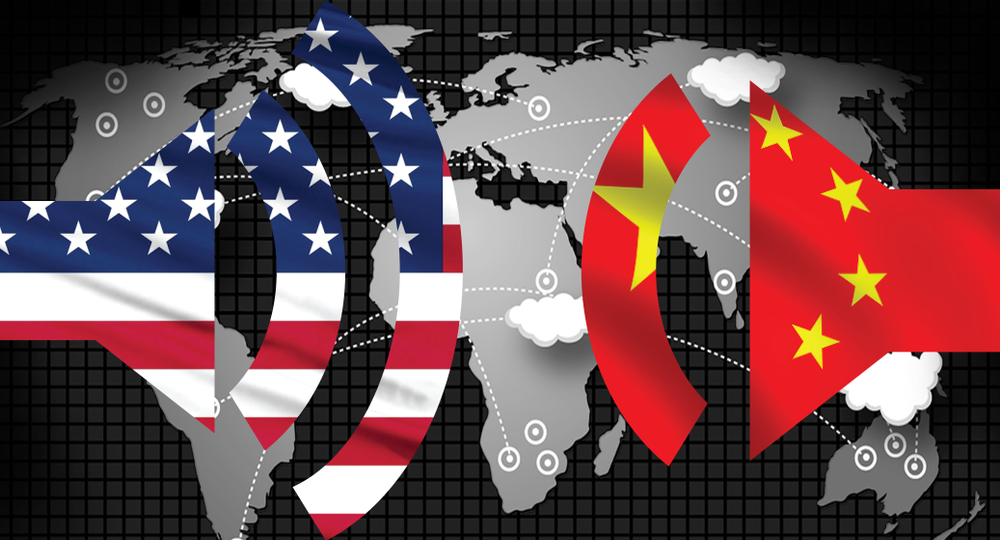
China is facing one of the most consequential parts of the proposal. The administration is considering an additional 20% tariff on Chinese goods, with the possibility of raising that rate to 40% if negotiations fail and the existing trade truce is not maintained.
The proposed duties would come on top of tariffs already imposed on certain Chinese imports, including measures connected to concerns about forced technology transfers. That distinction matters because the administration has indicated that the new tariffs generally would not stack on top of existing duties for other affected trading partners. China is an exception under the proposal.
The possibility of a higher rate comes at a delicate point in relations between Washington and Beijing. Trump recently met Chinese President Xi Jinping during a high-stakes summit, but the meeting did not produce a public resolution of the countries’ wider trade disagreements. Their existing trade truce is due to expire in January, creating another deadline for both governments.
Chinese officials have pushed back against Washington’s approach. Foreign Ministry spokesperson Guo Jiakun said Beijing’s position on economic and trade issues had not changed and argued that tariffs would not resolve the underlying disagreements.
“Our position on handling China-U.S. economic and trade issues is consistent and clear. Tariff wars and trade wars serve no one’s interests. Relevant issues should be resolved through consultation on the basis of equality, mutual respect and mutual benefit,” Jiakun said.
China has also rejected the claim that its manufacturing system creates harmful excess capacity. That disagreement goes to the heart of the investigation. Washington views China’s production policies as a source of unfair competition, while Beijing argues that trade disputes should be addressed through negotiation rather than unilateral tariff measures.
A potential increase to 40% could make those negotiations more difficult. It could also create uncertainty for companies that rely on Chinese suppliers or sell products into the American market. Until the trade truce is resolved, businesses will have to consider the possibility that the cost of importing certain goods could change again.
Supreme Court Setback Forced Trump to Find Another Legal Route

The new proposal follows a major legal defeat for the president. Earlier this year, the Supreme Court invalidated most of the sweeping tariffs Trump had imposed using emergency presidential powers. The decision undermined a central part of his trade strategy and forced the administration to look for another legal basis for pursuing import duties.
This time, the administration is relying on Section 301 of the Trade Act of 1974. The law allows the United States to investigate foreign trade practices and take action when officials determine that those practices unfairly burden American commerce. The administration believes the investigations launched in March provide the basis for using that authority against the economies named in the latest announcement.
The change in legal approach is significant because it gives the administration a different route from the emergency powers used for its earlier tariff programme. Rather than relying on the same broad justification, officials are pointing to country-specific investigations and alleged manufacturing practices.
The administration has also presented the proposed duties as targeted measures. It says the new tariffs are intended to address particular trade concerns and generally will not be added on top of existing duties, subject to the exception involving China. Officials have also indicated that the measures are intended to respect existing tariff limits negotiated through bilateral trade agreements.
However, using Section 301 does not guarantee that the proposals will avoid legal or political challenges. Businesses affected by the duties may question the administration’s findings, while trading partners could dispute the conclusions and challenge the measures through diplomatic or trade channels.
For Trump, the immediate objective is to show that the Supreme Court decision has not ended his ability to pursue tariffs. The administration is attempting to preserve its broader trade agenda while using a different legal mechanism to support the next round of measures.
The Proposed Tariffs Still Need to Clear Several Steps

Despite the announcement, the new duties are not due to take effect immediately. The administration must complete further procedural requirements, including public consultation and opportunities for affected parties to respond. That process gives businesses, industry groups and foreign governments a chance to challenge the findings or explain how the proposed measures could affect trade.
Greer has indicated that the administration has already spoken with trading partners about the proposals and expects discussions to continue. Speaking to CNBC, he said, “We’ve talked to our trading partners about this. They know what we’re proposing. I think a lot of this is baked in, and I don’t think any of these would actually take effect earlier than a couple of months from now.”
The administration is looking towards January as the earliest potential period for completing the necessary steps, although the timing and final details remain subject to the process. The proposals therefore leave room for negotiations before any new duties are imposed.
The next stages include public consultation on the proposed measures, continued country-specific reviews of manufacturing practices, further discussions with affected governments and additional hearings where required. These steps will help determine whether the proposed rates remain unchanged, are adjusted or face delays.
The distinction between an announcement and an implemented tariff is important. The administration has outlined what it wants to do, but the final outcome has not yet been settled. Companies importing goods from the affected economies will be watching for further announcements before making decisions based on the proposed rates.
The process could also become a negotiating tool. Countries that want to avoid additional duties may seek agreements with Washington or offer changes to the policies under investigation. Whether those discussions produce compromises remains uncertain.
Democrats Warn That American Households Could Pay the Price
The proposal has prompted criticism from Democratic lawmakers, who argue that another round of tariffs could increase costs for American consumers and businesses. Their objections focus on the possibility that import taxes will feed into prices at a time when households are already concerned about living expenses.
Senator Ron Wyden, the top Democrat on the Senate Finance Committee, criticised Trump for returning to tariffs after the Supreme Court decision. “Only weeks after Americans overwhelmingly voted against his high tariffs and higher prices agenda, he’s back with another round,” Wyden said.
Wyden accused the president of attempting to rebuild his earlier global tariff programme despite the potential burden on American families, workers and small businesses. His criticism reflects a wider Democratic argument that tariffs can operate like an additional cost on imported goods, even when the administration presents them as a way to protect domestic industry.
Senate Minority Leader Chuck Schumer also attacked the proposal, arguing that Trump’s approach risks alienating allies while failing to address concerns about China. “The bad actor here is China, and instead of addressing the problem, Trump continues to let them dictate the terms while alienating our allies and passing the costs onto American families, with little benefit for American workers,” Schumer wrote in a social media post.
Representative Don Beyer has also argued that Congress should take a stronger role in overseeing presidential trade powers. The dispute raises a broader question about how much authority a president should have to impose tariffs and how closely lawmakers should supervise decisions that can affect prices and international relationships.
The political argument comes as the administration faces pressure to demonstrate that its economic policies are helping households. Critics say new import duties could undermine that goal if businesses pass higher costs on to consumers. Supporters of Trump’s approach argue that tariffs can give American manufacturers more room to compete and encourage companies to bring production back to the United States.
What the New Tariffs Could Mean for American Consumers

Tariffs are taxes on imported goods, generally paid by the companies bringing those products into the country. Importers may absorb some of the additional expense, but they can also pass it on through higher prices. The eventual effect depends on the product, the availability of alternative suppliers and how much of the added cost businesses decide to absorb.
That means the proposed measures could affect more than the companies directly named in the investigations. American manufacturers that rely on imported materials, components or machinery may face higher costs if their suppliers are covered by the tariffs. Retailers and other businesses could also have to reconsider prices if their import expenses rise.
Economists have warned that tariffs can contribute to inflation and disrupt trade when companies face higher costs for goods and materials. However, the impact of this proposal may be more limited than the headline rates suggest.
Capital Economics chief North America economist Stephen Brown described the announcement as less alarming than it initially appeared. He noted that the new tariffs would largely replace duties announced previously, meaning the overall increase in the effective tariff burden could be relatively small. Brown also said that only a limited range of goods would be subject to the additional duties.
That assessment offers some context, but it does not remove the uncertainty for affected businesses. The actual impact will depend on which products are covered, the final tariff rates and whether companies can find alternative suppliers without incurring other costs.
The administration’s challenge is to encourage more domestic manufacturing without adding significantly to the cost of living. If businesses face higher import bills, the government will need to show that the longer-term benefits for American industry outweigh the immediate costs.
Brazil Faces a Separate Dispute Over Sugar and Aircraft

The latest announcement is not the only tariff dispute involving the Trump administration. Washington has also proposed separate measures targeting Brazilian imports, particularly sugar and finished aircraft.
Greer said the proposed changes were intended to address what the administration considers unfair trade practices. The measures include an additional specific tariff on Brazilian sugar imports and a proposed 10% tariff on finished aircraft exports.
Brazil has rejected the move. President Luiz Inacio Lula da Silva’s office made clear that the country would not accept pressure from Washington, stating, “Brazil will not yield to such threats.”
The disagreement adds another complication to the administration’s trade agenda. Brazil has argued that the proposed measures are connected to pressure on its government over policies that include digital trade. Washington, meanwhile, is presenting its actions as a response to trade practices it considers unfair.
A hearing on the proposed Brazilian tariff changes is scheduled for January 14. That hearing is part of the separate process surrounding the measures and should not be confused with the broader proposals covering the 14 economies announced on November 25.
The dispute illustrates how Trump’s tariff strategy is reaching beyond the largest trade relationship with China. Separate disagreements involving individual countries and industries could create several negotiations for Washington to manage at the same time.
America’s Trading Partners Are Rejecting Washington’s Findings
The response from foreign governments suggests that the new proposals could become another source of international friction. The European Commission has rejected the premise behind Washington’s findings and said it would examine the reasons for the proposed measures. Japan has described the tariffs as regrettable, while Singapore has said it disagrees with the American conclusions.
Vietnam has also questioned the proposed rates, arguing that they do not reflect the actual state of its trade relationship with the United States. These objections show that the affected economies are not simply accepting the administration’s explanation of excess manufacturing capacity.
The disagreement could complicate efforts to secure trade agreements. Countries may challenge the investigations, seek changes to the proposed rates or negotiate directly with Washington to avoid additional duties. Each government will also have to consider how far it is willing to compromise without appearing to accept the American allegations.
The European Union presents a particularly important test because it is one of America’s major trading partners. A prolonged dispute could affect companies operating across both markets and create fresh uncertainty for industries with international supply chains.
For smaller economies included in the proposal, the consequences could also be significant. Even when a country accounts for a smaller share of total American imports, tariffs on particular industries can affect exporters and businesses that depend on access to the US market.
The Next Trade Battle Will Be Decided in Negotiations
Trump’s latest announcement makes clear that the Supreme Court’s rejection of his previous tariff strategy has not ended his pursuit of aggressive trade measures. By turning to Section 301, the administration is attempting to keep pressure on foreign governments while arguing that its new proposals rest on investigations into specific trade practices.
But the announcement is only the beginning of another complicated process. The final tariff rates, implementation dates and possible exemptions remain uncertain, while several governments have already challenged Washington’s conclusions.
For American businesses, the immediate priority will be understanding which products could be affected and whether negotiations change the proposed duties. For consumers, the key question is whether the measures eventually add to the cost of imported goods.
The administration now has to turn its claims about protecting American manufacturing into concrete results. If the negotiations fail and the tariffs move ahead, the consequences will be measured not only in trade figures, but also in the prices businesses charge and households pay.