
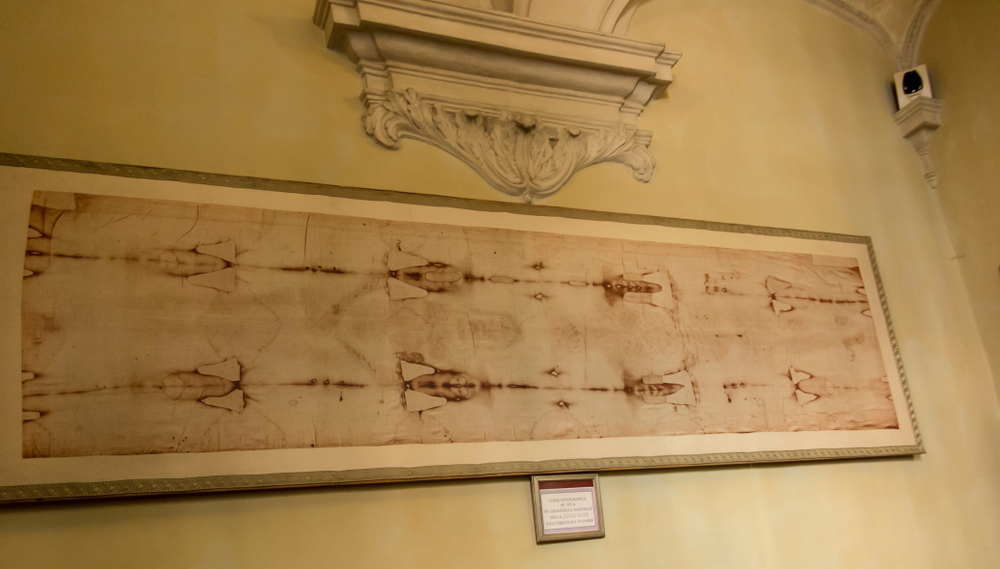
For centuries, the Shroud of Turin has remained one of history’s most controversial religious artefacts, with scientists still investigating the mysterious cloth and the image preserved across its surface. Now, researchers examining biological material collected from the Shroud have uncovered an extraordinary mixture of DNA, including traces from humans, domesticated animals, cultivated plants, fungi and even Mediterranean red coral. The findings reveal a surprisingly complicated biological history that has accumulated over generations of human contact and environmental exposure.
The discovery has opened another fascinating chapter in the investigation of the famous linen cloth. However, one particular finding has attracted attention: researchers identified human mitochondrial DNA matching the genetic profile of a scientist involved in collecting official Shroud samples in 1978. While the results cannot establish whether the cloth dates back to the time of Jesus, they reveal just how much biological information modern forensic technology can recover from a historical object.
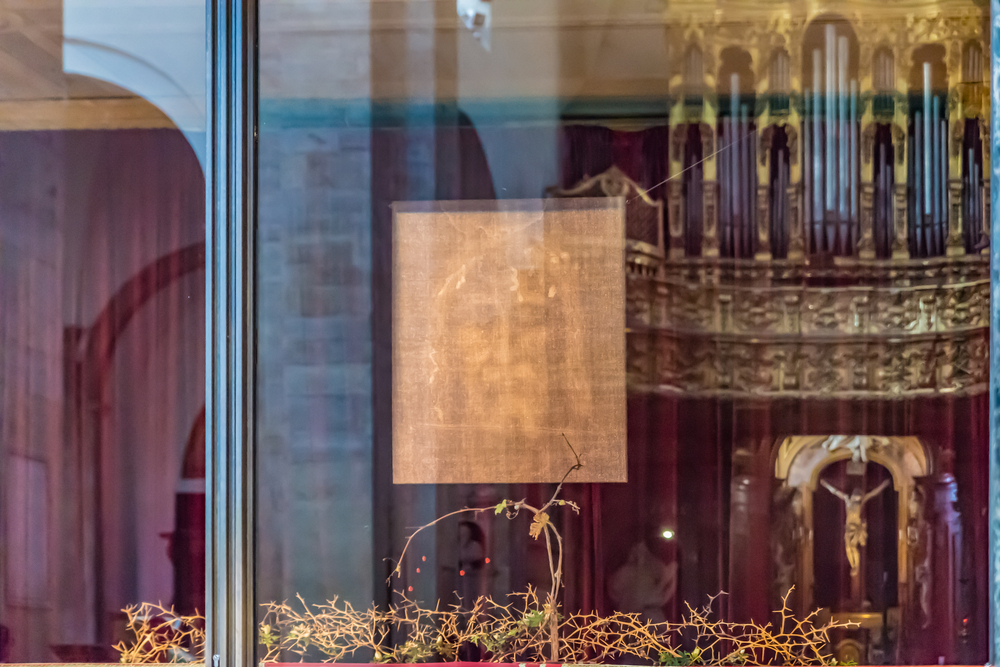
Scientists Discover An Unexpected DNA Archive On The Shroud
The Shroud of Turin has attracted generations of historians, religious scholars and scientists. The linen cloth carries the faint image of a man whose wounds have often been associated with biblical descriptions of Jesus Christ’s crucifixion. For believers, it is an object of profound religious significance, while researchers continue investigating its origins, preservation and authenticity.
Now, an international research team has examined biological material preserved within samples officially collected from the Shroud in 1978. Published in Scientific Reports in July 2026, the study used advanced genomic sequencing to investigate DNA preserved within the linen fibres. Researchers applied PCR-free next-generation metagenomic sequencing, allowing them to identify genetic material from numerous organisms within the same samples.
The investigation produced a detailed picture of biological traces accumulated through human contact and environmental exposure. Professor Noemi Procopio, Professor of Forensic Science at the University of Lancashire, participated in the international collaboration. She explained that the investigation had uncovered an extensive biological record preserved within the cloth over centuries of exposure.
“The Shroud represents a rich archive of genetic information that has accumulated over centuries of human interaction and environmental exposure,” Procopio said. The research demonstrates how modern forensic technology can recover information from historical samples collected decades earlier. However, the researchers stress that these findings cannot establish when the Shroud was created or whether it is authentic.
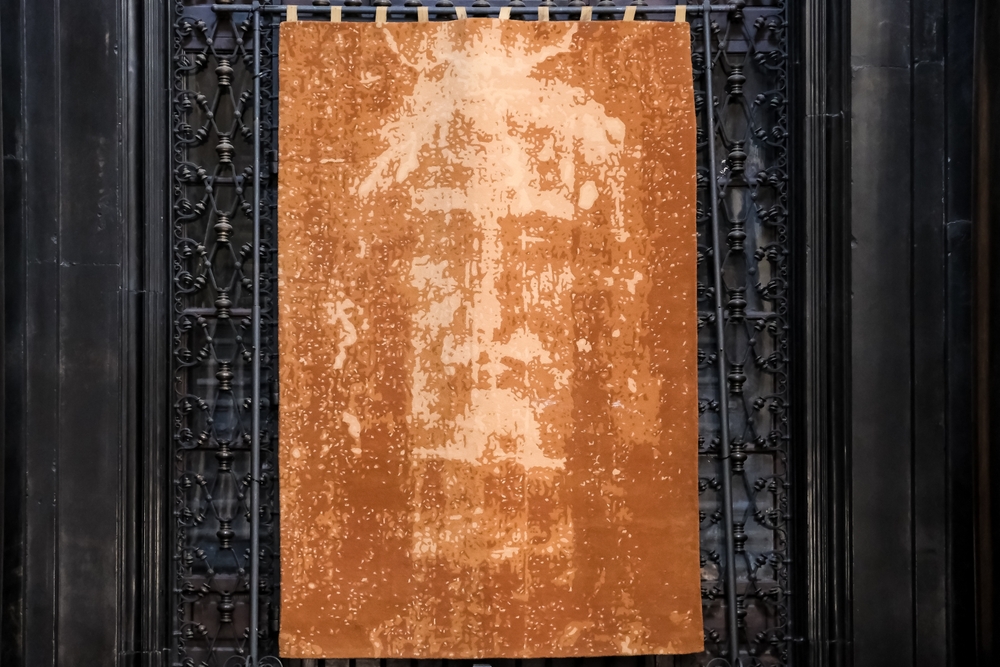
Human DNA Reveals A Complicated History Of Contact
One of the significant discoveries involved multiple human mitochondrial DNA lineages. Mitochondrial DNA is genetic material found inside mitochondria, the structures responsible for producing energy within our cells. Unlike most DNA, mitochondrial DNA is generally inherited through the maternal line, making it useful when researchers investigate ancestry and genetic relationships.
The researchers identified several distinct mitochondrial lineages, including K1a1b1a, H2a2, H1b and H33. These genetic signatures are associated with different population histories and geographical distributions. Their presence suggests that biological material from multiple people has accumulated on the Shroud during its long history of handling and exposure.
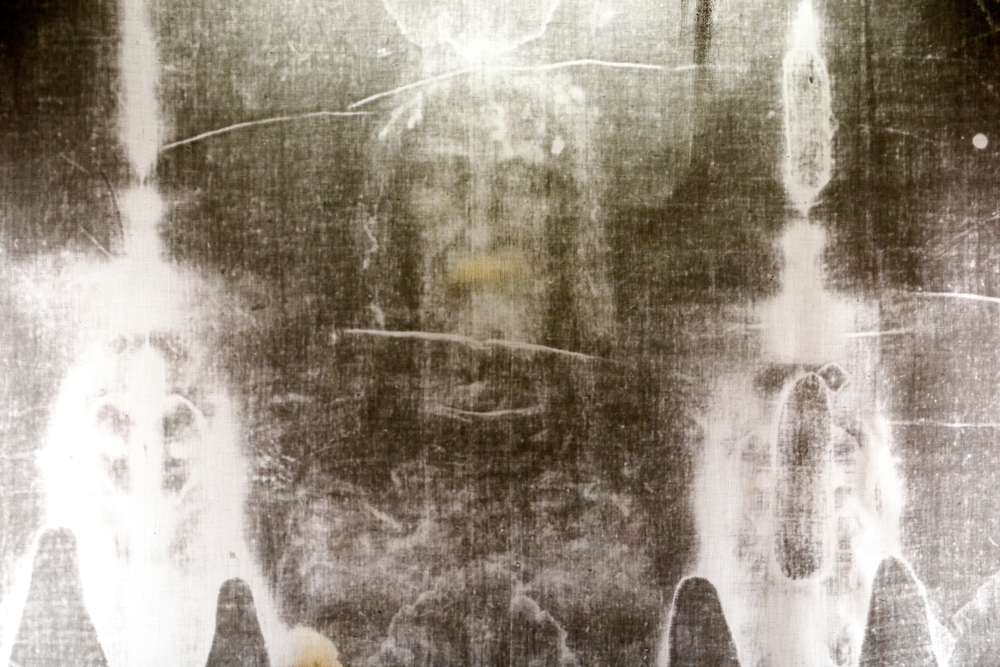
However, one particular discovery revealed just how complicated the investigation could become. The dominant mitochondrial lineage identified in several samples was K1a1b1a, which matched the mitochondrial DNA profile of Professor Pierluigi Baima Bollone, the scientist responsible for collecting the official samples in 1978. This finding demonstrates how biological material from people involved in earlier investigations can become part of the evidence recovered from historical objects.
The researchers also identified genetic material associated with other human lineages. Consequently, separating potentially older biological traces from material deposited during more recent handling becomes extremely difficult. The findings provide evidence of accumulated human contact rather than identifying the person depicted on the linen.
Scientists Find DNA From Plants, Animals And Coral
Human genetic material was only one part of the discovery. The research also revealed biological traces from a surprisingly diverse collection of plants and animals, adding another layer to the Shroud’s complicated history. Among the identified plant material were cultivated species associated with different agricultural regions, including wheat, carrots, maize, bananas and peanuts.
The researchers also identified genetic traces associated with several domesticated animals. These included cattle, pigs, chickens, dogs and cats. One particularly unusual finding involved Mediterranean red coral, a marine species associated with the Mediterranean Sea. Its presence added another unexpected element to the biological record preserved within the samples.
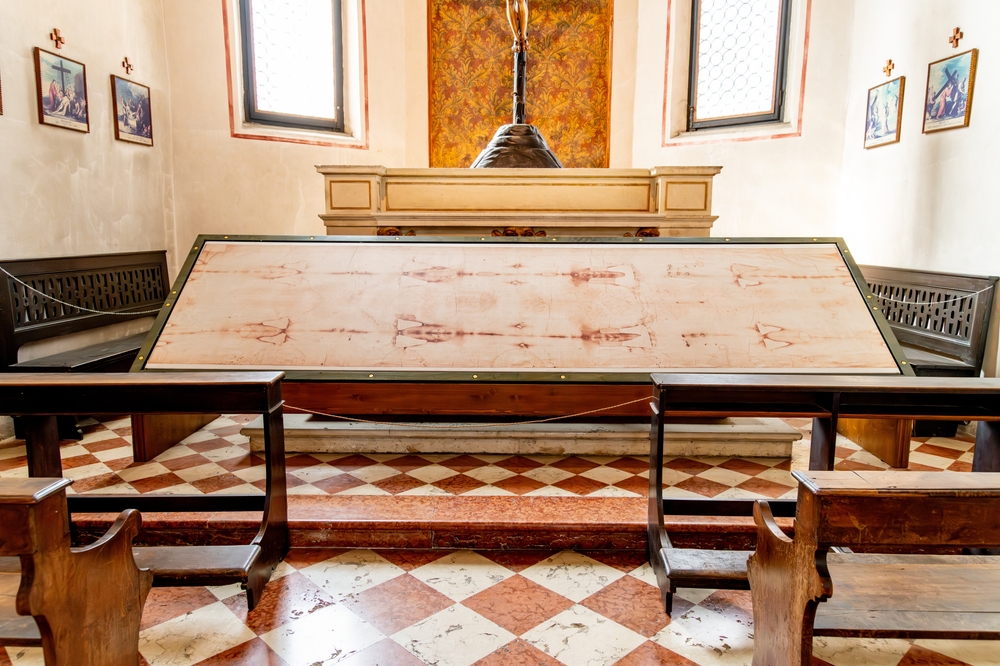
The variety of organisms suggests that the cloth encountered numerous biological environments throughout its history. Some traces could have arrived through handling, storage, transportation or other environmental exposure. However, researchers cannot establish precisely when each organism came into contact with the fabric, meaning the findings cannot independently reconstruct a detailed timeline of its movements.
The identified species included:
- Wheat: A widely cultivated cereal crop with a long history of human use.
- Carrots: A familiar root vegetable cultivated across numerous regions.
- Maize: A crop originating in the Americas.
- Bananas: A fruit with origins in Southeast Asia and a long history of cultivation.
- Peanuts: A crop native to South America.
- Domesticated animals: Genetic traces associated with cattle, pigs, chickens, dogs and cats.
- Mediterranean red coral: An unexpected marine biological signature detected in the samples.
The Shroud Also Contains A Surprising Collection Of Microorganisms
The discovery extended into a microscopic world that would be invisible to anyone examining the linen with the naked eye. Researchers identified bacteria commonly associated with human skin, alongside fungi and microorganisms adapted to salty environments. Some of the organisms belonged to archaea, a group of single-celled microorganisms biologically distinct from bacteria.
Certain archaea can survive in environments with extremely high salt concentrations. Their presence adds another dimension to understanding the biological conditions the Shroud has encountered throughout its history. Combined with the other microbial findings, the results reveal a complicated collection of organisms associated with human contact and environmental exposure.

Human skin naturally carries communities of microorganisms, meaning every person who handles a historical object can potentially transfer biological material onto its surface. Environmental exposure can introduce additional bacteria, fungi and other organisms. Over long periods, these biological traces accumulate and become part of an object’s contamination history.
The Shroud presents a particularly complicated example because it has been exposed to human handling and changing environmental conditions over many centuries. Researchers used computational approaches to classify the recovered genetic material and compare the results from different analytical methods. Even so, some genetic sequences could not be confidently assigned to particular species, highlighting the limitations of studying biological material from historical objects.
Could DNA Finally Solve The Mystery Of The Shroud?
The latest discovery naturally raises questions about whether modern science is getting closer to solving the mystery surrounding the Shroud. For generations, researchers have debated whether the linen could date back to the time of Jesus or originated during the medieval period. The new research provides additional information about the cloth, but it does not settle that debate.
One of the most important scientific investigations took place in 1988, when researchers from laboratories in Oxford, Tucson and Zurich conducted radiocarbon dating on samples from the linen. The published results placed the estimated age of the fabric between 1260 and 1390 AD, supporting a medieval origin. That finding remains an important part of the scientific discussion surrounding the Shroud.
The new DNA investigation does not overturn the earlier radiocarbon results because the two techniques answer different questions. Radiocarbon dating estimates the age of suitable organic material, while metagenomic sequencing identifies genetic traces from organisms that have interacted with a sample. Finding DNA associated with a particular population or species cannot independently establish when the linen was manufactured.
The researchers explicitly acknowledge that the recovered DNA cannot establish the Shroud’s age or authenticity. Centuries of handling have introduced biological material from different sources, making it impossible to reliably separate any original DNA potentially associated with the cloth from later contamination. The findings therefore provide information about its biological history rather than a definitive answer about its origins.
Another Discovery Raises Questions About The Shroud’s Preservation
There is another interesting detail connected to the investigation. Researchers also examined historical threads associated with the Shroud’s reliquary and previous conservation work. Radiocarbon analysis of two distinct textile threads produced date ranges consistent with repair interventions carried out in 1534 and 1694, providing additional information about the cloth’s preservation history.
The Shroud suffered significant damage during a fire in 1532 while it was being kept in a silver reliquary in Chambéry, France. The incident left burn marks and holes that subsequently required repairs. These later interventions introduced additional material that researchers must distinguish from the original linen when investigating the cloth.
The findings concerning the historical threads demonstrate why determining the age of an individual component can be complicated when studying an object that has undergone repairs. Historical artefacts frequently contain several layers of physical and biological evidence, accumulated through preservation, handling and restoration. The Shroud is no exception.
Understanding these different layers allows researchers to investigate the cloth’s history more carefully. It also demonstrates why individual discoveries must be interpreted within their historical context rather than treated as definitive evidence about the object’s original creation.
Modern DNA Technology Is Changing Historical Investigations
The research demonstrates how much information modern forensic science can recover from material collected nearly 50 years ago. Traditional DNA testing often focuses on genetic material from a particular organism, while metagenomic sequencing takes a broader approach by examining genetic material from multiple organisms within the same sample. This makes it particularly useful when investigating historical objects exposed to numerous biological sources.
Forensic genomics can help identify the organisms represented in recovered genetic material. Proteomics, meanwhile, examines proteins that can provide additional information about biological materials. Together, these approaches can help researchers investigate how historical objects have been handled, preserved and exposed to different environments.
The techniques could also prove useful when examining ancient textiles, archaeological remains and other objects with complicated histories of human contact. Recovering biological information from older samples gives researchers opportunities to revisit material using technologies that were unavailable when the samples were originally collected.
Professor Procopio emphasized the value of these developments in her comments about the investigation. She explained that the findings offer new insights into the biological complexity preserved within samples collected decades earlier, demonstrating how advances in forensic DNA technologies can reveal information that earlier investigations could not access.
The Shroud’s Greatest Mystery Remains Unanswered
The latest DNA research has revealed an extraordinary collection of biological traces preserved within the Shroud of Turin. Human genetic material, animal DNA, cultivated plants, microorganisms and Mediterranean red coral all contribute to its complicated biological history. The findings give researchers another opportunity to investigate an object that has remained scientifically and culturally significant for centuries.
Yet the evidence of contamination may be one of the study’s most revealing discoveries. The genetic match involving the scientist who collected the 1978 samples demonstrates how easily later human contact can become part of the scientific record. For now, modern science can uncover more of the Shroud’s history, but the DNA preserved within its fibres has still not identified the person behind its famous image.