
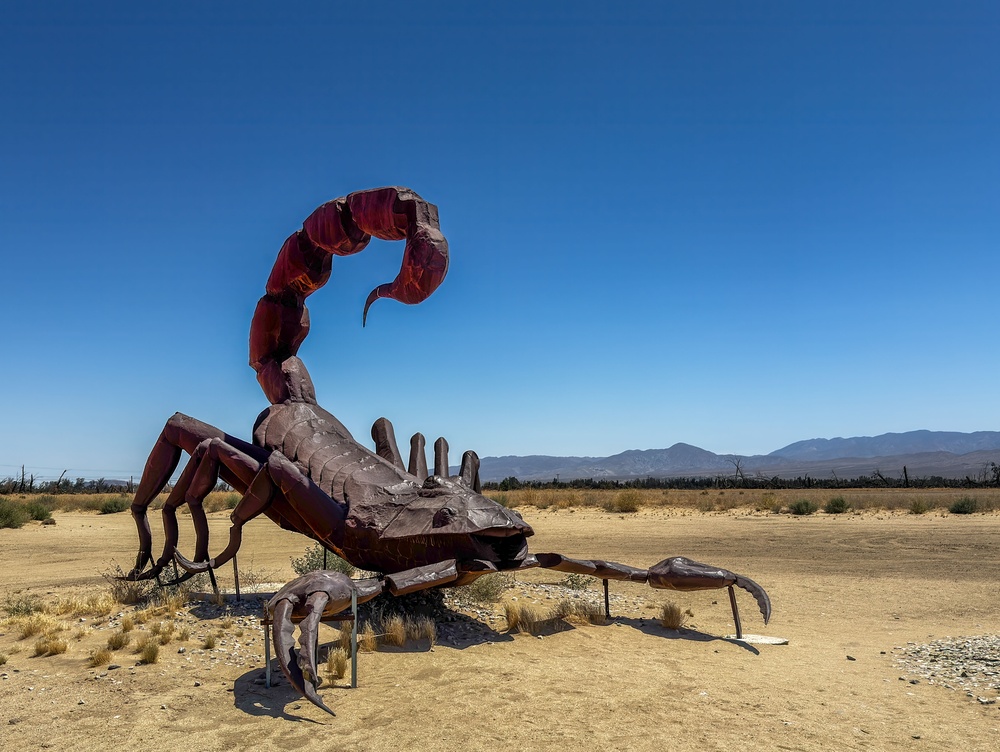
Imagine encountering a scorpion stretching more than a meter in length, with enormous pincers measuring 16 centimeters. It sounds like something from a science-fiction horror film, but such a creature once existed on Earth. Long before dinosaurs appeared, this giant predator hunted through ancient environments, at a time when life was only beginning to establish itself on land.
Scientists have now identified what may be the largest scorpion ever discovered, giving a name to a mysterious prehistoric creature whose fossils have puzzled researchers for more than a century. Known as Praearcturus gigas, the animal lived approximately 415 million years ago. Its remarkable size, unusual anatomy and possible ability to hunt in both water and on land are offering new clues about the evolution of early life.
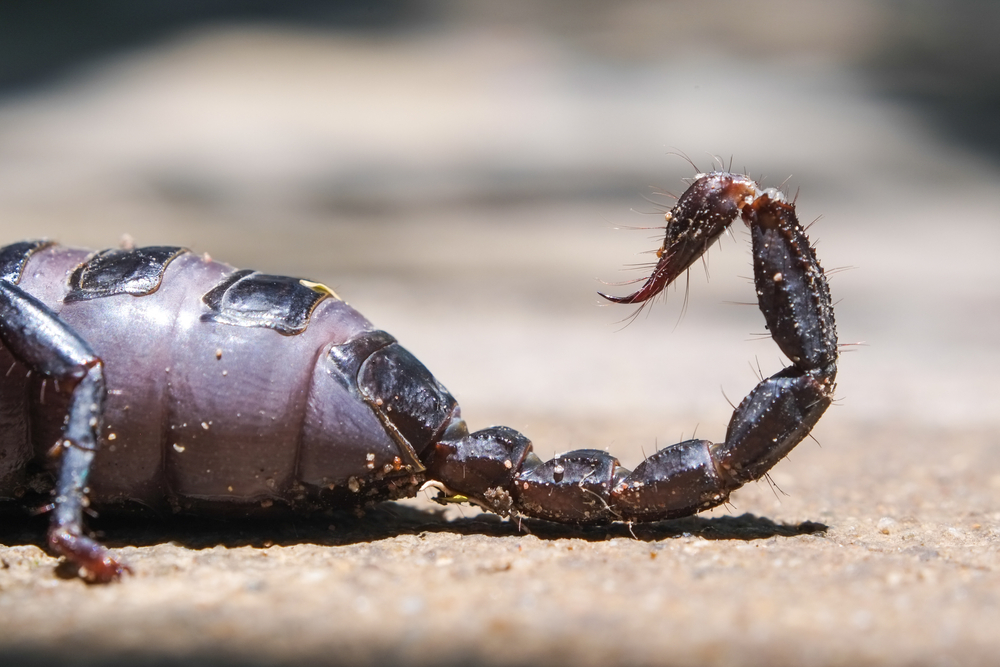
Scientists Finally Identify A Mysterious Ancient Predator
The fossils of Praearcturus gigas were discovered in the United Kingdom and first described during the 1870s. However, scientists struggled for decades to determine exactly what animal they represented. The remains contained unusual anatomical features that made identification difficult, leaving questions about the creature’s classification and evolutionary relationships unanswered. Recent research has now provided a much clearer picture of the enormous animal that once inhabited ancient floodplains.
Researchers used CT scans alongside traditional camera lucida tracings to examine the fossil structures in greater detail. Their analysis, published in the journal Palaeontology, helped establish that the remains belonged to an enormous prehistoric scorpion. The animal is estimated to have exceeded one meter (3.3 feet) in length, making it roughly comparable in size to a medium-sized dog. If the estimates are correct, it could be the largest known scorpion to have existed.
Its pincers were particularly impressive, measuring approximately 16 centimeters (6.3 inches) long. That is longer than the entire body of many scorpions living today. Such enormous appendages suggest the creature was well equipped to capture and handle prey in its environment. Paleontologist Richie Howard suggested that its extraordinary size could have been connected to the limited number of large predators competing for food at the time.
“This species might have grown so big because there weren’t any other large predators, allowing it to dominate its environment,” Howard explained. The possibility offers an interesting glimpse into the conditions that allowed some prehistoric animals to reach sizes rarely seen among their modern relatives. With fewer large competitors occupying its habitat, P. gigas may have enjoyed access to resources that supported its enormous body.
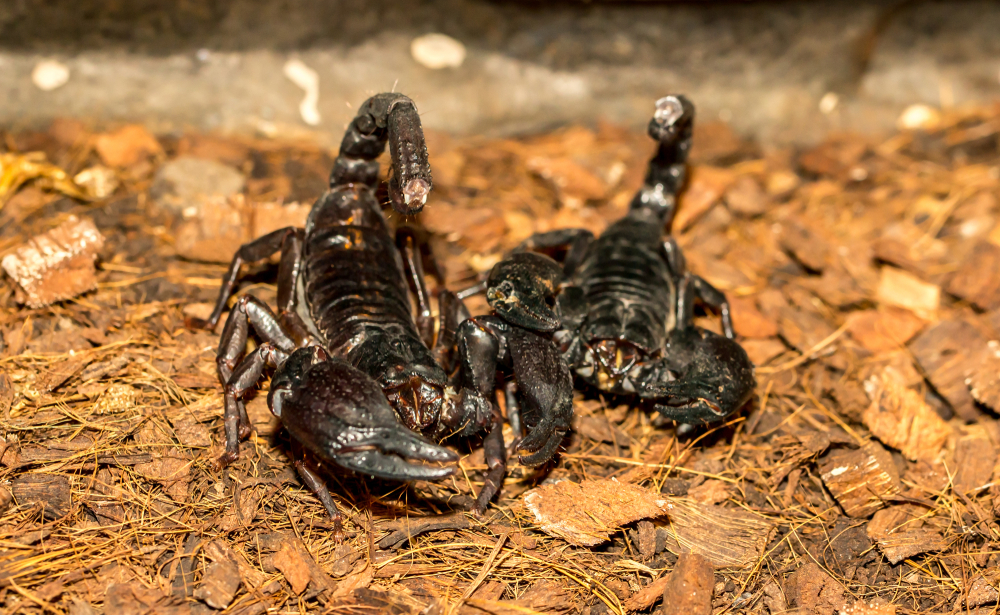
Earth Looked Completely Different When This Scorpion Lived
Around 415 million years ago, Earth was experiencing an important period in the development of life on land. Terrestrial ecosystems were still relatively young, and many of the animal groups that would eventually dominate the planet had not yet appeared. The ancestors of reptiles, mammals and birds were still in the water, while early land environments were occupied by a very different collection of organisms.
Howard explained that Praearcturus lived when life on land was only beginning to develop. Its existence therefore provides evidence of the unusual predators that occupied these early environments before modern terrestrial ecosystems took shape. The animal would have lived among organisms that looked nothing like the wildlife people encounter today, in habitats that were still undergoing major biological changes.
Large predators were also less common in these early terrestrial environments. This may have given P. gigas an advantage over other animals competing for food and suitable habitats. Its enormous size could have helped it become a dominant hunter in areas where there were few similarly large creatures capable of challenging it.
The changing environment eventually brought new challenges. As more animals developed and occupied terrestrial habitats, competition for food and resources increased. The conditions that once benefited the giant scorpion may have gradually disappeared, making its eventual decline part of a much larger story about how ancient ecosystems evolved.
The Giant Scorpion May Have Hunted In Water Too
One of the most interesting aspects of the discovery concerns where Praearcturus gigas actually lived. Although researchers identify it as a scorpion, evidence from its fossils suggests it may have spent time in aquatic environments as well. This possibility is particularly fascinating because the animal lived during a period when land-based ecosystems were still developing and water remained an important habitat for many early forms of life.
Fossils discovered in Wales contain structures known as epimera. These flap-like features are found on the animal’s body and resemble structures associated with modern aquatic arthropods, including lobsters and crabs. Their presence has led researchers to consider whether P. gigas possessed adaptations that allowed it to spend time in water. The structures provide an important clue about how the animal may have used its environment.
Howard and his colleagues believe the giant scorpion could have hunted in both aquatic and terrestrial habitats. Having access to different environments may have allowed it to find prey across a wider area, particularly when life on land was still becoming established. This potential flexibility could have provided a significant advantage during a period when suitable food sources and habitats were changing.
However, the exact details of its lifestyle remain uncertain. Fossils can preserve physical structures, but they rarely provide a complete picture of an extinct animal’s daily behavior. Researchers must interpret these anatomical clues alongside comparisons with living species and other fossil discoveries to understand how P. gigas might have survived.
Scientists Found Evidence Of An Unusual Sound-Making Ability
The enormous pincers were not the only unusual feature identified during the investigation. Researchers also noticed distinctive ridge patterns on one of the creature’s limbs. These structures may indicate that Praearcturus was capable of producing sounds by rubbing parts of its body together, a process known as stridulation.
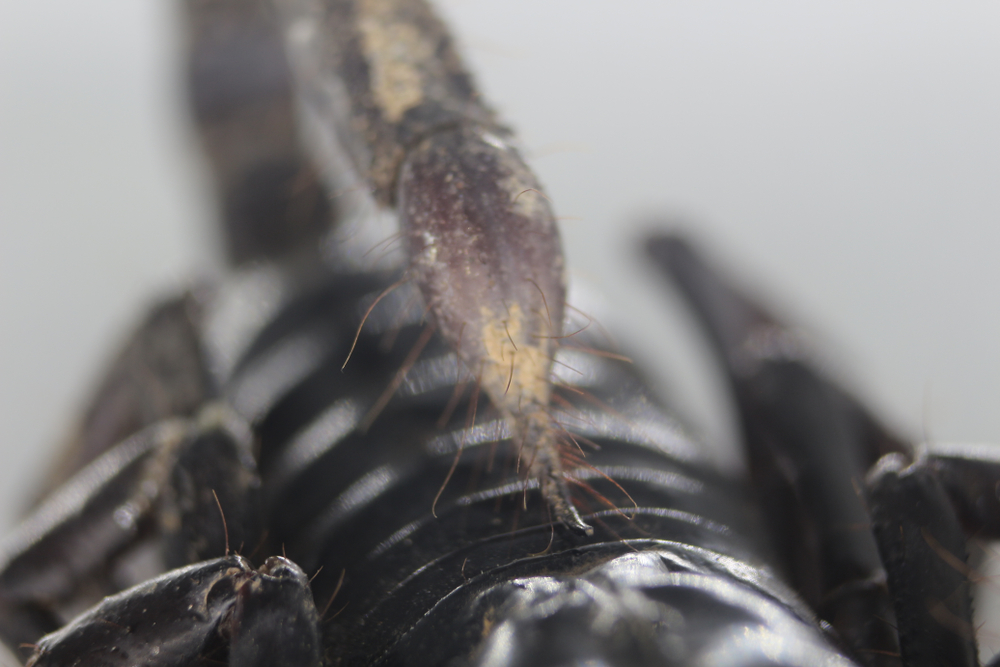
Stridulation is a behavior found in some living scorpions and other arthropods. It involves creating friction between body structures to produce sound. The discovery of similar ridge patterns in the prehistoric animal raises the possibility that this ability has a much older evolutionary history than previously understood. It also provides another detail that helps scientists build a picture of the creature’s anatomy.
The purpose of this possible sound-making behavior remains unclear. Modern animals can use stridulation in different circumstances, including communication and defensive interactions. However, researchers cannot establish whether P. gigas used the same behavior or produced sounds for similar reasons.
The finding demonstrates how small anatomical details can reveal unexpected information about animals that disappeared millions of years ago. Even when fossils preserve only fragments of an organism, features such as ridges and appendages can provide clues about how it interacted with its surroundings.
Another Ancient Scorpion Helped Solve The Mystery
The identification of Praearcturus gigas also involved comparisons with another prehistoric scorpion known as Eramoscorpius. Fossils of this ancient animal were discovered in Canada and provided additional material for researchers studying the evolutionary relationships of early scorpions. Comparing the specimens helped scientists understand where the British fossils belonged within the scorpion family tree.
This comparison was especially valuable because the original P. gigas fossils had remained difficult to interpret since their description in the nineteenth century. Modern scanning techniques allowed researchers to examine structures more closely, while the additional fossil evidence provided useful points of comparison. Together, these approaches helped clarify the animal’s classification.
The discovery also raises questions about how scorpions evolved and adapted to different environments. Scorpions belong to the arachnid group, which includes spiders and several other related animals. Their evolutionary history is connected to the development of different respiratory systems and adaptations that allowed their ancestors to survive outside aquatic environments.
Paleontologist Greg Edgecombe of the Natural History Museum in the UK explained that genetic evidence suggests scorpions are closely related to other arachnids that share book lungs, including spiders. These respiratory structures are associated with breathing air, providing an important clue about the evolutionary background of the group.
How Scorpions May Have Returned To The Water
The evolutionary history of scorpions presents an interesting question. If their ancestors were air-breathing animals that had adapted to life on land, how did some members of the lineage develop features associated with aquatic environments? The possible amphibious lifestyle of Praearcturus offers researchers an opportunity to investigate this question through fossil evidence.
“Our best family trees from DNA sequences suggest that scorpions are closely related to other arachnids with which they share book lungs, such as the spiders,” Edgecombe explained. This relationship suggests that scorpions descended from an air-breathing ancestor, meaning their evolutionary history may have involved a transition from water to land before some lineages returned to aquatic habitats.
Edgecombe also suggested that Praearcturus could represent an example of an animal whose ancestors moved onto land before its lineage adapted to life in water again. Such changes are significant because they show how animal groups can evolve in response to changing environmental conditions over millions of years.
The fossil evidence cannot answer every question about this transition. Researchers still need to understand how these adaptations developed and what environmental pressures encouraged particular scorpion lineages to use aquatic habitats. Nevertheless, P. gigas provides an unusual example that could help scientists investigate the relationship between early land animals and their aquatic ancestors.
What Happened To The World’s Giant Scorpion?
Despite its enormous size, Praearcturus gigas did not remain dominant forever. Earth’s ecosystems continued changing over millions of years, with new animals appearing and occupying habitats that had once supported very different forms of life. As terrestrial environments became more complex, the giant scorpion may have faced increasing competition for food and other resources.
Later prehistoric environments supported enormous arthropods, including millipedes that reached extraordinary sizes and dragonflies with impressive wingspans. These creatures lived in ecosystems that developed long after the period represented by the oldest P. gigas fossils. Their appearance illustrates how dramatically life on land changed as different groups evolved and expanded into new ecological roles.
Researchers suggest that growing competition for food may have contributed to the decline of the giant scorpion. However, its disappearance was probably not an immediate event. The lineage may have survived for another 40 million years beyond the age represented by the fossils currently being studied, although the exact circumstances surrounding its extinction remain uncertain.
The discovery therefore offers more than evidence of an unusually large prehistoric animal. It provides a glimpse into an early stage of Earth’s history when the boundaries between aquatic and terrestrial life were still changing. A predator that once dominated its environment has left behind fossils that continue to reveal how dramatically the planet’s ecosystems have evolved.
Sources:
Howard, R. J., Garwood, R. J., Edgecombe, G. D., & Legg, D. A. (2026). A revision of Praearcturus gigas: a giant scorpion from the Lower Devonian (Lochkovian) of Britain. Palaeontology, 69(3), e70064. https://doi.org/10.1111/pala.70064