
Your cart is currently empty!
A 165-Year Tradition Ends as Trump’s Signature Heads to US Banknotes
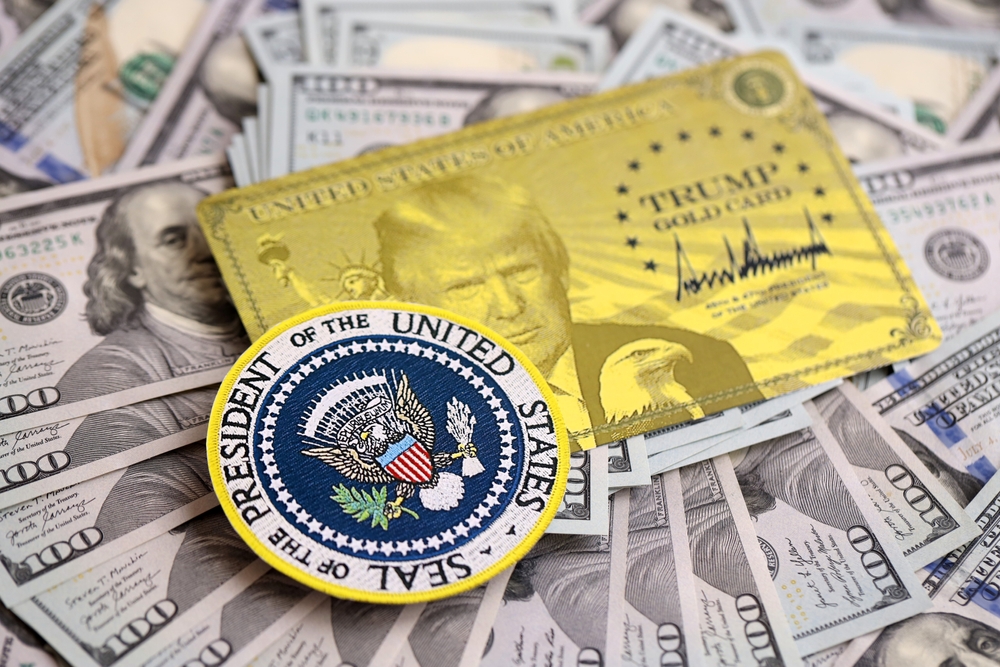
The look and feel of money rarely changes in ways that capture public imagination. Currency tends to evolve slowly, shaped by decades of policy, tradition, and institutional continuity. That is precisely why a recent announcement tied to former US President Donald Trump has stirred both intrigue and debate across political and economic circles.
Contents
show
According to multiple reports, a decision has been made to introduce a change to US currency that will end a 165-year-old tradition. The move, which involves replacing a long-standing feature with Trump’s signature, has triggered a wave of reactions ranging from curiosity to criticism.
While some see it as a symbolic modernization or assertion of leadership identity, others interpret it as a break from a carefully maintained nonpartisan legacy. To fully understand the significance of this development, it is essential to explore its historical roots, the policy mechanics behind it, and what it could mean for the future of US institutions.
A Tradition That Spanned Over a Century
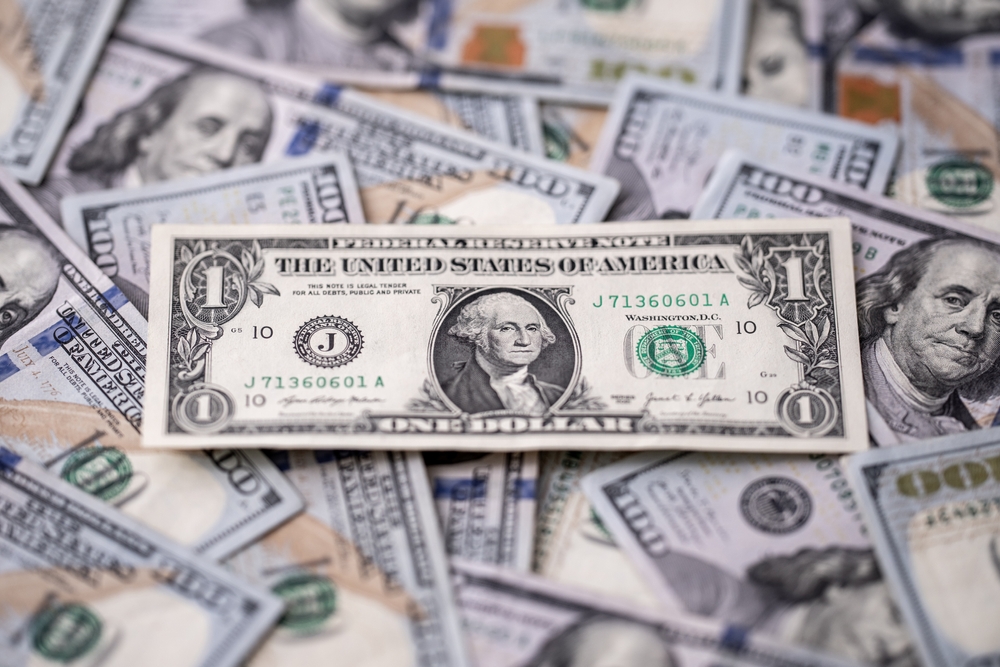
For more than 165 years, US currency has followed a consistent and largely apolitical design principle when it comes to official signatures. Traditionally, the signatures appearing on US banknotes belong to the Secretary of the Treasury and the Treasurer of the United States. This convention has been in place since the 19th century and has remained largely untouched through changing administrations.
This long-standing practice was not merely aesthetic. It represented institutional continuity rather than political identity. Regardless of who occupied the White House, the currency reflected the authority of the Treasury as an institution rather than the personal brand of a president.
Over time, these signatures became a quiet but powerful symbol of stability. They reinforced the idea that US currency stands above political cycles, embodying trust in the system rather than allegiance to any individual leader.
The reported change challenges this deeply rooted tradition. By introducing a presidential signature into a space historically reserved for Treasury officials, the move alters not just the visual identity of currency but also its symbolic meaning.

What Exactly Is Changing and Why It Matters
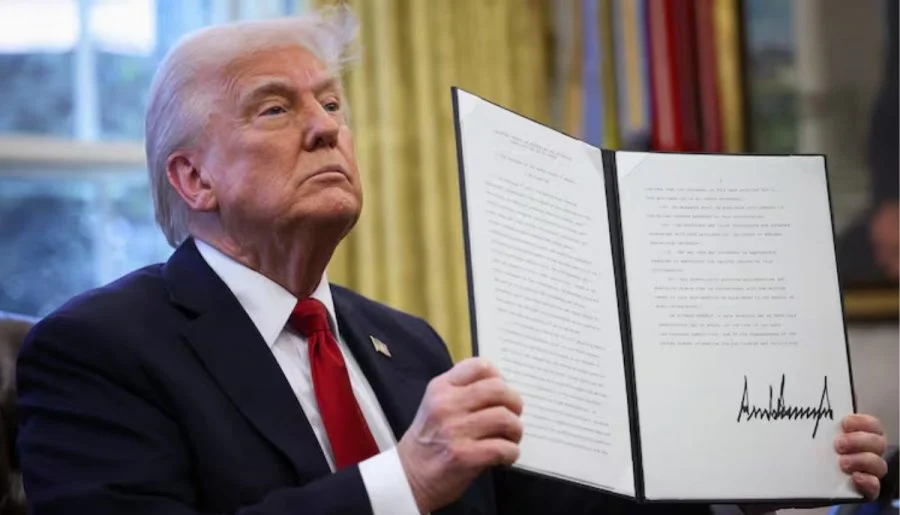
According to reporting from Reuters and other outlets, the US Treasury confirmed that Donald Trump’s signature will appear on US currency, marking a significant departure from precedent. This decision effectively replaces a system that has been consistent for generations, one that many Americans have come to associate with institutional continuity and stability.
The rationale behind the change has not been universally framed in one way, which adds to the intrigue surrounding it. Some interpretations suggest that it reflects an effort to leave a lasting mark on national symbols, aligning currency design more closely with executive authority and leadership legacy. Others see it as part of a broader pattern of redefining institutional norms in ways that reflect evolving political dynamics and priorities in modern governance.
From a technical perspective, the change will require updates to currency plates and printing processes, something the Bureau of Engraving and Printing handles periodically. While these adjustments are routine in the context of redesigns or anti-counterfeiting upgrades, the symbolic shift is what has captured public attention and driven widespread discussion.
The importance of this change lies in how it redefines the relationship between political leadership and national symbols. Currency is not just a medium of exchange that facilitates everyday transactions across the economy. It is also a representation of national identity, governance, and the values that underpin a country’s institutional framework, making even subtle changes highly significant.
Political Reactions and Public Debate
As expected, the announcement has sparked a wide range of reactions across the political spectrum, highlighting deep divisions as well as areas of curiosity. Supporters of Donald Trump have praised the move as bold and historic, viewing it as a reflection of strong leadership and a willingness to challenge outdated conventions that no longer reflect the current political landscape. For many, it symbolizes a break from tradition in favor of a more personalized and assertive approach to governance.
Critics, however, have raised concerns about politicizing a traditionally neutral element of national life, arguing that currency should remain above partisan influence. For them, the introduction of a presidential signature onto currency risks blurring the line between institutional authority and individual branding, potentially setting a precedent that could erode long-standing norms designed to preserve neutrality.
Public discourse has also extended beyond partisan lines, with economists, historians, and policy analysts weighing in on the implications. Some observers have questioned whether such changes set a precedent that future administrations might follow, potentially leading to a cycle of redesigns tied to political shifts rather than practical necessity. This raises concerns about consistency and the long-term identity of national symbols.
At the same time, others argue that currency has always evolved and that change is inevitable in any dynamic society. They suggest that debates like these are part of a broader conversation about how traditions adapt in modern governance, where historical practices must sometimes be reconsidered in light of contemporary realities and expectations.
Historical Context and Comparisons
While the current development may feel unprecedented, history offers examples of how currency has been used to reflect political and cultural priorities at different points in time. From the inclusion of national heroes to the redesign of notes for security purposes, US currency has undergone numerous transformations that mirror shifts in societal values and technological advancements.
However, the inclusion of a sitting or former president’s signature in this context marks a distinct departure from previous practices, making it particularly noteworthy. Past changes have generally emphasized collective identity and institutional authority rather than individual recognition, reinforcing the idea that currency belongs to the nation rather than any single leader.
International comparisons provide additional perspective and help place the decision in a global context. In some countries, political figures have been prominently featured on currency as a reflection of national pride or leadership influence, while others have deliberately avoided such personalization to maintain neutrality and prevent politicization of financial symbols.
This raises an important question about what role currency should play in representing a nation in the modern world. Should it reflect current leadership, historical legacy, or institutional continuity? The answer varies depending on political culture and governance philosophy, making this debate both complex and deeply relevant.
Economic and Institutional Implications
From an economic standpoint, the change is unlikely to affect the value or functionality of US currency in any direct or measurable way. The dollar’s strength is rooted in broader factors such as economic performance, monetary policy decisions by the Federal Reserve, and global confidence in the US financial system, all of which remain unchanged by design alterations.
However, the institutional implications are more complex and may carry longer-term significance. Currency design decisions are often seen as signals of governance priorities and institutional direction, even if they do not directly influence markets. Altering a long-standing tradition may influence how both domestic and international audiences perceive institutional stability and continuity.
There is also the question of precedent, which continues to be a central theme in discussions about the change. If one administration introduces a significant symbolic shift, future administrations may feel empowered or even obligated to do the same, potentially leading to a more dynamic but less consistent approach to national symbols over time.
At the same time, some experts argue that institutions are resilient enough to absorb such changes without long-term disruption or erosion of trust. They emphasize that symbolism, while important, does not necessarily override structural stability, particularly in a system as deeply rooted and globally influential as that of the United States.

What This Means for the Future of US Traditions
The introduction of Donald Trump’s signature on US currency represents more than a simple design update that can be easily overlooked. It reflects an evolving relationship between tradition and change in American governance, where long-standing practices are increasingly being revisited and, in some cases, redefined.
For some, the move signals a willingness to rethink long-standing norms in order to reflect contemporary leadership and modern political realities. For others, it raises concerns about preserving the nonpartisan foundations of national institutions, which have historically served as a stabilizing force in times of political change.
Looking ahead, the key question is not just whether this change will endure, but how it will influence future decisions across different administrations. Will it remain a one-time exception driven by a unique moment in history, or will it open the door to further personalization of national symbols in ways that reshape public expectations?
Ultimately, the answer will depend on how policymakers, institutions, and the public navigate the balance between innovation and continuity. This balance will play a crucial role in determining how traditions evolve while still maintaining the trust and legitimacy that underpin democratic systems.
A Symbolic Shift with Lasting Questions
The decision to place Donald Trump’s signature on US currency marks a significant moment in the evolution of American traditions and institutional identity. It challenges a practice that has stood for over a century and invites a broader conversation about the role of symbolism in governance and public life.
While the immediate impact may be largely visual and symbolic, the deeper implications lie in how institutions adapt to change over time. Currency, often taken for granted in daily transactions, serves as a powerful reminder of the values and structures that underpin a nation’s economic and political systems.
As the debate continues, one thing is clear. This development has sparked a renewed interest in the meaning behind everyday objects and the traditions they represent, encouraging people to think more critically about the symbols they encounter regularly.
In a world where change is constant and often rapid, the way societies choose to preserve or redefine their symbols can reveal as much about their future as their past. This moment may ultimately be remembered not just for the change itself, but for the conversations and reflections it has inspired.
Sources
- Treasury announces President Donald J. Trump’s signature to appear on future U.S. paper currency. (2026, February 13). U.S. Department of The Treasury. https://home.treasury.gov/news/press-releases/sb0425