
Your cart is currently empty!
Adorable Dog Interrupts Olympic Skiing Event and Wins Hearts Worldwide
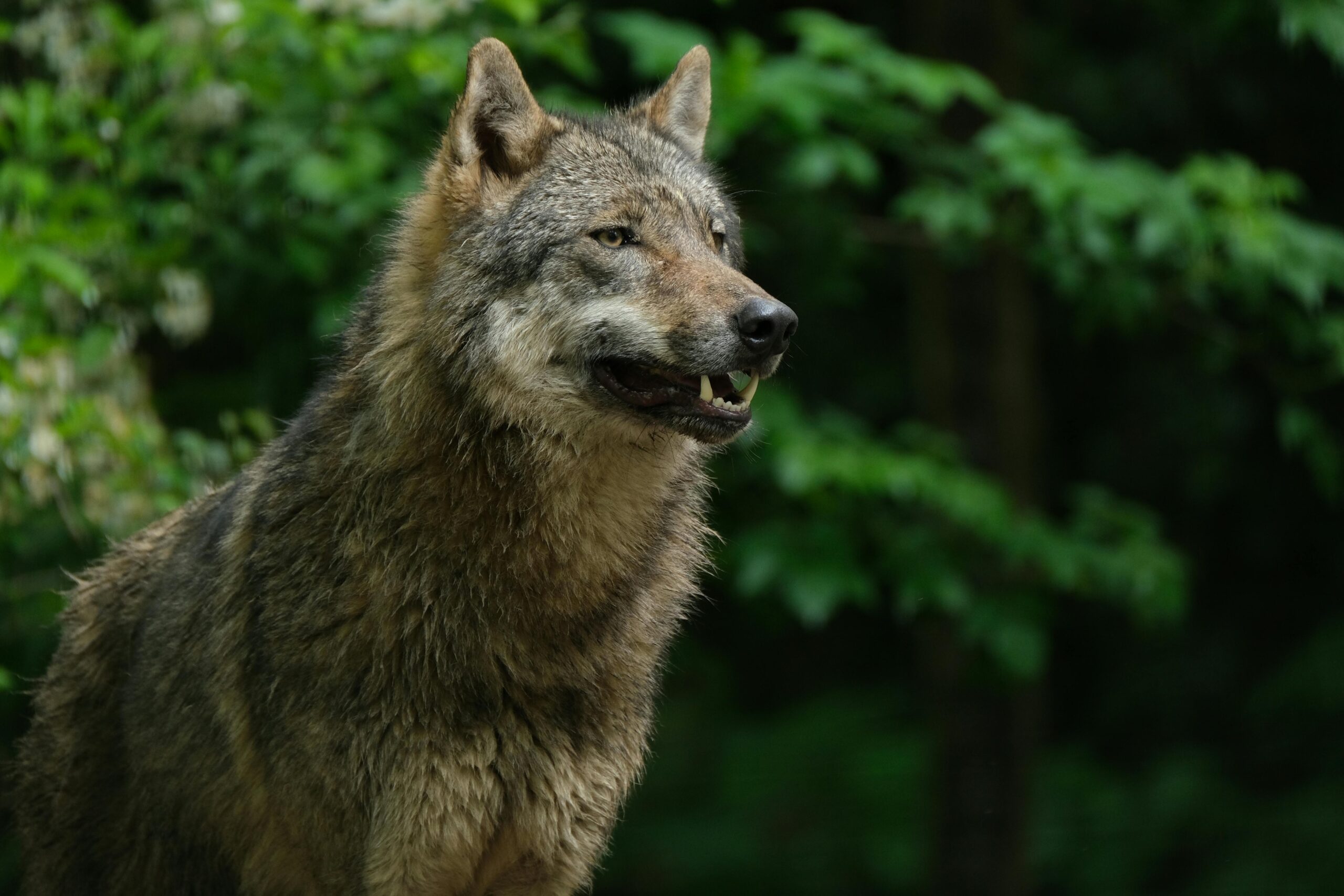
The Winter Olympics are designed to represent the highest level of preparation, discipline and composure that sport can offer, with athletes dedicating years of structured training, personal sacrifice and mental conditioning for races that may be decided in mere seconds. In Lago di Tesero, Italy, however, one unforgettable and completely unscripted moment reminded the world that even the most meticulously organized global event can be interrupted by something entirely unexpected. During the women’s team sprint qualifying race in cross-country skiing at the 2026 Winter Olympic Games, a local dog managed to break free from home and charge straight into the final stretch of the course, creating a scene that was equal parts confusion, concern and viral gold.
Contents
show
As competitors powered through the closing meters of the race, muscles burning and lungs straining as they fought for position, a four-legged figure suddenly appeared behind them on the snow. Television cameras captured the animal, which looked strikingly like a wolf, running directly alongside the athletes as if he had been part of the competition all along. Within moments he crossed the finish line just after two skiers and even slipped into the photo finish frame, producing one of the most surreal images of the Games so far. What began as a startling interruption quickly transformed into a global talking point, with social media feeds filling up with clips of the determined dog who briefly joined the Olympic field.
A two-year-old Czechoslovakian wolfdog named Nazgul briefly stole the spotlight at the Olympic Games after wandering onto the course and trotting into the women’s cross-country sprint photo finish.
— Breaking911 (@Breaking911) February 18, 2026
pic.twitter.com/7YtmLbvynl
A Race Interrupted by Four Paws
The incident took place on Feb. 18 during the women’s team sprint qualifying round, a phase of competition where athletes fight to secure a place in later heats and every second matters. The atmosphere leading into the homestretch had been intensely focused, with competitors driving their skis into the snow in synchronized bursts of speed while coaches shouted final instructions from the sidelines. Then, without warning, the dog entered the final stretch of the course and began running directly behind the skiers, matching their line down the track in a way that appeared almost intentional. Spectators who had been concentrating on race times suddenly shifted their attention toward the animal, lifting their phones to record a moment that would soon travel far beyond the venue.
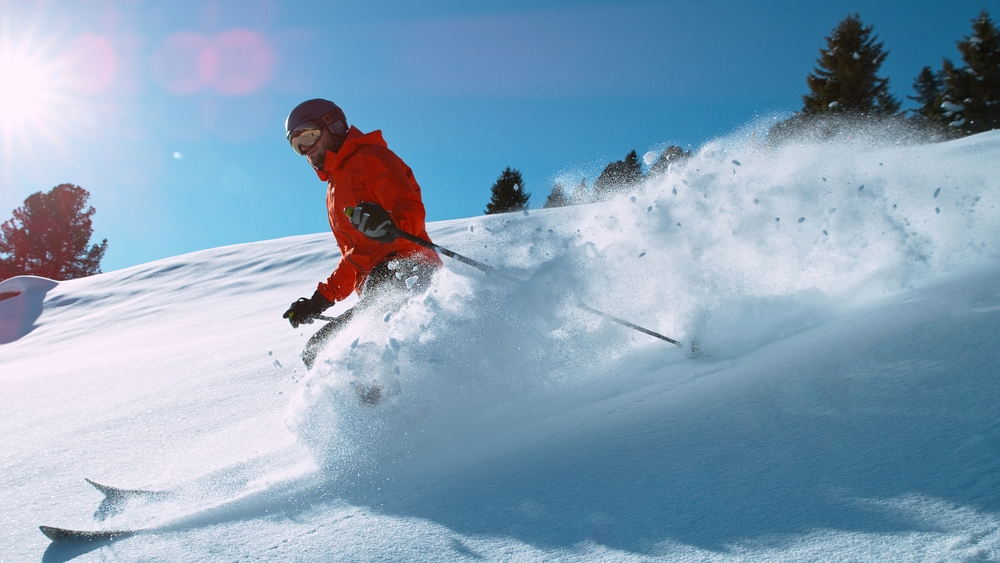
The dog’s confident stride across the snow created a striking visual contrast against the structured environment of elite competition. Framed by Olympic signage and safety barriers, he looked oddly at ease, weaving into the backdrop of one of the world’s most prestigious sporting events. As he crossed the finish line just seconds after two athletes, the scene blurred the boundary between high-performance sport and everyday unpredictability, leaving commentators momentarily scrambling to process what viewers were seeing in real time.
Race officials responded swiftly once the animal reached the finishing area, moving in to collar him and escort him safely off the course. No athletes were injured, and organizers later confirmed that the results of the qualifying round were not significantly affected, particularly because the top medal contenders had already completed their runs. Still, the brief disruption underscored how quickly a carefully controlled environment can shift when something entirely unforeseen enters the frame.
Surprise 4-legged Olympic competitor wows cross-country fans – NPR 🥰🐶 https://t.co/imbxrB8oNd
— Pep & Aggie’s Farm (@PepAggie) February 18, 2026
“Am I hallucinating?” Athletes Caught Off Guard
For the athletes still racing when the dog appeared, the moment was far from lighthearted at first. Croatian skier Tena Hadžić later described the split second of disbelief she experienced as the animal approached her in the final stretch. “I was like, ‘Am I hallucinating?” she said. “I don’t know what I should do, because maybe he could attack me, bite me.” In the intensity of Olympic competition, where the body is already operating at its limit and concentration is razor sharp, the sudden appearance of a loose animal introduced uncertainty that no athlete trains for.
Hadžić admitted that her reaction likely cost her “some seconds,” a seemingly small amount of time that can feel enormous in sprint formats. Although she was not in contention for a medal, she was quick to acknowledge the broader implications of such an interruption. “It’s not that big deal, because I’m not fighting for medals or anything big,” she said. “But if that happened in the finals, it could really cost someone the medals, or a really good result.” Her response balanced perspective with realism, recognizing both the humor of the situation and the genuine risk it posed.
Cross-country skiing demands continuous calculation, with athletes adjusting technique, tempo and energy output while navigating terrain that shifts under their skis. A sudden distraction can disrupt breathing patterns, break stride rhythm and alter momentum in ways that are difficult to recover from. While viewers at home saw a viral clip that inspired laughter, competitors on the course had to assess potential danger and maintain speed at the same time, a mental juggling act that added another layer of challenge to an already punishing race.
Important addition here!
— drizzleray.bsky.social (@drizzleray.bsky.social) February 18, 2026 at 6:45 PM
[image or embed]
Meet Nazgul, the “Stubborn, but Very Sweet” Escape Artist
The dog was later identified as Nazgul, a two-year-old Czechoslovakian wolfdog who lives near the course and whose appearance quickly became the subject of international curiosity. According to NPR, his owners are related to an event official and were contacted for a brief interview while driving to watch an Olympic biathlon race at another venue. Because of the sudden and intense media attention surrounding Nazgul’s dash onto the course, the owner requested anonymity, highlighting just how rapidly a local pet had become a global headline.
That morning, Nazgul had reportedly been more emotional than usual as his owners prepared to leave. “He was crying this morning more than normal because he was seeing us leaving — and I think he just wanted to follow us,” the owner explained. “He always looks for people.” Those simple words reframed the entire episode, transforming what looked like a dramatic intrusion into a story about attachment and curiosity rather than mischief.
Described as a “stubborn, but very sweet” Czechoslovakian wolfdog, Nazgul’s personality seems to align with the bold move he made. His escape from a nearby bed-and-breakfast and sprint toward the Olympic venue was not an act of aggression but likely an instinctive attempt to stay close to familiar faces and the energy of the crowd. In that light, the viral moment becomes less about disruption and more about a young animal navigating a world that suddenly felt exciting and unfamiliar.
DOG AT THE OLYMPICS FULL COMPETITION HIGHLIGHTS
— Rodger Sherman (@rodger.bsky.social) February 18, 2026 at 6:26 PM
[image or embed]
Safety Questions Behind the Viral Moment
Even though the incident ended without injuries, it inevitably prompted questions about how such a breach occurred at a major international event. Cross-country skiing courses often stretch through forests and open landscapes, making them inherently more difficult to fully enclose than indoor arenas or compact stadiums. Natural terrain adds beauty and authenticity to the sport, but it also introduces variables that organizers must constantly manage.
Large-scale competitions typically rely on layered security measures that include fencing, volunteer marshals, coordination with local authorities and contingency planning for unexpected scenarios. In this case, officials acted quickly once Nazgul entered the finishing stretch, ensuring that both athletes and the dog remained unharmed. The rapid response helped prevent what could have become a far more serious situation.
Had the interruption occurred during a medal-deciding final, the stakes would have been significantly higher. Olympic races are often decided by tenths or even hundredths of a second, margins that reflect years of dedication and sacrifice. Hadžić’s observation that such a moment “could really cost someone the medals, or a really good result” serves as a reminder that while viral clips can feel lighthearted, the competitive consequences in elite sport are very real.
From Intruder to Internet Star
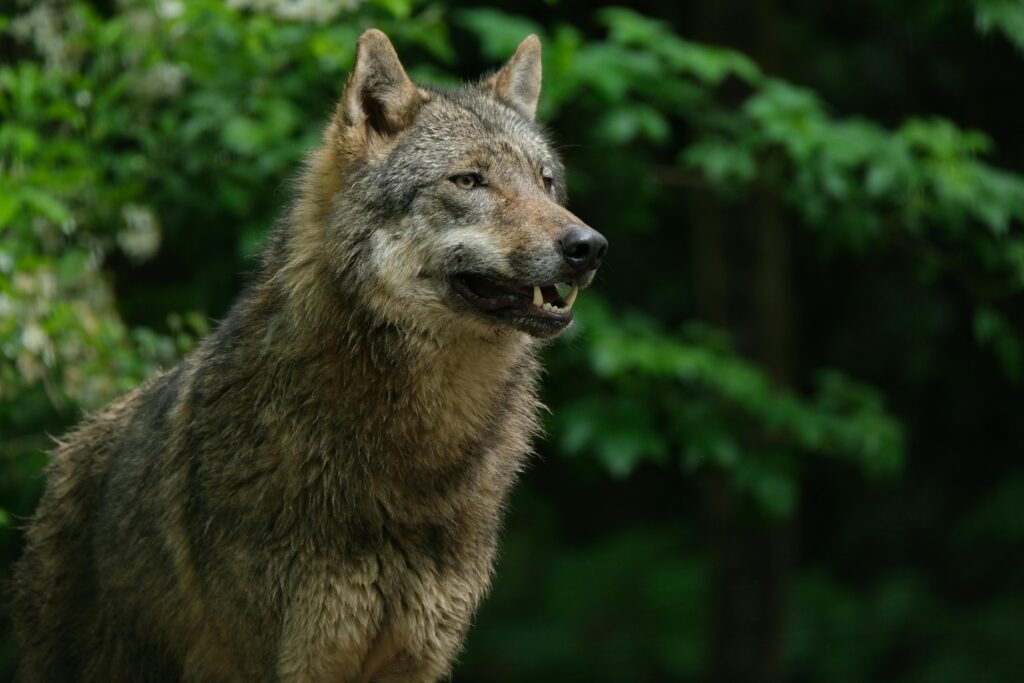
Despite the underlying safety concerns, the dominant public reaction was one of amusement and affection. Videos of Nazgul bounding across the snow circulated widely, with viewers joking that he deserved his own bib number or honorary medal. In a Games filled with intense rivalries, national expectations and emotional storylines, the spontaneous appearance of a joyful dog offered a rare and refreshing break from pressure.
There is something universally appealing about an animal running freely through snow, especially against the dramatic backdrop of Olympic competition. You do not need to understand race strategy, split times or waxing techniques to appreciate the image of a determined wolfdog keeping pace with elite athletes. That accessibility helped transform the moment into a shared global experience that transcended language and nationality.
The Olympics often highlight stories of resilience, sacrifice and ambition, but Nazgul’s cameo reminded audiences that unpredictability remains part of live sport. A simple act of following his owners turned into one of the most memorable images of the day, proving that sometimes the most enduring moments are not the ones written into the program but the ones that unfold unexpectedly.
A Reminder That Not Everything Can Be Scripted
When the final medal counts are tallied and official results archived, it is often the unscripted moments that linger in collective memory. Nazgul did not alter the standings or step onto a podium, yet his brief appearance secured him a place in the narrative of the 2026 Winter Games. His sprint across Olympic snow became a snapshot that captured both the seriousness and spontaneity of international competition.
The incident also reinforced the humanity of the event itself. Athletes can be startled, organizers can be surprised and even the most carefully coordinated global spectacle can experience a moment of unpredictability. That element of the unknown is part of what keeps live sport compelling and emotionally resonant for viewers around the world.
In the end, Nazgul returned home safely, the race results remained intact and the Games continued as planned. Yet for many watching, the image of a “stubborn, but very sweet” young wolfdog charging down the homestretch will remain one of the defining memories of the competition, a reminder that even in environments built on precision and control, life still has a way of running onto the course.