
Your cart is currently empty!
After Speaking Out for Her Detained Father, 16-Year-Old Girl Dies From Stage 4 Cancer

A Chicago family that once found itself at the center of a national immigration debate is now mourning an unimaginable loss that has resonated far beyond their neighborhood. Ofelia Torres, a 16-year-old who publicly pleaded for the release of her father from immigration custody while battling an aggressive cancer diagnosis, died on Friday, Feb. 13, leaving behind a story that intertwined illness, advocacy, and family devotion in a way few could ignore. Her death came only days after an immigration judge ruled that her father would be allowed to remain in the United States, a decision she witnessed through Zoom despite her declining health. For months, her name had circulated in headlines because she chose to speak up during one of the most painful periods of her life, confronting both a life threatening disease and the possibility of losing her father to deportation at the same time.
Contents
show
Ofelia’s life became a powerful intersection of illness, immigration policy, and youth advocacy in modern America, drawing attention from elected officials, legal advocates, and everyday people who saw their own families reflected in her struggle. While she endured chemotherapy treatments and extended hospital stays after being diagnosed with Stage 4 alveolar rhabdomyosarcoma, she also recorded heartfelt messages defending her father, Ruben Torres Maldonado, who had been detained during a federal immigration operation in Chicago. Her words traveled quickly across social media platforms and news outlets, transforming what might have been a local legal matter into a national conversation about enforcement practices and humanitarian concerns. Now, as tributes continue to pour in from leaders and community members, many are remembering not only the headlines but the teenager behind them, a young woman who refused to remain silent even as her body weakened.
16-Year-Old Girl Who Called for Dad’s Release from ICE Custody Dies from Rare Cancer: ‘Her Love Will Endure’ https://t.co/MJkfwRnT0m
— People (@people) February 16, 2026
A Rare and Aggressive Diagnosis
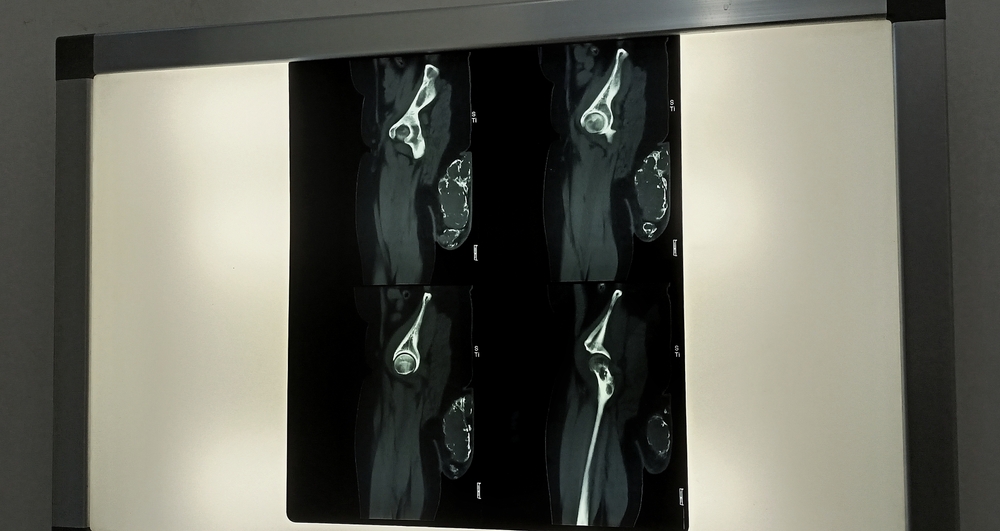
In December 2024, Ofelia was diagnosed with Stage 4 alveolar rhabdomyosarcoma, a rare and aggressive soft tissue cancer that develops in skeletal muscles and is most commonly seen in children and teenagers. Medical experts explain that rhabdomyosarcoma can appear in various parts of the body, including the arms, legs, head and neck, and abdomen, and the alveolar subtype is often considered particularly fast moving and difficult to treat. A Stage 4 diagnosis indicates that the cancer has spread beyond its original site, making treatment more intensive and outcomes more uncertain. For a teenager who had been focused on school, friendships, and future plans, the diagnosis abruptly shifted the center of her world toward survival.
After learning of her illness, Ofelia began undergoing rigorous treatment that required strength and endurance well beyond her years. Instead of attending classes in person at Lakeview High School, she completed most of her coursework from home, balancing assignments with chemotherapy sessions, medical evaluations, and days when exhaustion made even simple tasks overwhelming. The routine of adolescence was replaced with hospital corridors and medication schedules, yet those who knew her said she remained determined to continue learning and participating in discussions about the world around her. Her illness became not just a medical battle but a test of emotional resilience for her and her entire family.
Families confronting aggressive pediatric cancers often experience a cascade of challenges that extend far beyond the physical disease itself. Treatment commonly involves combinations of chemotherapy, radiation, and sometimes surgery, each bringing its own side effects and risks. Parents must coordinate medical appointments while managing employment and household responsibilities, siblings may struggle with fear and uncertainty, and financial strain can escalate quickly even for insured families. For the Torres family, these realities were already demanding when another crisis emerged that would thrust them into the national spotlight.
When Immigration Enforcement Entered Their Lives
In October 2025, while Ofelia was taking a temporary break from treatment and spending precious time at home with her family, her father was detained by immigration authorities at a Home Depot in Chicago. His arrest occurred during Operation Midway Blitz, a surge in immigration enforcement activity that led to thousands of arrests across the Chicago metropolitan area and intensified fears within immigrant communities. For the Torres family, the timing felt devastating, as they were already navigating the emotional and logistical complexities of cancer treatment and now faced the additional threat of separation. The arrest quickly transformed their private struggle into a public legal battle.
The family and their attorney argued that Ruben Torres Maldonado had no criminal history and was essential to caring for Ofelia and her four-year-old brother, Nathan, especially during her medical treatments. According to the Associated Press, Judge Eva S. Saltzman ruled that he could be released on a $2,000 bond, citing his lack of criminal history, and he returned home on Oct. 30. His release provided immediate relief to the family, but the legal uncertainty surrounding his status remained unresolved, leaving them unsure of what the future would hold. The case began drawing wider attention as advocates highlighted the human impact of enforcement actions on families already dealing with hardship.
Federal officials defended the arrest, offering a contrasting account of the situation. In a statement to the Chicago Tribune when the family’s story first became public, homeland security spokesperson Tricia McLaughlin accused Ofelia’s father of “habitual driving offenses” and described his legal case as “nothing more than a desperate hail Mary attempt” to keep him in the US with his family. The starkly different narratives underscored the broader national divide over immigration enforcement, accountability, and humanitarian exceptions. What remained undeniable, however, was the emotional toll the detention had on a teenager undergoing treatment for an aggressive cancer.

The Video That Touched the Nation
Shortly after her father’s arrest, Ofelia recorded a video message that would capture national attention and shift the conversation around her family’s case. Speaking directly to viewers and immigration authorities, she expressed frustration and heartbreak over what she saw as the unfair targeting of families like hers. In the video, she said, “You guys are targeting the wrong people. You are targeting hardworking fathers, mothers, kids. They don’t deserve it.” Her words were shared widely, resonating with people across political and geographic lines who saw in her message a plea rooted in personal experience rather than abstract policy debate.
In another appeal shared through a public GoFundMe page, Ofelia elaborated on her perspective and the broader issue she believed was affecting immigrant families nationwide. She said, “I find it so unfair that hard-working immigrant families are being targeted because they were not born here.” Acknowledging that her family had received support, she added, “Sadly, that’s not the case for all families.” Explaining her motivation for speaking out, she stated, “That’s why I’m making this video: to spread awareness and remind the public that immigrants are humans with families and deserve to be treated with love and respect, just like anyone else.” The clarity and composure of her message drew both sympathy and renewed scrutiny of her father’s detention.
The response was swift and significant, with advocacy groups amplifying the story and supporters contributing funds to assist with legal and medical expenses. Media coverage expanded beyond Chicago, and elected officials began weighing in as the case became emblematic of the tension between enforcement priorities and family unity. For Ofelia, the attention was not about publicity but about keeping her father at home during one of the most vulnerable periods of her life. Her willingness to speak publicly while undergoing treatment left a lasting impression on many who followed the case.
A Courtroom Victory Before Her Passing
Nearly two weeks after his detention, an immigration judge ruled that Torres Maldonado could be released on bond, allowing him to return home to his family while his case proceeded. The legal battle continued in the months that followed, with arguments centered on the hardship his deportation would impose on his US citizen children. Then, three days before Ofelia’s death, an immigration judge in Chicago ruled that her father was conditionally entitled to receive cancellation of removal due to the hardships his deportation would cause his US citizen children. The ruling opened a pathway to lawful permanent residence and eventually US citizenship, offering the family a sense of stability that had long felt uncertain.
Ofelia was present via Zoom at the hearing to witness the decision, a moment that carried profound emotional weight given her declining health. In a previous statement following his bond release, she had said, “I can’t wait to see my dad. We need him to be at home with me and our family.” Her presence at the later hearing symbolized the depth of her commitment to keeping her family together, even as she continued fighting for her own life. Those close to the family described the ruling as both a relief and a heartbreak, arriving just days before her passing.
The family’s attorney later reflected on her courage, stating, “Ofelia was heroic and brave in the face of ICE’s detention and threatened deportation of her father. We mourn Ofelia’s passing, and we hope that she will serve as a model for us all for how to be courageous and to fight for what’s right to our last breaths.” His words captured the dual nature of her story, one defined by both profound vulnerability and unwavering resolve. The courtroom victory ensured her father could remain with the family, a result she had fought tirelessly to see.
Leaders Respond and Reflect
Ofelia’s death prompted condolences and public reflection from leaders at multiple levels of government who had followed her case closely. Chicago Mayor Brandon Johnson shared a tribute on social media, writing, “My prayers are with the Torres family as we mourn and remember Ofelia. Her love will endure.” He described her life as inspiring while also expressing criticism of federal immigration operations that affected families across the city. His message echoed the sentiments of many residents who had watched her story unfold over several months.
Delia Ramirez, a US representative whose district includes the Torres family, also offered a tribute that emphasized Ofelia’s strength and advocacy. She wrote, “Even as Ofelia fought cancer, she also fought to bring her father home and ensured that he would no longer have to live in fear in the shadows.” Ramirez continued, “She taught us what love, hope, and resolve look like. My condolences to her family and loved ones.” Their statements reflected the impact Ofelia had not only on policy conversations but on those who met her or heard her speak.
According to the Chicago Tribune, Ofelia also examined healthcare costs in a school project focused on the high price of medical care in the United States. Her teacher connected her with Illinois state representative Laura Faver Dias, who later recalled their conversation by saying, “She is smart, funny, inquisitive, engaging. We just talked about state healthcare policy. We talked about her fears, our shared fears about what happens to Medicaid for her and her family as she is navigating cancer.” Even during treatment, Ofelia was thinking about the broader systems affecting families like hers, demonstrating an awareness that extended beyond her immediate circumstances.
A Legacy Beyond Headlines
Ofelia Torres’s life intersected with some of the most debated issues in the country, including immigration enforcement practices, healthcare affordability, and the role of young people in civic engagement. Yet at its core, her story was about family devotion and the determination of a teenager who believed her voice mattered. She was a daughter who wanted her father home during her illness, a sister who understood her responsibilities within the household, and a student who sought to understand the policies shaping her experience.
Her advocacy showed that age does not determine impact and that personal stories can shape public conversations in meaningful ways. By speaking openly about her father’s detention, she placed a human face on a national policy debate that often feels distant and impersonal. By continuing her studies and engaging with lawmakers, she demonstrated that civic participation can emerge even in the midst of personal crisis. Her actions challenged assumptions about who gets to influence change.
As her community continues to grieve, many are holding onto the example she set during her final months. Her story is one of resilience under extraordinary pressure, of courage in the face of illness, and of a family fighting to remain together. In remembering Ofelia, supporters return to the words shared in tribute and to the legacy of compassion she championed. For those who followed her journey, her love for her family and her willingness to speak out remain the most enduring parts of her story.
alveolar rhabdomyosarcoma, Brandon Johnson, cancer awareness, Chicago news, Chicago teen, Delia Ramirez, deportation case, human interest story, ICE custody, Immigrant Families, Immigration Debate, Immigration Enforcement, immigration news, Ofelia Torres, Operation Midway Blitz, rare cancer, Ruben Torres Maldonado, Stage 4 cancer, Trump immigration policy, youth advocacy