
Your cart is currently empty!
Airports Are Bringing Back Gate Goodbyes After Decades
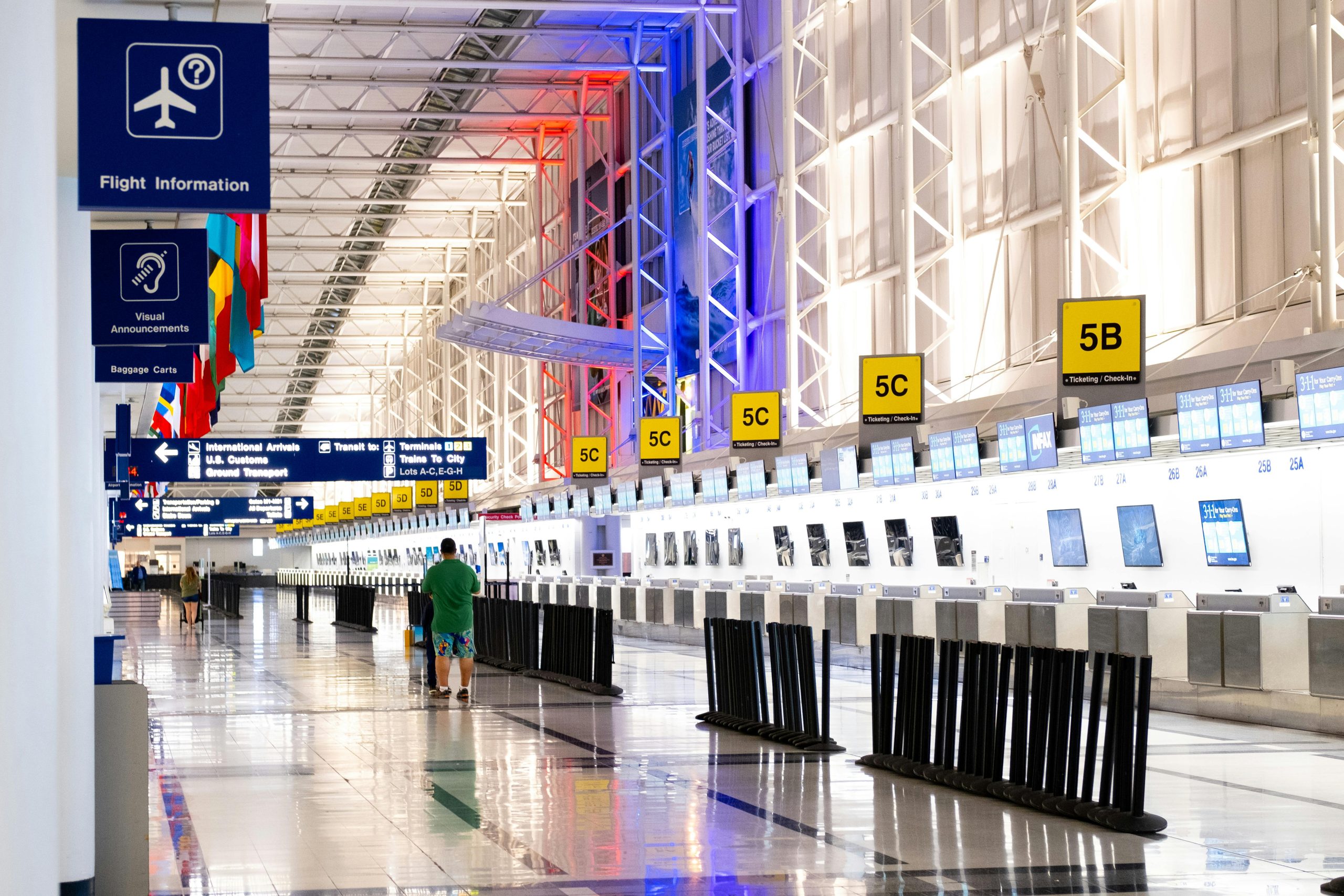
For the first time in more than two decades, a scene many Americans assumed was gone for good is quietly returning to airports across the country: loved ones walking together all the way to the gate.
Contents
show
For years, airports have been places of rushed curbside hugs, shouted goodbyes through car windows, and solitary walks through security. But now, at a growing number of U.S. airports, non-travelers are once again being allowed past TSA checkpoints and the emotional reaction has been swift.
From grandparents welcoming family members right as they step off the plane, to couples savoring a few extra minutes together before boarding, these newly introduced guest pass programs are reviving a pre-9/11 tradition that many people didn’t realize they missed so deeply.
When Airports Were Places to Linger, Not Just Pass Through
Before September 11, 2001, airports functioned very differently from the tightly controlled environments travelers know today. Anyone could walk through security, whether they were flying or not. Families would accompany loved ones to the gate. Friends would meet arriving passengers the moment they stepped off the plane. Some people even visited airports simply to watch planes take off and land.
Security screening existed, but it was minimal compared to today’s standards. Lines were short, identification requirements were loose, and the idea of needing a boarding pass to access the terminal was largely unheard of.
For many Americans, airports were communal spaces places of emotion, excitement, and connection. That all changed in the aftermath of the September 11 terrorist attacks.
In response to the attacks, the federal government created the Transportation Security Administration, or TSA, and introduced sweeping security reforms. Access to post-security areas was restricted exclusively to ticketed passengers. Airports became fortified zones designed to screen threats as efficiently as possible, even if it meant sacrificing comfort or connection. Those changes reshaped air travel for an entire generation.
More Than 20 Years of Separation at the Curb

For more than two decades, travelers have grown accustomed to saying goodbye before security often far earlier than they’d like. Parents watched children disappear into terminals. Long-distance couples parted ways at the curb. Elderly travelers navigated massive concourses alone.
While the tightened security was widely accepted as necessary, many people quietly mourned the loss of human moments that once defined air travel. Airports became associated with stress, long lines, and rigid rules rather than reunions and farewells.
The idea that non-travelers might one day return beyond security seemed unlikely until a handful of airports began experimenting with limited-access programs.
Oakland Airport Reopens the Gate Carefully
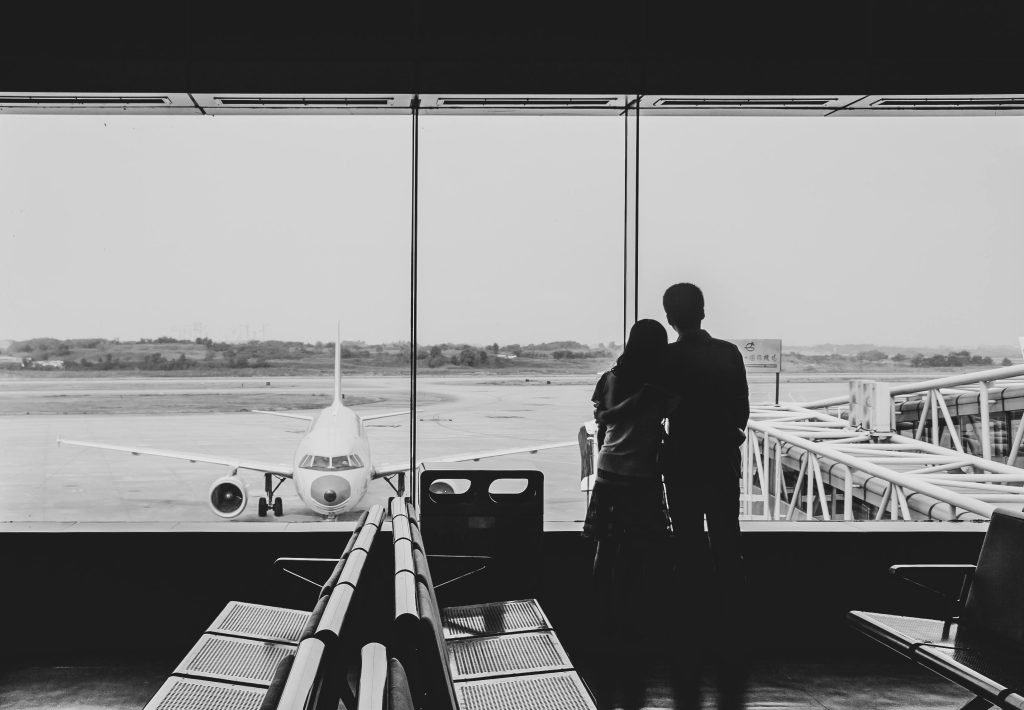
This week, Oakland San Francisco Bay Airport in California announced the launch of its new OAK Guest Pass program, allowing approved non-passengers to pass through TSA security and enter the terminal’s post-screening areas.
Under the program, visitors can apply online for permission to accompany loved ones to the gate, greet arriving passengers, or simply spend time in the terminal. Applications can be submitted up to seven days in advance, and in some cases on the same day.
Once an application is submitted, TSA reviews the visitor’s information and determines whether to approve or deny access. Approved visitors receive a digital guest pass and must present it along with a TSA-approved photo ID at the security checkpoint. They are subject to the same screening procedures as ticketed passengers.
Airport officials have emphasized that the program is not permanent. Oakland reserves the right to suspend or cancel the guest pass initiative at any time in response to operational or security concerns. Even so, the announcement struck a chord.
A Trend Quietly Spreading Across the U.S.

Oakland is not the only airport experimenting with this idea. Over the past several years, airports across the United States have introduced similar programs under different names, often with little fanfare.
Philadelphia International Airport offers a Wingmate Pass. Detroit Metropolitan Airport has a Destination Pass. Cleveland Hopkins International Airport allows visitors with a Hangout Pass, while San Antonio International Airport offers the SAT Pass. Kansas City International Airport has also implemented a guest access program.
In California alone, several airports now allow non-travelers beyond security, including John Wayne Airport, Ontario International Airport, Palm Springs International Airport, and San Diego International Airport.
Each airport sets its own rules, limits, and approval process. Some cap the number of passes issued per day. Others restrict access during peak travel times. None allow unrestricted entry.
Still, taken together, the programs signal a meaningful shift in how airports are thinking about public access.
The Internet Reacts With Nostalgia And Emotion

As news of these guest passes spread, travelers took to social media to share memories of what flying used to feel like.
In a popular Reddit travel forum, one user asked a simple question: how was airport security before 2001? The responses poured in.
People recalled being greeted by family members the moment they stepped off the plane. Parents remembered walking children to the gate and waiting until the aircraft pushed back. Others talked about going to the airport just to watch planes, turning it into a weekend outing.
One commenter described the joy of seeing their grandmother waiting at the gate after a flight — a memory that, decades later, still stands out as deeply meaningful. Another wrote about how strange it feels today to say goodbye and then walk alone for what feels like half a mile to the gate.
For many, the emotion wasn’t rooted in convenience. It was about presence.
Why Airports Are Opening Up Again Now

So why is this happening after so many years?
Security experts say advancements in technology have played a major role. Modern TSA screening includes advanced imaging systems, biometric verification, Real ID requirements, and more sophisticated background checks. These tools allow authorities to manage risk more precisely than they could two decades ago.
As security systems have improved, the overall risk profile has shifted. According to aviation security specialists, that reduced risk has made it possible for TSA to cautiously allow limited non-passenger access without compromising safety.
There is also a financial incentive.
Today’s airports are no longer just transit hubs. They are sprawling commercial centers filled with restaurants, bars, and retail shops most of which sit beyond security. By allowing non-travelers into these spaces, airports increase foot traffic and potential revenue.
For airports still recovering from pandemic-era travel declines, that added activity matters.
Not a Return to the 1990s And That’s Intentional

Despite the nostalgia, airport officials are clear: this is not a return to the free-flowing access of the past.
Non-travelers cannot simply walk into a terminal. They must apply in advance, provide accurate personal information, and pass TSA vetting. Approval is never guaranteed.
Once inside, guest pass holders must follow all standard security rules. They wait in line, remove shoes, limit liquids, and undergo the same screening as everyone else.
These safeguards are designed to strike a balance restoring some human connection while maintaining modern security standards.
Concerns About Crowds and Delays
Not everyone is fully on board with the change.
Some travel experts warn that allowing additional people through security could increase wait times, particularly during busy travel periods. More people in line means more strain on TSA staffing and infrastructure.
Airports acknowledge this concern and say guest pass programs are intentionally limited and flexible. If congestion becomes an issue, airports can reduce availability or pause the program altogether.
In other words, access exists only as long as it doesn’t disrupt travel for ticketed passengers.

Why This Shift Feels So Personal
For many travelers, the return of guest passes feels bigger than a policy update.
It represents a small reclaiming of humanity in an environment that has long felt impersonal. It means elderly parents don’t have to navigate terminals alone. It gives families more time together. It allows for real goodbyes not rushed ones.
Airports were once emotional spaces filled with anticipation, reunions, and shared moments. Over time, they became places of separation and stress.
Guest passes don’t erase the realities of modern security, but they suggest something important: that safety and human connection don’t have to be mutually exclusive.
What Happens Next
Whether these programs expand nationwide or remain limited experiments remains to be seen. Major hubs like JFK, LAX, and Newark have not yet announced similar initiatives. But the response so far is telling.
People aren’t just excited about convenience. They’re reacting to the return of something deeply human the ability to be present for the moments that matter.
For the first time in decades, airports are becoming places to meet again, not just places to pass through. And for many travelers, that change feels long overdue.