
Your cart is currently empty!
U.S. Set to Offer Alaska Oil and Gas Leases for First Time Since 2019
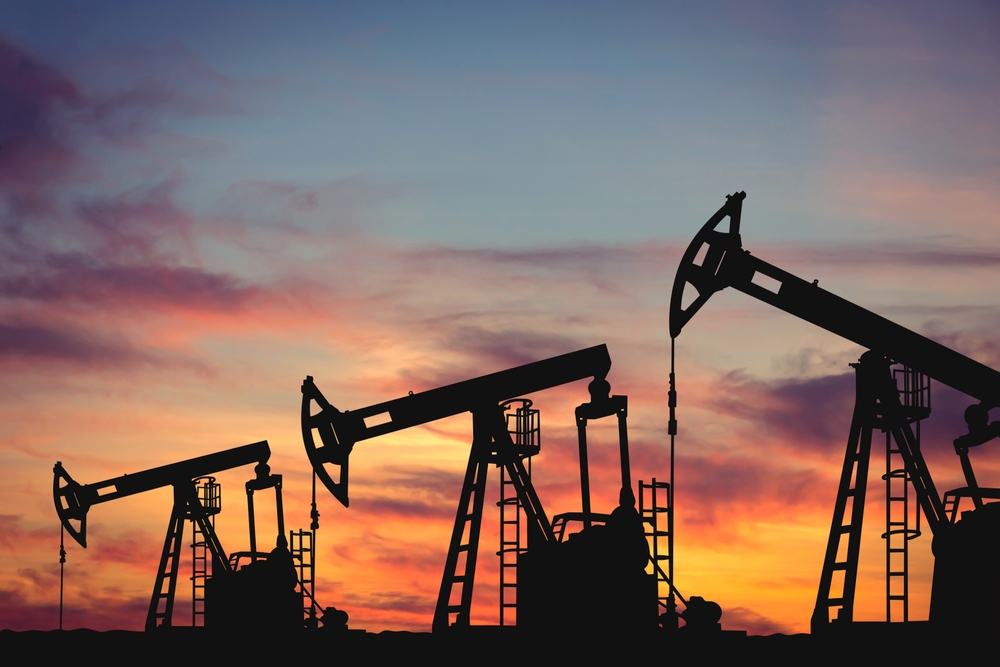
After years of delays and debate, the United States is once again opening parts of Alaska to oil and gas leasing. The decision brings renewed attention to a region long seen as both a valuable energy source and a fragile environment. As interest grows from industry and concern rises from environmental groups, the move raises a deeper question about how far the country is willing to go to meet its energy needs.
Contents
show
New Drilling Leases Approved in Alaska
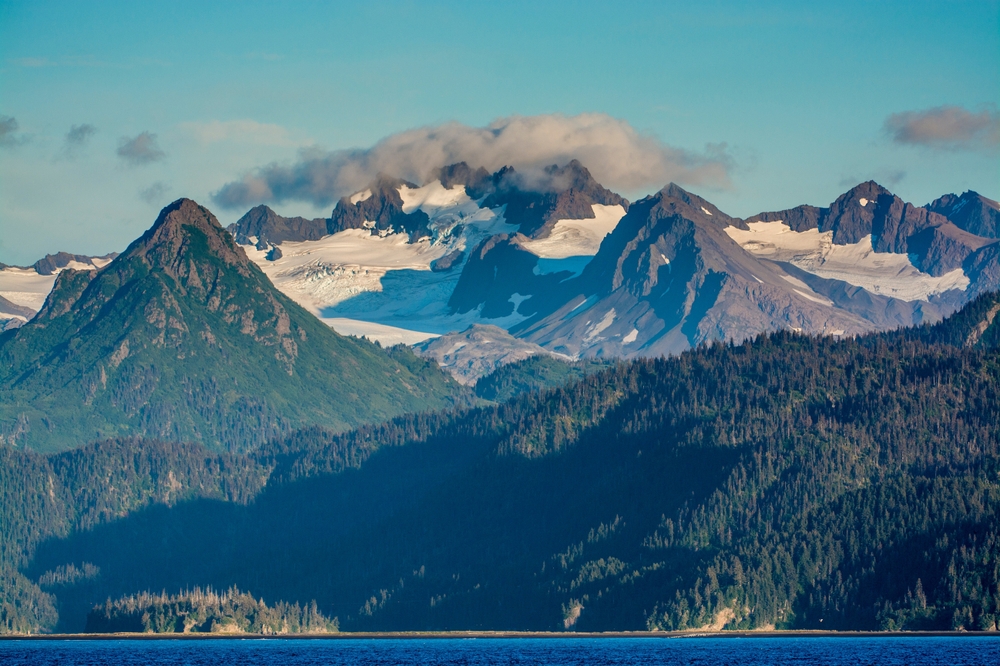
The United States is preparing to hold its first oil and gas lease sale in Alaska since 2019, marking a clear shift in how the government is approaching energy production. After several years of delays tied to policy changes, legal challenges, and environmental reviews, the move signals a renewed push to develop domestic resources.
The lease sale will take place in the National Petroleum Reserve–Alaska, a vast stretch of public land on the state’s North Slope covering more than 23 million acres. Originally set aside in the early 1900s as a backup fuel supply for the U.S. Navy, the area has since become a key site in ongoing debates about energy, jobs, and conservation.
Supporters of the plan see it as a practical step toward strengthening energy security. With global energy markets often facing instability, expanding local production is viewed as a way to reduce reliance on imports and support economic activity, particularly in Alaska where the oil industry plays a major role.
At the same time, the decision comes with growing concerns about climate change. Environmental groups argue that opening more land for drilling could slow progress toward reducing greenhouse gas emissions. This places the lease sale at the center of a broader national conversation about how to meet energy needs while also addressing environmental risks.
As the process moves forward, it reflects a larger question facing the country: how to balance immediate energy demands with long-term climate goals.
What the Lease Sale Includes
The upcoming lease sale will focus on selected areas within the National Petroleum Reserve–Alaska that are designated for energy development. Not all parts of the reserve are open for drilling. Federal rules set limits to protect sensitive ecosystems, wildlife habitats, and subsistence areas used by local communities.
According to federal planning documents, millions of acres remain available for leasing, though some regions have been placed off-limits due to their environmental importance. These include areas that support migratory birds, caribou herds, and other species that are vital to both the ecosystem and Indigenous ways of life.
Energy companies that participate in the lease sale will be bidding for the right to explore and potentially develop oil and gas resources in these approved zones. Winning a lease does not guarantee immediate drilling. Companies must still go through additional environmental reviews and permitting processes before any extraction can begin.
Economic Stakes for Alaska and the U.S.

The lease sale carries significant economic implications, particularly for Alaska. The state has long relied on oil and gas development as a major source of revenue, funding public services and supporting jobs across local communities. Industry activity in the North Slope remains a key driver of the state’s economy, especially in remote areas where opportunities can be limited.
For many local leaders and lawmakers, expanding access to federal land is seen as a way to sustain this economic base. They argue that new leases could lead to future production, which in turn supports employment, infrastructure, and state income through taxes and royalties. Some officials have also emphasized that responsible development can coexist with environmental protections if managed carefully.
At the national level, the lease sale is tied to broader efforts to maintain a stable energy supply. Domestic production has been a central part of U.S. energy strategy in recent years, particularly during periods of global uncertainty. Increasing supply within the country is often viewed as a way to manage fuel costs and reduce exposure to international disruptions.
However, economic benefits are not immediate. Lease sales are only the first step in a long process that can take years before any oil or gas is produced. Market conditions, investment decisions, and regulatory approvals all influence whether companies move forward with development.
The Environmental Fight Over Alaska’s Reserve
The lease sale is moving forward under close legal and environmental scrutiny. In recent years, federal agencies have faced court challenges over how oil and gas development is approved in the National Petroleum Reserve–Alaska. Some earlier leasing plans were blocked or revised after judges found gaps in environmental review, particularly around wildlife impacts and climate considerations.
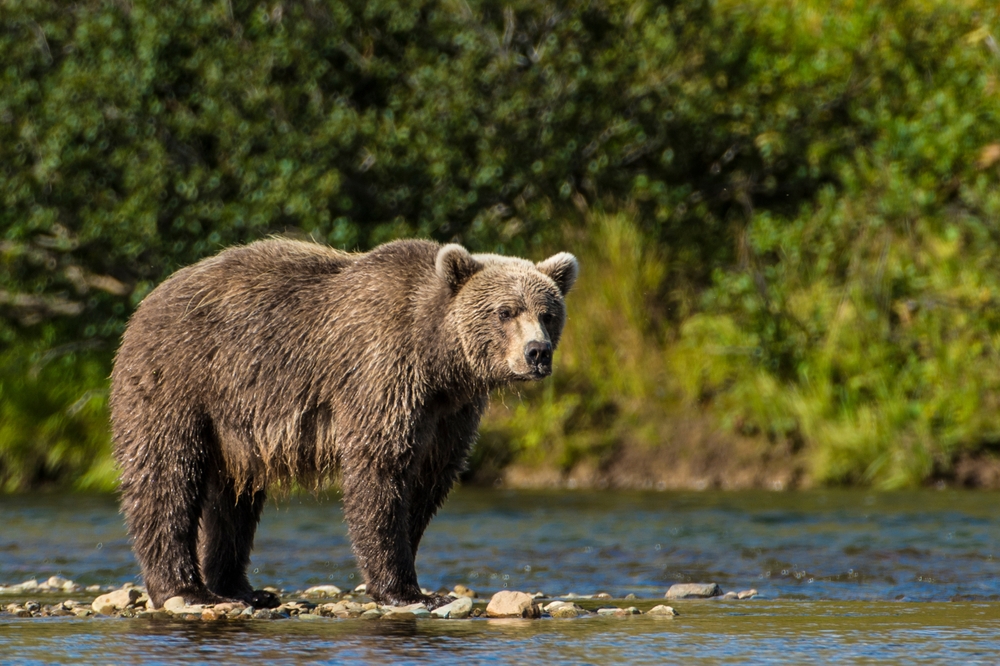
Environmental groups continue to argue that expanding drilling in the Arctic carries long-term risks. The region is home to fragile ecosystems that can take decades to recover from disruption. There are also concerns about the effects on species such as caribou and migratory birds, as well as the potential impact on nearby communities that depend on these resources for subsistence.
Another key issue is climate change. Scientists widely agree that reducing greenhouse gas emissions is necessary to limit global warming. Critics of the lease sale say that opening new areas for fossil fuel development runs counter to these goals, especially when cleaner energy options are becoming more available.
Federal agencies have responded by emphasizing updated safeguards. These include limiting which areas can be leased, requiring detailed environmental impact statements, and setting conditions on how companies operate. Officials argue that these steps are meant to balance development with protection.
The Future of Energy in America
The move to restart oil and gas leasing in Alaska shows how the country is trying to meet today’s energy needs while planning for the future. On one hand, more local production can help keep supply steady and support jobs. On the other, there is growing urgency to cut emissions and shift toward cleaner energy.
For many people, this is not just a policy debate. It affects everyday concerns like fuel prices, job opportunities, and the health of the environment. What happens in Alaska may seem far away, but decisions like this can shape energy costs and climate outcomes over time.
As the lease sale moves forward, the focus will be on how well the balance is handled. Careful planning, clear rules, and public involvement will matter. The challenge is finding a path that supports both current needs and long-term responsibility.